What makes a species endemic to the Red Sea?
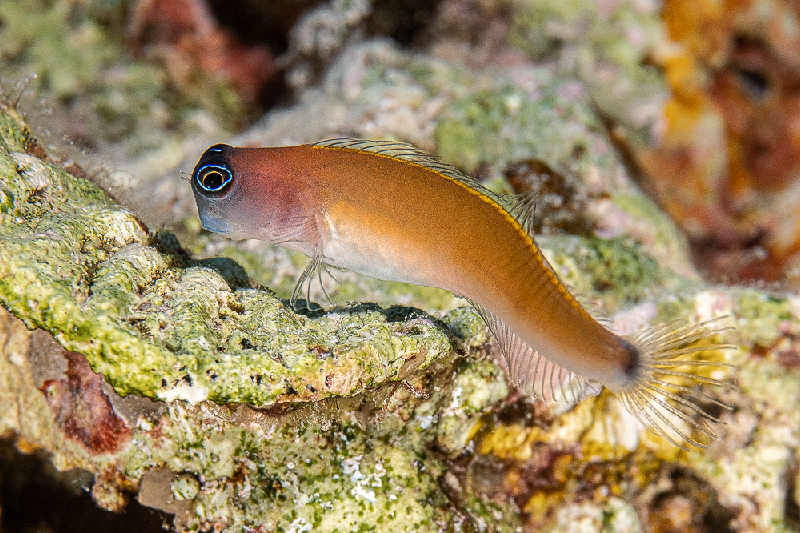
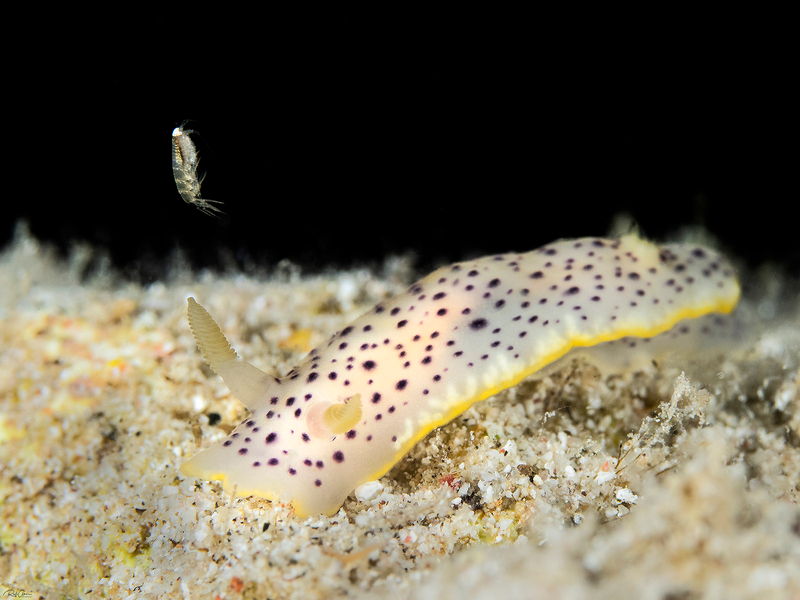
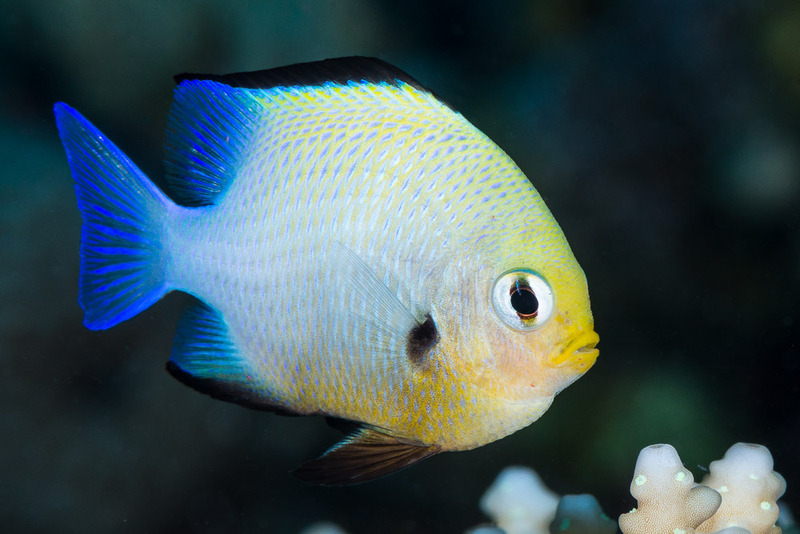
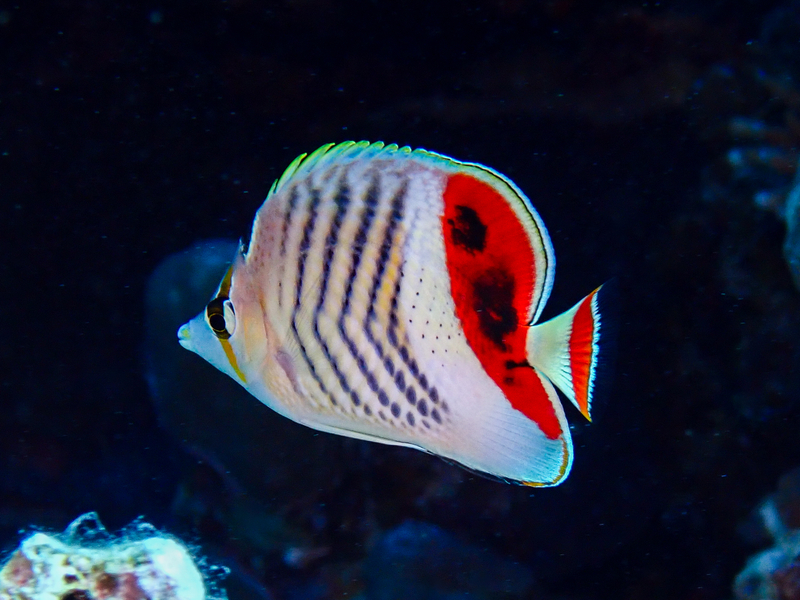
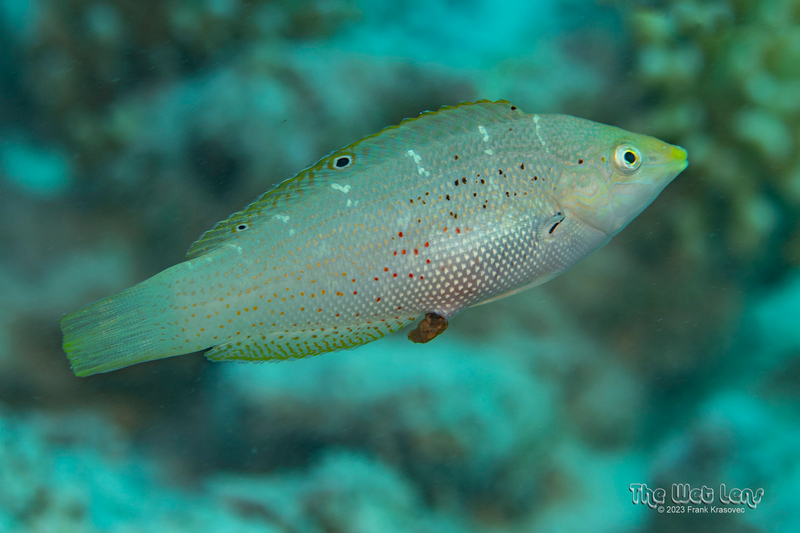
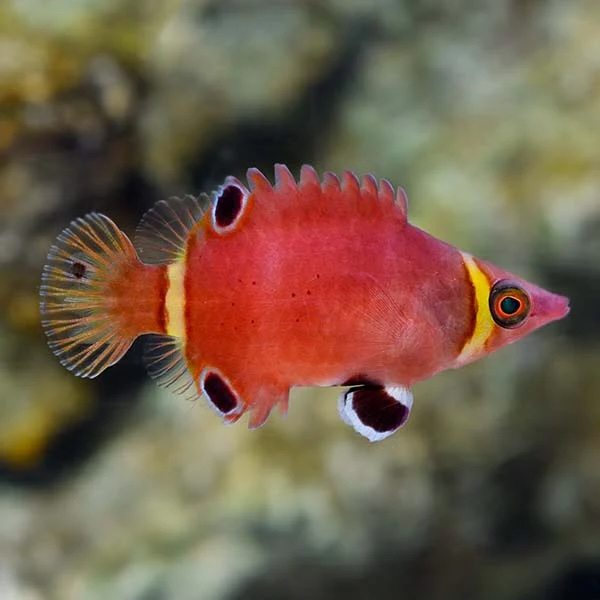
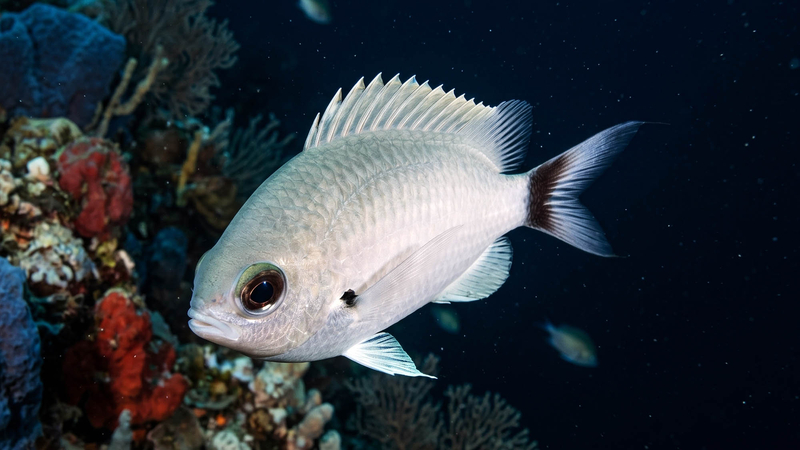
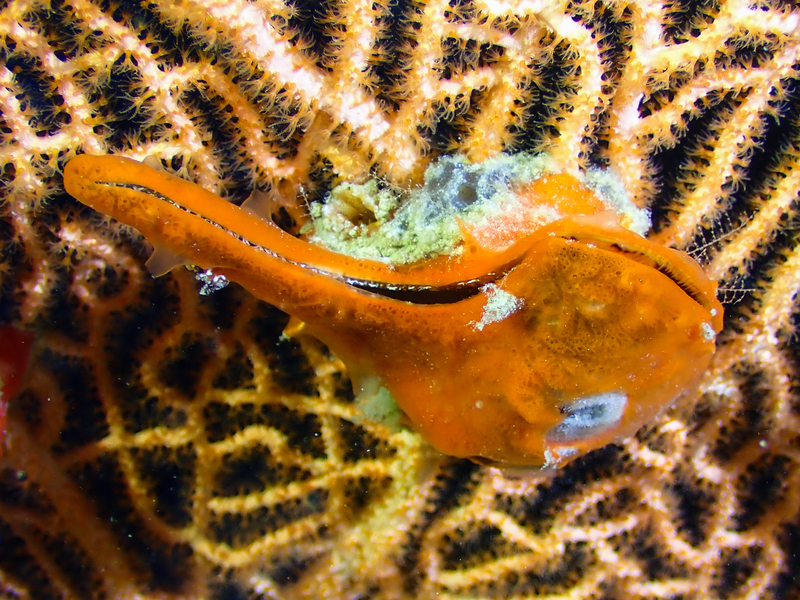
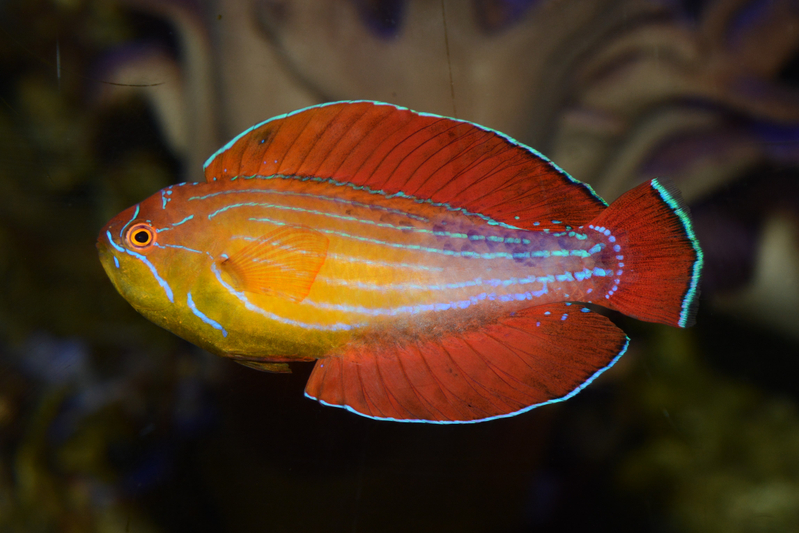
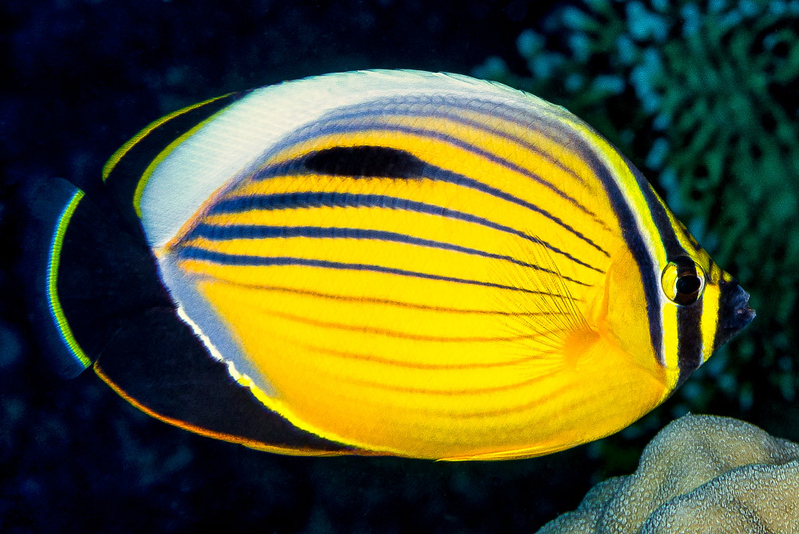
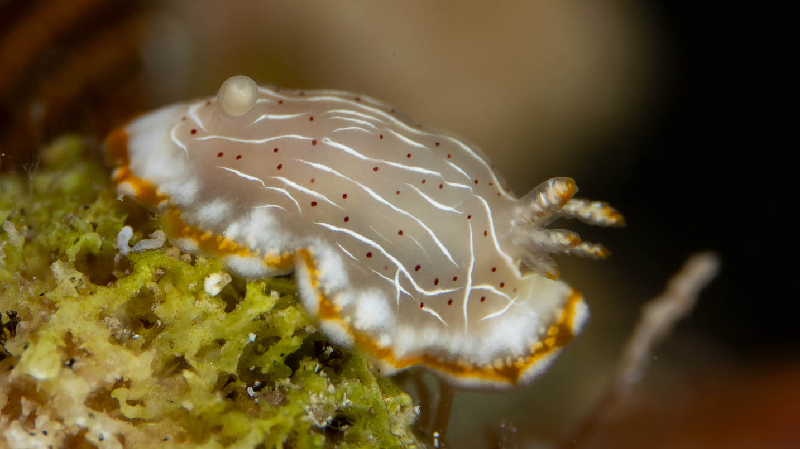
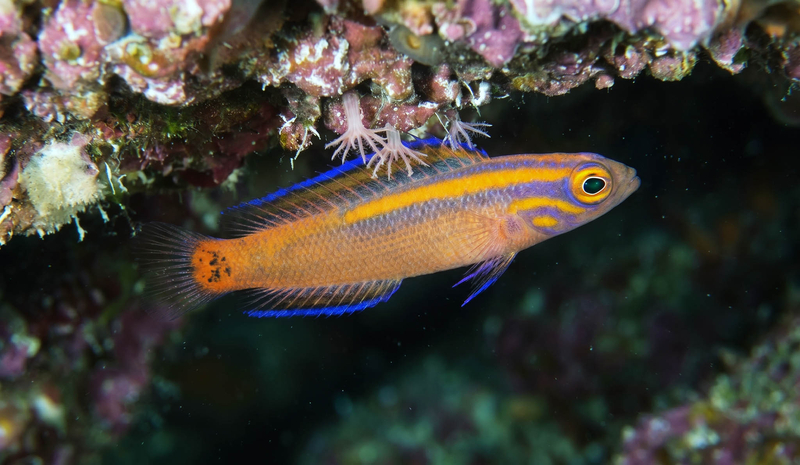
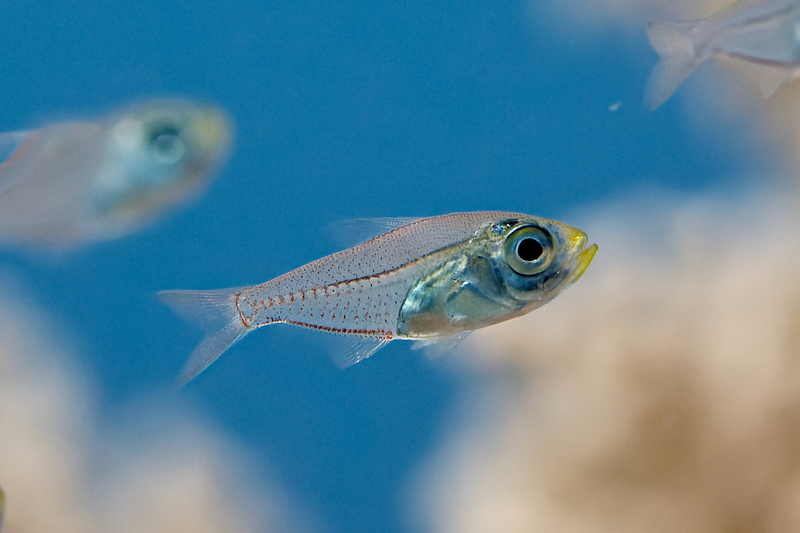
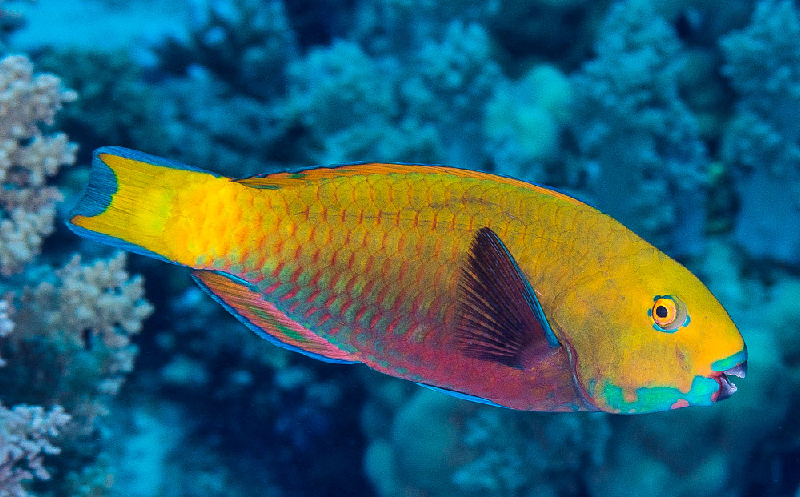
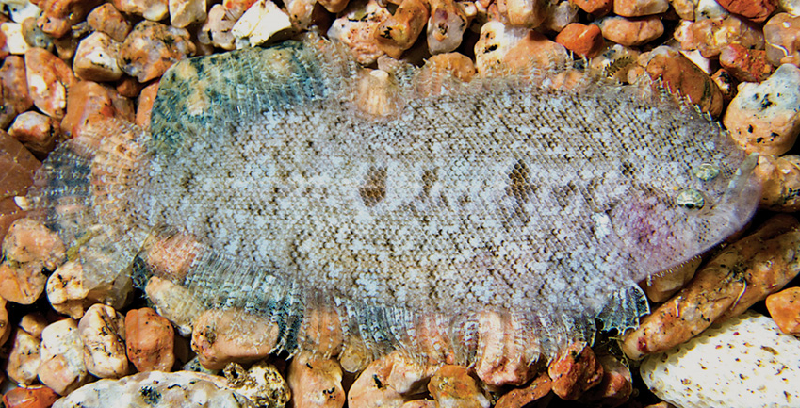
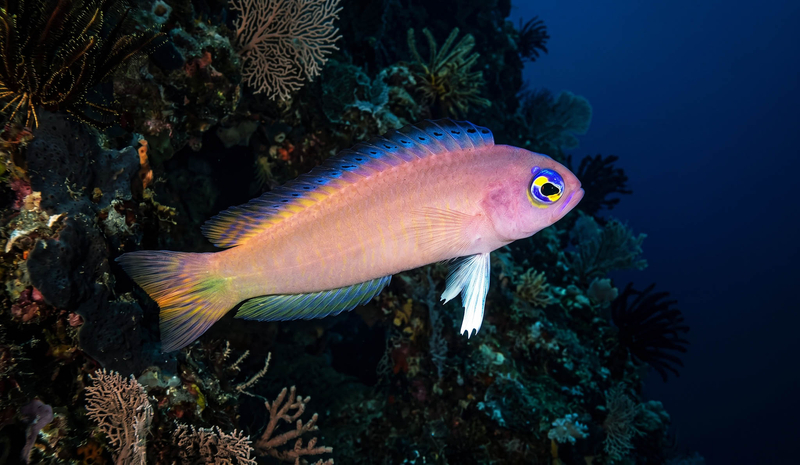
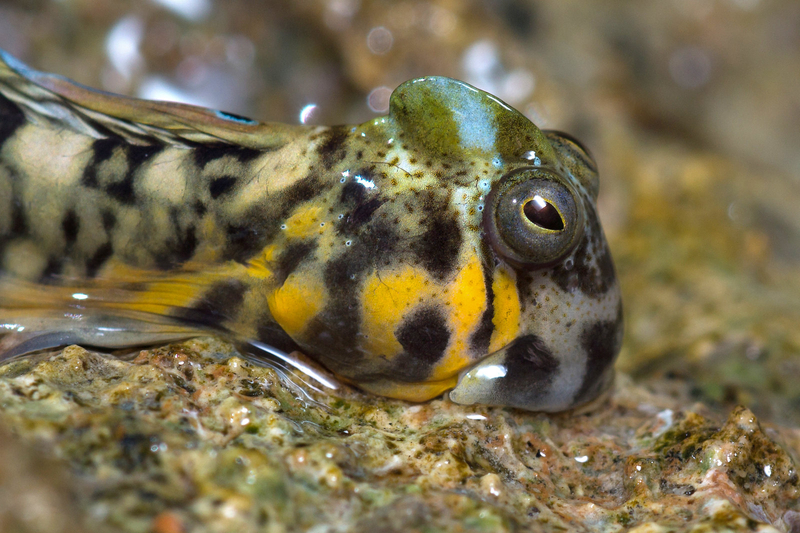
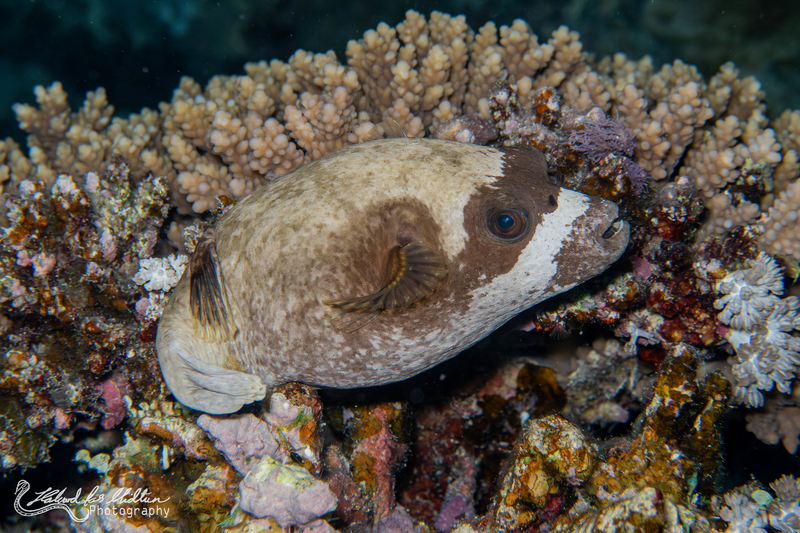
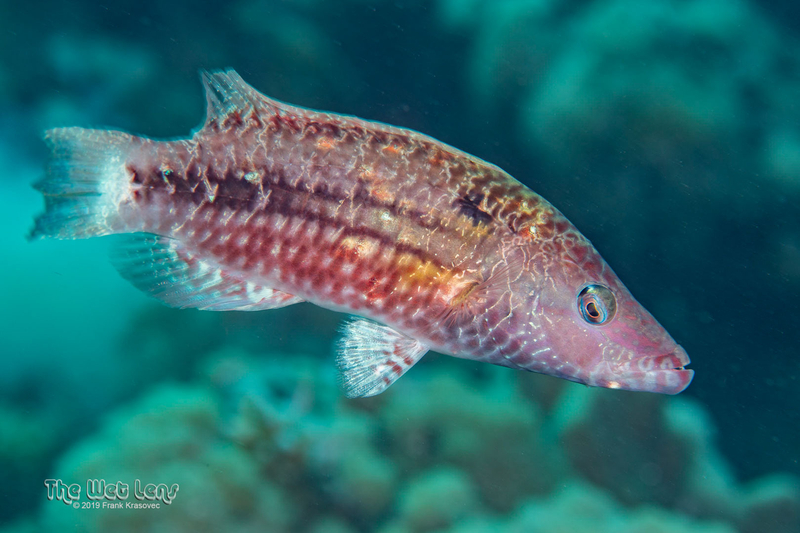
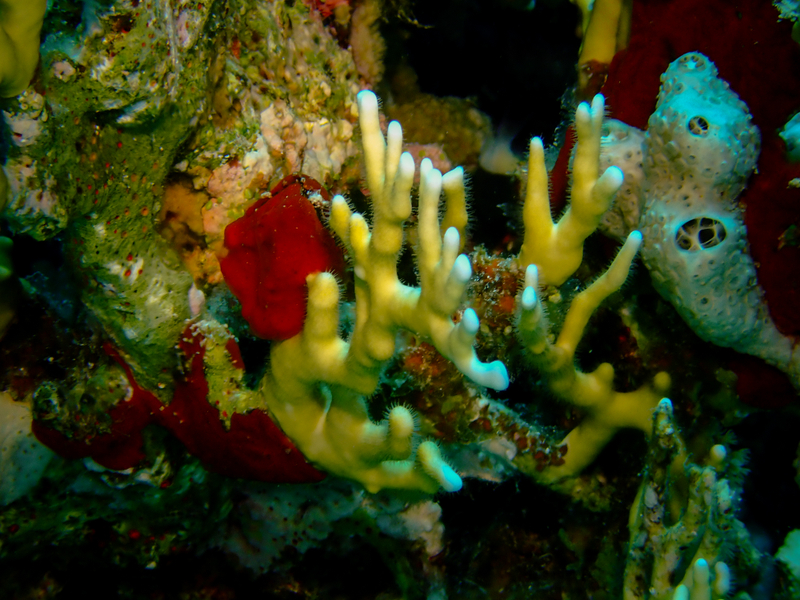
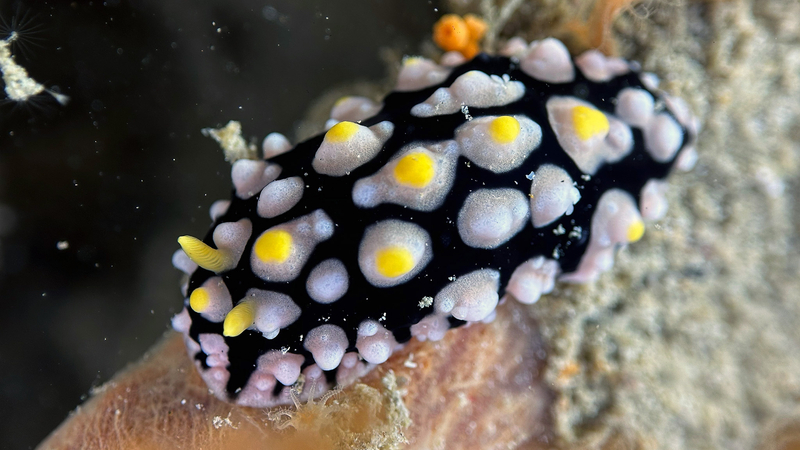
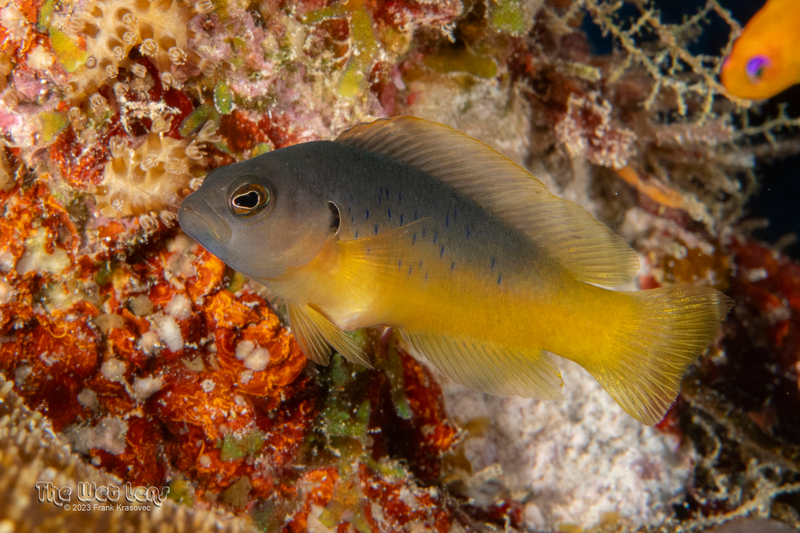
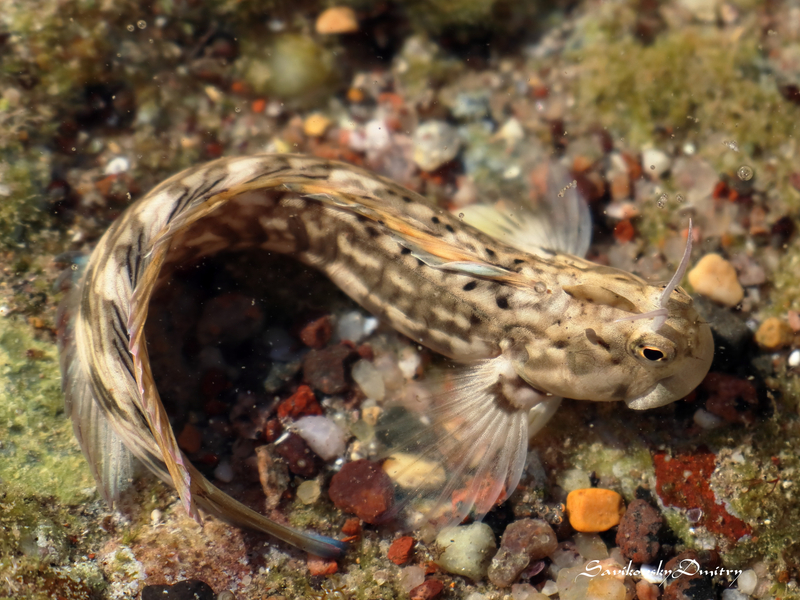
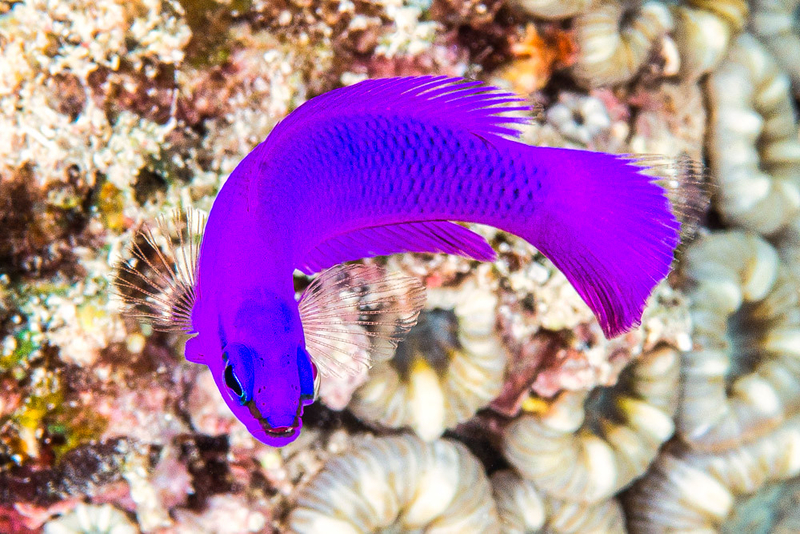
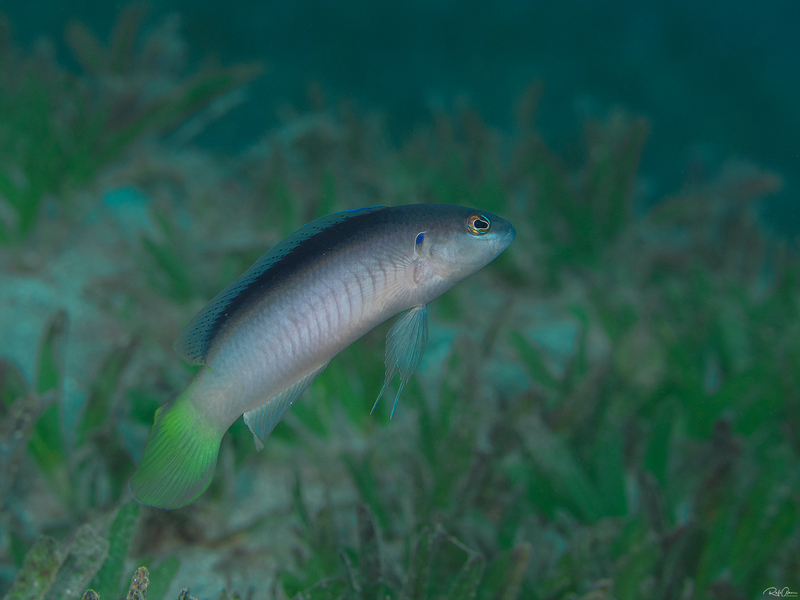
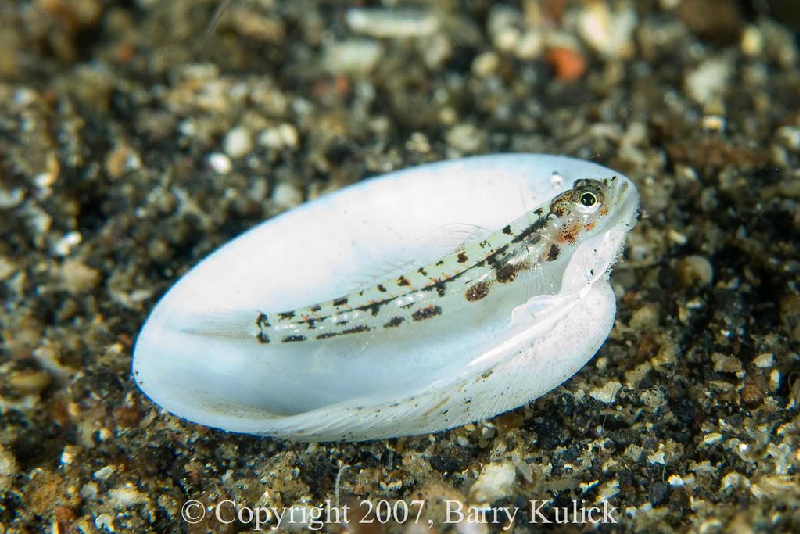
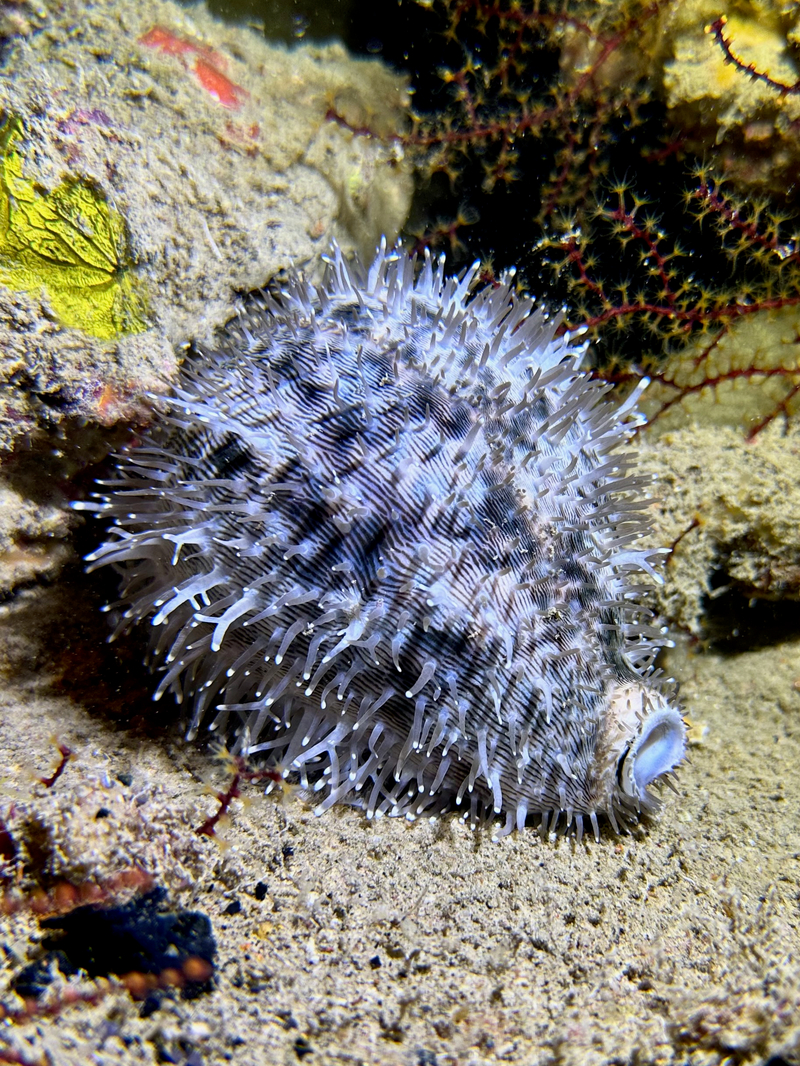
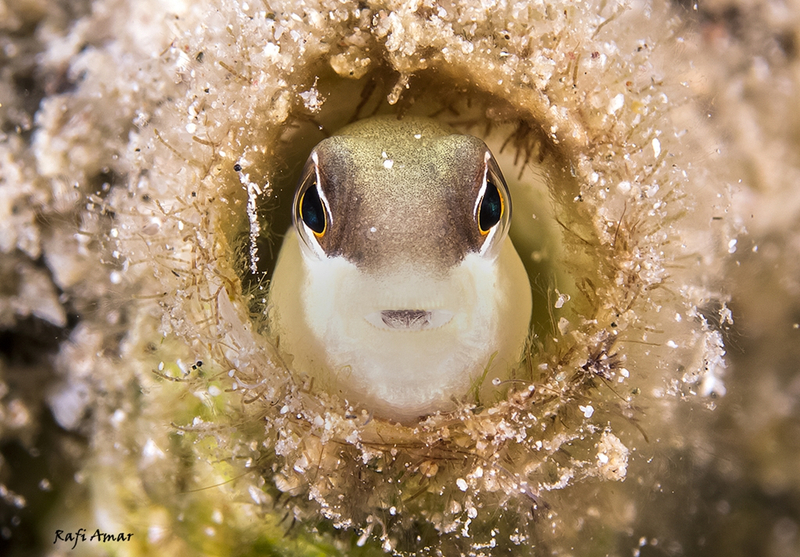
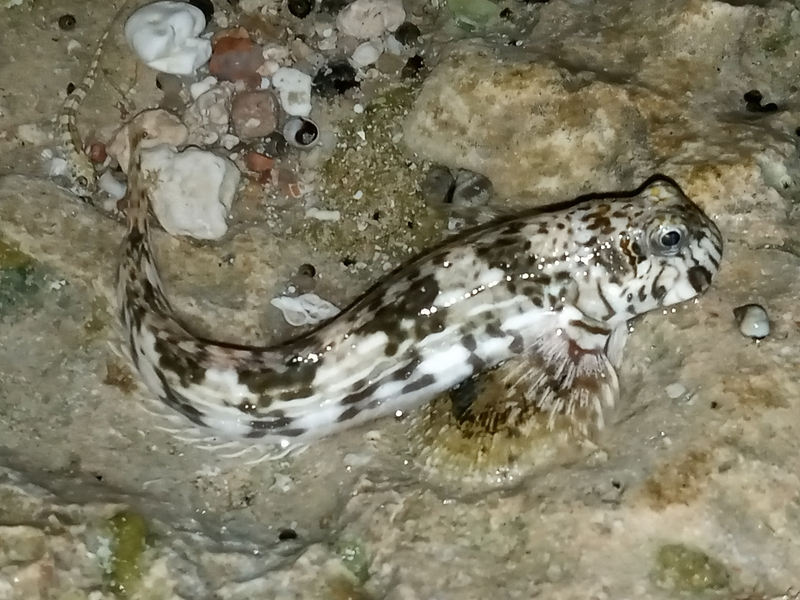
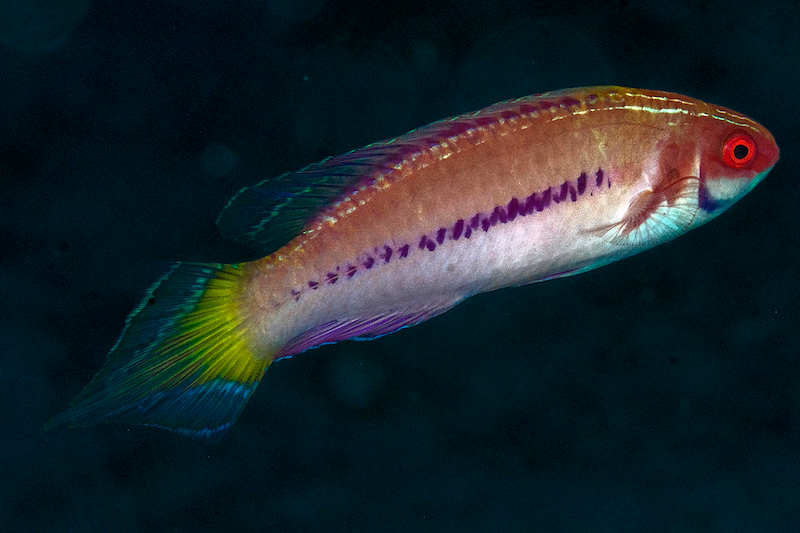
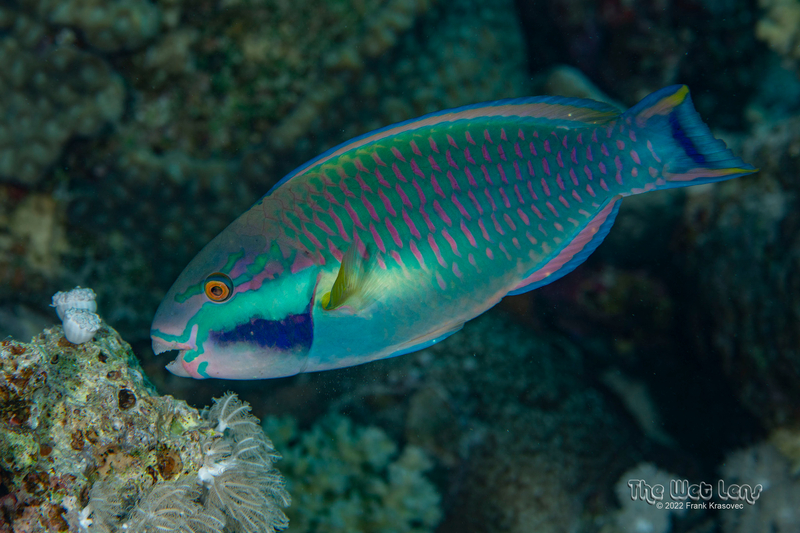
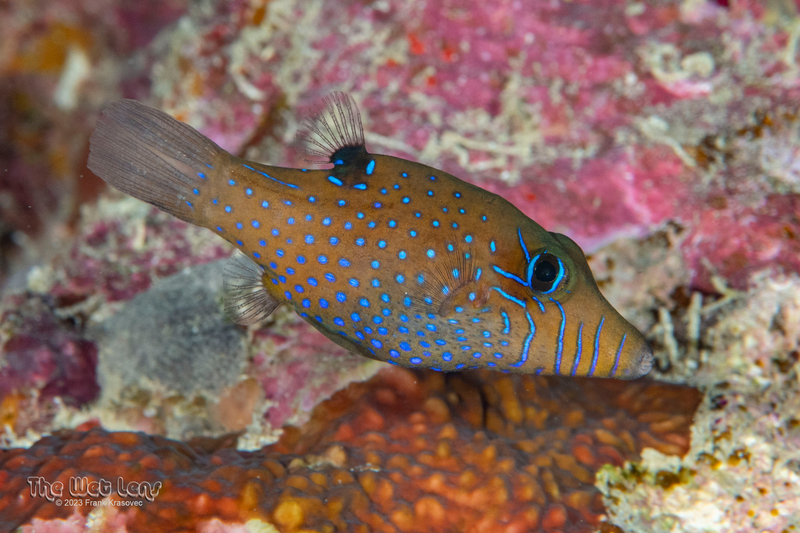
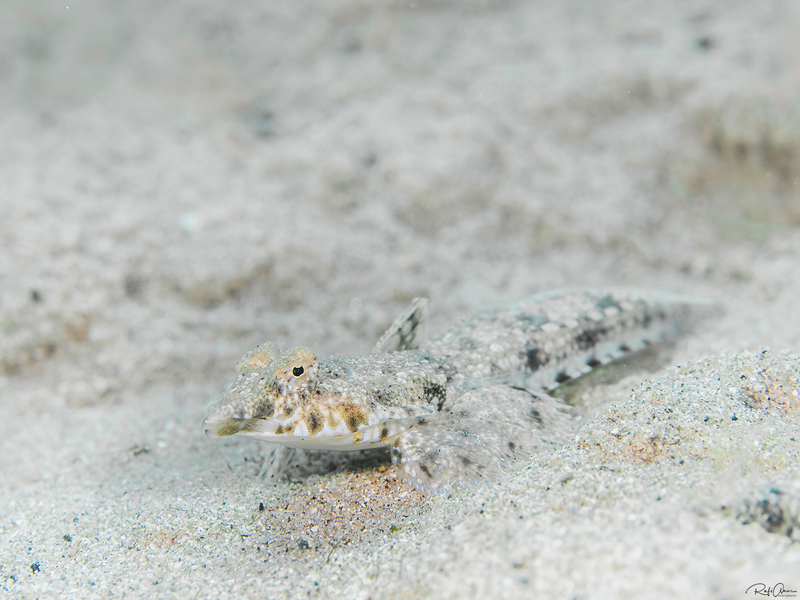
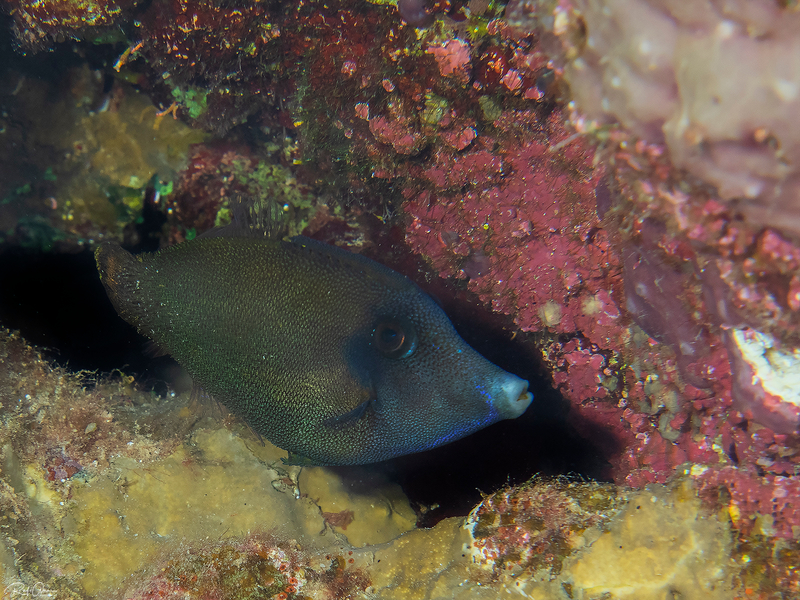
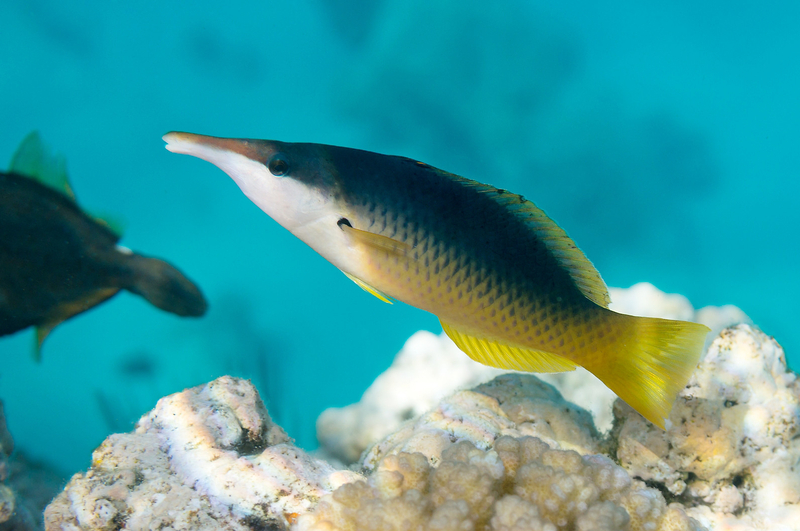
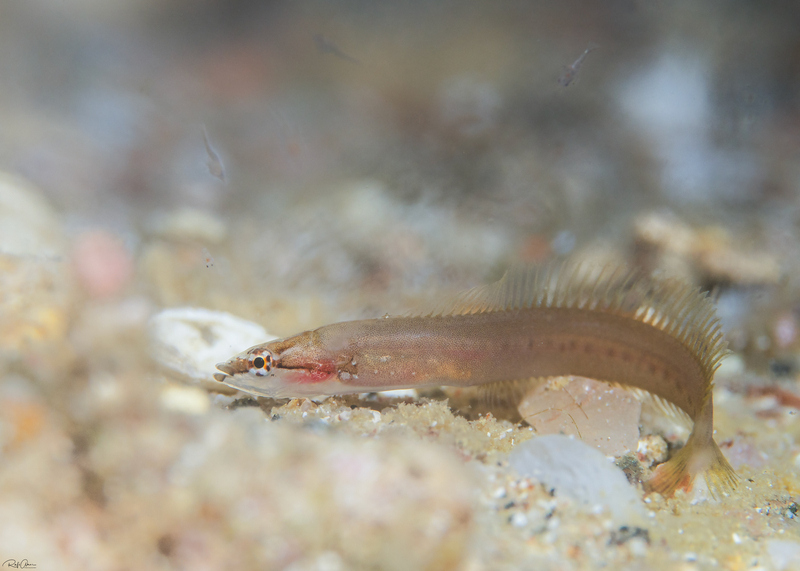
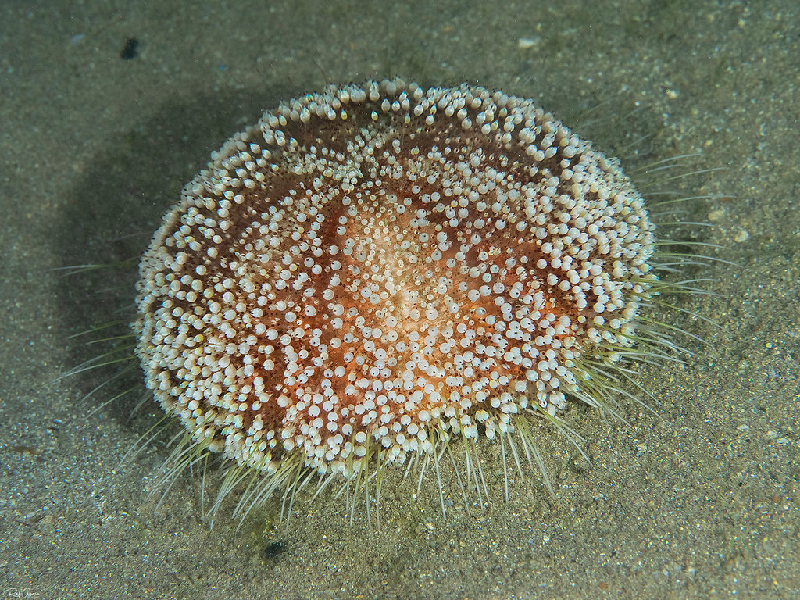
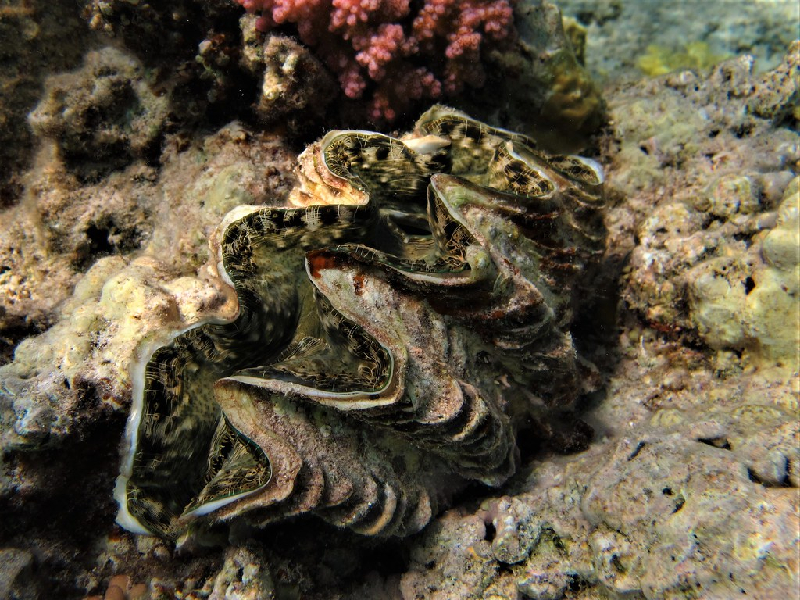
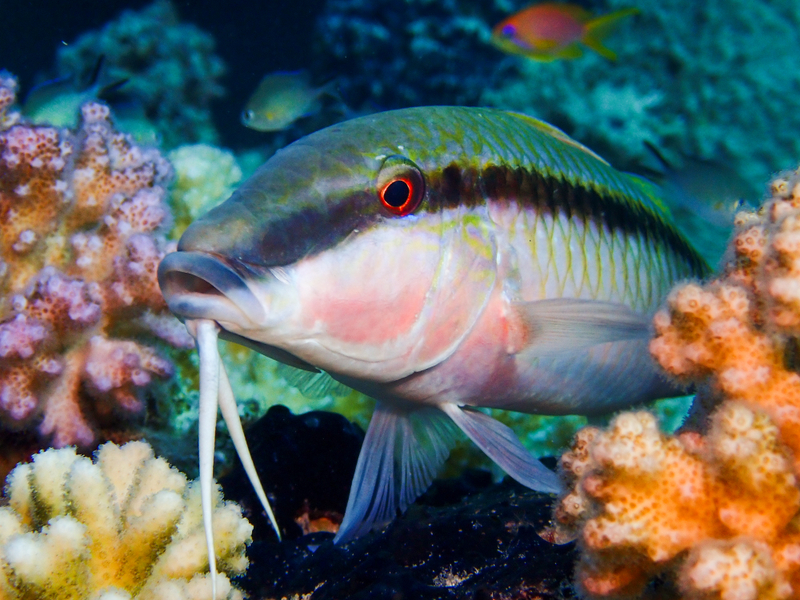
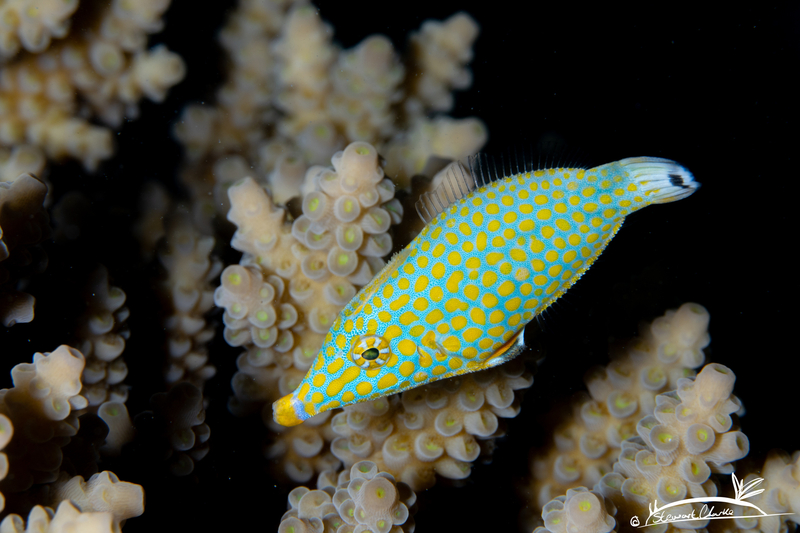
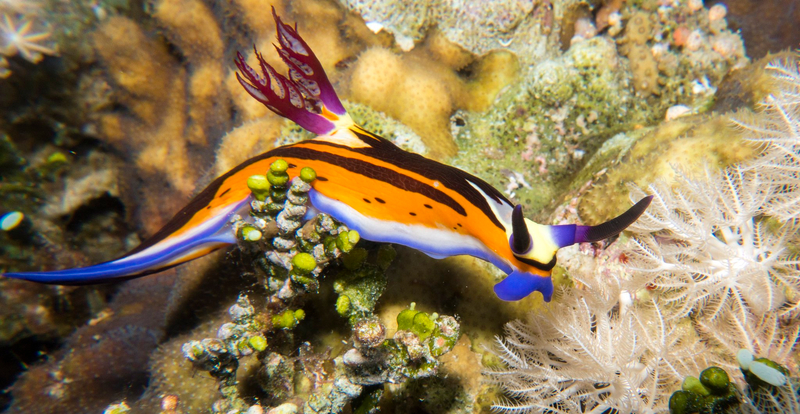
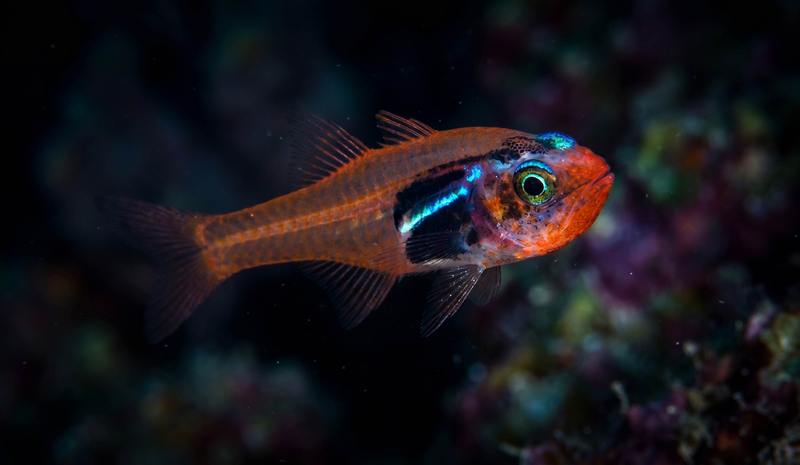
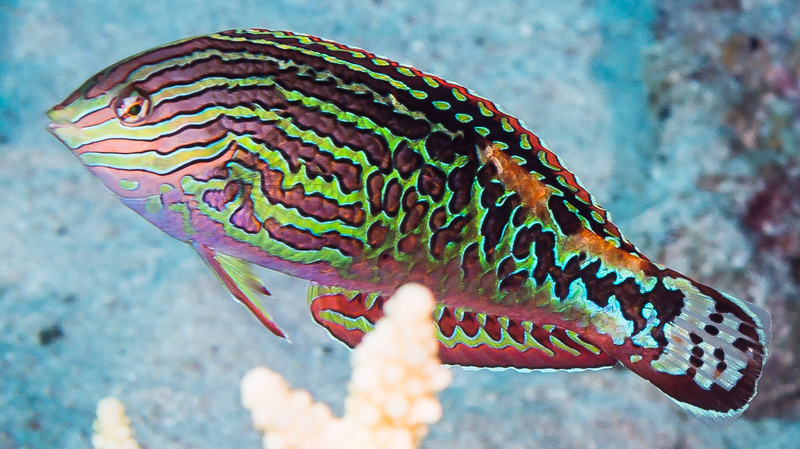
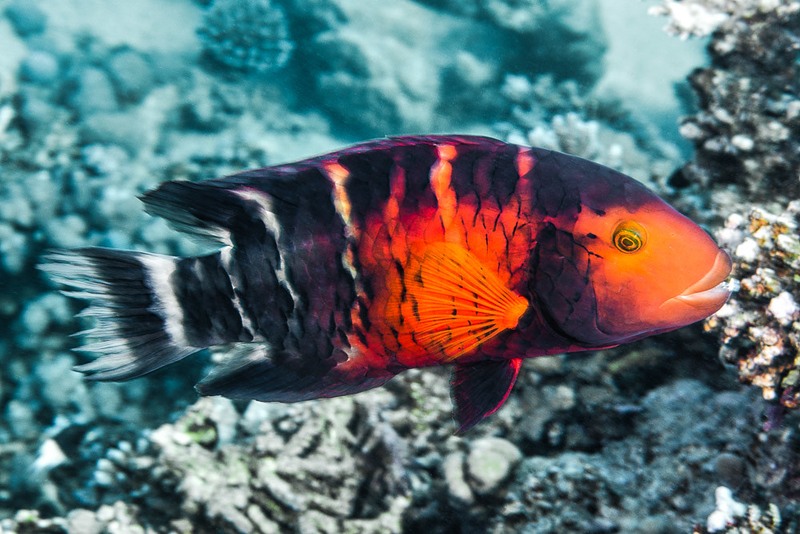
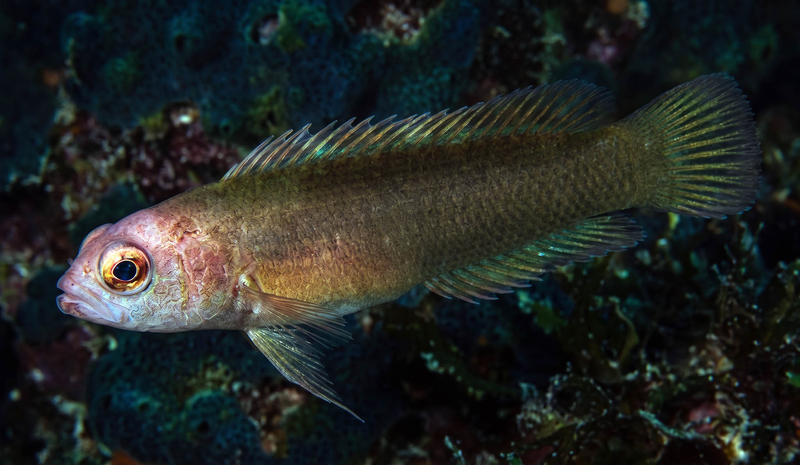
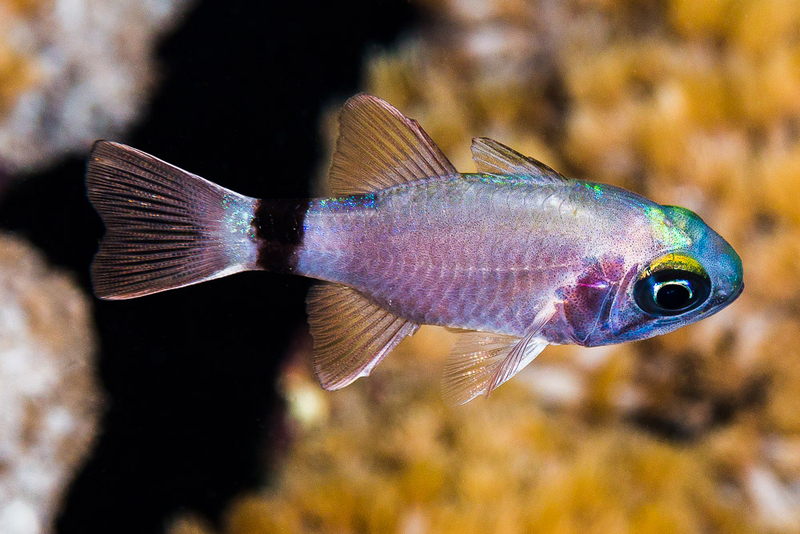
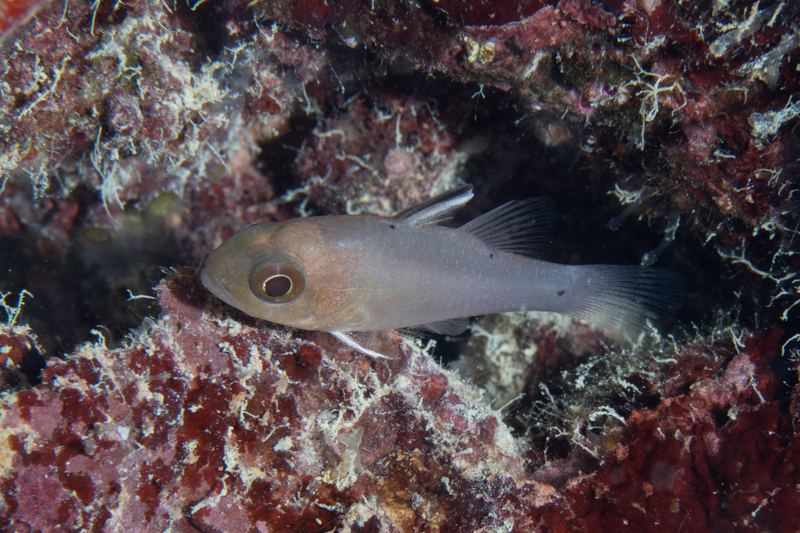
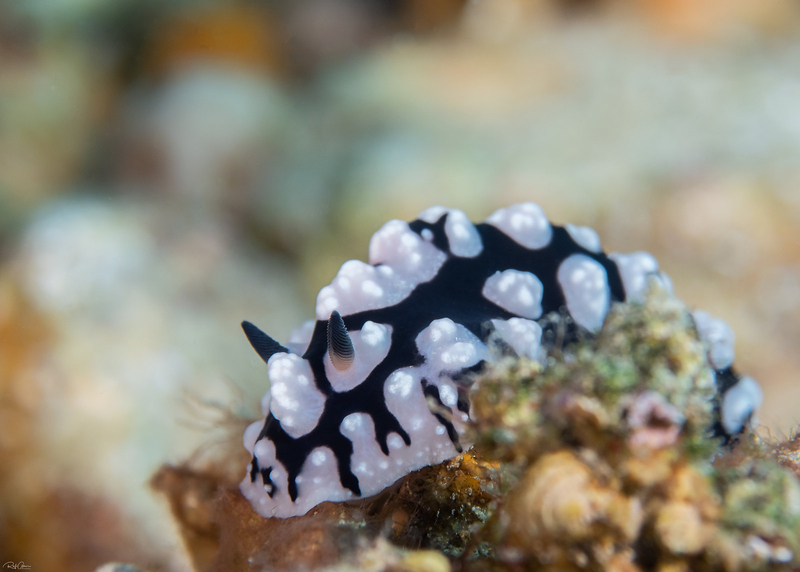
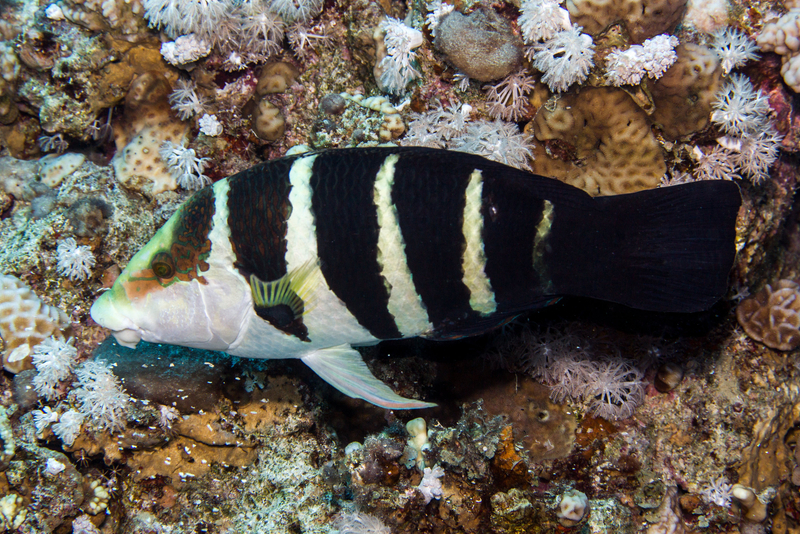
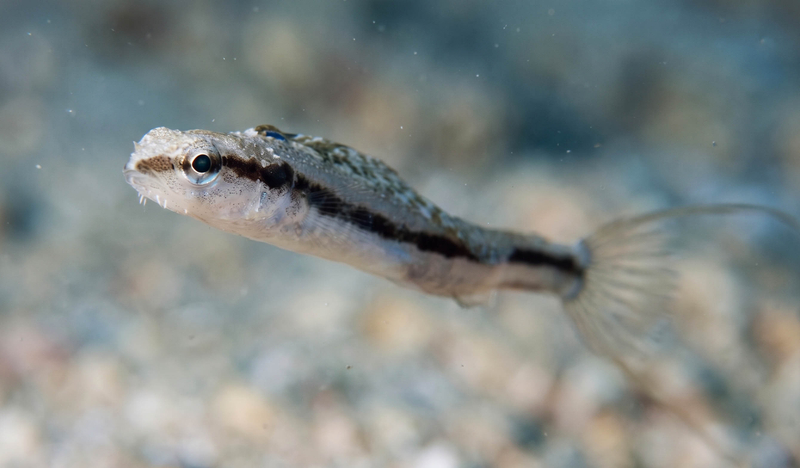
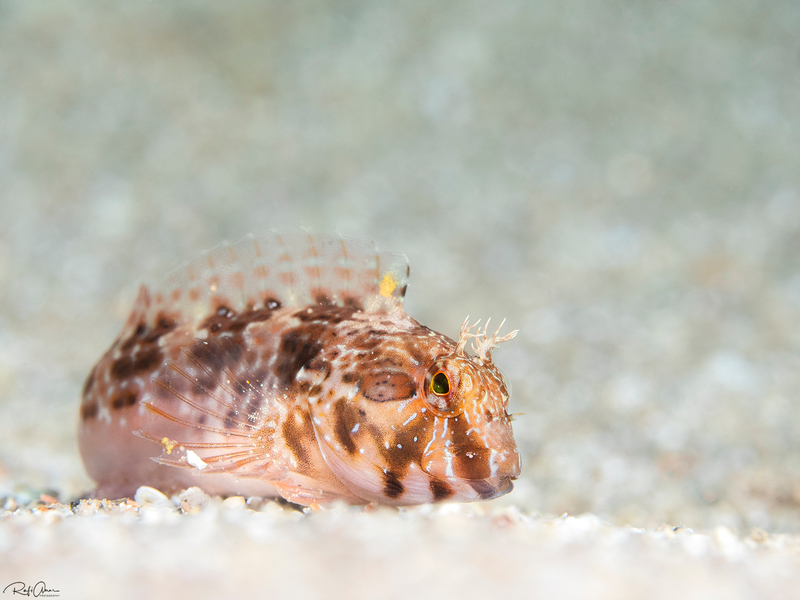
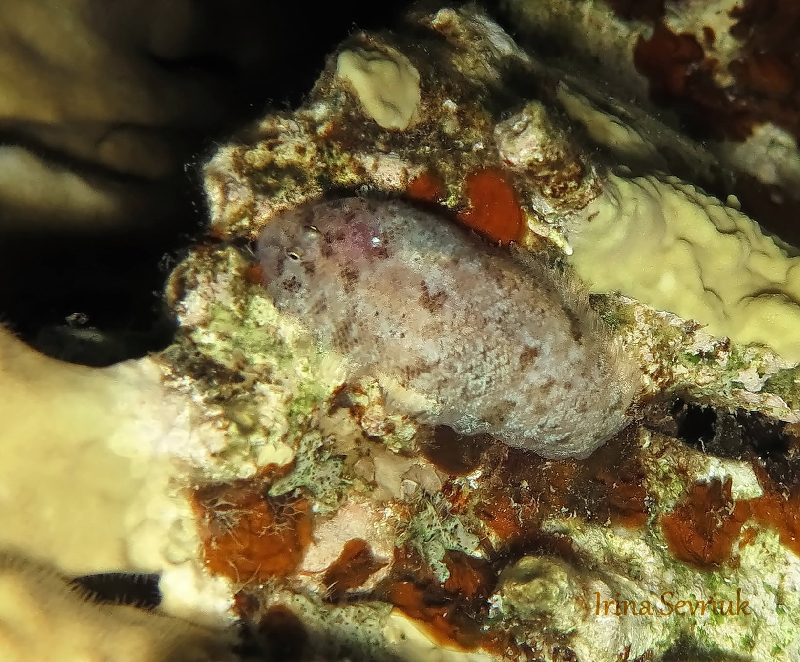
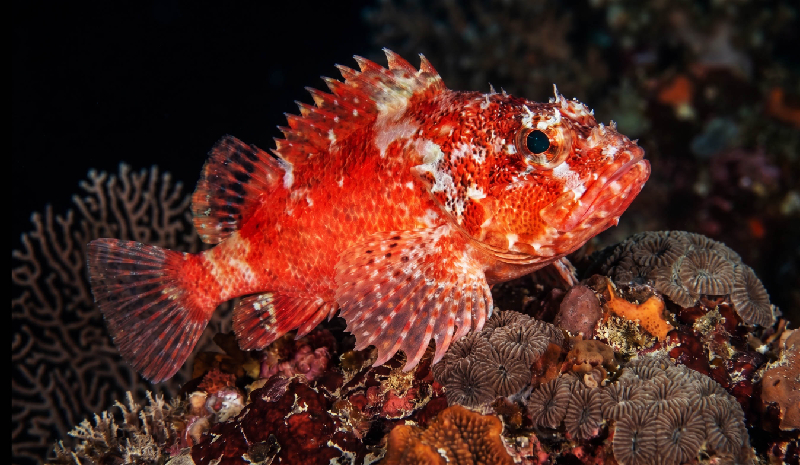
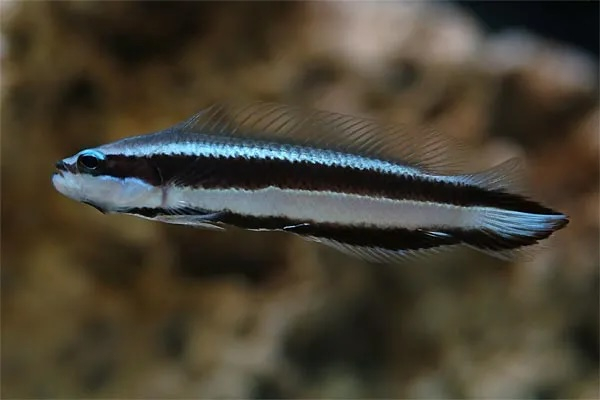
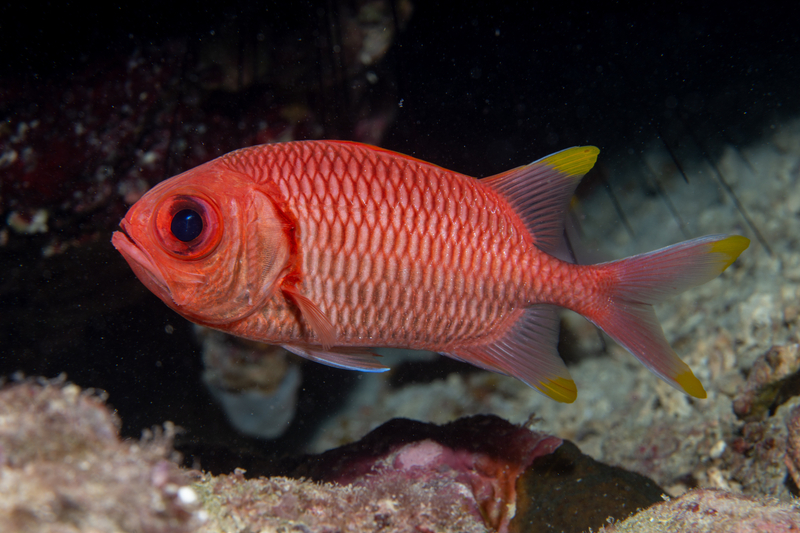
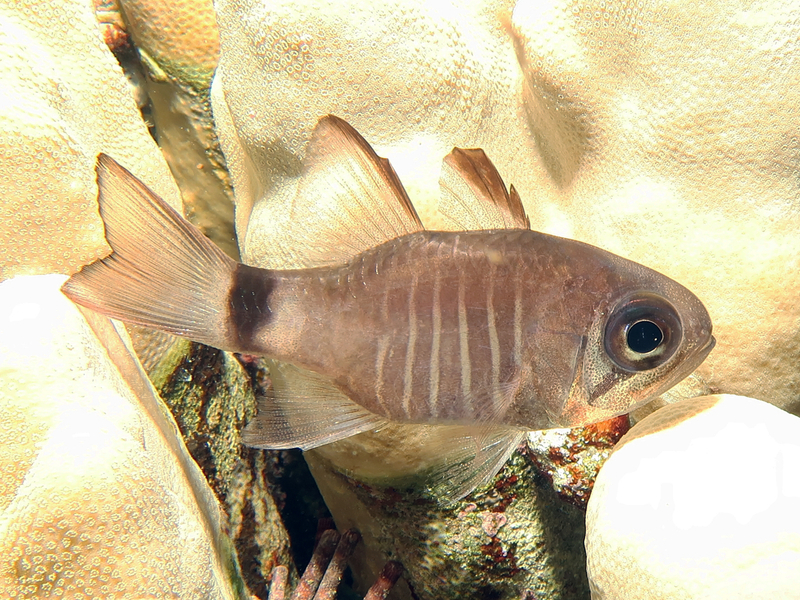
A species is endemic when it is found in one place and nowhere else on Earth. The Red Sea is one of the most remarkable hotspots of marine endemism on the planet: depending on the group, somewhere between 10% and 15% of its fish species - and an even higher share among some invertebrates - occur only here, in the Red Sea and its two northern arms, the Gulf of Aqaba and the Gulf of Aden.
This extraordinary uniqueness is a product of isolation. The Red Sea is a long, narrow, semi-enclosed sea connected to the wider Indian Ocean only through the shallow, narrow Strait of Bab-el-Mandeb in the south. During past ice ages, falling sea levels nearly sealed that connection entirely, leaving the basin cut off for long stretches of time. Combined with unusually warm water and high salinity - conditions few open-ocean species can tolerate - this isolation set the stage for life here to evolve along its own path, producing fish, corals, molluscs and crustaceans seen nowhere else.
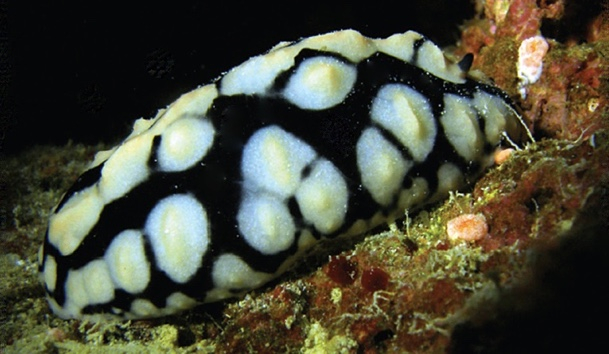
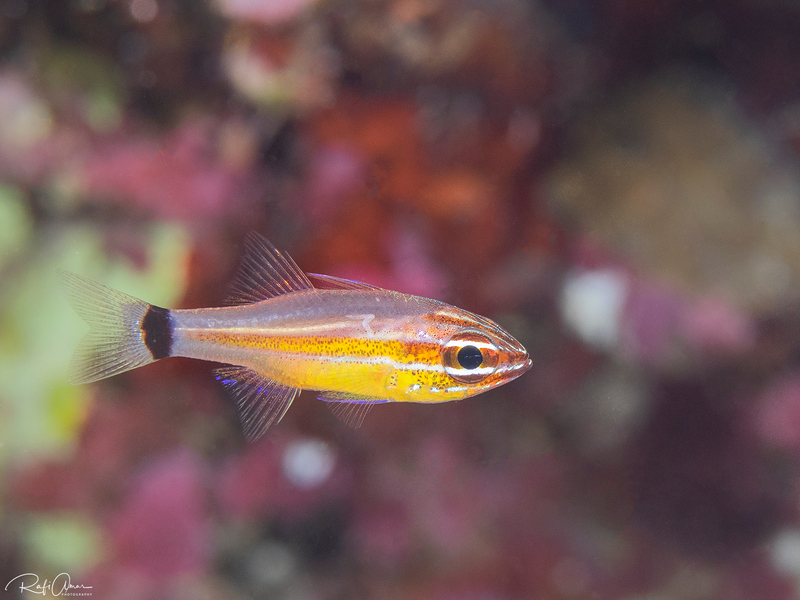
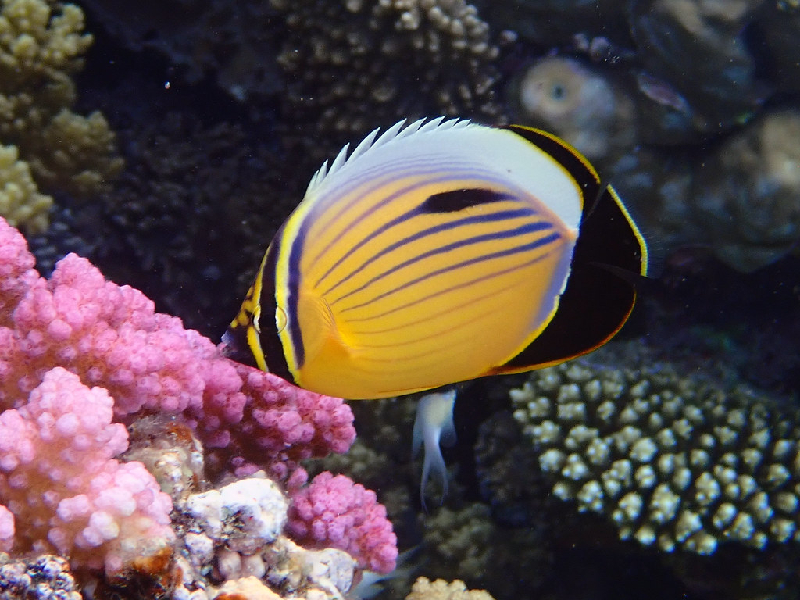
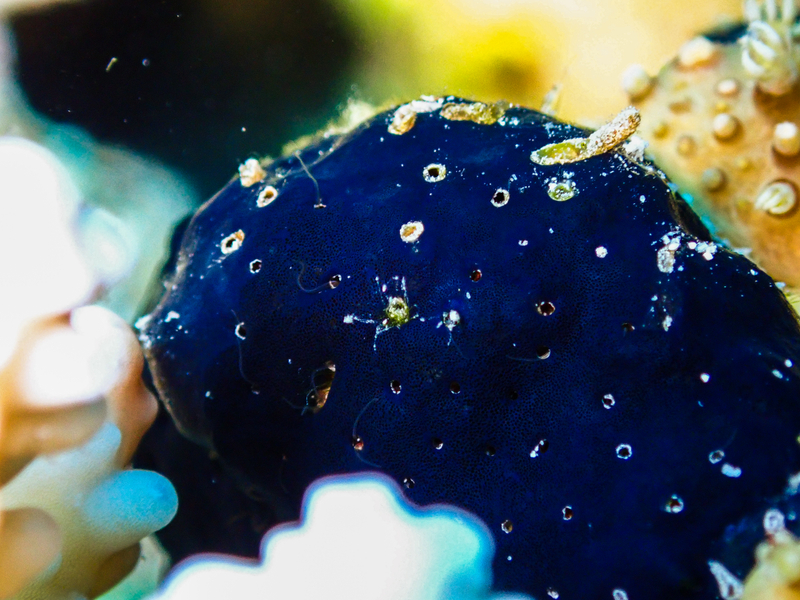
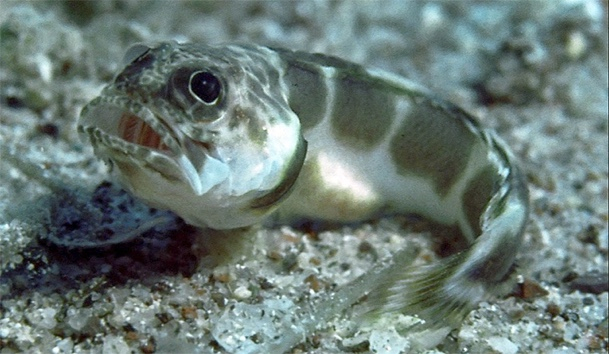
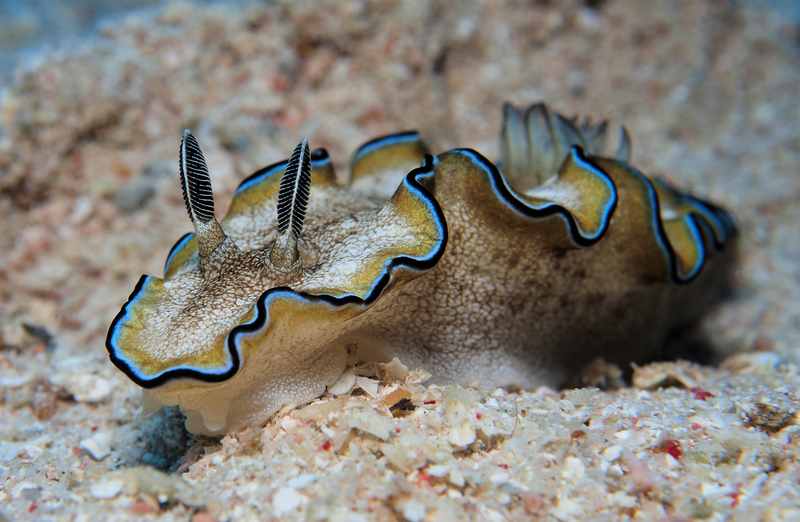
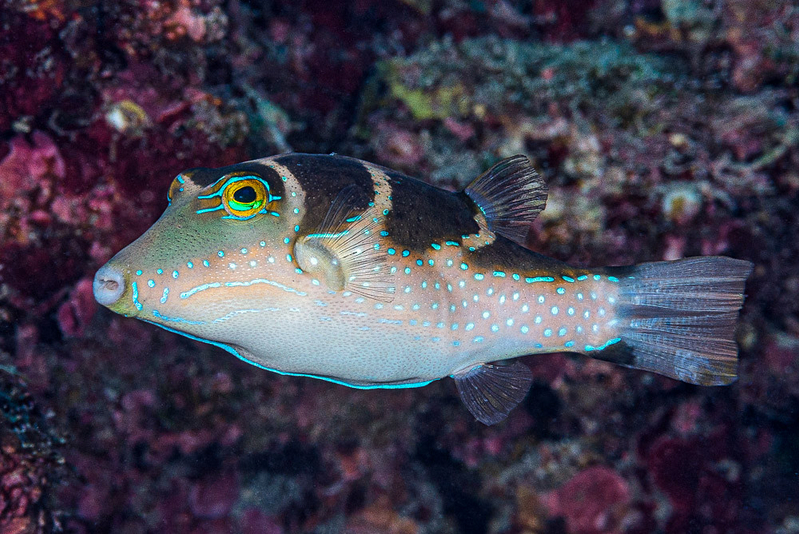
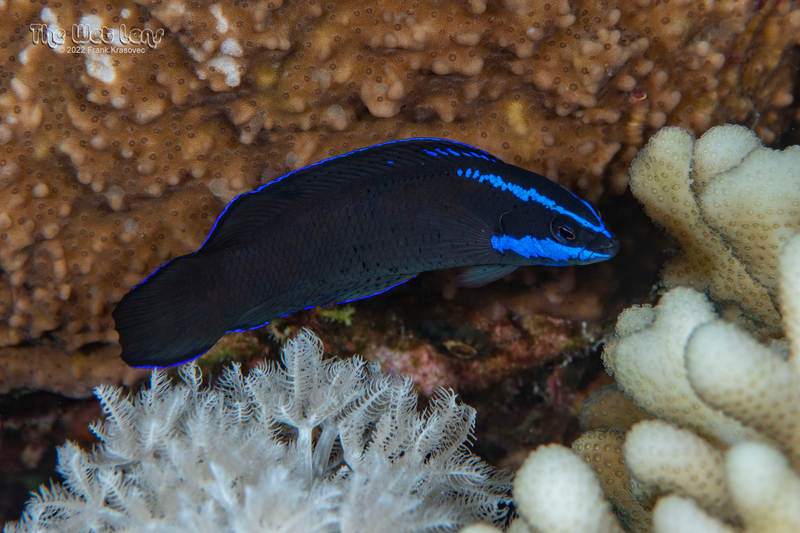
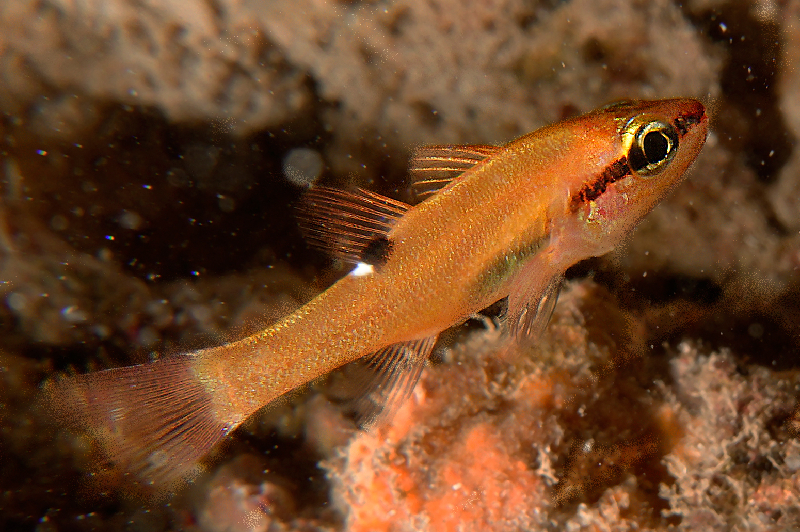
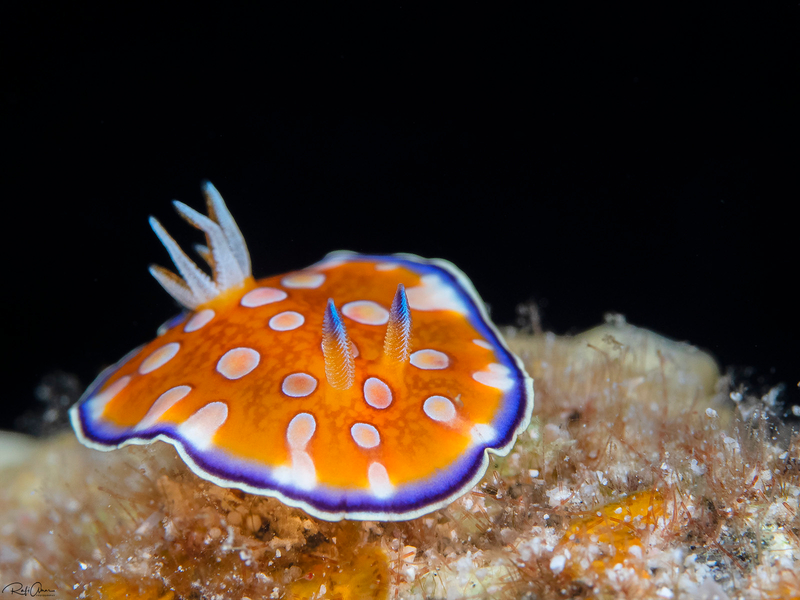
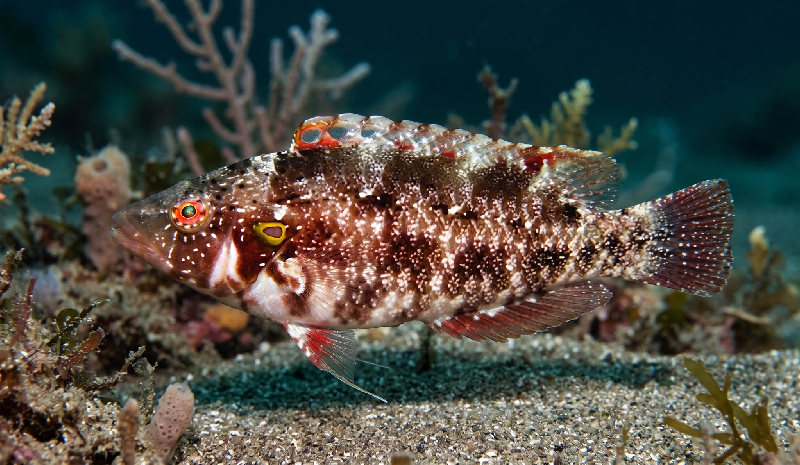
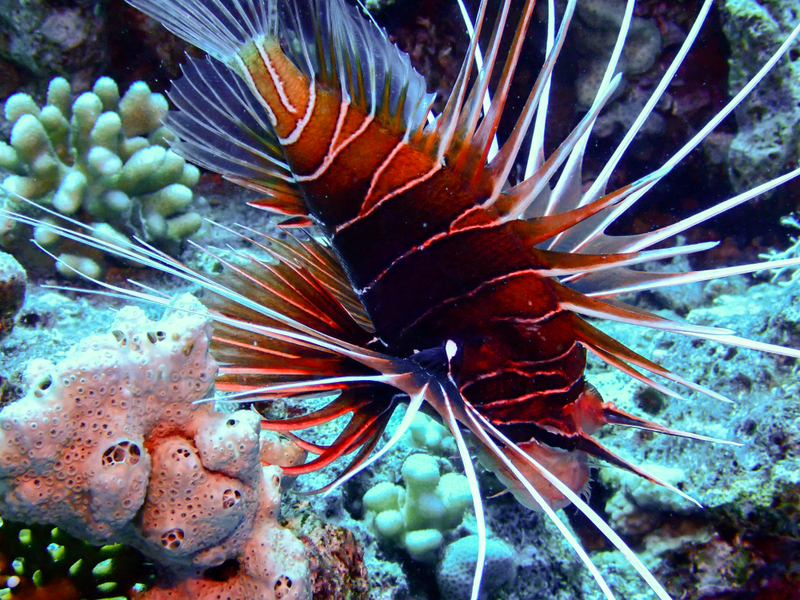
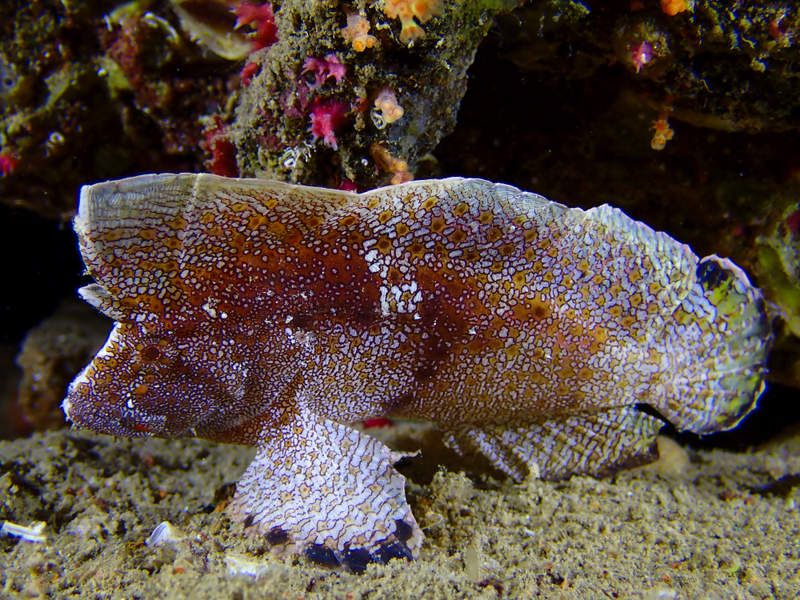
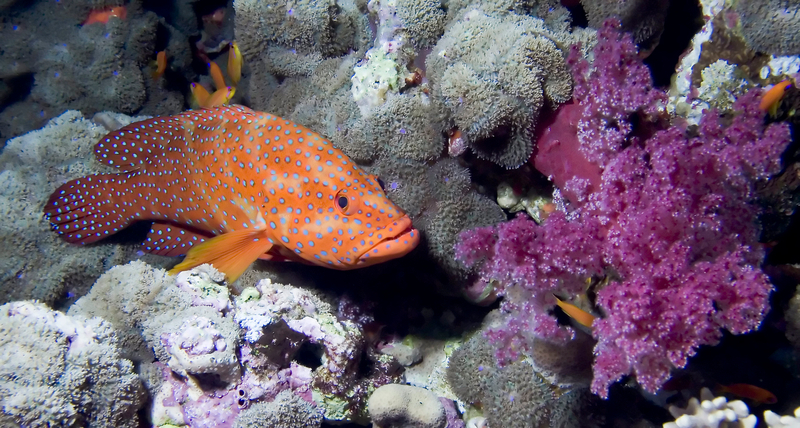
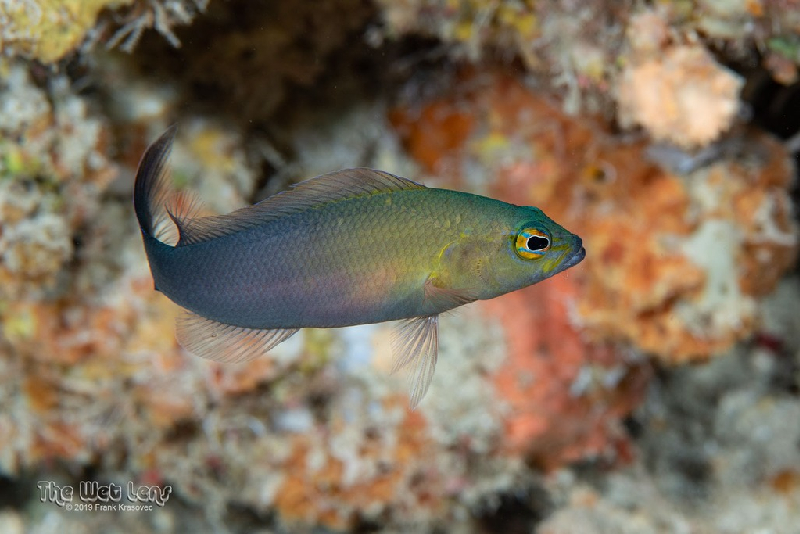
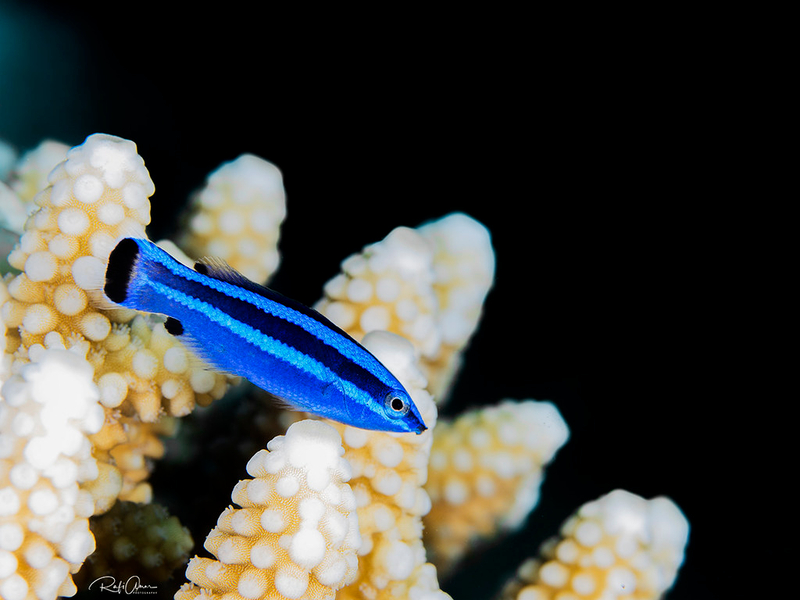
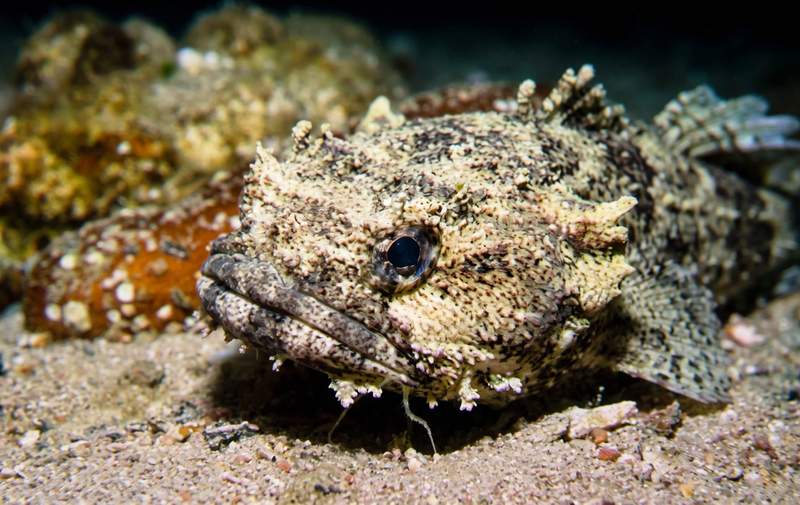
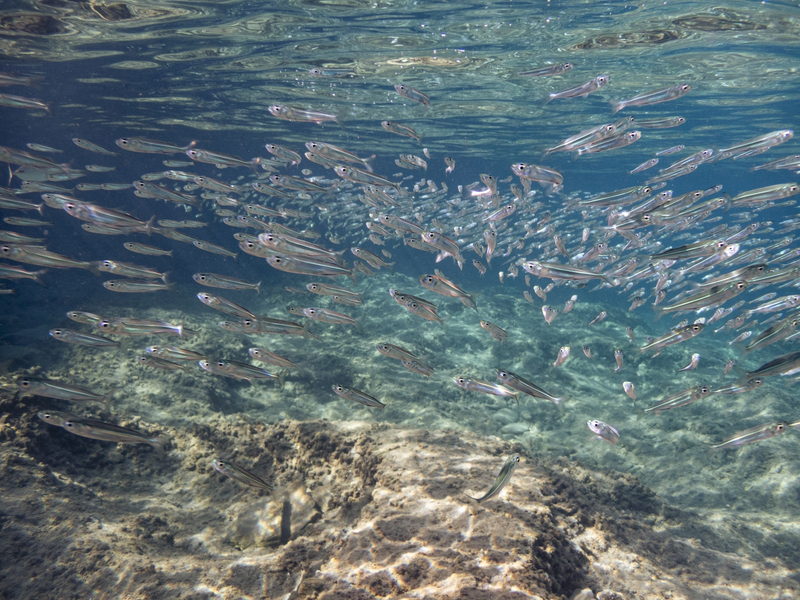
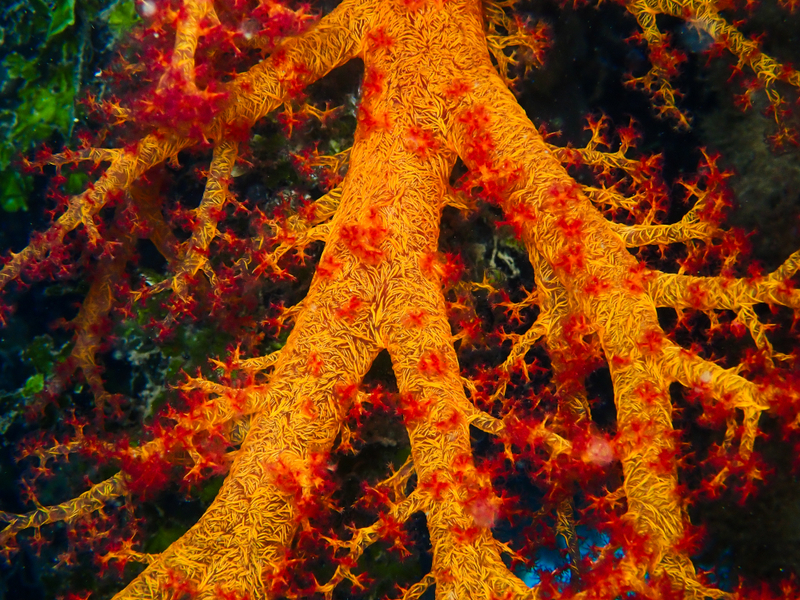
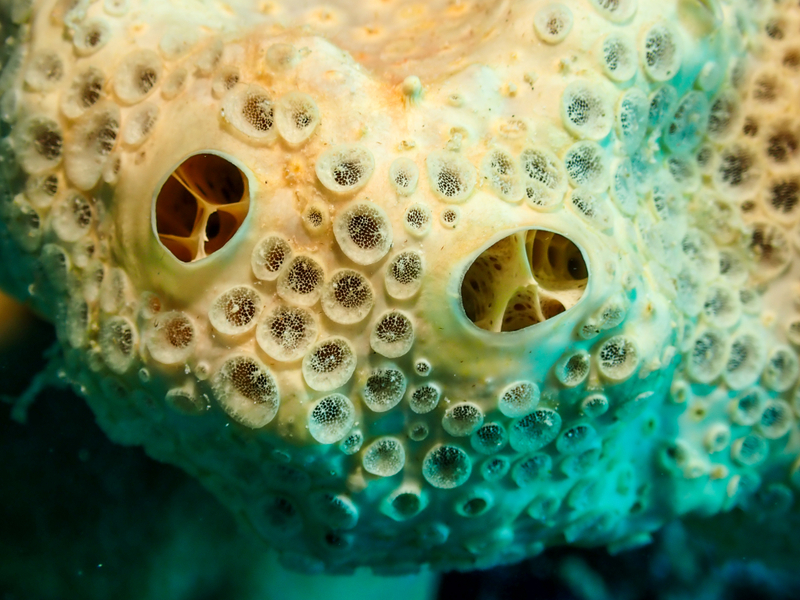
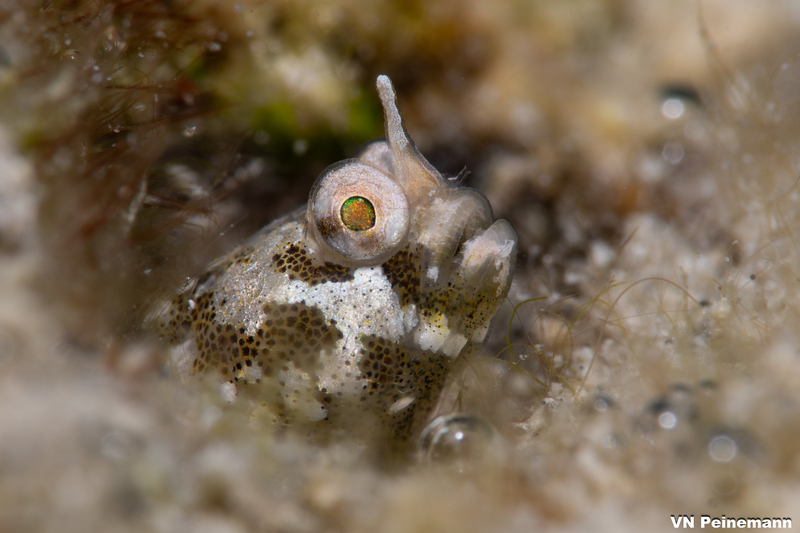
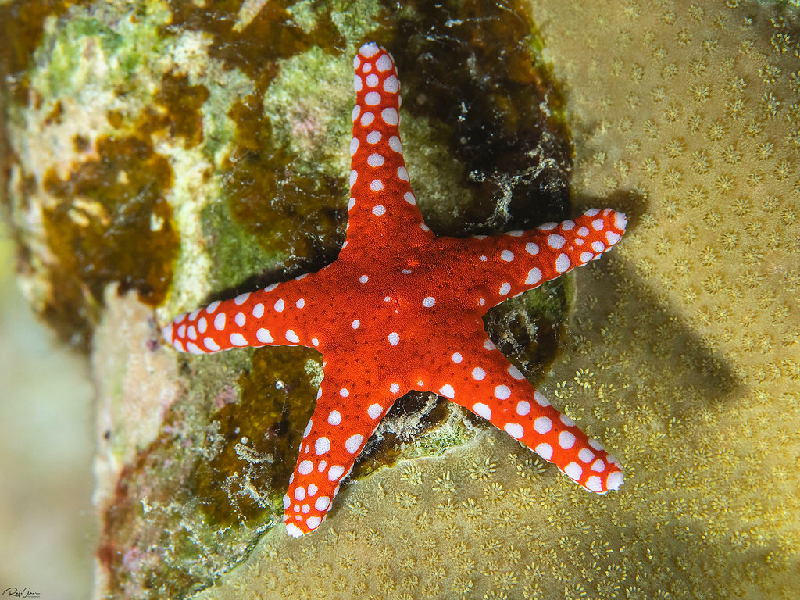
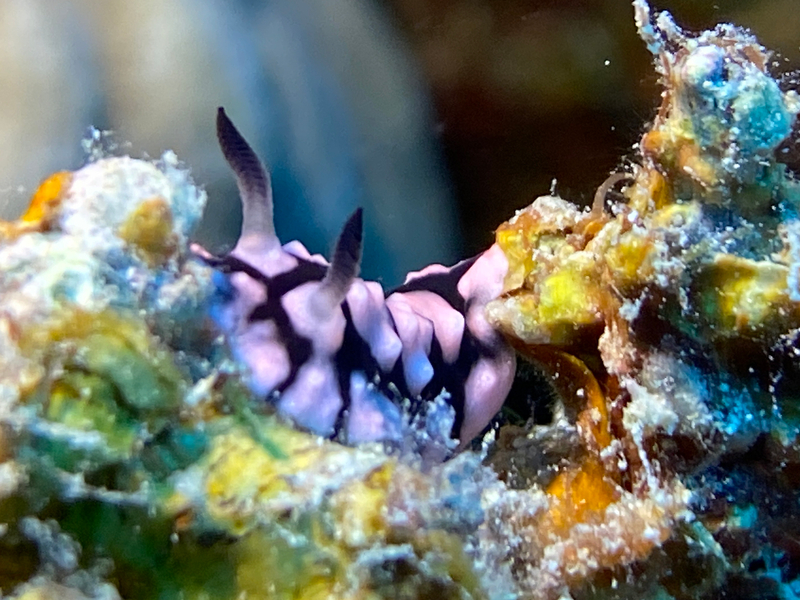
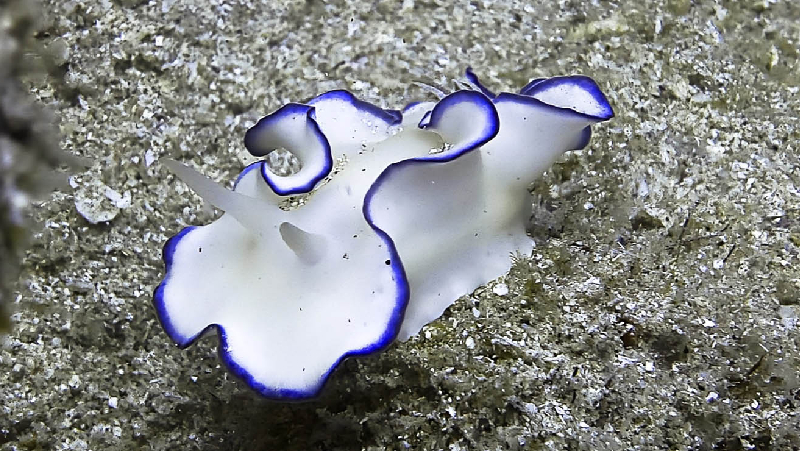
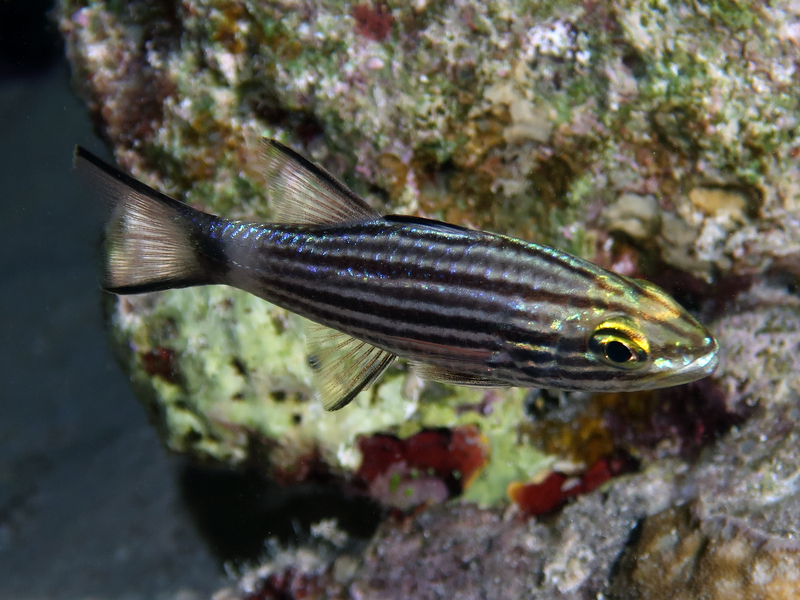
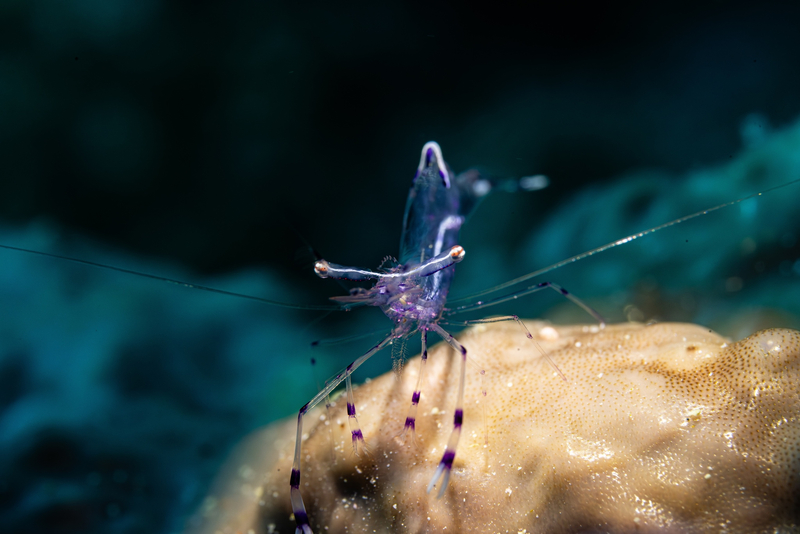
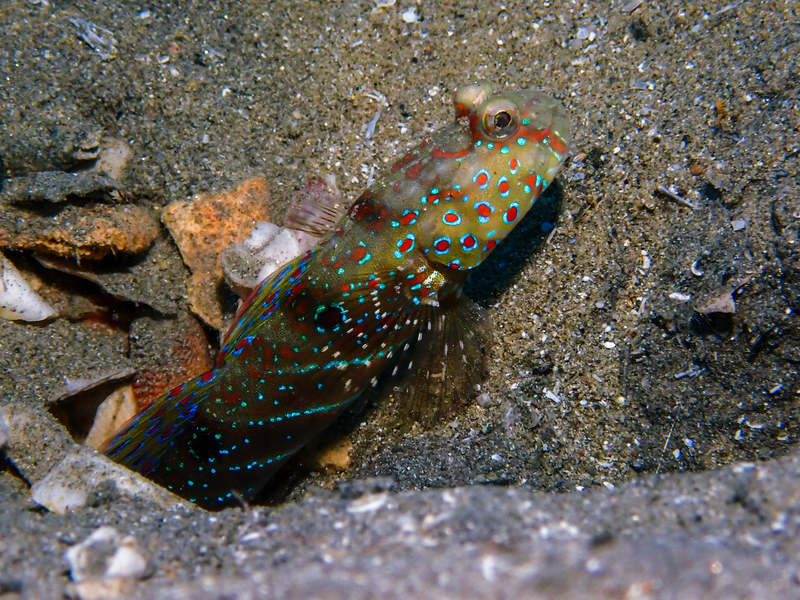
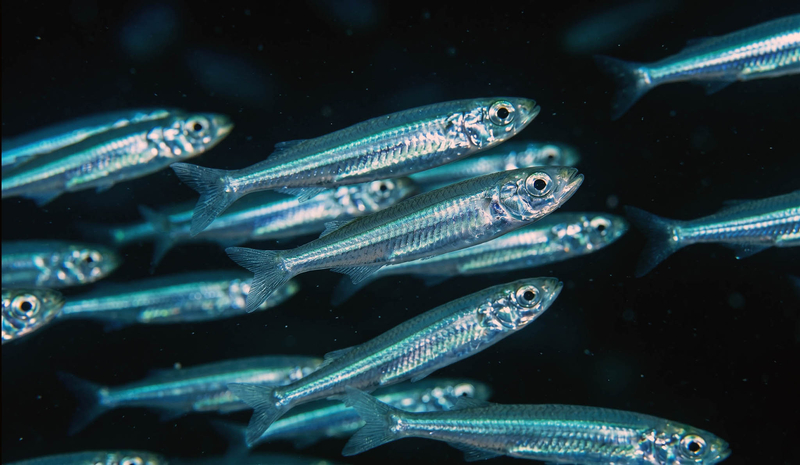
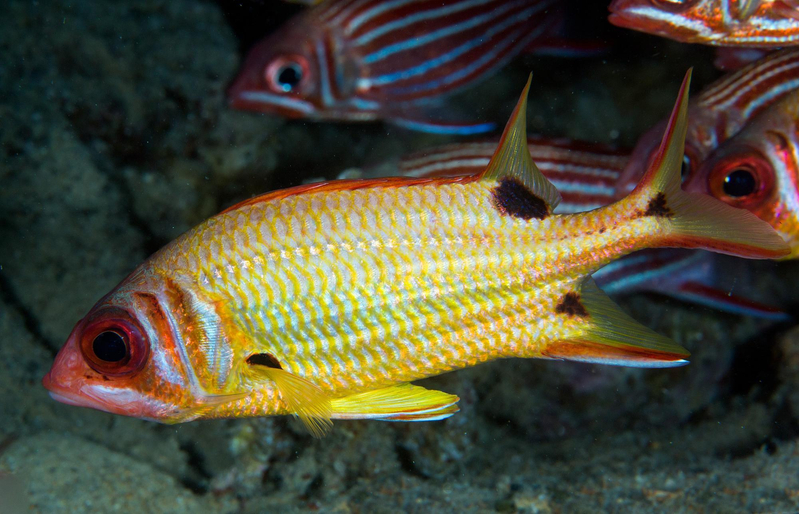
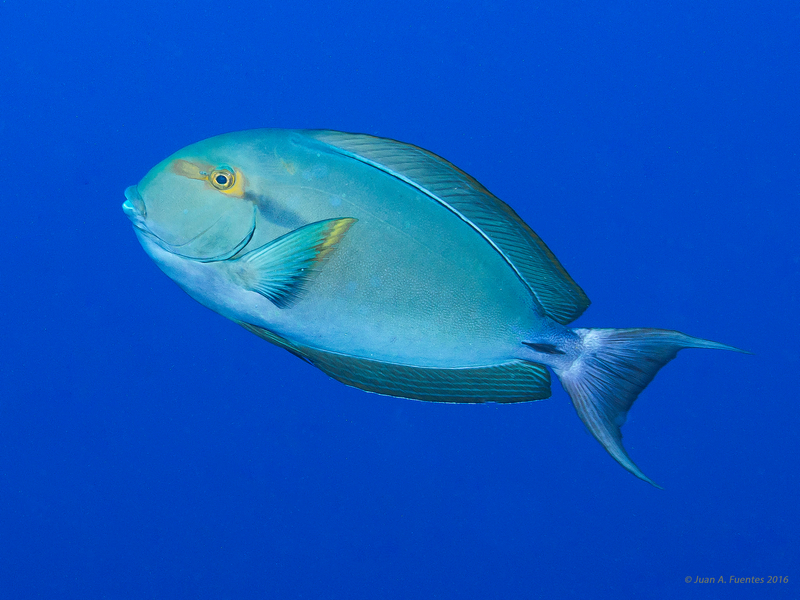
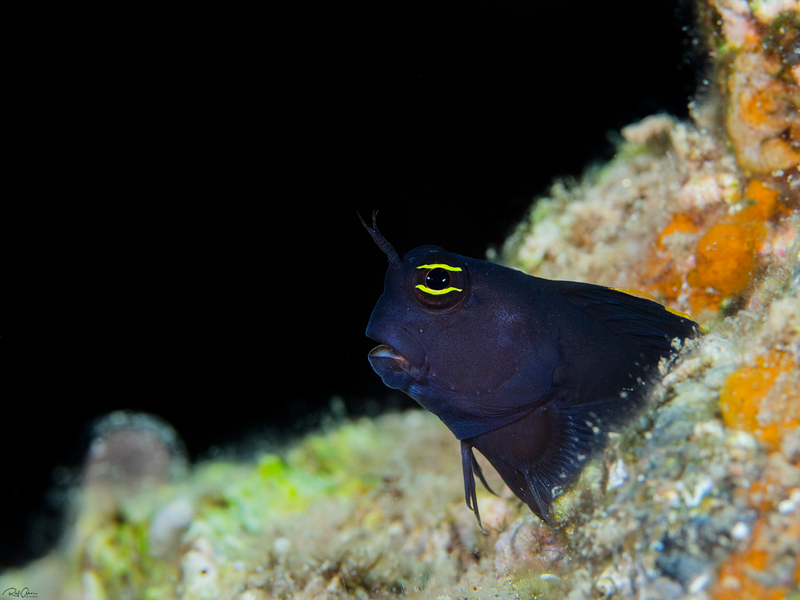
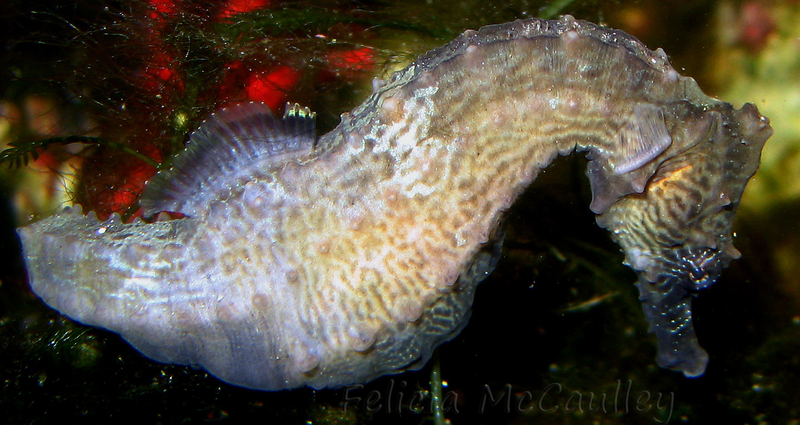
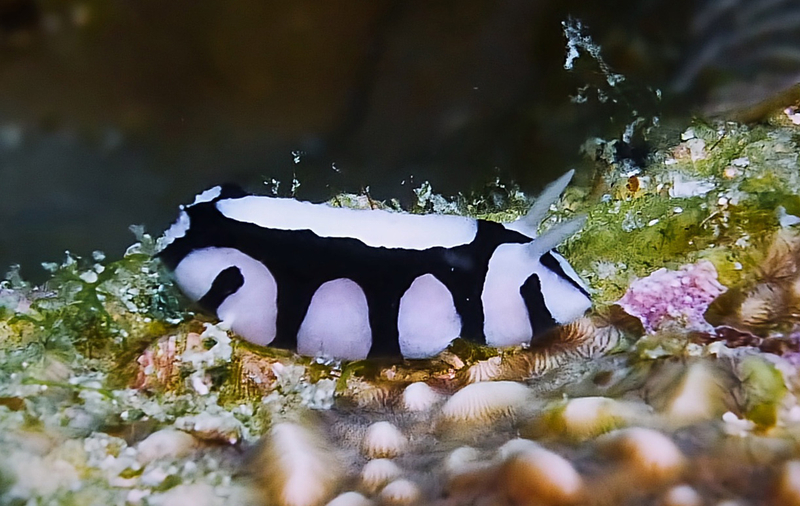
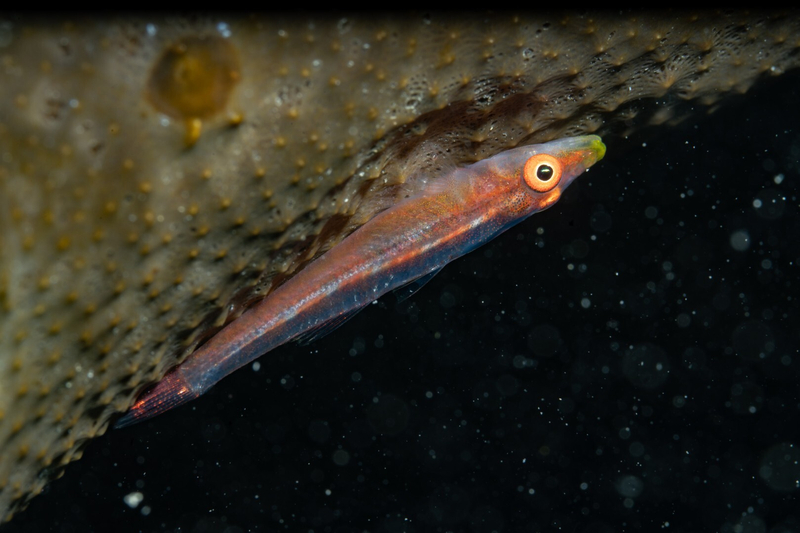
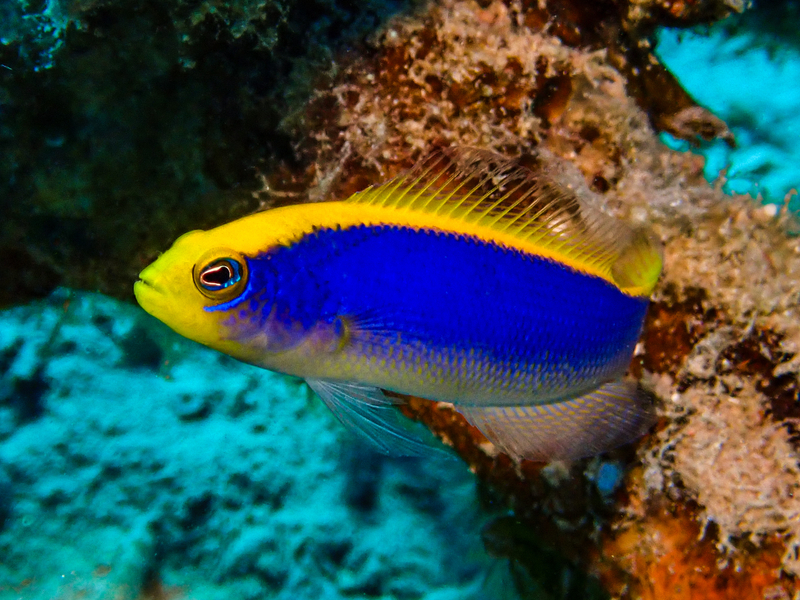
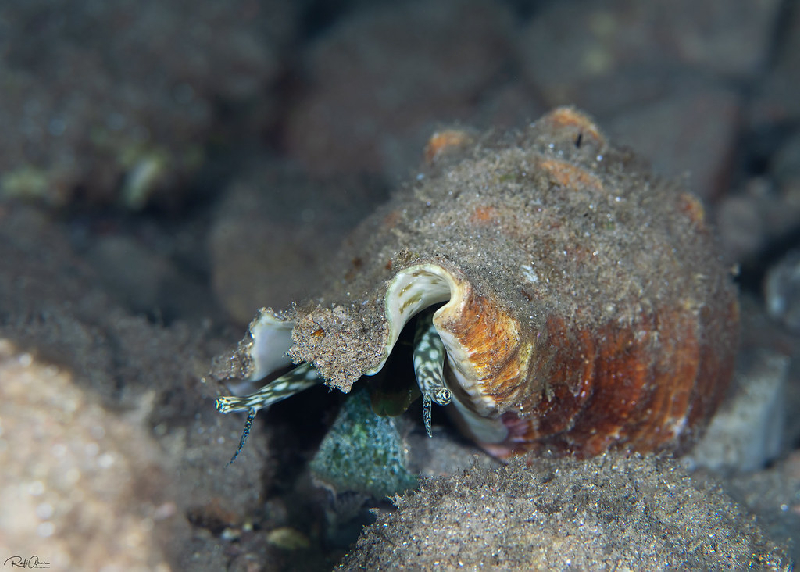
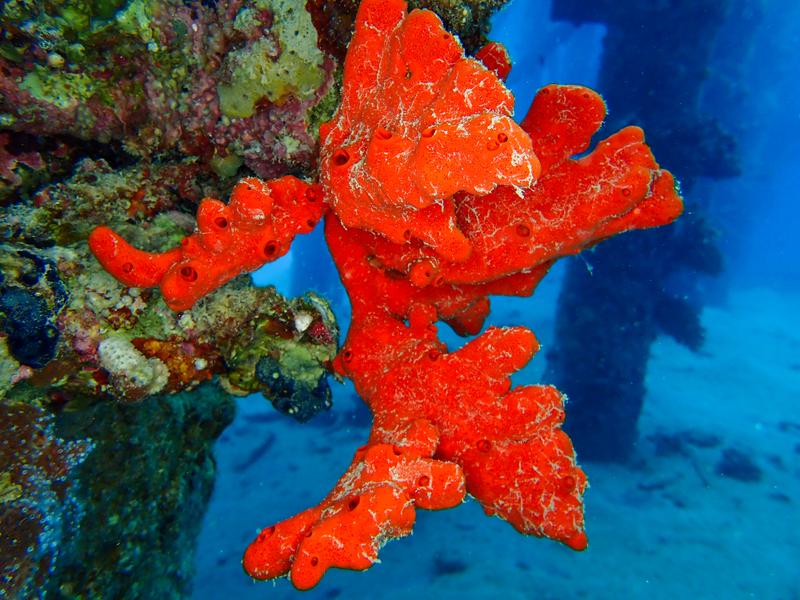
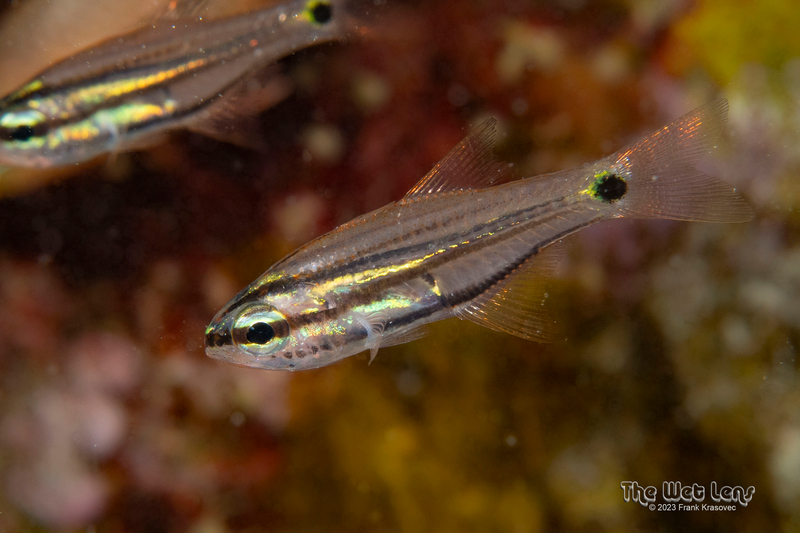
That makes Red Sea endemics both a wonder and a responsibility. A species confined to a single sea has nowhere to retreat to: pressures like coastal development, warming water and reef degradation put its entire global population at risk at once. The creatures below are part of what makes the Red Sea irreplaceable - each one a small piece of natural history that exists only here.