Red Sea Sand-diver
Red Sea Sand-diver
Red Sea Sand-diver
Red Sea Sand-diver
Red Sea Sand-diver
Red Sea Sand-diver
Red Sea Sand-diver
Fishes · Bony fishes · Sanddiver

Red Sea Sand-diver

Trichonotus nikii Clark & von Schmidt, 1966
syn. Trichonotops multistriatus, Trichonotus niki
11.4 cm<26 mLeast Concern
1016

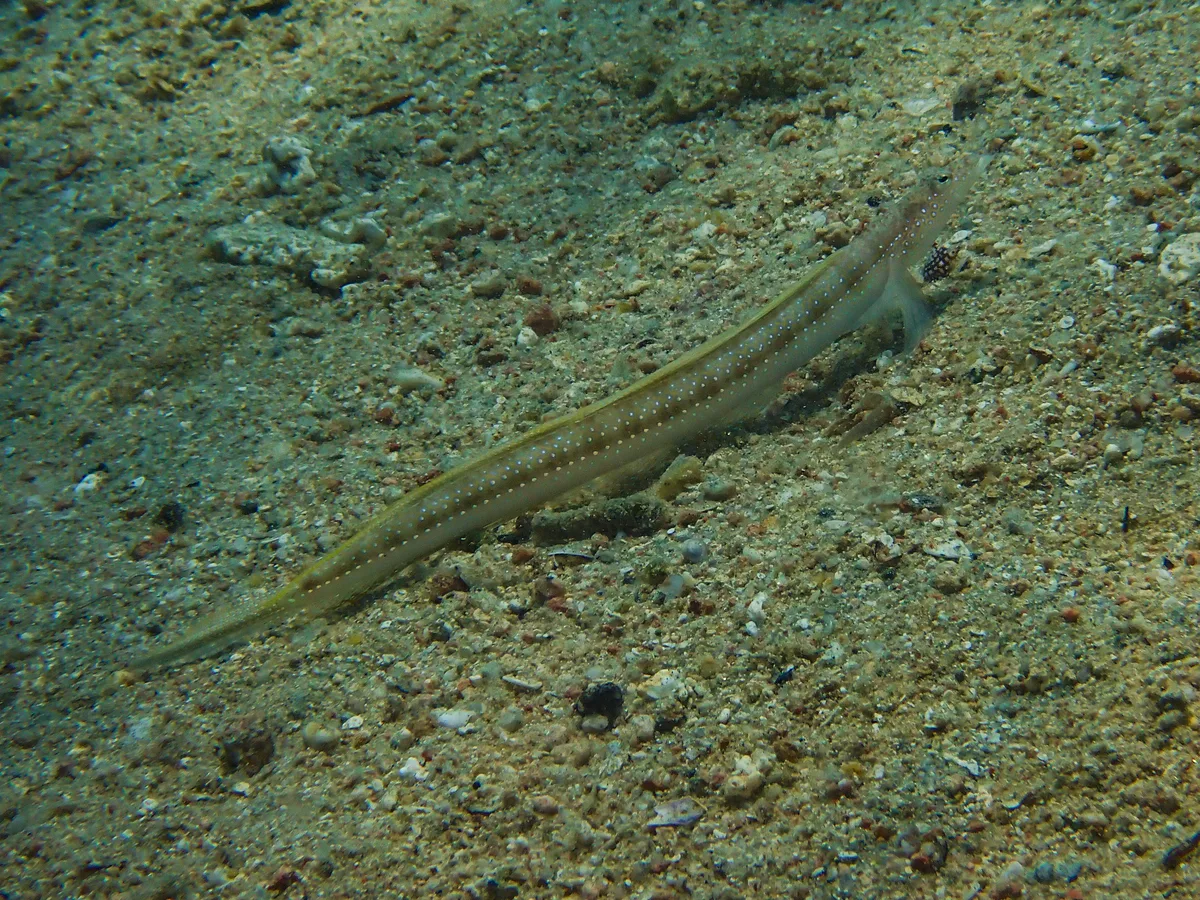
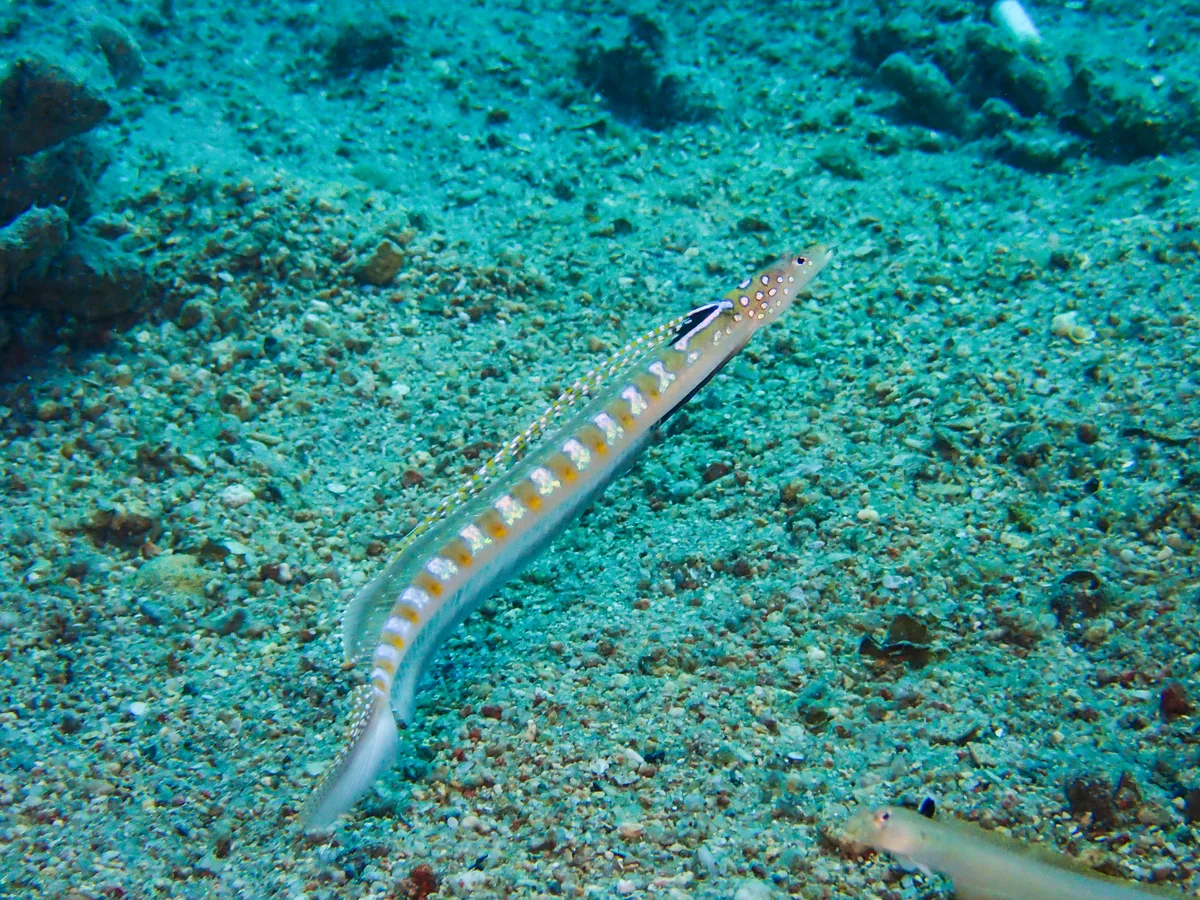
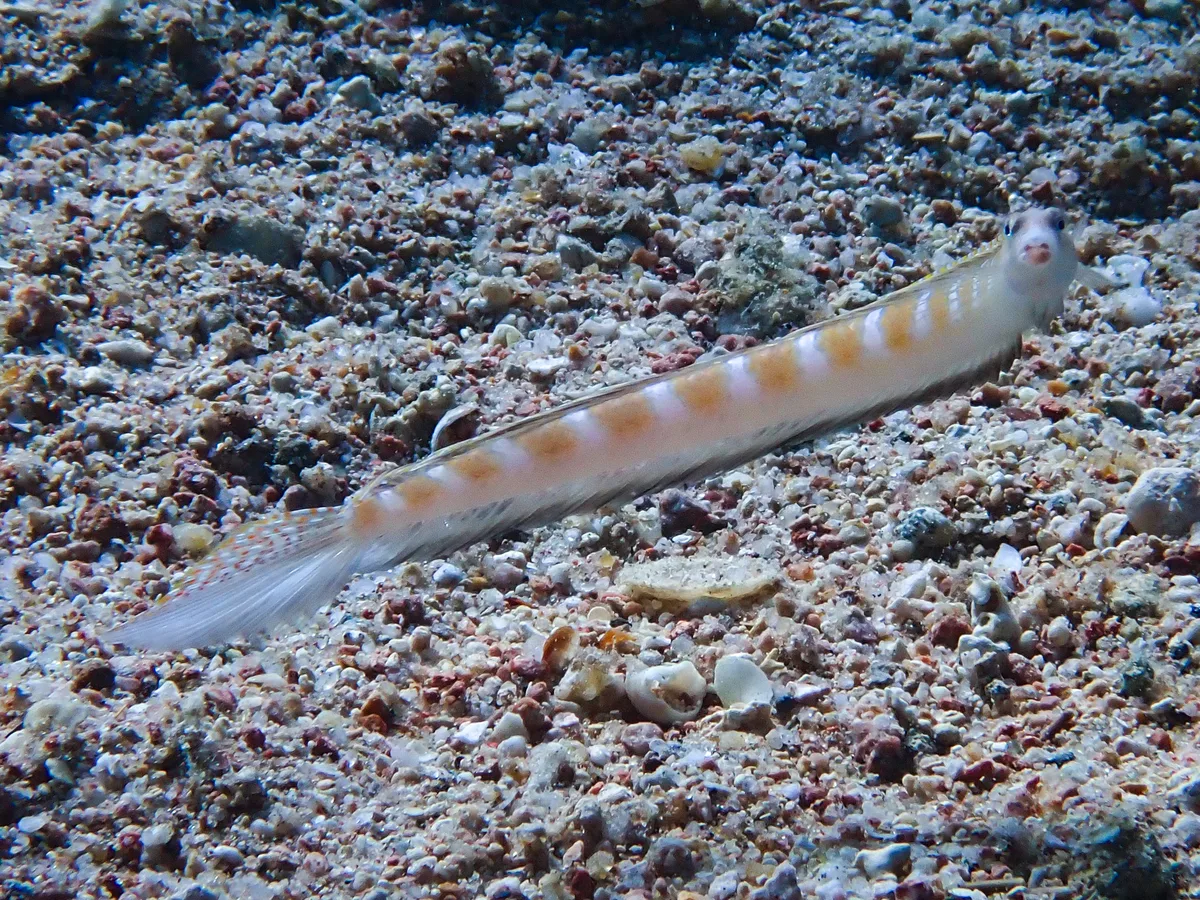
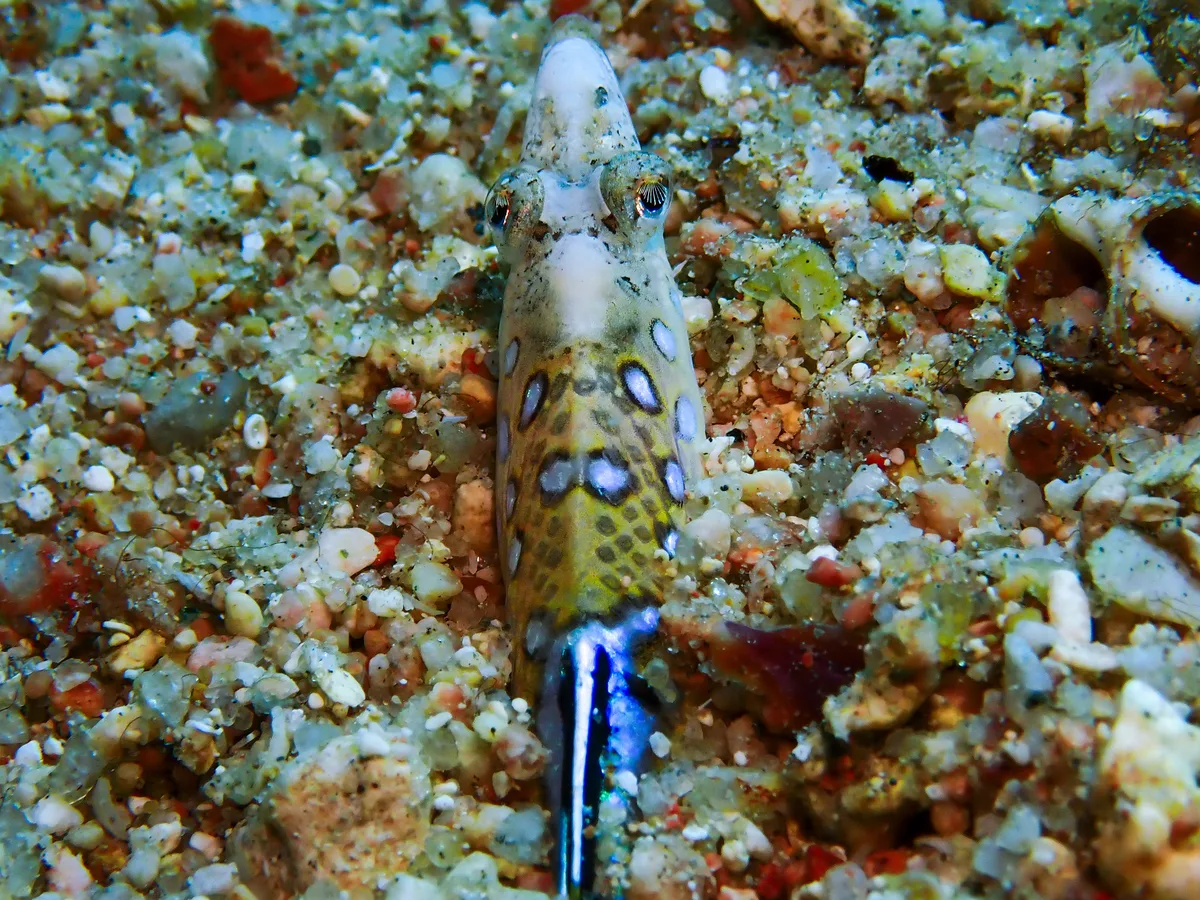
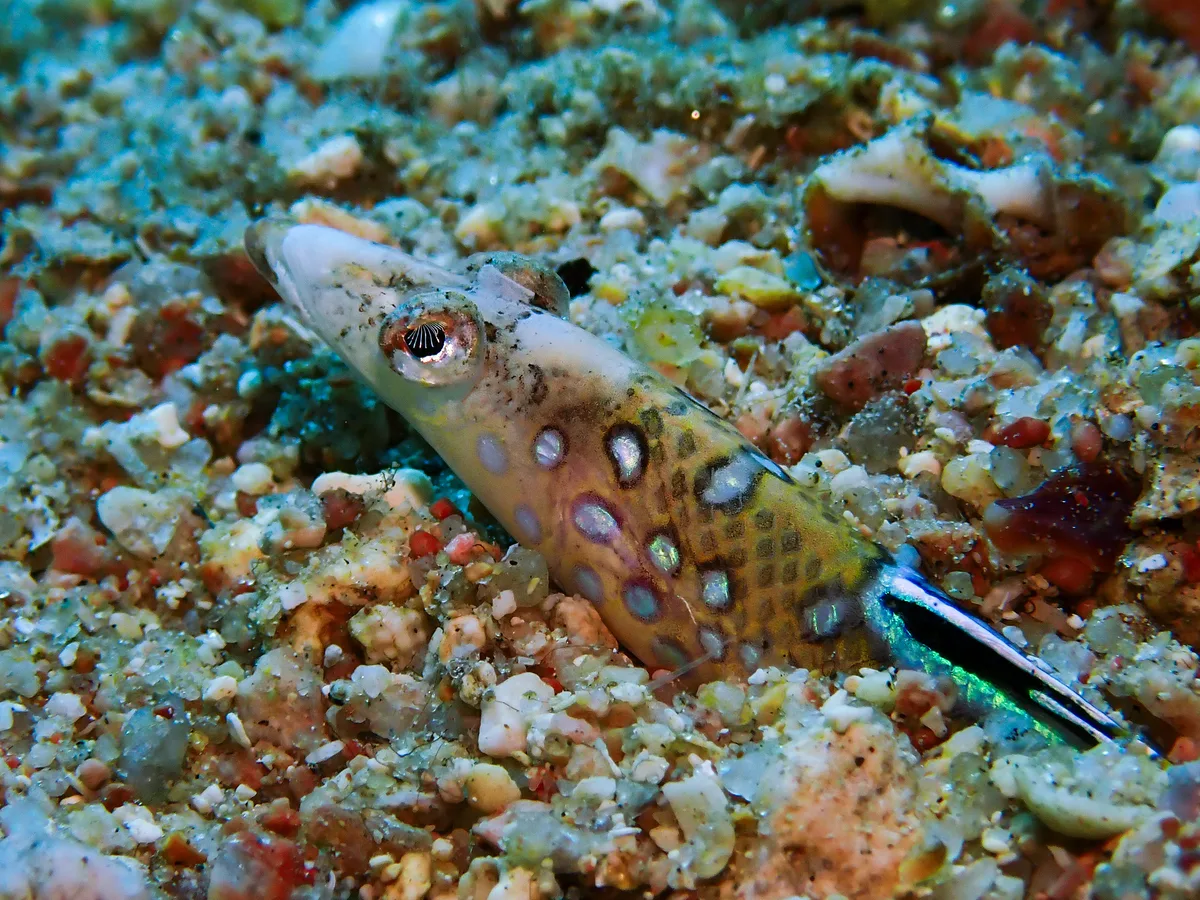
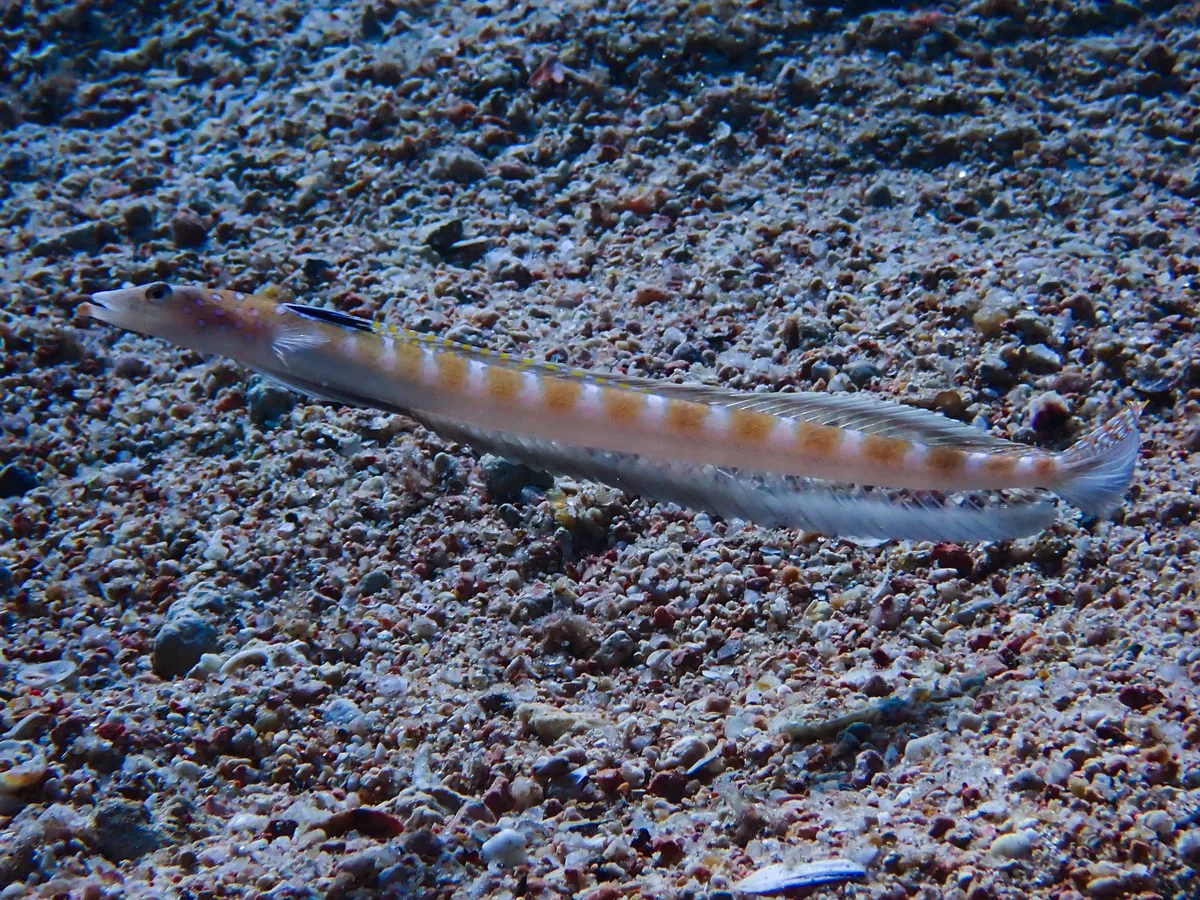
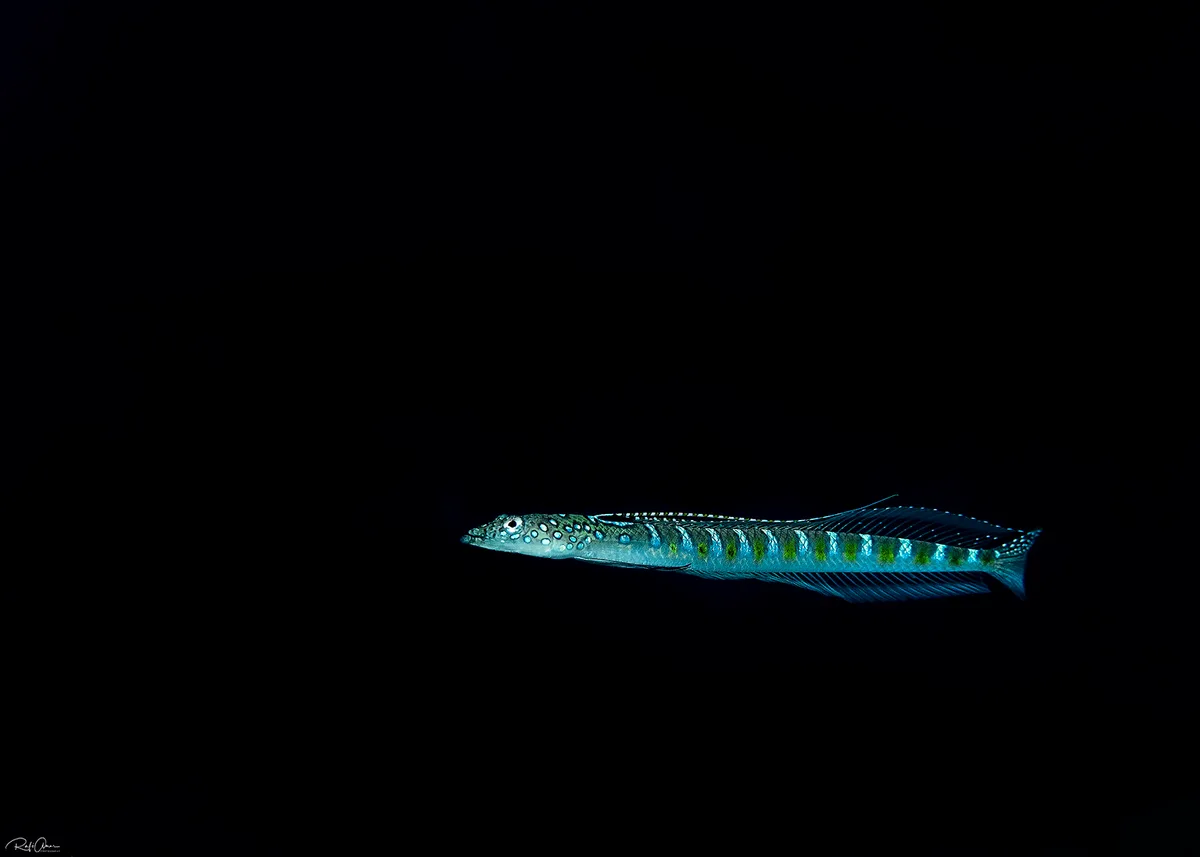
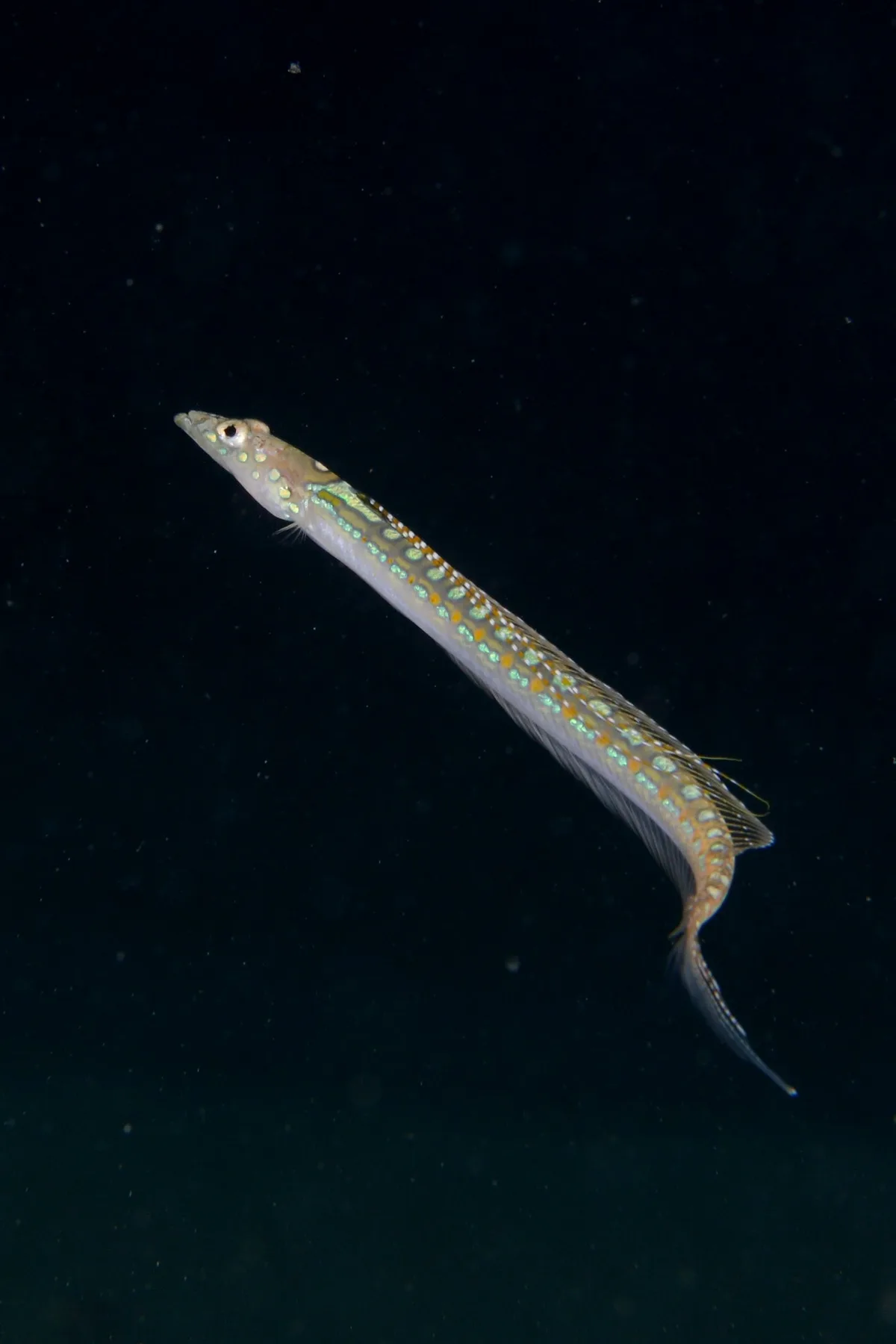
The Red Sea Sand-diver (Trichonotus nikii) is a small and colorful fish species found in the 🌊 Red Sea. It is commonly known for its unique ability to "dive" into the sandy bottom of the sea, disappearing from sight in a matter of seconds.

The Red Sea Sand-diver has an elongated body, reaching an average length of about 10 centimeters. Its body is predominantly yellow, with distinct vertical white stripes running along the length of its body. A prominent blue stripe is also present along its dorsal fin, adding to its vibrant appearance.

One of the most fascinating aspects of the Red Sea Sand-diver is its remarkable adaptation for blending into its sandy surroundings. Its pectoral fins are modified to resemble shovel-like structures, providing it with the ability to burrow itself into the sand. This allows the fish to camouflage and evade predators, as well as ambush prey.

The behavior and hunting techniques of the Red Sea Sand-diver are equally fascinating. When hunting for food, it remains motionless on the sandy substrate, with only its eyes and tail slightly visible above the surface. It patiently waits for small invertebrates and crustaceans to approach, then quickly lunges forward to catch its prey.

Despite its small size, the Red Sea Sand-diver is a well-adapted predator in its environment. Its diet mainly consists of small worms, shrimps, and small crustaceans. It plays a vital role in the ecological balance of the 🌊 Red Sea ecosystem.

The Red Sea Sand-diver is commonly found in sandy habitats, particularly near coral reefs and seagrass beds. It prefers shallow depths of up to 30 meters, where it can find ample food sources and suitable substrate for its unique burrowing behavior.

Due to its relatively small size and specialized habitat preference, the Red Sea Sand-diver is not commercially targeted for fishing. However, it is highly sought after by marine enthusiasts and divers for its vibrant coloration and intriguing behavior. Observing this incredible species in its natural habitat adds an element of awe and wonder to any 🌊 Red Sea diving experience.

Why it's threatened

Residential & commercial development
Housing & urban areas · Commercial & industrial areas · Tourism & recreation areas
Transportation & service corridors
Shipping lanes

Pervasive threats in the Gulf of Aqaba include coastal development (Khalaf and Kochzius 2002), shipping activity and associated industrial pollutants (Khalaf and Kochzius 2002, Kteifan et al. 2017, Al-Taani et al. 2020), and tourism development (Badran et al. 2006). The direct impact of these threats on population size, and indirect impacts on habitat quality and availability at depth are not well studied.

Similar threats to marine ichthyofauna are present in the Red Sea main basin. Development of the Red Sea’s coastline is expanding in many areas to accommodate growing local populations and presents a significant risk to coral reefs and reef-associated fishes (Fine et al. 2019, Kleinhaus et al. 2020).

The direct impact of these threats on T. nikii are not well understood.

Threat classification from the IUCN Red List.
Comments

Please, sign in to leave a comment

Continue with a social account — yours will be created automatically.

No comments yet — be the first.

Last Update: June 28, 2026