Red Sea Toby
Red Sea Toby
Red Sea Toby
Red Sea Toby
Red Sea Toby
Red Sea Toby
Red Sea Toby
Red Sea Toby
Red Sea Toby
Red Sea Toby
Red Sea Toby
Red Sea Toby
Red Sea Toby
Poisonous
Fishes · Bony fishes · Puffers

Red Sea Toby

Canthigaster margaritata (Rüppell, 1829)
syn. Canthigaster margaritatus, Tetraodon margaritatus
11.5 cm1-10 mPoisonousLeast Concern
1233

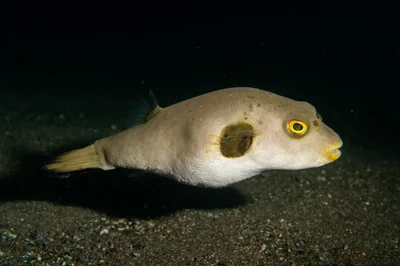
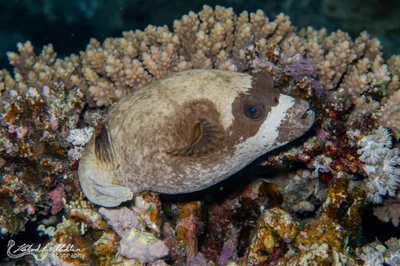
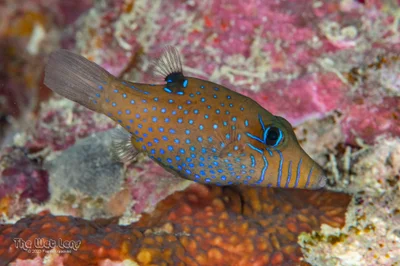
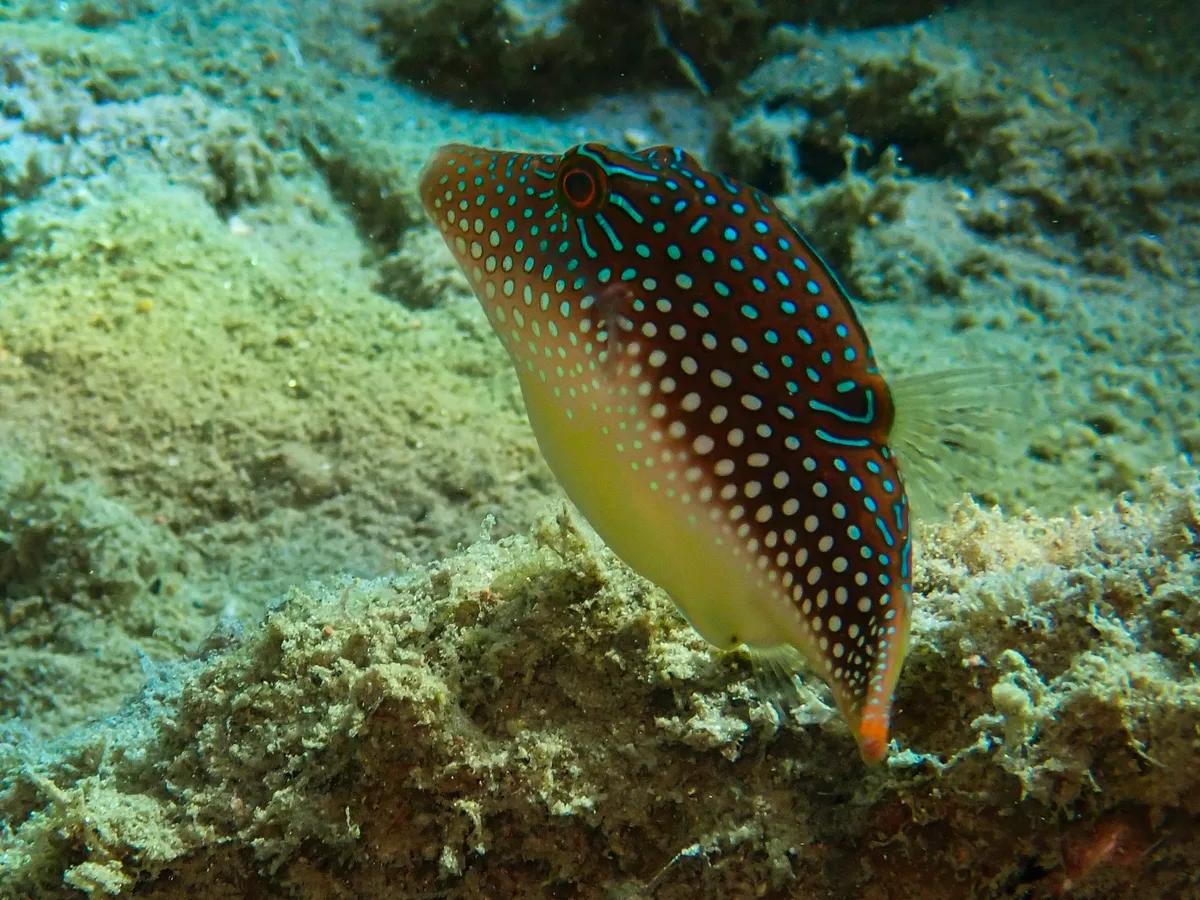
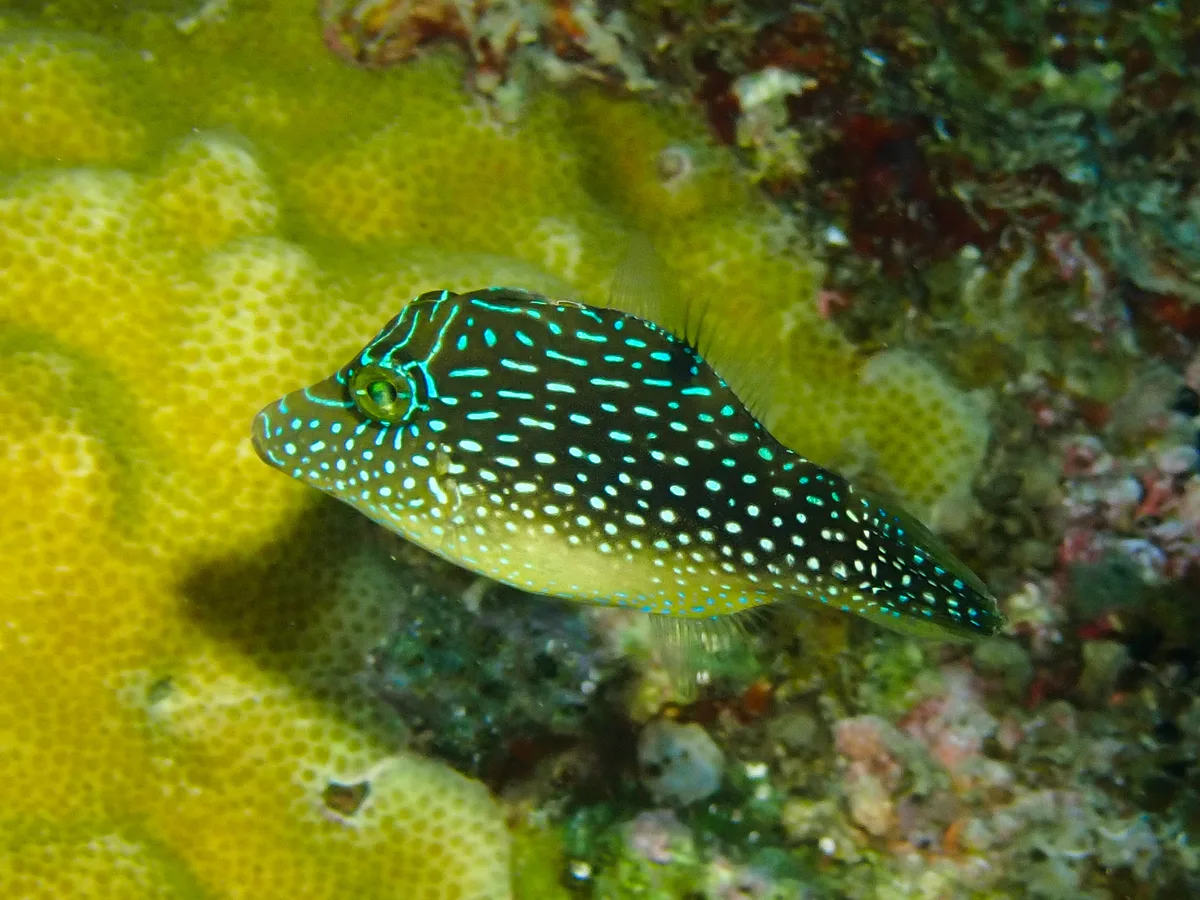
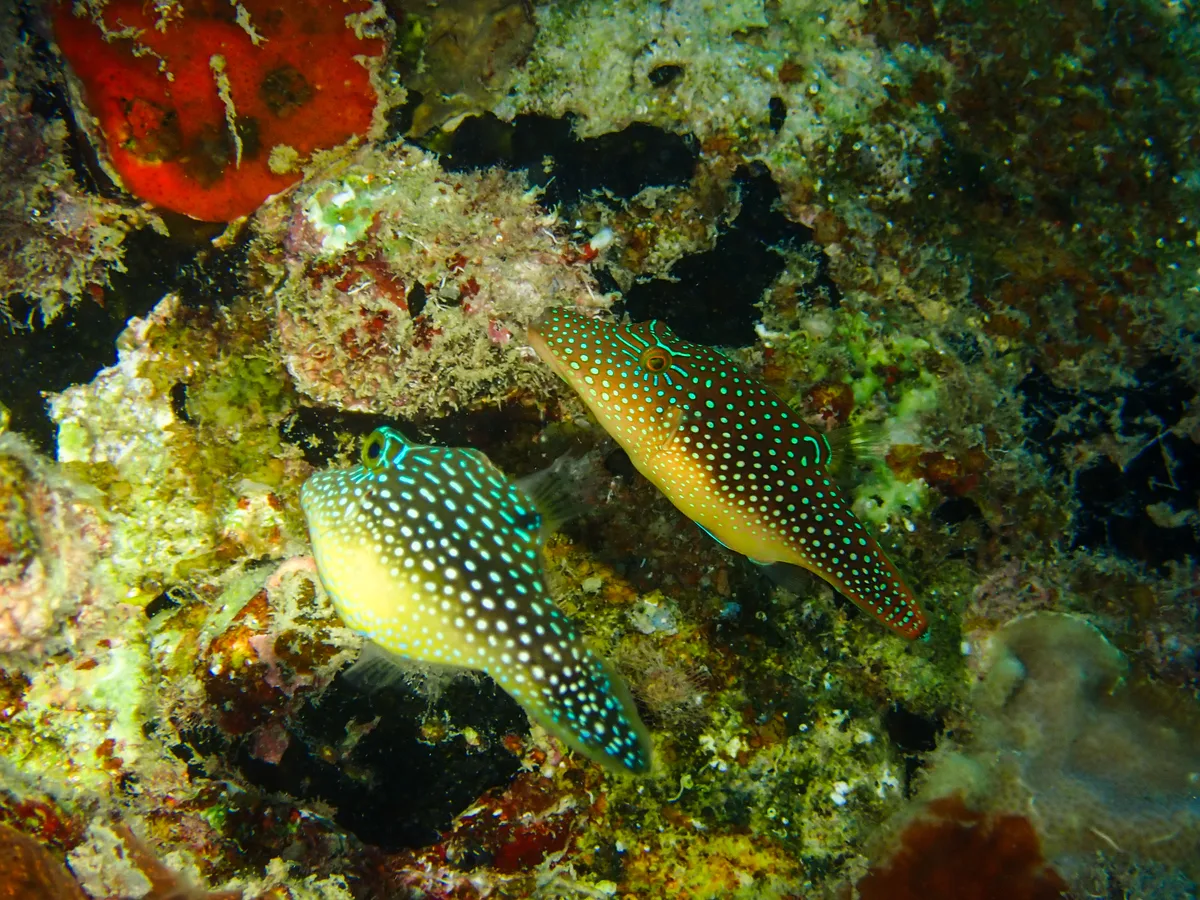
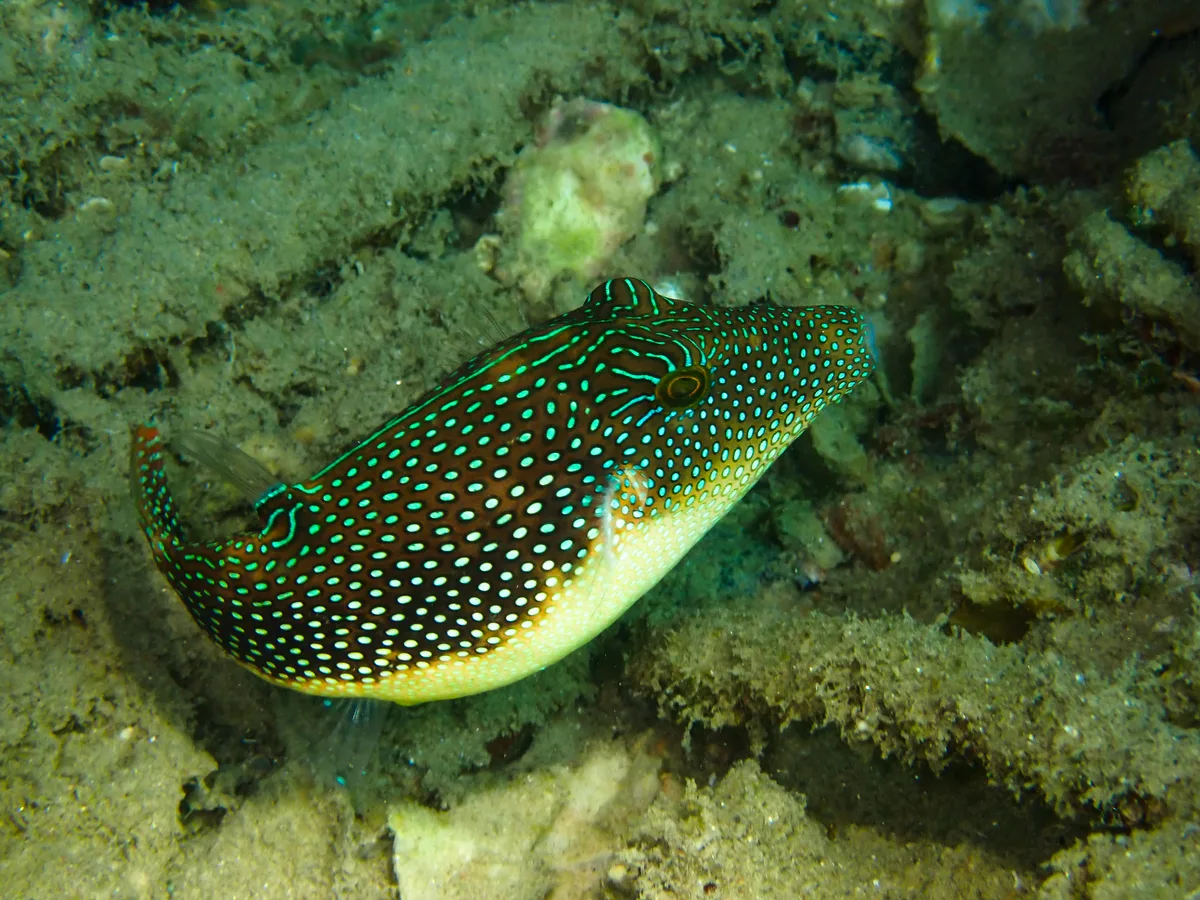
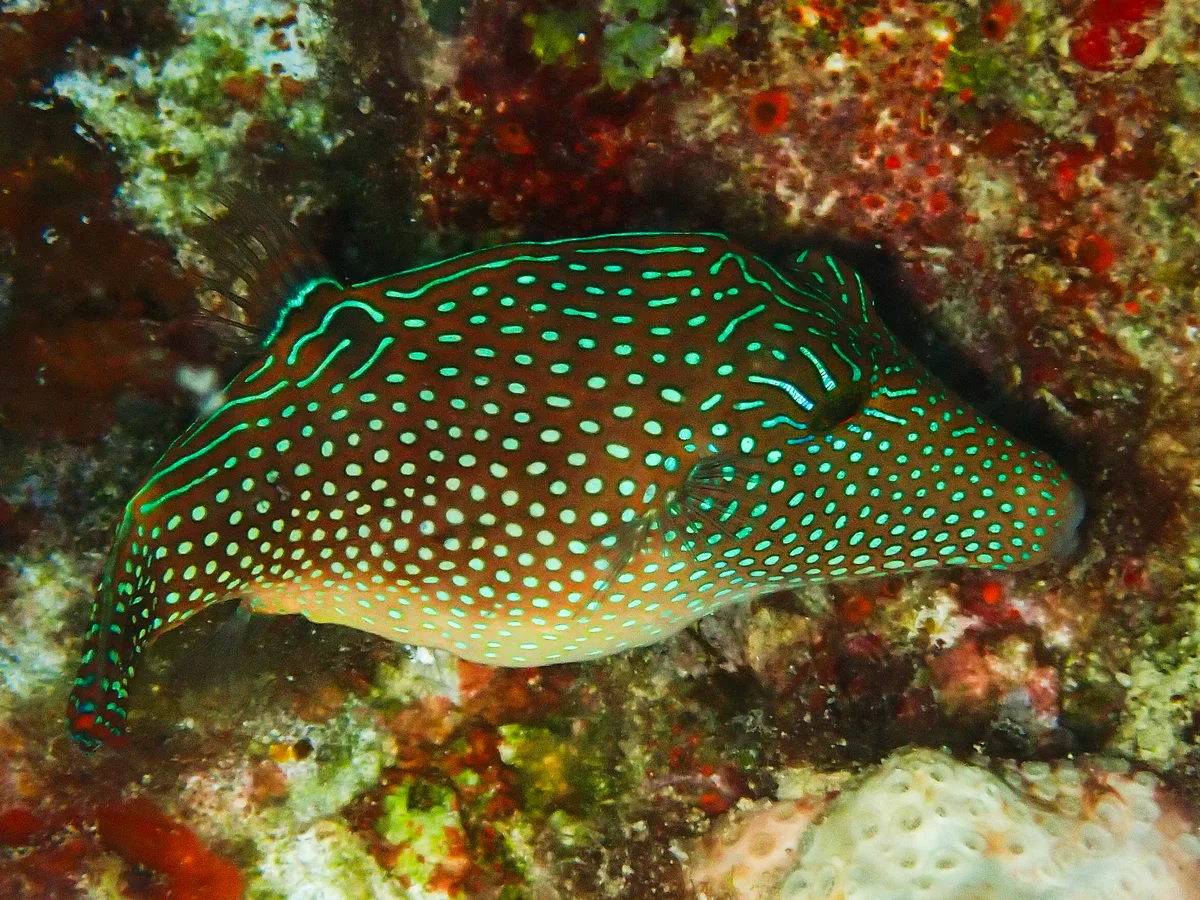
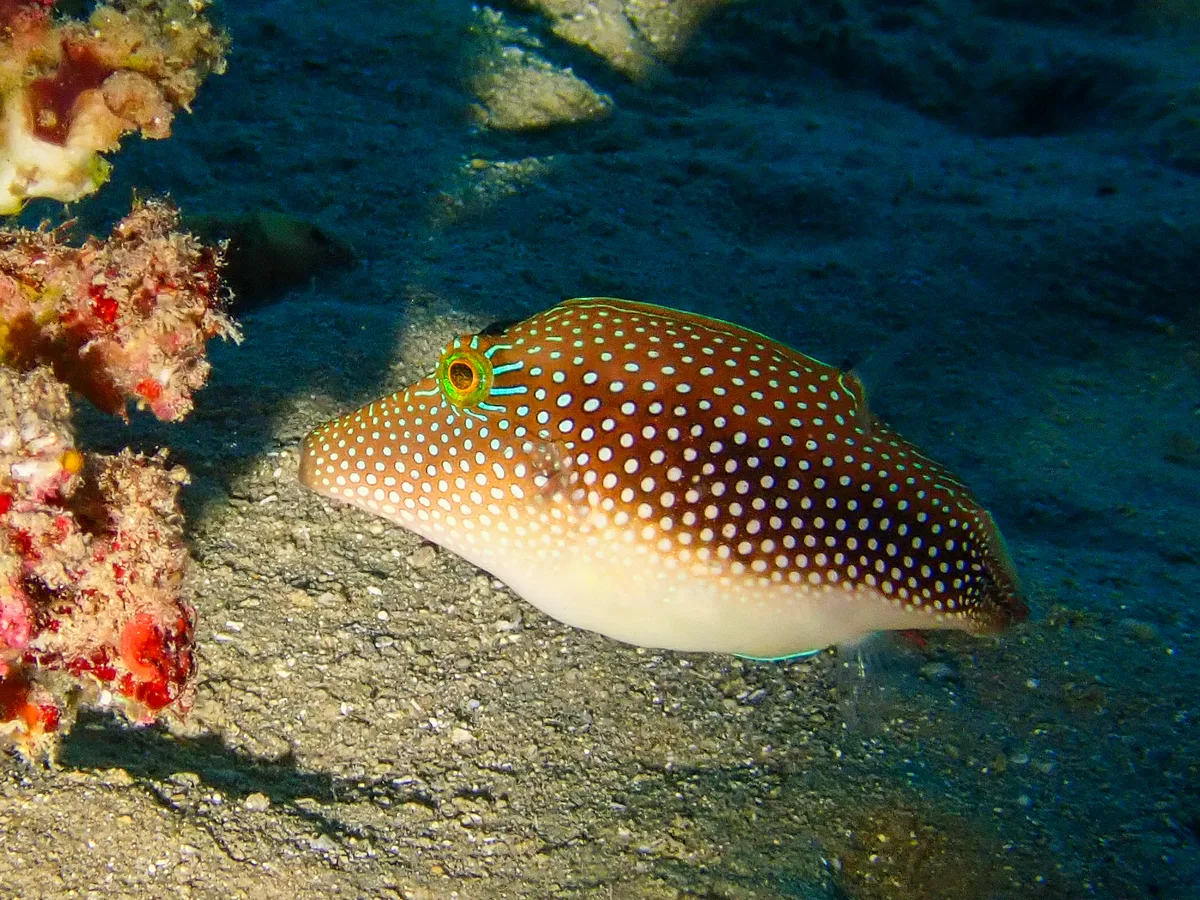
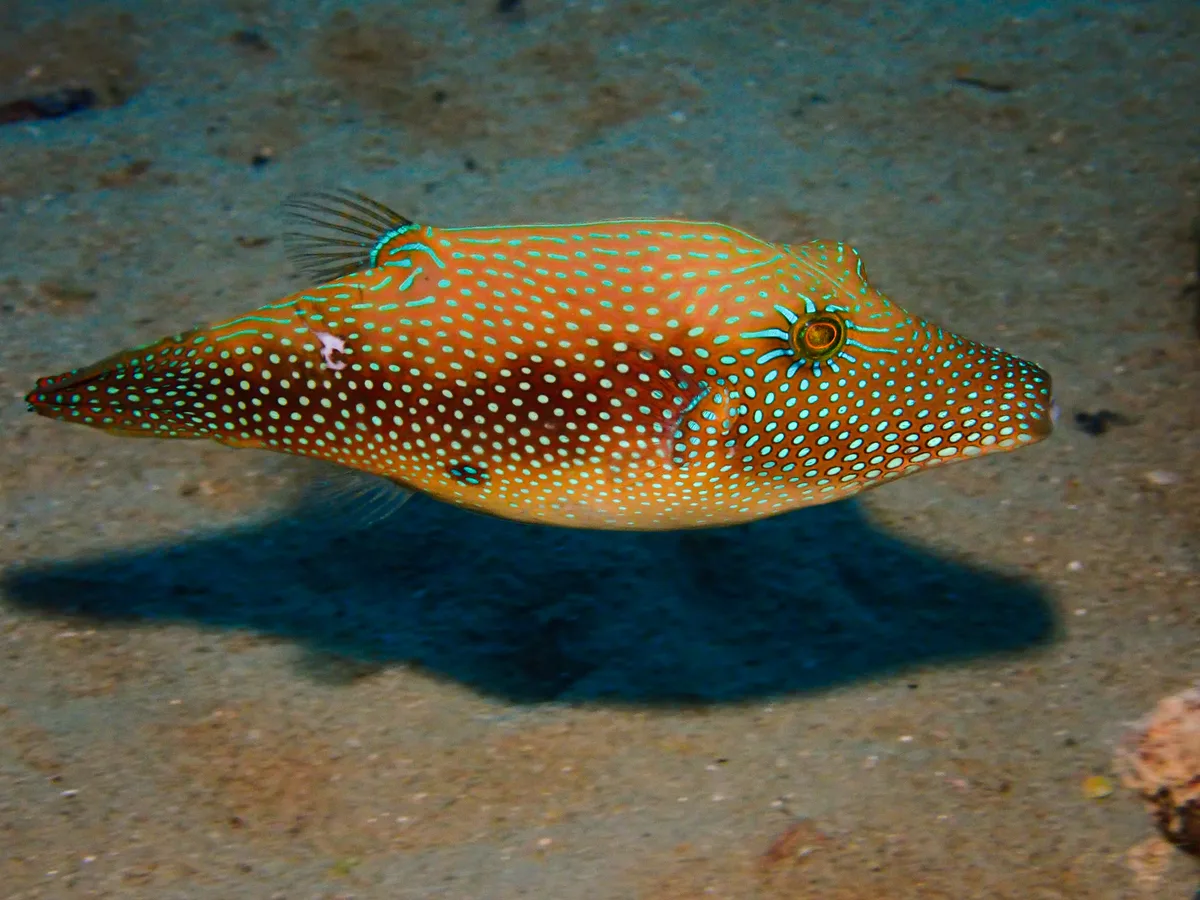
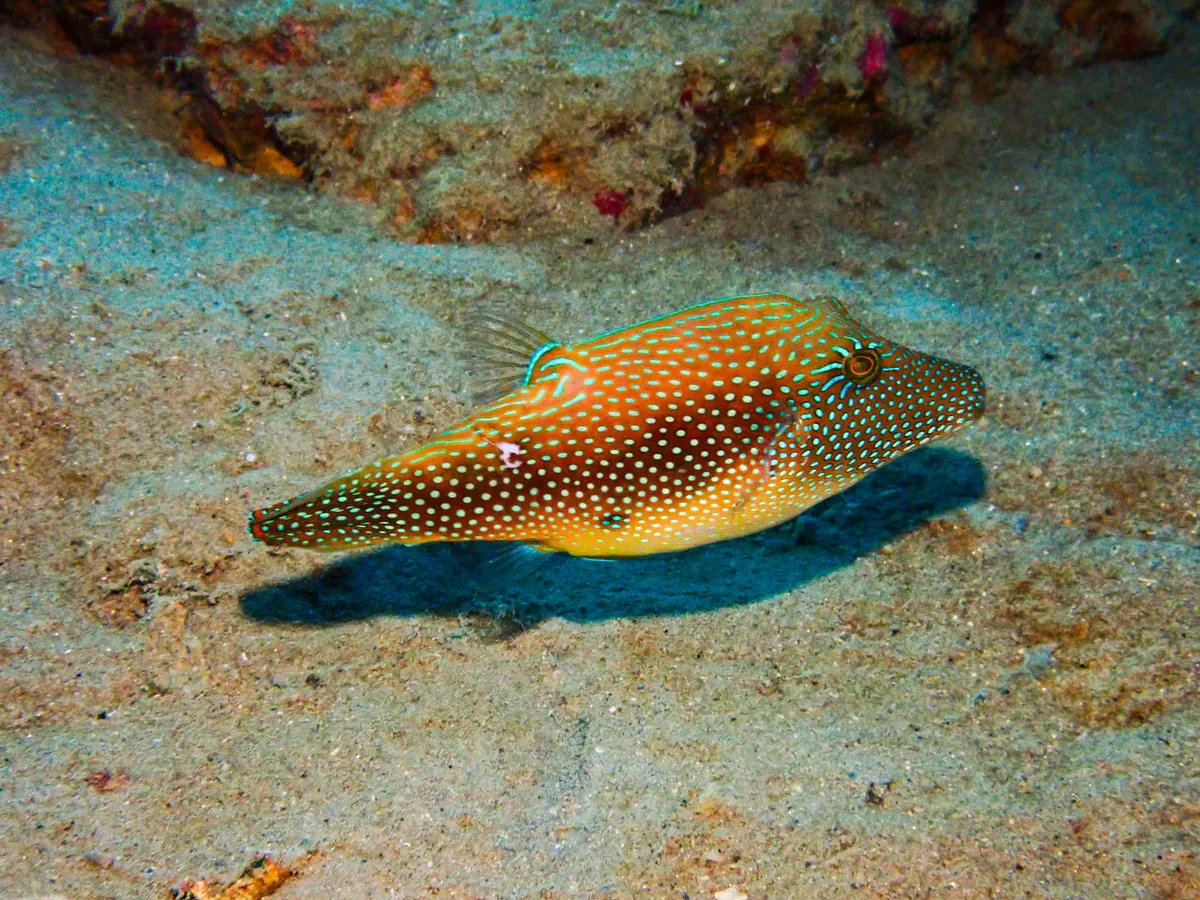
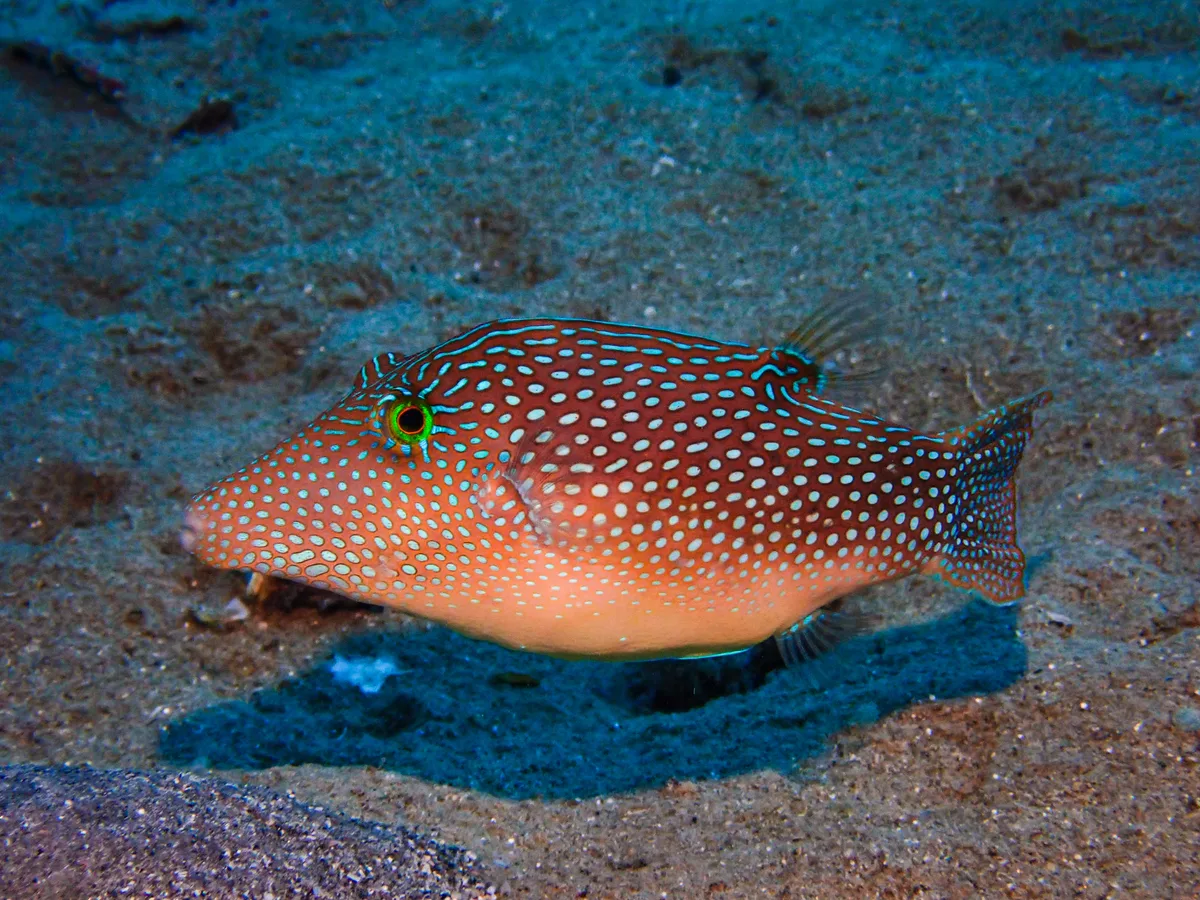
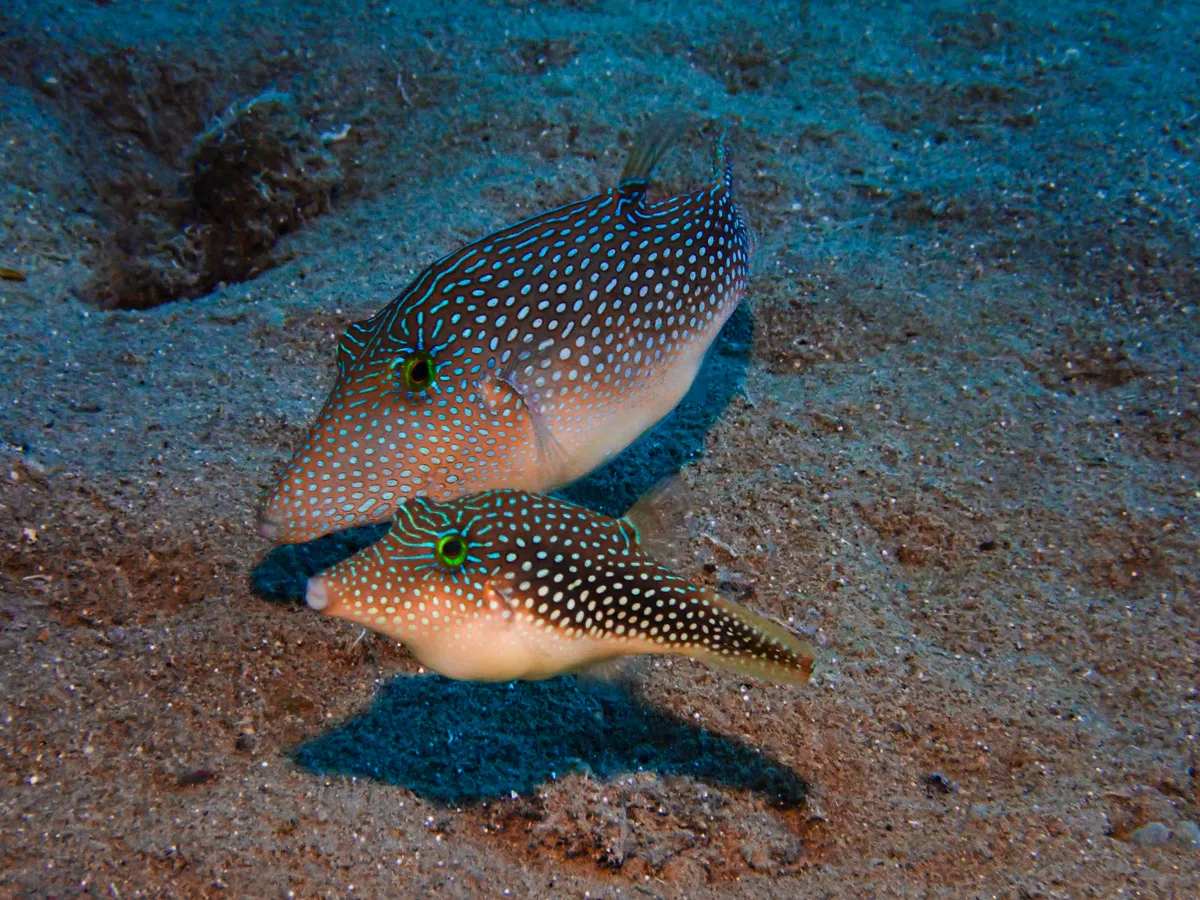
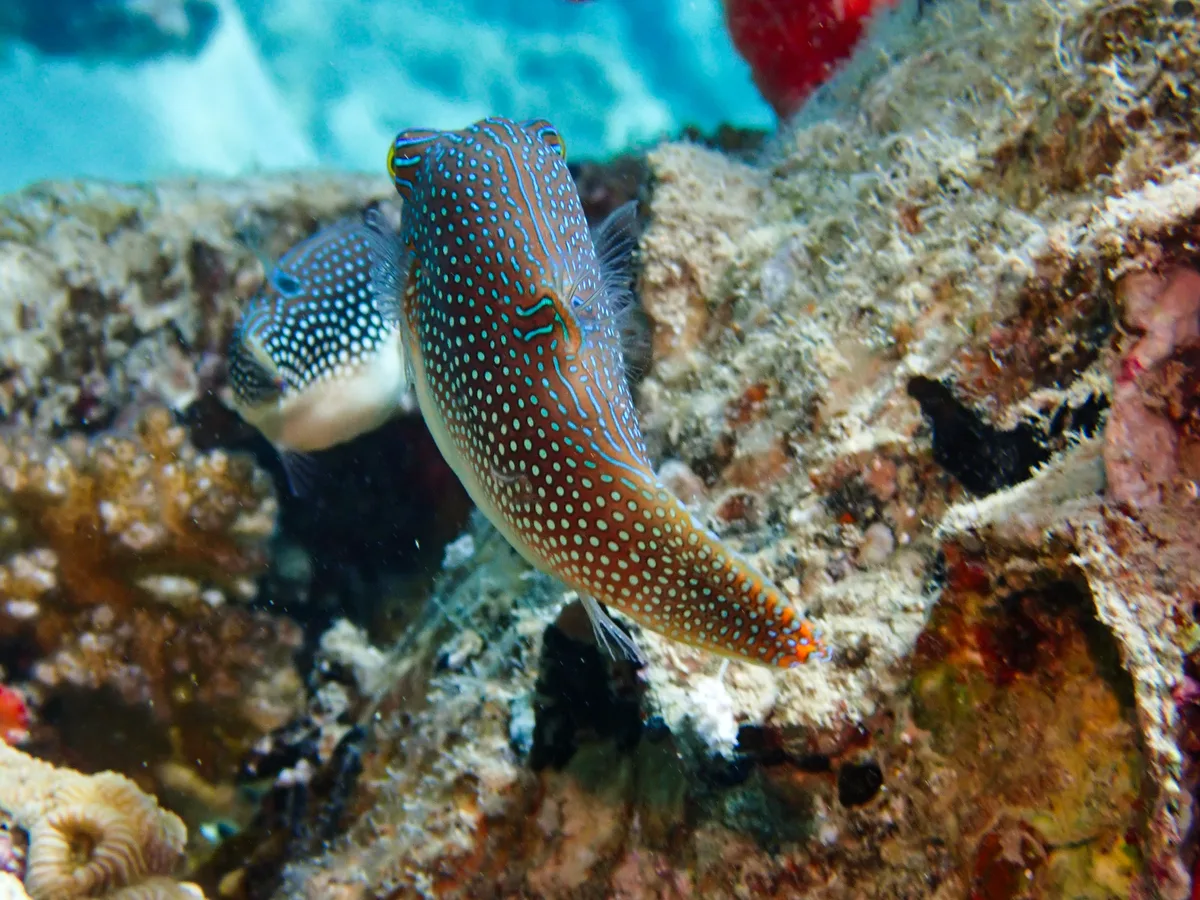
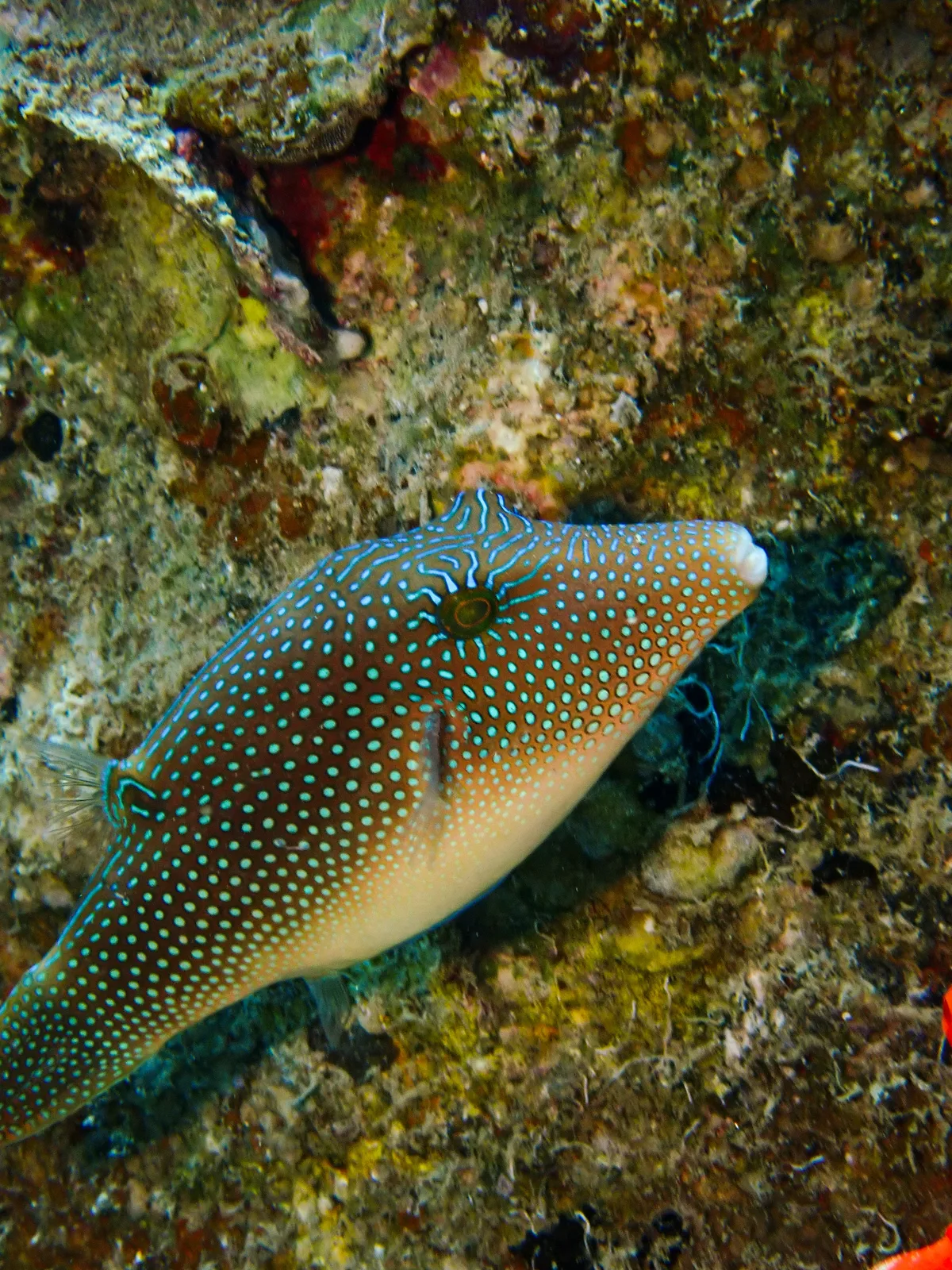
The 🌊 Red Sea Toby, also known as the Pearl Toby or Canthigaster margaritata, is a vividly patterned fish from the pufferfish family, inhabiting the 🌊 Red Sea and 🌊 Gulf of Aden. This marine species is typically found in shallow coastal regions, particularly in protected bays, lagoons, and tidal pools near coral reefs, at depths ranging from 1 to 10 meters (3 to 33 feet).

The 🌊 Red Sea Toby is characterized by its striking coloration, featuring a mix of deep reds, oranges, and yellows adorned with irregular black spots resembling pearls. This distinctive color pattern serves as camouflage within its coral reef environment. The fish can grow up to a maximum length of about 11.5 centimeters (4.5 inches), with an elongated and cylindrical body, a rounded head, and a small mouth set in a snout-like extension. It has firm, beak-like teeth for crushing the hard shells of its prey.

Remarkably, the 🌊 Red Sea Toby can inflate its body, making it difficult for predators to swallow. This defense mechanism is coupled with the presence of toxins in its body, deterring potential threats. The species is predominantly solitary and territorial, feeding primarily on small invertebrates such as crustaceans and molluscs.

Due to its small size and vibrant appearance, the 🌊 Red Sea Toby is a popular choice for marine aquariums. However, it requires a carefully maintained environment to thrive. Its unique behaviors and adaptations, including its defensive inflation and toxic protection, make the 🌊 Red Sea Toby a captivating member of the diverse marine life found in the undefined.

Its name, Canthigaster, is derived from Greek, meaning "corner of the eye" and "stomach," reflecting its distinctive appearance and characteristics.

Why it's threatened

Residential & commercial development
Housing & urban areas · Commercial & industrial areas · Tourism & recreation areas
Biological resource use
Intentional use: (subsistence/small scale) [harvest]
Pollution
Sewage · Run-off · Type Unknown/Unrecorded · Oil spills · Seepage from mining · Nutrient loads · Soil erosion, sedimentation · Herbicides and pesticides · Garbage & solid waste
Climate change & severe weather
Habitat shifting & alteration · Temperature extremes

Although C. margaritata appears to be abundant and widespread, it may be experiencing localized population declines as a result of habitat loss in parts of its range.

As of 2008, fifteen percent of the world’s coral reefs were considered under imminent threat of being “Effectively Lost” (with 90% of the corals lost and unlikely to recover soon), with regions in East Africa, South and South-east Asia, and the wider Caribbean being the most highly threatened (Wilkinson et al. 2008). In the Red Sea, which includes 17640 km2 of coral reef area, 4% of the reefs have been effectively lost (90% mortality), while another 4% are at a critical stage with 50-90% loss of coral cover as of 2008 (Wilkinson et al. 2008).

Of 704 zooxanthellate reef-building coral species which were assessed by using the International Union for Conservation of Nature Red List Criteria, 32.8% are in categories with elevated risk of extinction (Carpenter et al. 2008).

This species is a component of the international marine aquarium trade. The effect of this trade on the population of C. margaritata.

Threat classification from the IUCN Red List.
Comments

Please, sign in to leave a comment

Continue with a social account — yours will be created automatically.

No comments yet — be the first.

Last Update: June 28, 2026