Its name is this sea. Marisrubri is the genitive of mare rubrum, the 🌊 Red Sea, and a species carrying it is being declared as belonging here and nowhere else - which is what this one does. Randall described it in 1978 and it has never been found outside these waters.
Very few animals get named that way. Most 🌊 Red Sea endemics carry the name of the person who collected them, or a Latin word for a color or a body part, and the sea itself appears in only a handful of scientific names. When it does, it is usually because the describer wanted to make the point that a fish which had been lumped in with a widespread Indo-Pacific species was in fact something separate that this basin had produced on its own.
That is the story of a good part of the fauna here. Isolation, repeatedly, over the ice ages, in a basin that nearly sealed itself off.
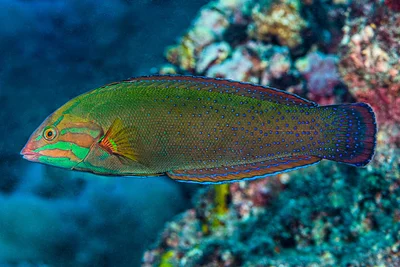
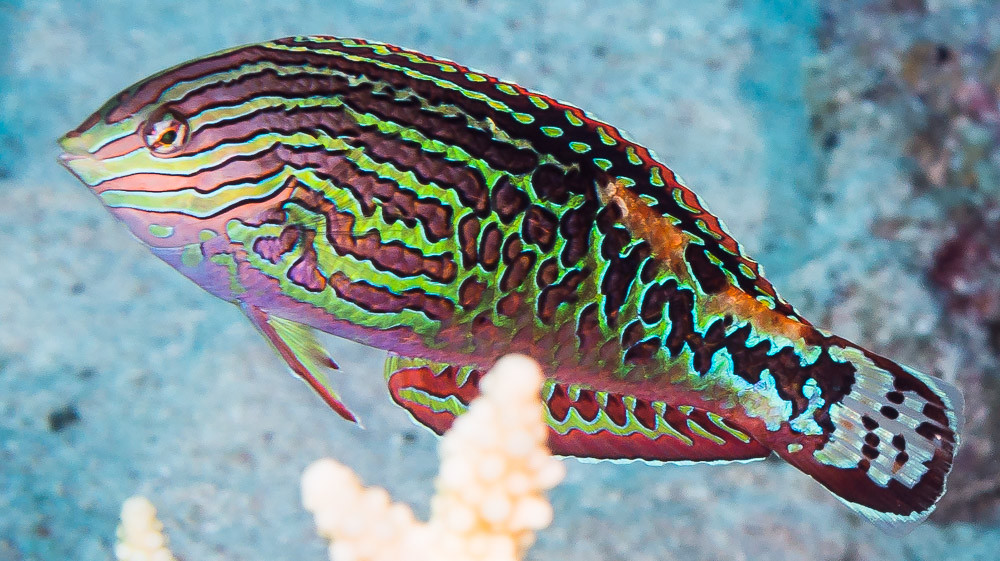
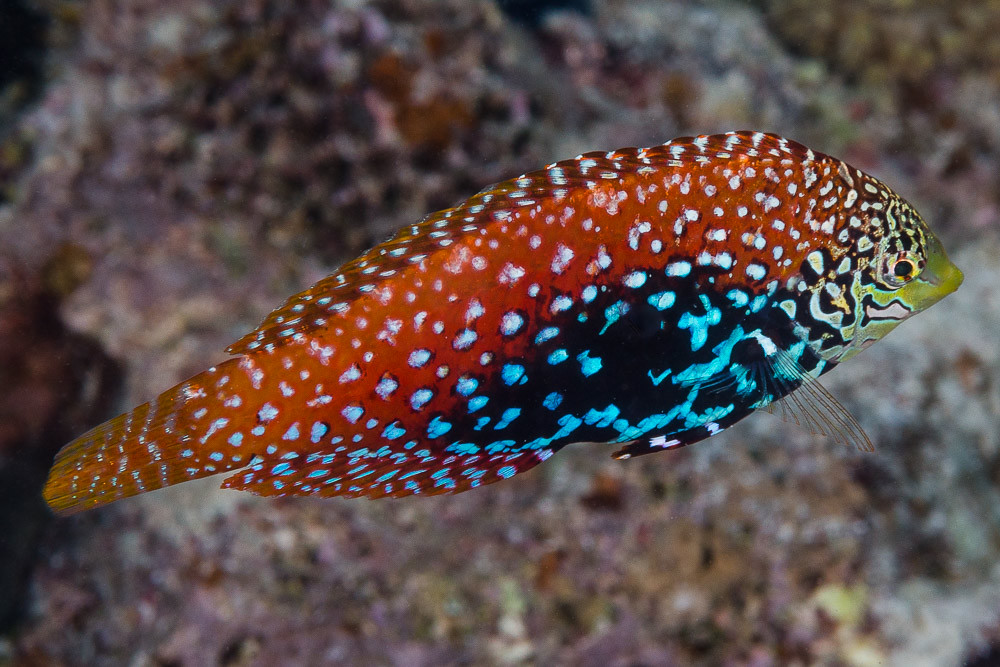
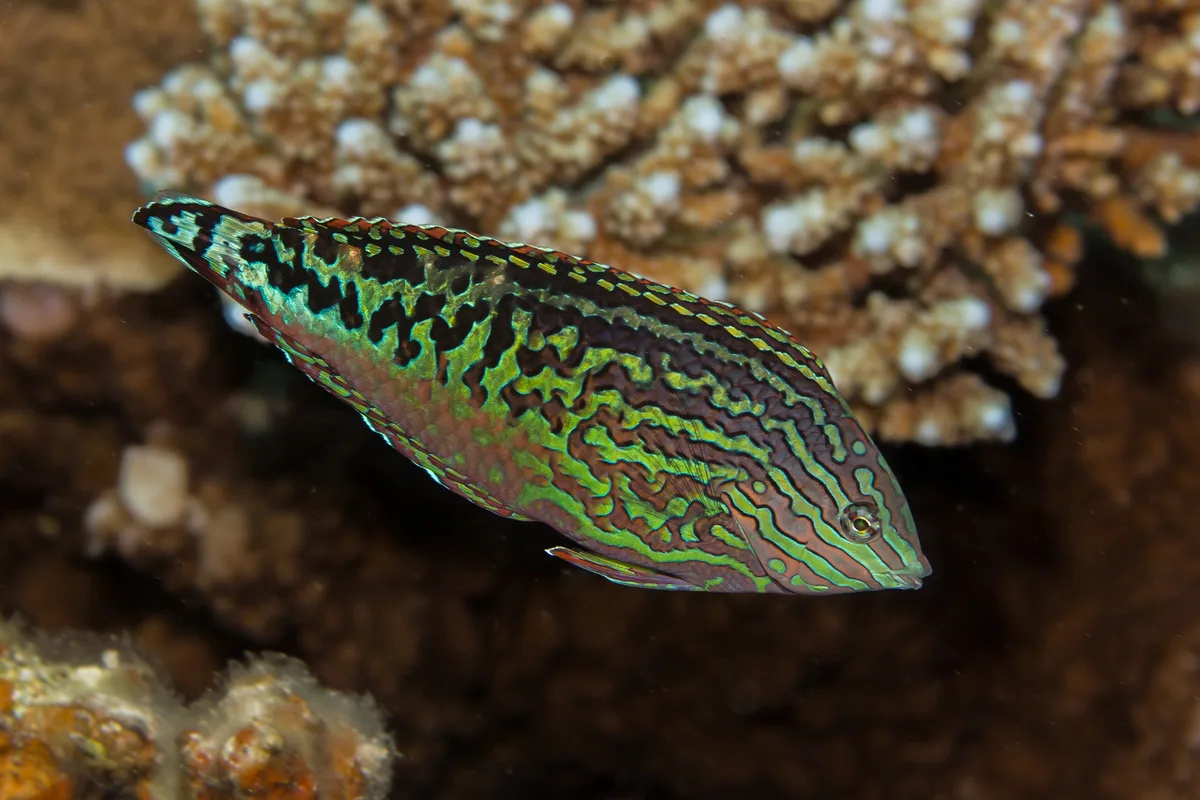
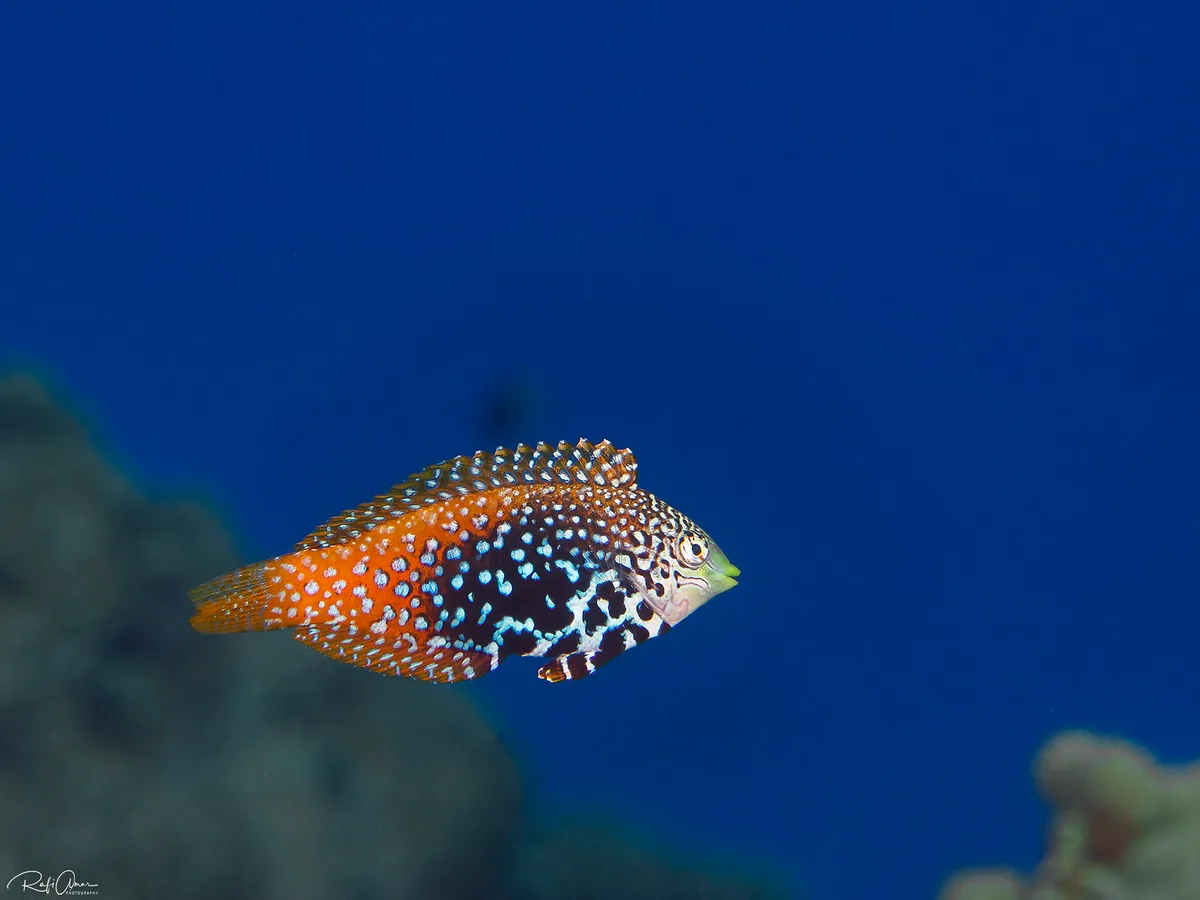
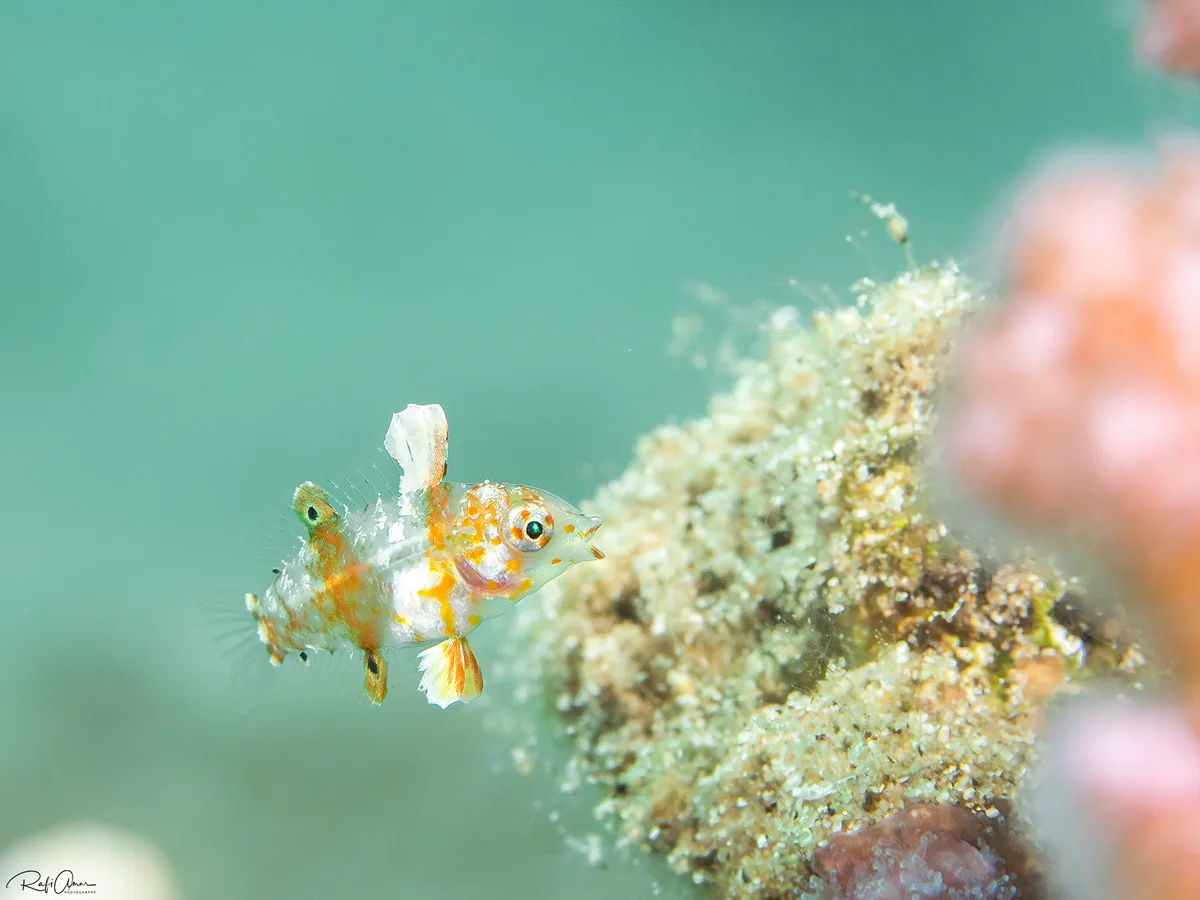
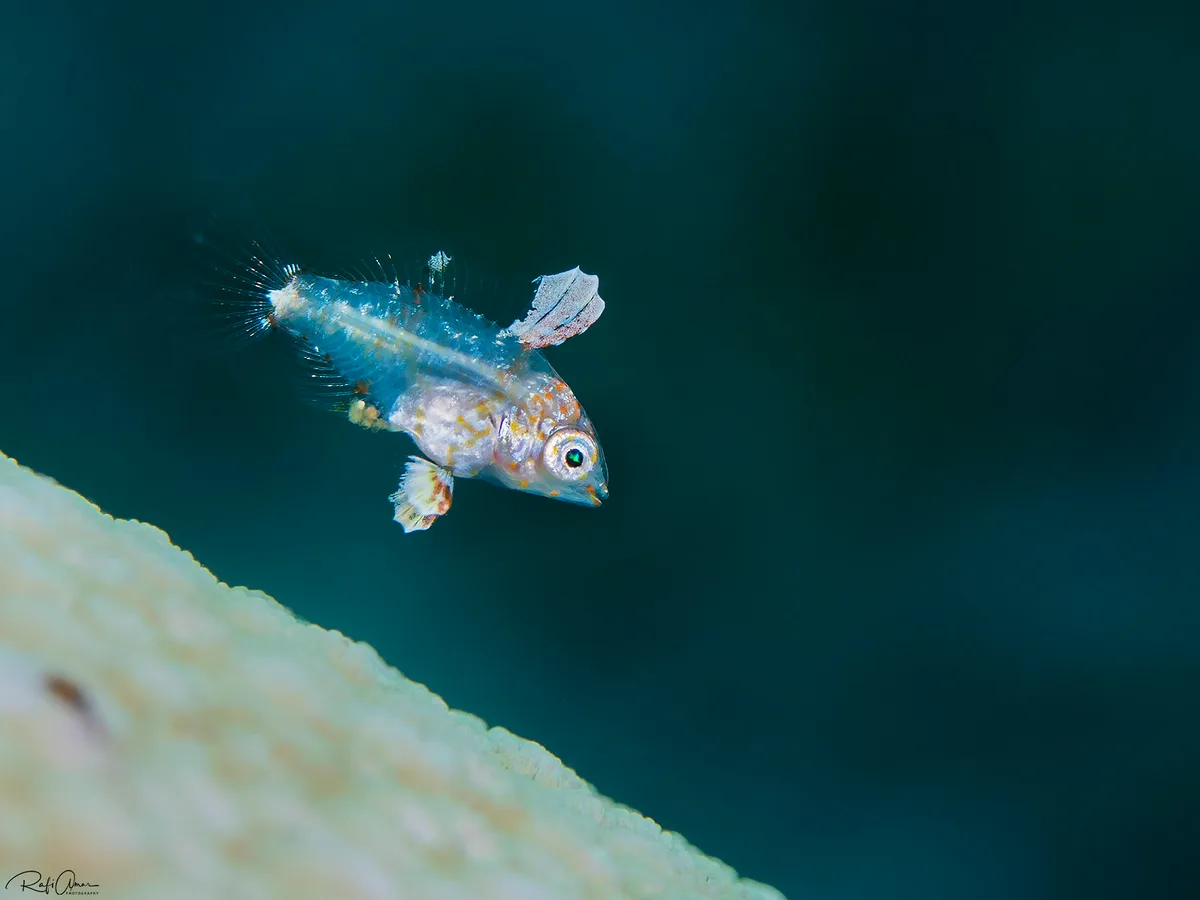
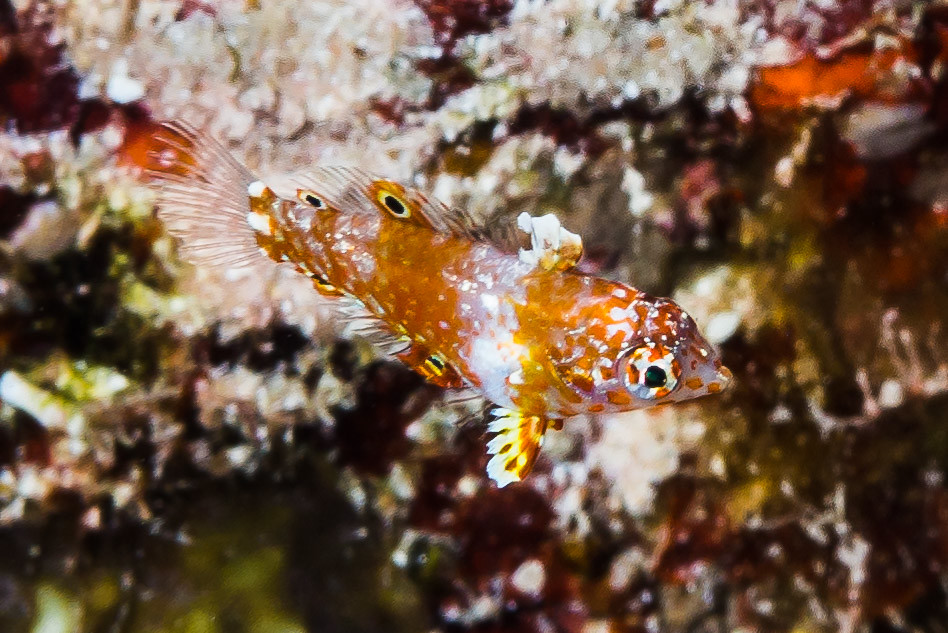
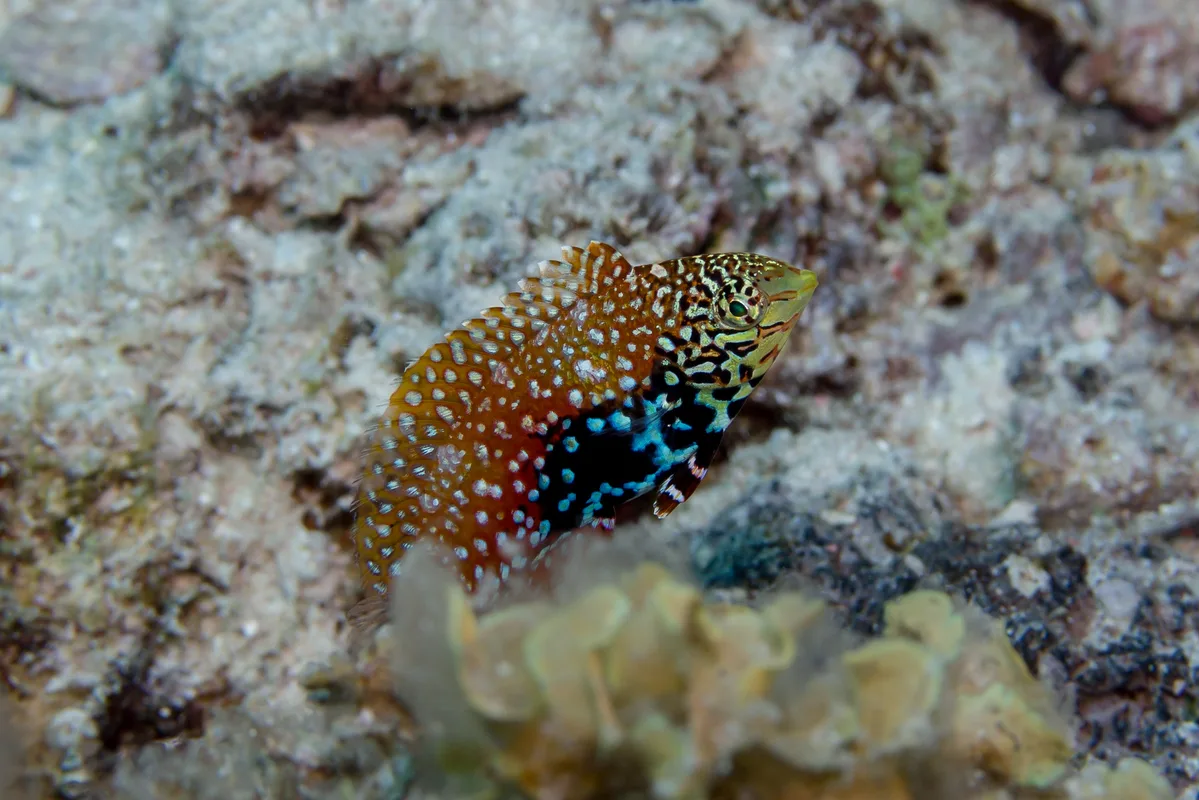
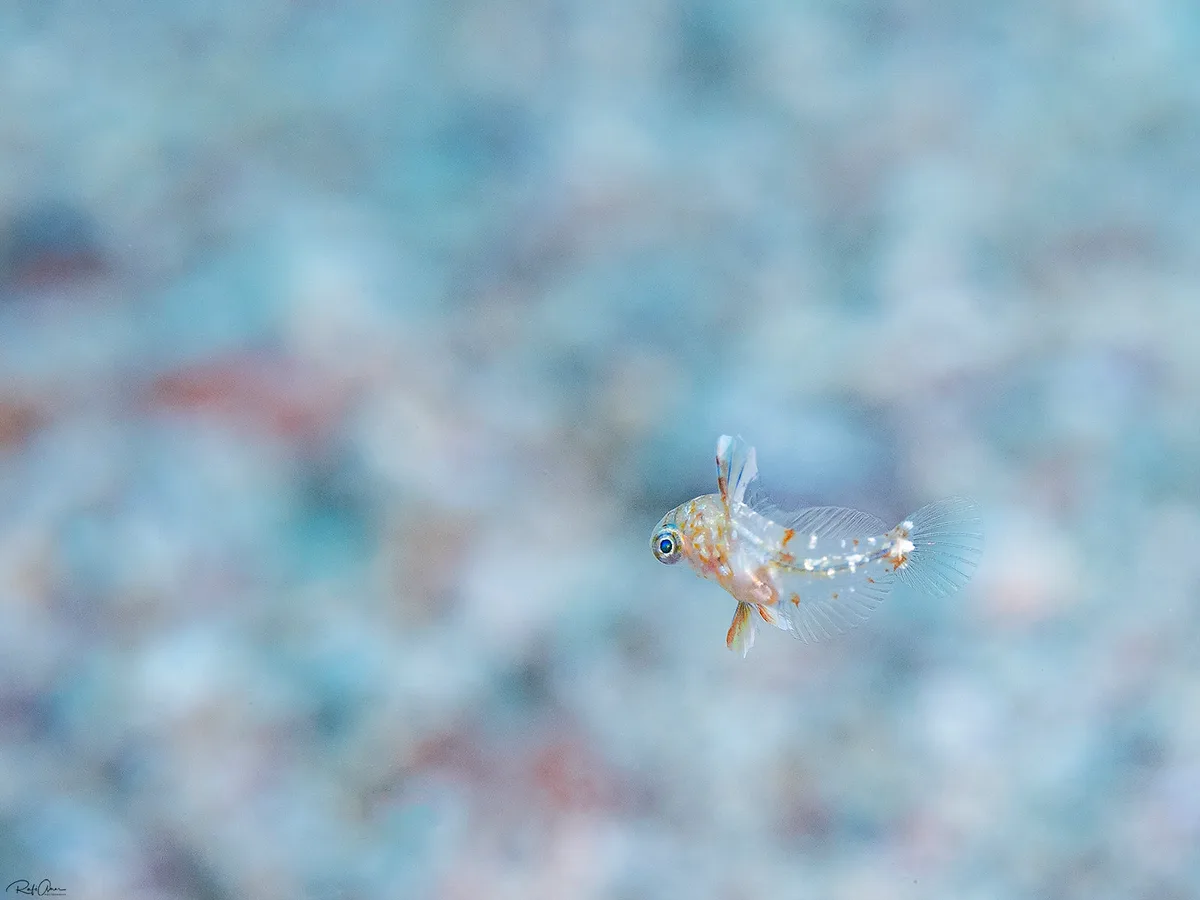
The fish is small, covered in fine pale vermiculations like fingerprint whorls over a dark ground, and works rubble in small groups picking zooplankton out of the water.
The genus. Macropharyngodon Bleeker 1862 - macro- (large) + pharynx (throat) + odon (tooth). ETYFish
The species. Macropharyngodon marisrubri Randall 1978 - maris (sea) + rubrus (red). ETYFish
- dense pale vermiculations over a dark body, like fingerprint whorls
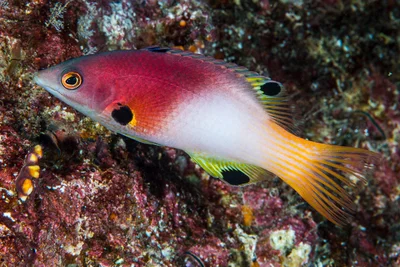
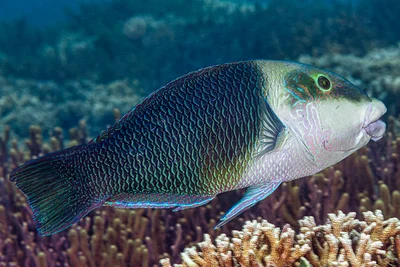
- females plainer, males with stronger blue-green markings
- in small groups above rubble
- up to 13 cm
Why it's threatened
This species is a component of the marine ornamental trade but the impact of the trade on the population of this species is unknown.
Threat classification from the IUCN Red List.