Blog

Why One Red Sea Shark Generates $200,000 Yearly: Egypt's Bold Protection Plan
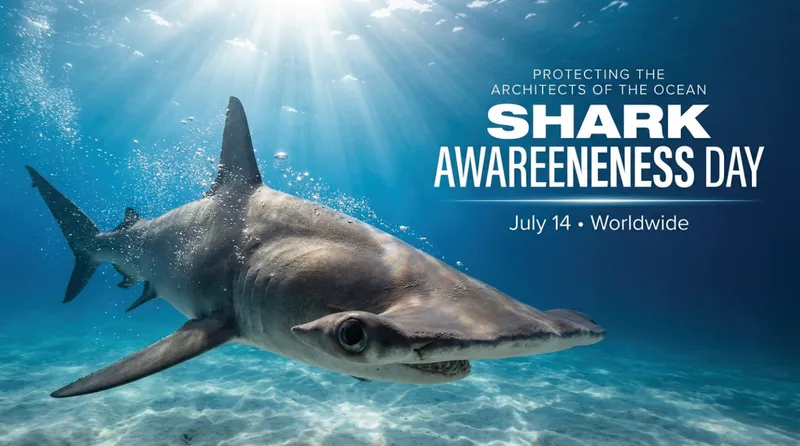
Egyptian government figures reveal a stunning truth: each Red Sea shark generates about $200,000 in annual tourism value, powering a multi-million-dollar dive industry that draws global adventurers to glimpse tiger sharks and oceanic whitetips amid glittering reefs. Now, a bold new Ministry of Environment plan targets illegal fishing and biodiversity collapse to protect these "ecotourism engines," safeguarding coastal livelihoods and the elegant silhouettes on the blue horizon. Healthy sharks mean thriving economies—proving one animal's life is worth far more alive than as a fin.

How Global Conservation Efforts Rescued the Green Turtle from the Brink of Extinction and Sparked a Remarkable Comeback
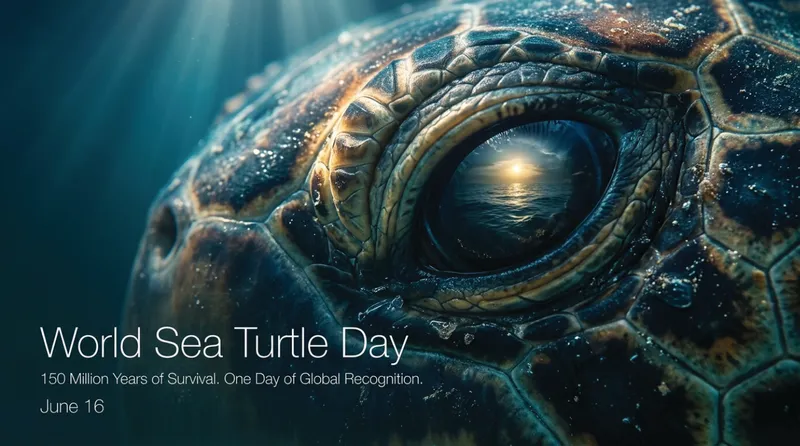
Green turtles, once driven to the brink of extinction by hunting, egg harvesting, and accidental fishing bycatch, are now making a remarkable comeback thanks to decades of dedicated global conservation efforts. Protected nesting beaches, community engagement, and international laws have led to a 28% increase in their population since the 1970s, moving their status from endangered to least concern. This recovery illustrates the power of long-term, coordinated action in preserving marine ecosystems and offers hope for other threatened species.

Diving into History: Exploring the Wreck of the Ancient Egyptian Pleasure Barge in Alexandria Harbour
Off the coast of Alexandria, Egypt, archaeologists have uncovered a remarkably well-preserved 35-meter-long pleasure barge dating back to the 1st century A.D., providing the first physical example of the lavish thalamegos boats described by the ancient Greek geographer Strabo. Found near the submerged island of Antirhodos, this luxurious vessel, adorned with Greek graffiti and built for elite leisure and ceremonial use, offers rare insights into the social life, rituals, and maritime engineering of early Roman Egypt. The discovery also connects to significant historical events, possibly sinking during the destruction of the Temple of Isis or serving in religious processions, enriching our understanding of ancient Egyptian waterways and culture.

A Historic Victory: Oceanic Whitetip Sharks Gain Full Protection Under CITES
In a historic win for shark conservation, oceanic whitetip sharks have been granted the highest level of international protection at CITES CoP20, moving to Appendix I. This landmark decision bans all commercial international trade in the species, offering a crucial lifeline to one of the ocean’s most critically endangered sharks.

Solar-Powered Sea Slugs: How These Remarkable Creatures Harness Sunlight for Energy Through Kleptoplasty
Solar-powered sea slugs are remarkable marine creatures that have evolved an extraordinary ability to steal chloroplasts from algae and harness the power of sunlight for their own survival. Through a process called kleptoplasty, species like Elysia chlorotica consume algae and carefully retain their chloroplasts, incorporating them into specialized cellular compartments where they continue to photosynthesize and produce energy-rich nutrients. This incredible adaptation allows these small green slugs to survive for months without food, transforming them into nature's most cunning marine thieves and genuinely "solar-powered" animals that blur the boundary between plant and animal biology.

New Discoveries Push the Origin of Animals Back by 100 Million Years
Scientists have discovered a new order of marine sponges called Vilesida, which challenges current understanding of early animal evolution. These sponges produce unique chemical markers found in ancient rocks, suggesting that animals appeared around 100 million years earlier than previously thought. This breakthrough not only reshapes sponge classification but also offers fresh insights into the origins of life on Earth.

Join the December 19, 2025 Magawish Island Red Sea Cleanup: Protect Egypt’s Underwater Paradise with Ahmed Gabr and NBE
Join a powerful effort to protect the breathtaking marine beauty of Magawish Island, Egypt’s own Caribbean paradise known for its turquoise waters and vibrant coral reefs. On December 19, 2025, divers and volunteers will come together for an ocean cleanup event led by record-holding diver Ahmed Gabr and supported by key partners, aiming to preserve this natural treasure for future generations. Whether underwater or onshore, you can make a real impact while celebrating and supporting marine conservation in this stunning Red Sea sanctuary.

How the Geographic Cone Snail Stuns Prey by Releasing Insulin into Water Before Harpooning Fish with Deadly Neurotoxins
The geographic cone snail is a remarkable predator found in the Indo-Pacific reefs, known for its beautifully patterned shell and deadly hunting technique. It uniquely uses insulin released into the water to stun prey fish, then quickly harpoons them with potent neurotoxins, making it one of the ocean's most effective and dangerous hunters. This fascinating adaptation showcases how nature can repurpose biological molecules for predation in unexpected ways.

The Truth About Sharks: Curiosity, Not Predation
Sharks are often misunderstood as ruthless “man-eaters,” but the reality is quite different: they do not see humans as prey. Most shark encounters occur out of curiosity or mistaken identity rather than predatory intent, as humans differ significantly from the animals sharks naturally hunt. Sharks use specialized senses to detect typical prey, but peaceful swimmers typically do not trigger their hunting signals, making most shark bites rare and exploratory rather than aggressive. Understanding these fascinating creatures helps dispel fear and highlights their crucial role in ocean ecosystems.