Red Sea Surgeonfish
Dangerous© Derek Keats
Fishes · Bony fishes · Surgeonfishes

Red Sea Surgeonfish

Acanthurus gahhm (Forsskål, 1775)
syn. Acanthurus gahm, Chaetodon nigrofuscus gahhm
50 cm1-40 mRed Sea endemicDangerousLeast Concern
1027

Acanthurus gahhm, commonly known as the black surgeonfish, monk surgeonfish, or lined surgeonfish, is a marine ray-finned fish species within the family Acanthuridae, which encompasses surgeonfishes, unicornfishes, and tangs. This species is geographically located in the undefined.

First formally described by the German naturalist Johann Friedrich Gmelin in 1789, Acanthurus gahhm's type locality is presumed to be the 🌊 Red Sea, although it was not explicitly specified. The genus Acanthurus constitutes one of two genera within the tribe Acanthurini, part of the subfamily Acanthurinae, which belongs to the larger family of Acanthuridae.

The specific epithet "gahhm" is derived from an Arabic term for surgeonfish in the 🌊 Red Sea region, initially noted by Peter Forsskål in 1755 as a common name, and later validated as a scientific name by Gmelin in 1789.

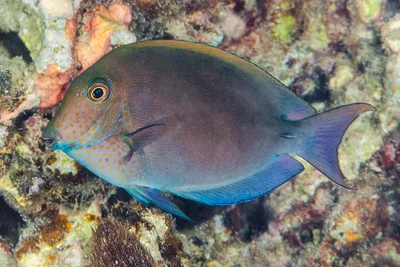
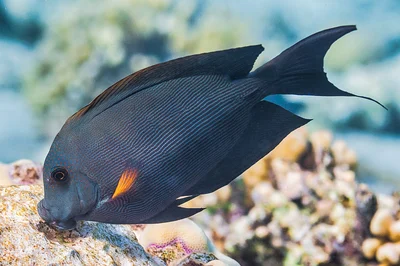
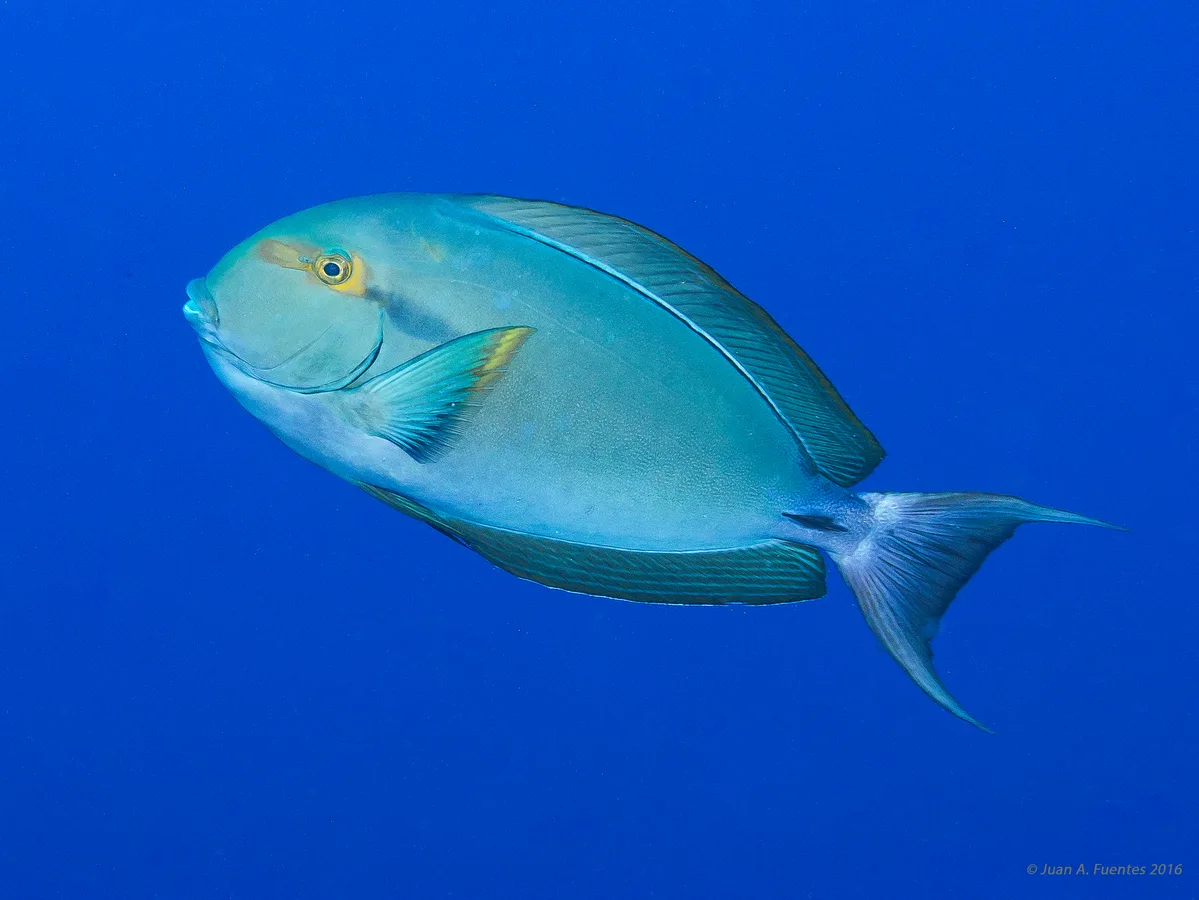
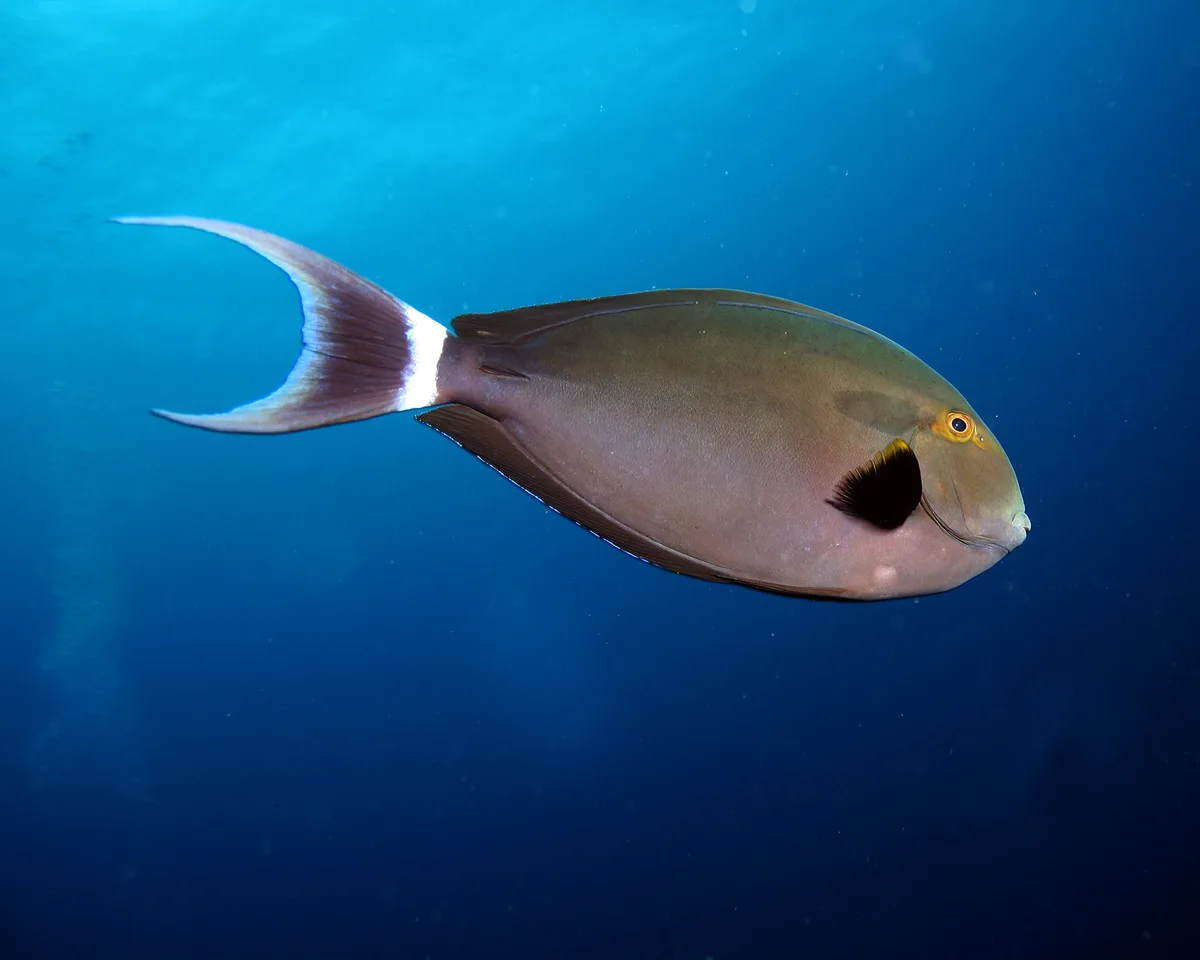
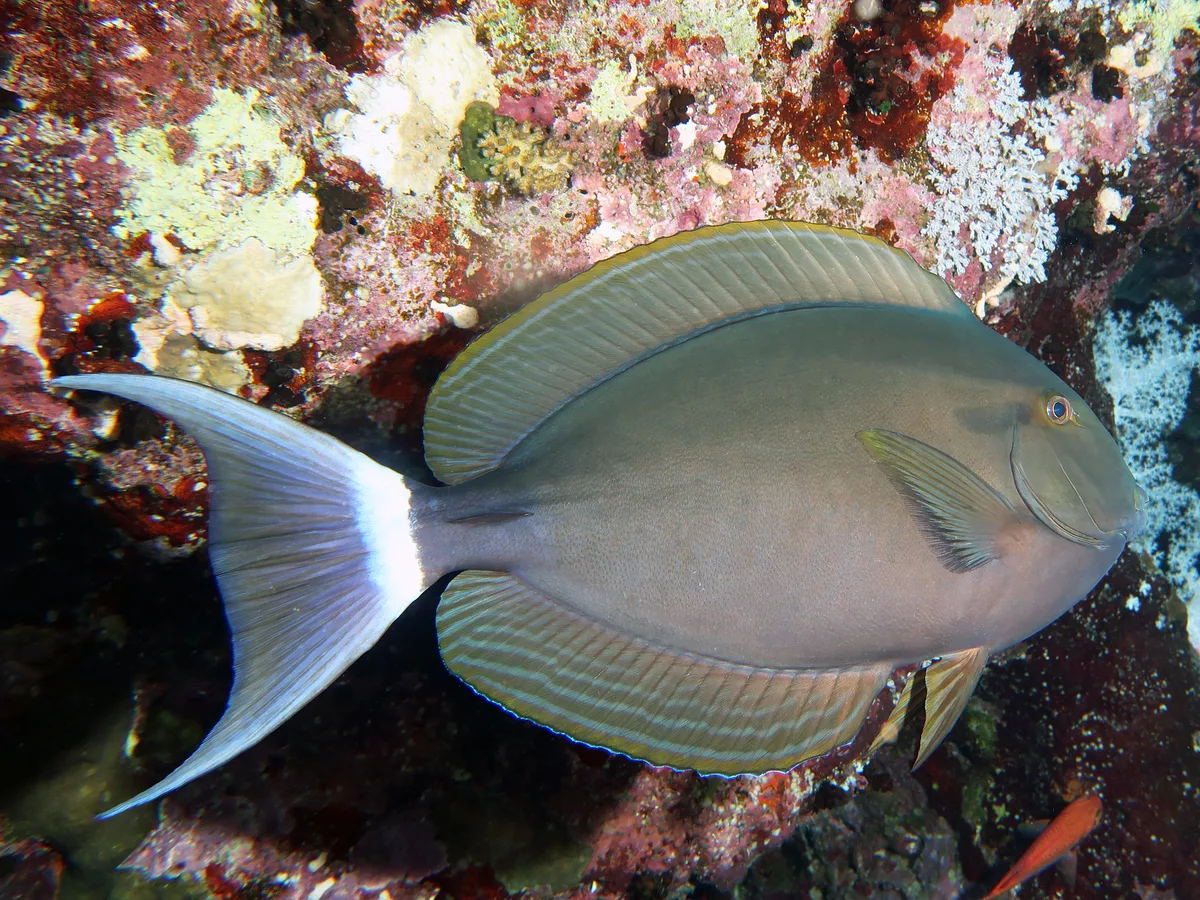
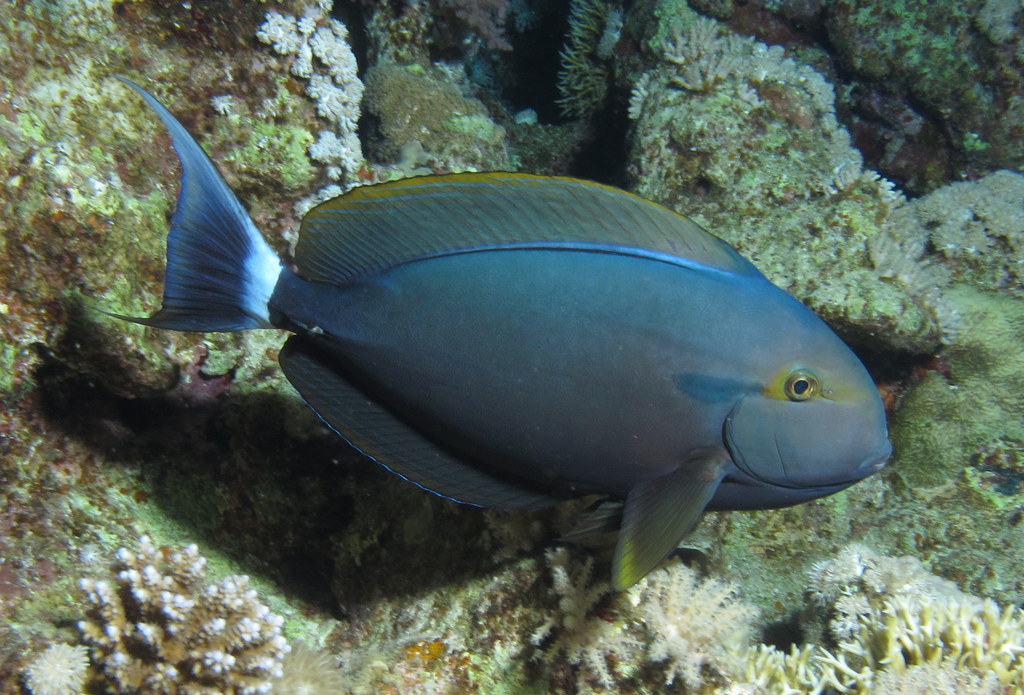
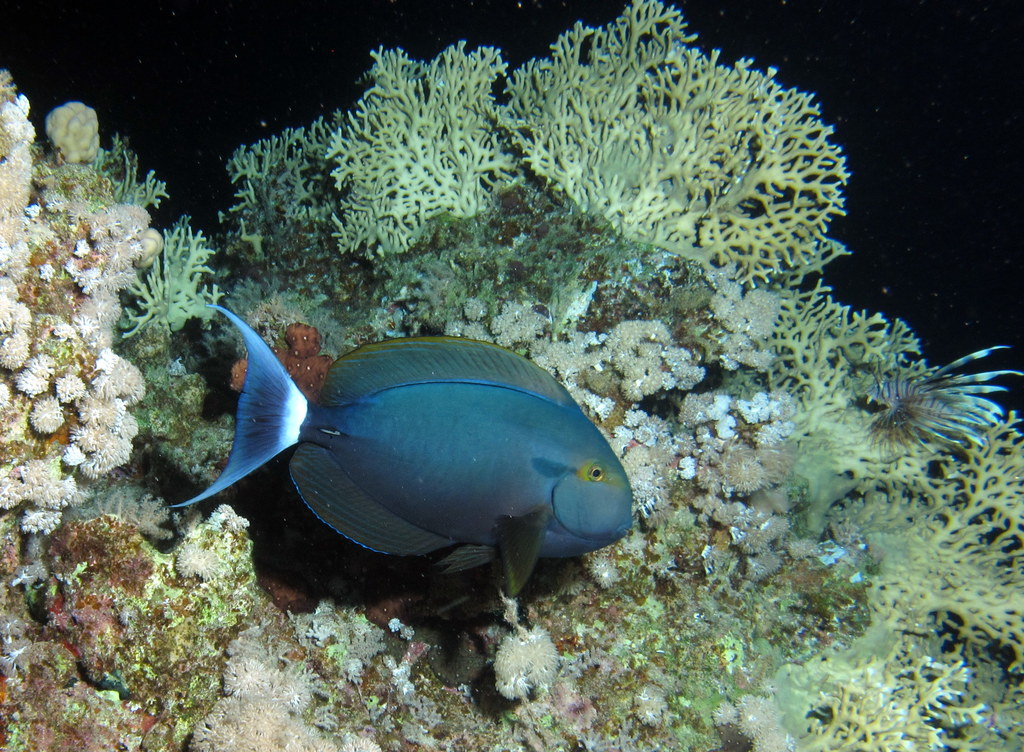
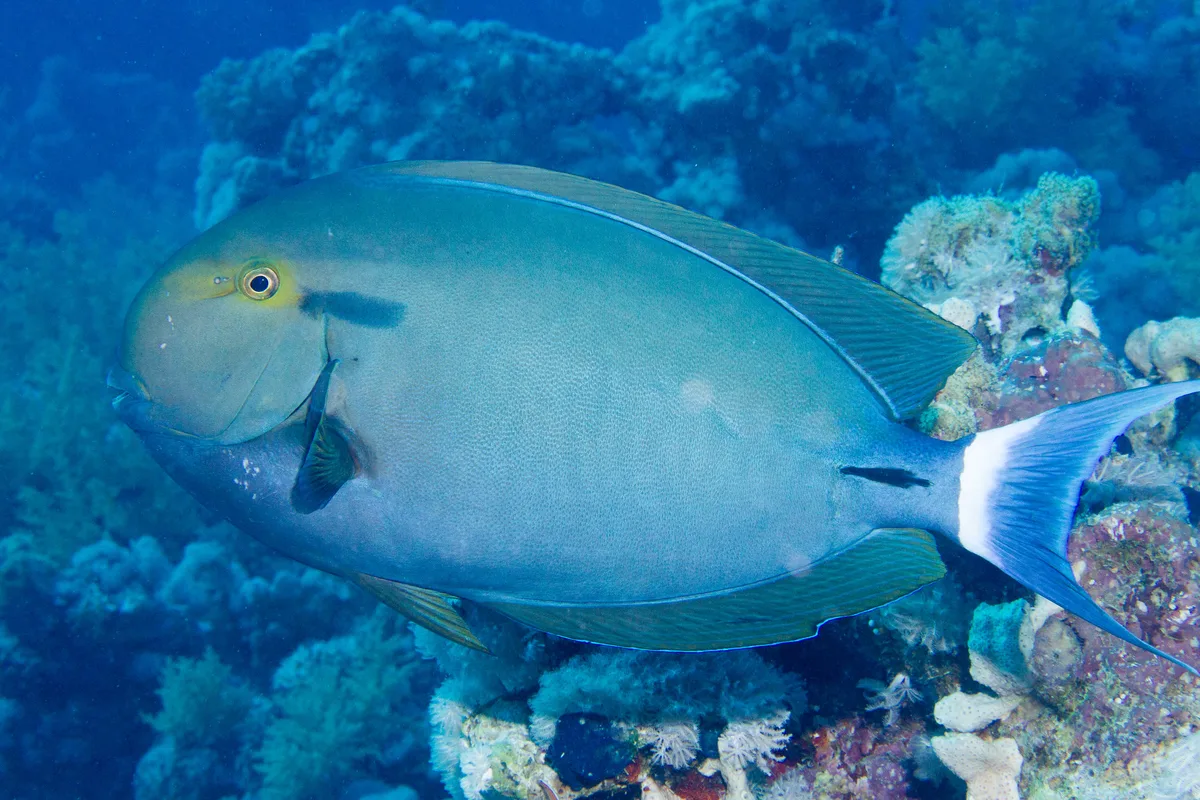
Acanthurus gahhm grows to a length of up to 50 centimeters. It features an oval, laterally compressed body characteristic of surgeonfishes, with locomotion primarily facilitated by its pectoral fins. The caudal fin displays a crescent shape, and the fish is distinguished by a small, pointed mouth. Its body coloration ranges from black to dark brown, accented by a white ring around the tail base and a yellow stripe encircling the eyes. Yellow-tipped pectoral fins complete its distinct appearance.

The distribution of Acanthurus gahhm is confined to the north-undefined, with its presence endemic to the 🌊 Red Sea and the 🌊 Gulf of Aden. Reports of this species further east are likely misidentifications of A. nigricauda.

This demersal species inhabits reef systems, lagoons, and other sandy marine environments, at depths reaching up to 40 meters. As an omnivore, it feeds on algae, zooplankton, small invertebrates, and detritus. Acanthurus gahhm is diurnal, exhibiting both social behavior by swimming in groups and solitary tendencies.

Why it's threatened

Residential & commercial development
Housing & urban areas · Commercial & industrial areas · Tourism & recreation areas
Natural system modifications
Other ecosystem modifications

Acanthurus gahhm is associated with coral reef habitats. Urban growth, coastal land reclamation, fisheries expansions and water pollution combined with Crown of Thorns (COTS) outbreaks are placing increasing pressure on the coral reefs of the Red Sea and Gulf of Aden (Kotb et al. 2004). It is predicted that pressures on the reefs of the Red Sea and Gulf of Aden will increase over the next 8 years due to major development for mass tourism and industrialization, over exploitation, destructive fishing in poorly managed areas and COTS outbreaks (Kotb et al. 2004).

Surgeonfishes show varying degrees of habitat preference and utilization of coral reef habitats, with some species spending the majority of their life stages on coral reef while others primarily utilize seagrass beds, mangroves, algal beds, and /or rocky reefs. The majority of surgeonfishes are exclusively found on coral reef habitat, and of these, approximately 80% are experiencing a greater than 30% loss of coral reef area and degradation of coral reef habitat quality across their distributions. However, more research is needed to understand the long-term effects of coral reef habitat loss and degradation on these species' populations. Widespread coral reef loss and declining habitat conditions are particularly worrying for species that recruit into areas with live coral cover, especially as studies have shown that protection of pristine habitats facilitate the persistence of adult populations in species that have spatially separated adult and juvenile habitats (Comeros-Raynal et al. 2012).

Threat classification from the IUCN Red List.

Comments

Please, sign in to leave a comment

Continue with a social account — yours will be created automatically.

No comments yet — be the first.

Last Update: June 28, 2026