Oviparous
Laying eggs that develop outside the body - the strategy of most fish here, from the broadcast spawners to the shark that leaves a mermaid's purse.
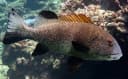
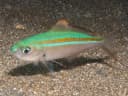
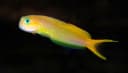
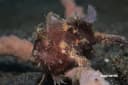
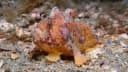
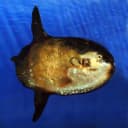
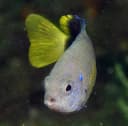
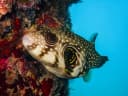
An oviparous animal lays eggs, and the young develop outside the parent's body. It is the strategy of most fish, and on a reef it takes two quite different forms.
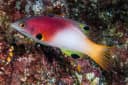
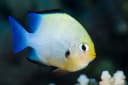
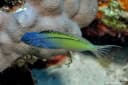
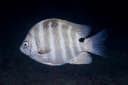
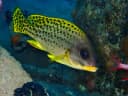
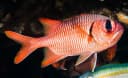
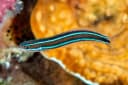
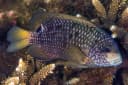
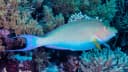
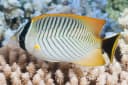
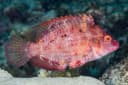
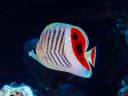
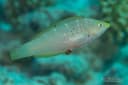
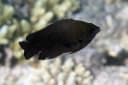
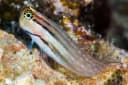
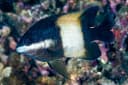
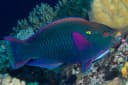
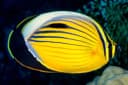
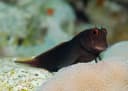
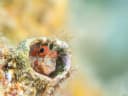
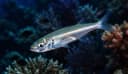
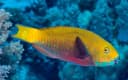
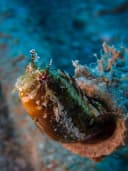
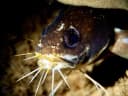
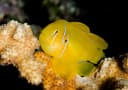
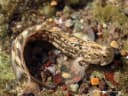
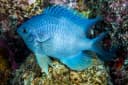
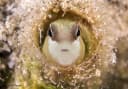
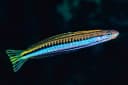
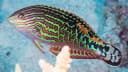
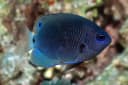
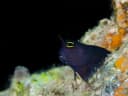
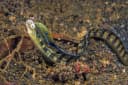
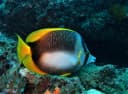
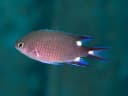
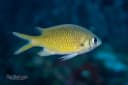
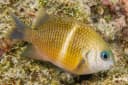
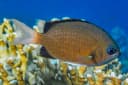
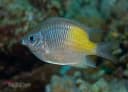
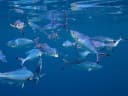
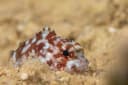
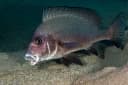
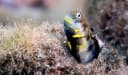
Broadcast spawners release eggs and sperm into open water, usually at dusk, often synchronized across a whole population, and leave everything to the plankton - millions of eggs against overwhelming losses. Demersal spawners do the opposite: fewer eggs, laid on a cleaned patch of rock, in a burrow or inside a shell, and guarded by a parent until they hatch. Clownfish, damselfish and most gobies work this way, and so, in their own fashion, do the mouthbrooders that carry the clutch in the mouth and do not eat while they do it.
Sharks and rays split along the same line. Some are oviparous and leave a tough egg case - the mermaid's purse - wedged among rocks or coral, while others are live-bearers. The distinction matters for conservation: an animal that produces a handful of well-developed young a year recovers from fishing far more slowly than one that spawns a million eggs.
Found in97