Highfin Fangblenny
Highfin Fangblenny
Highfin Fangblenny
Highfin Fangblenny
Highfin Fangblenny
Highfin Fangblenny
Highfin Fangblenny
Highfin Fangblenny
Highfin Fangblenny
Highfin Fangblenny
Highfin Fangblenny
Highfin Fangblenny
Highfin Fangblenny
Fishes · Bony fishes · Combtooth blenny

Highfin Fangblenny

Petroscirtes mitratus Rüppell, 1830
syn. Petrocirtes mitratus, Petroscirtes barbatus, Petroscirtes marmoratus, Petroskirtes barbatus, Petroskirtes marmoratus
7 - 11 cm1-12 mLeast Concern
761

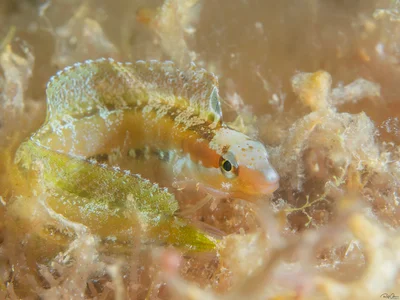
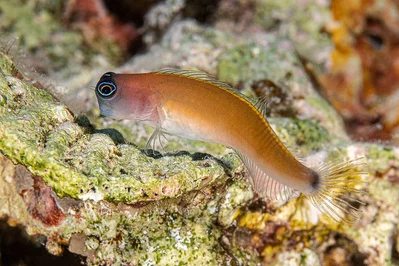
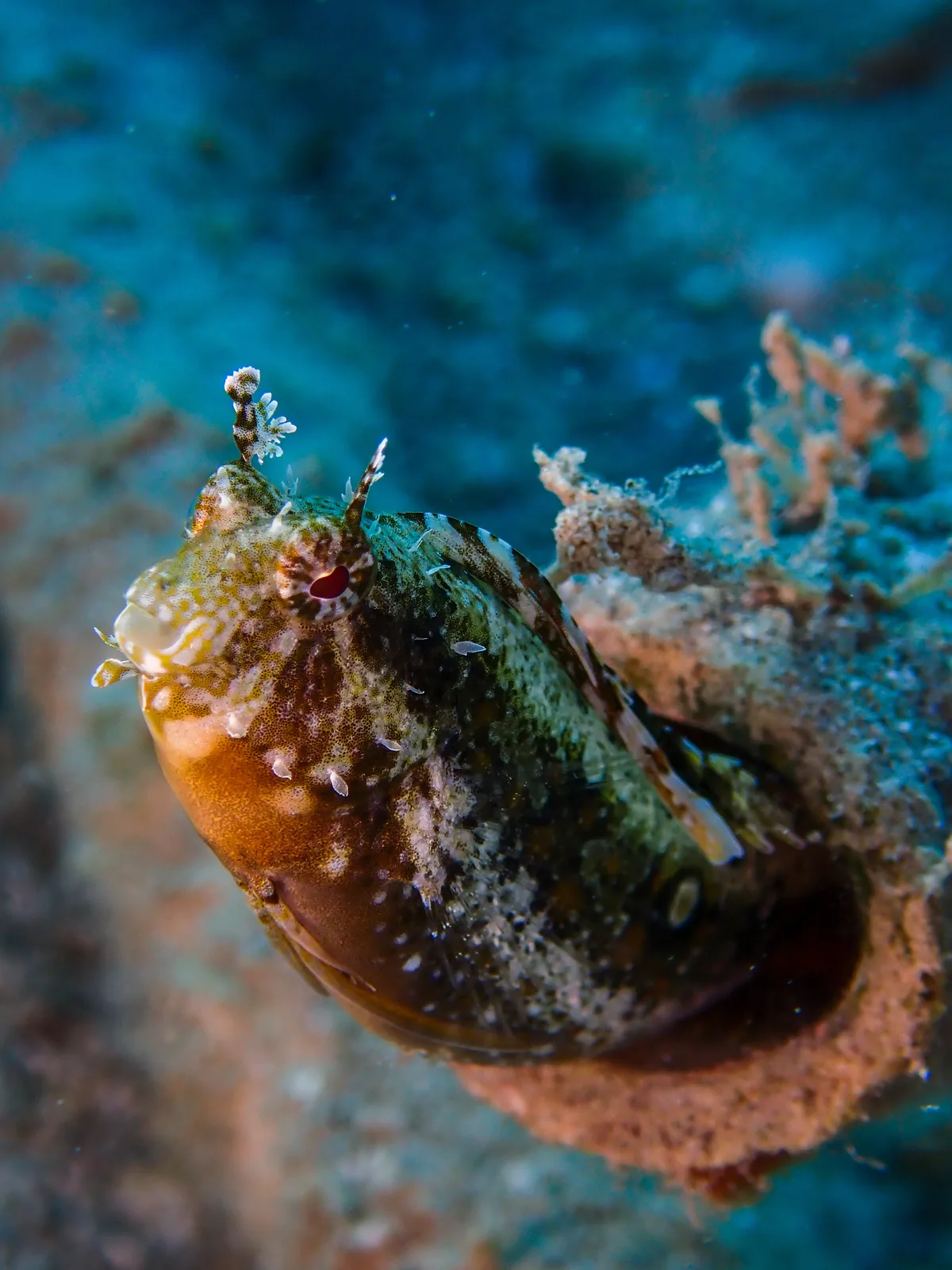
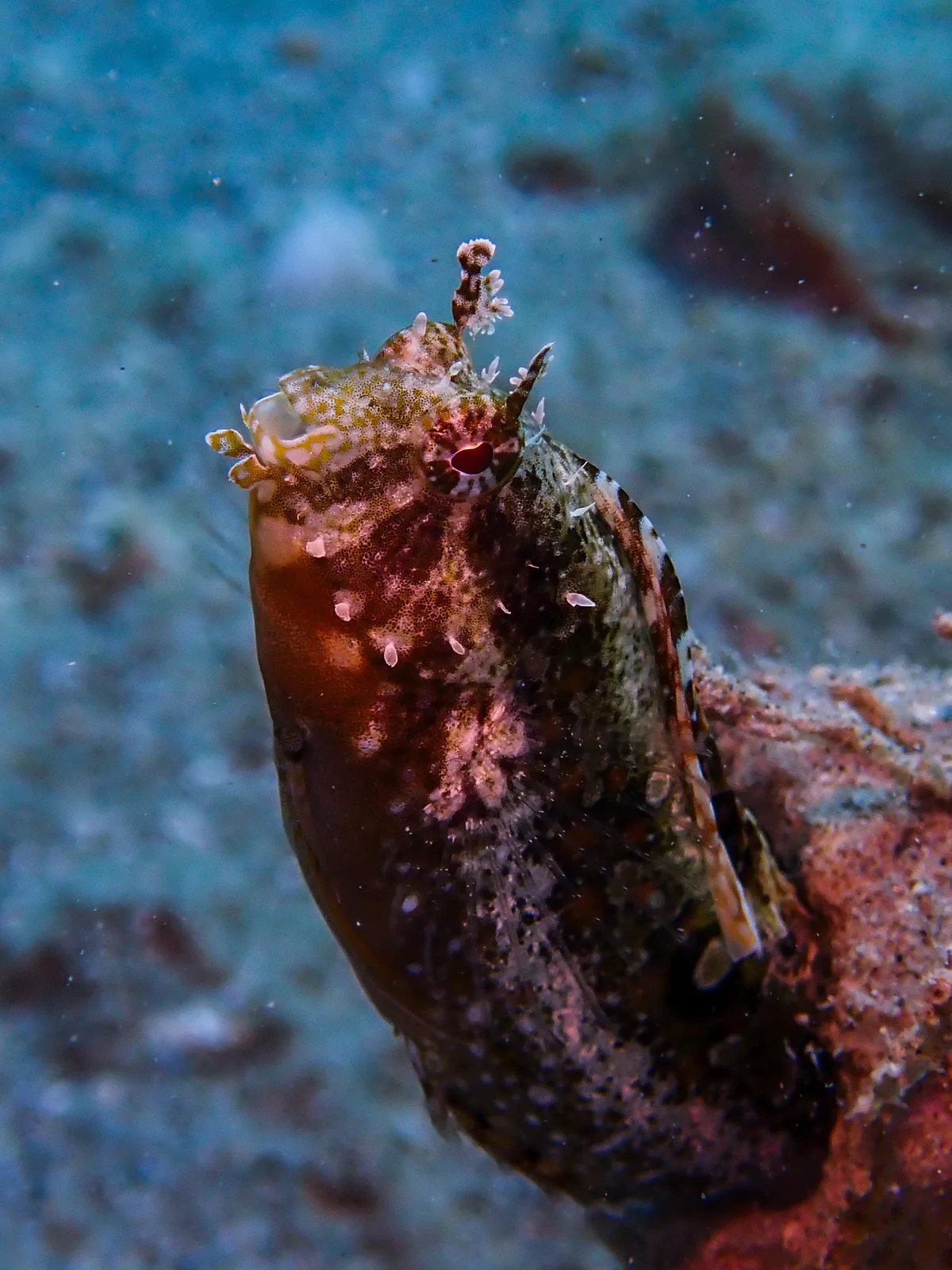
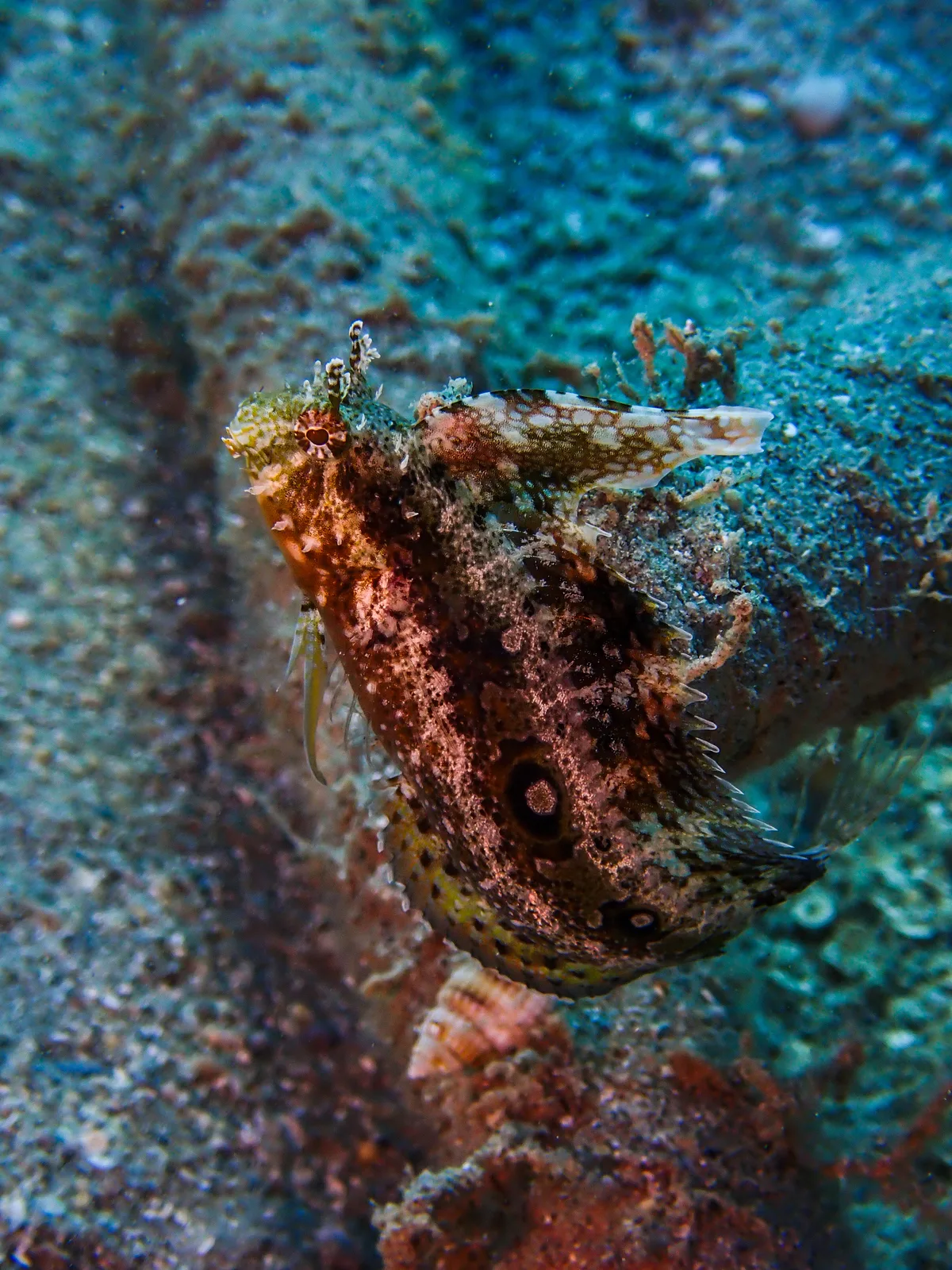
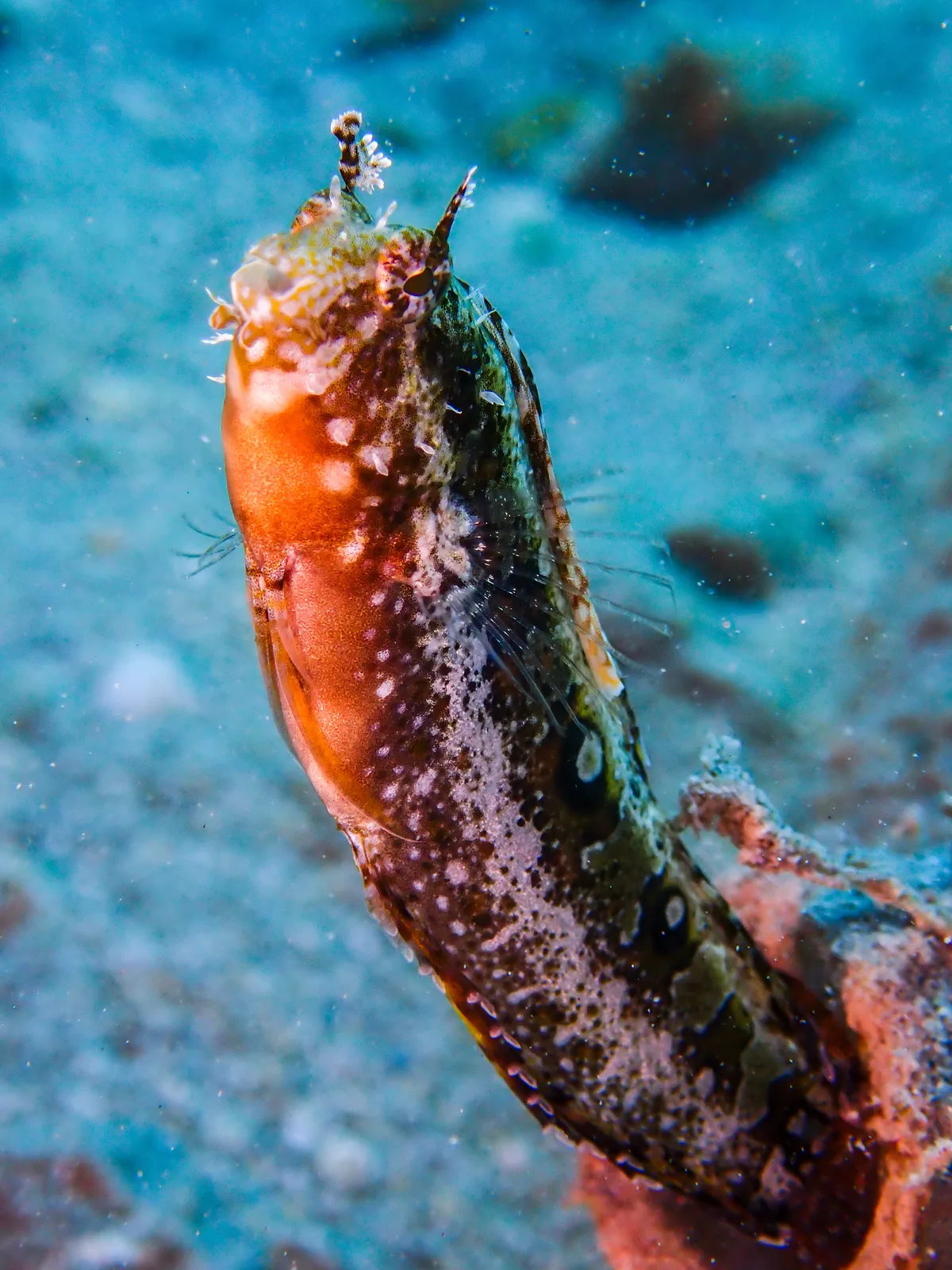
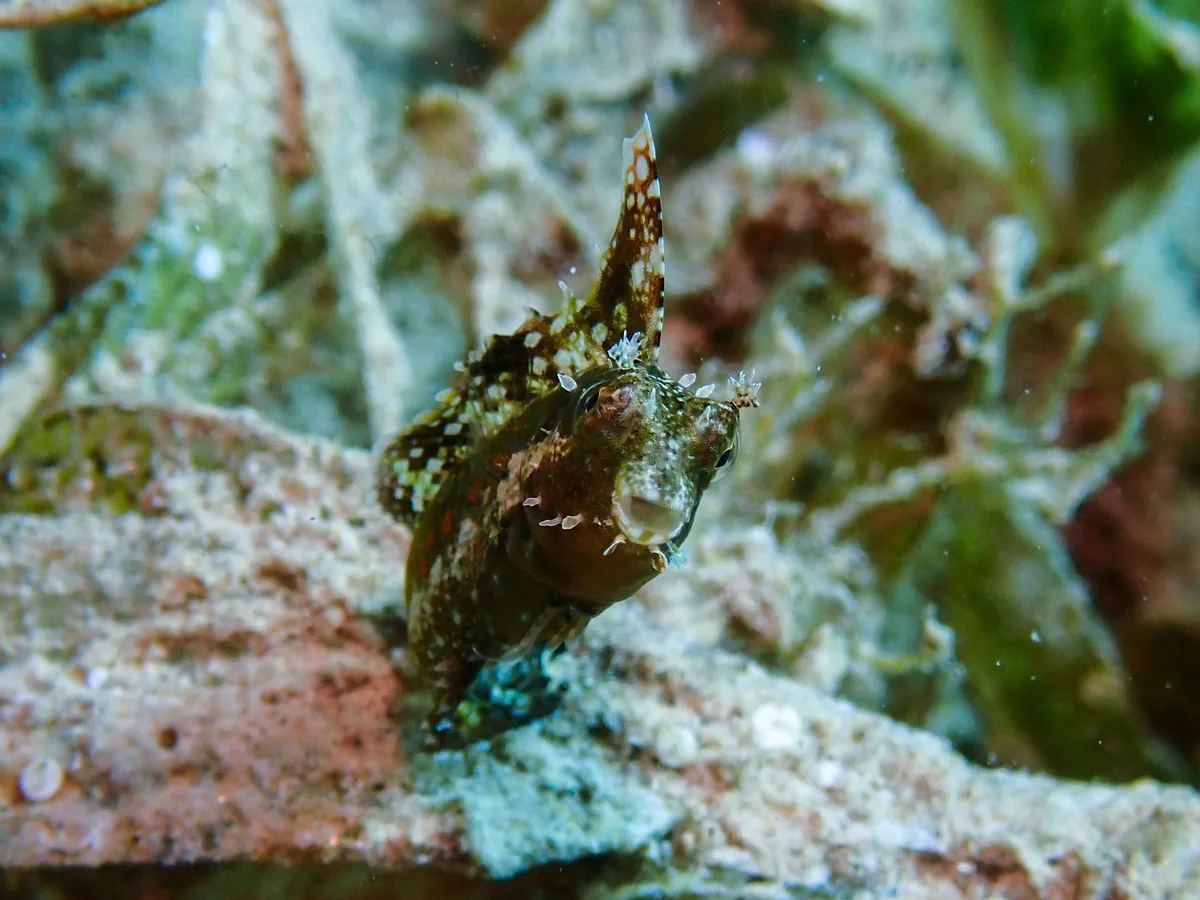
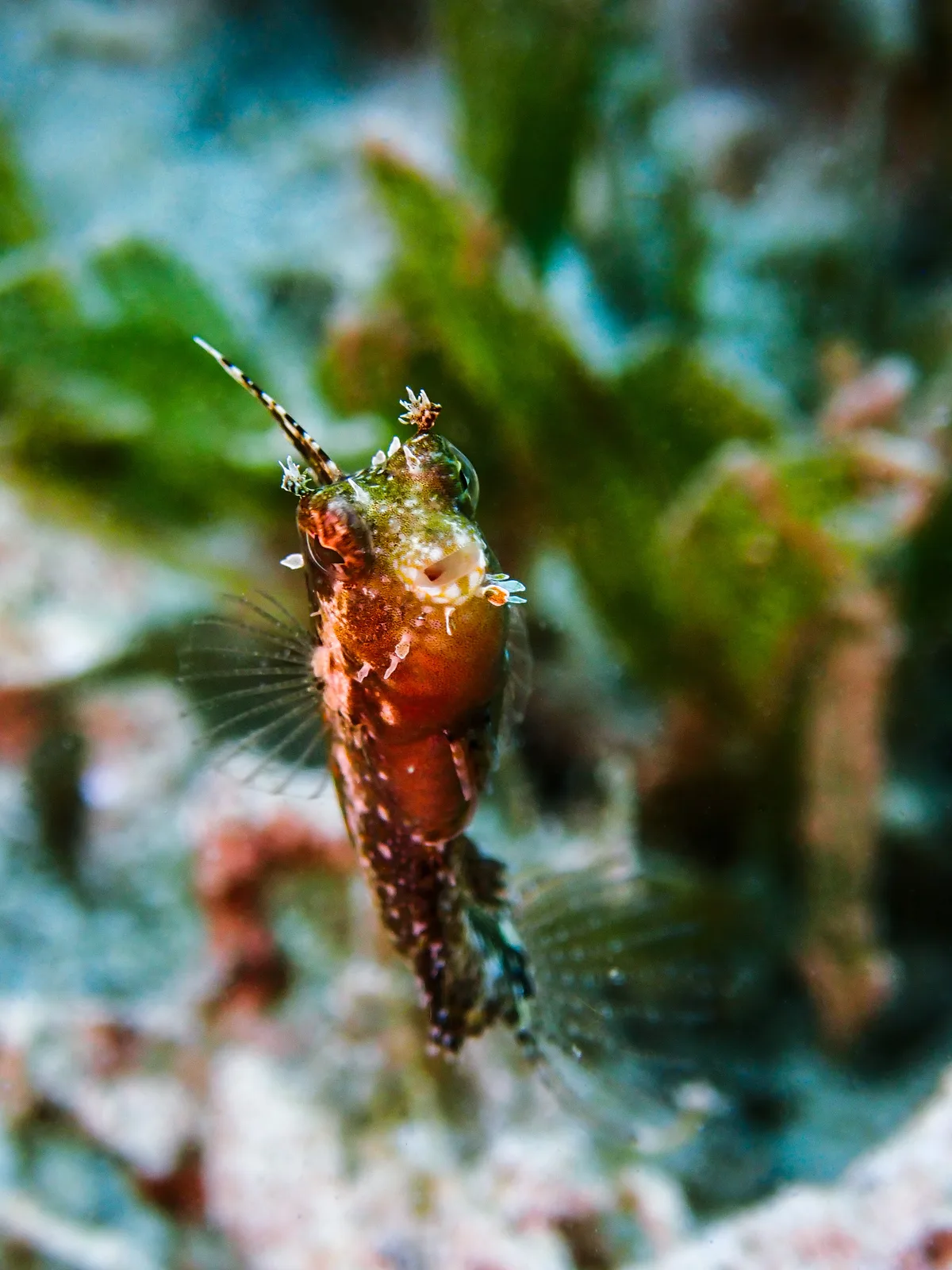
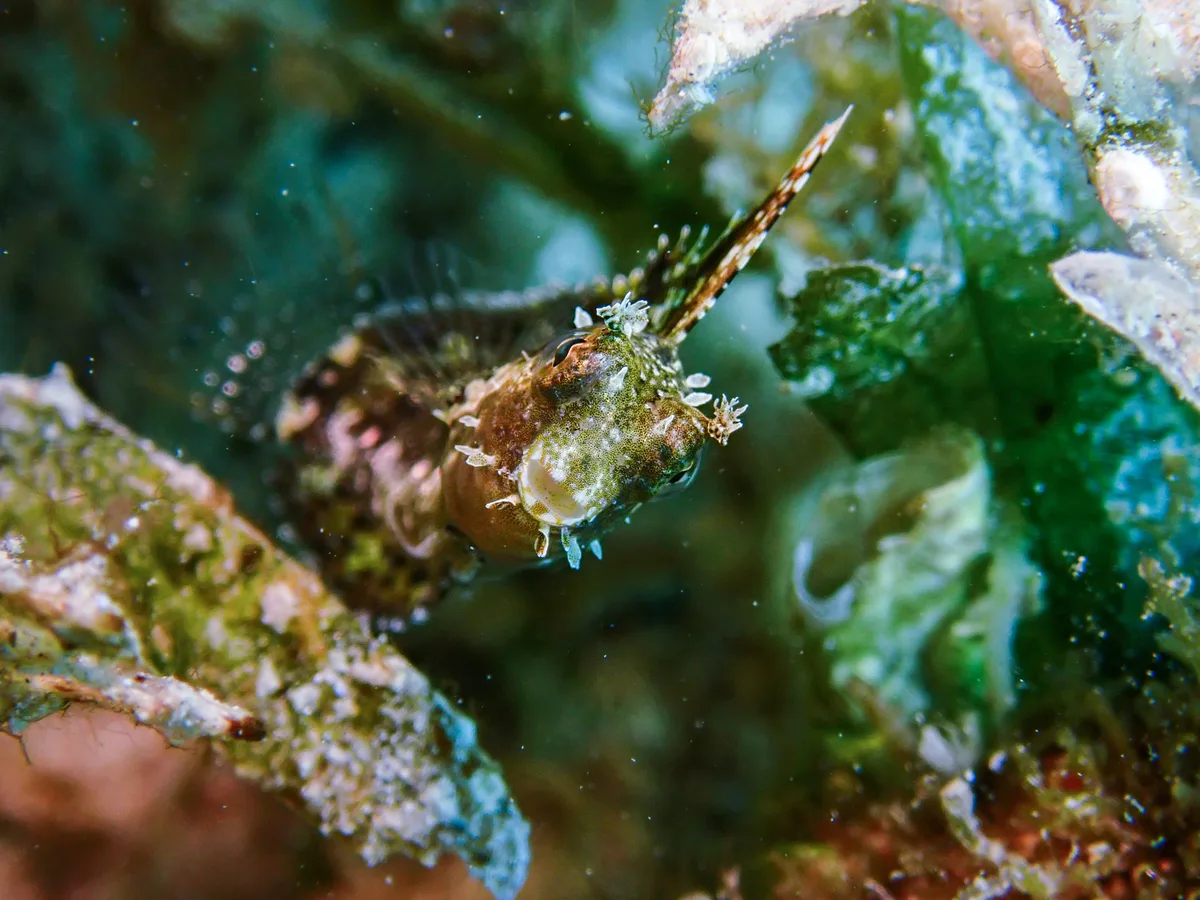
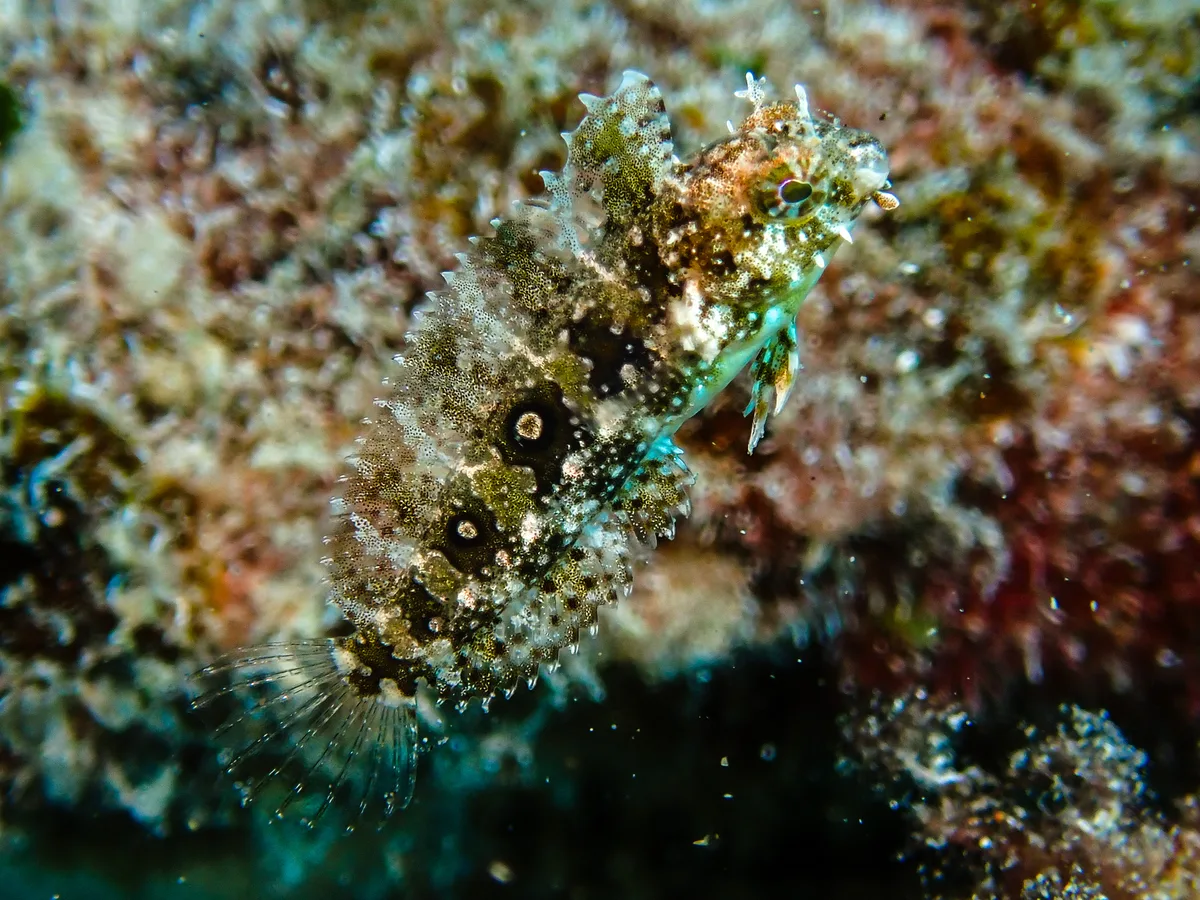
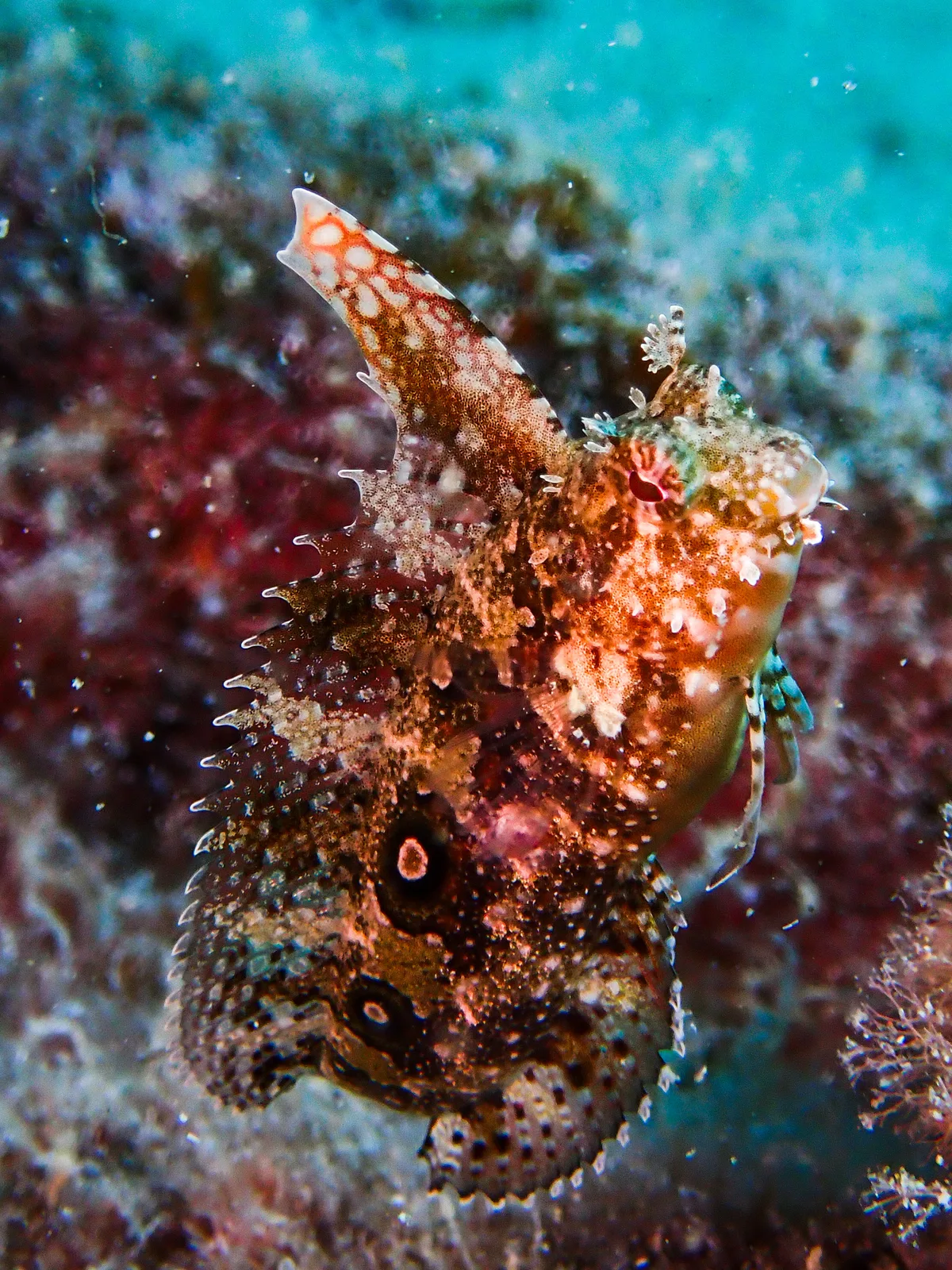
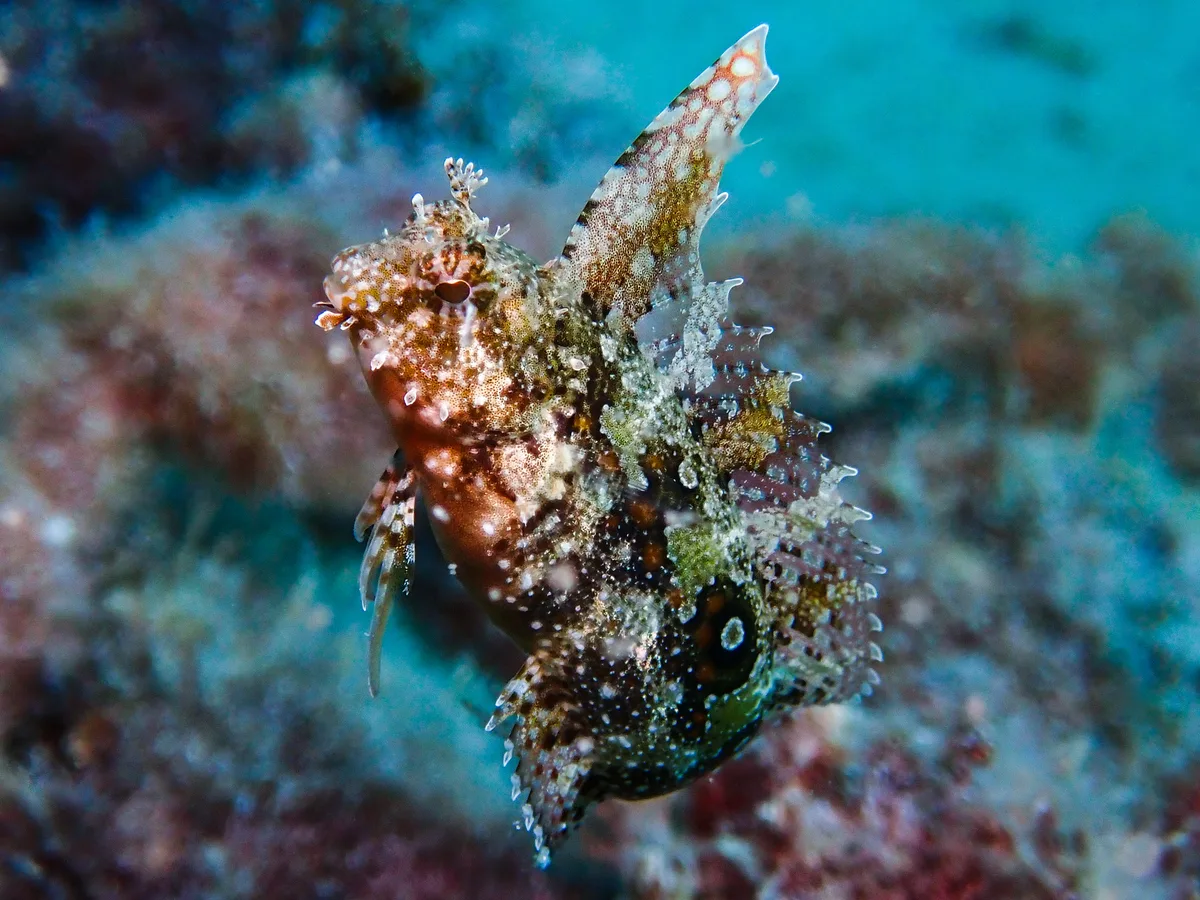
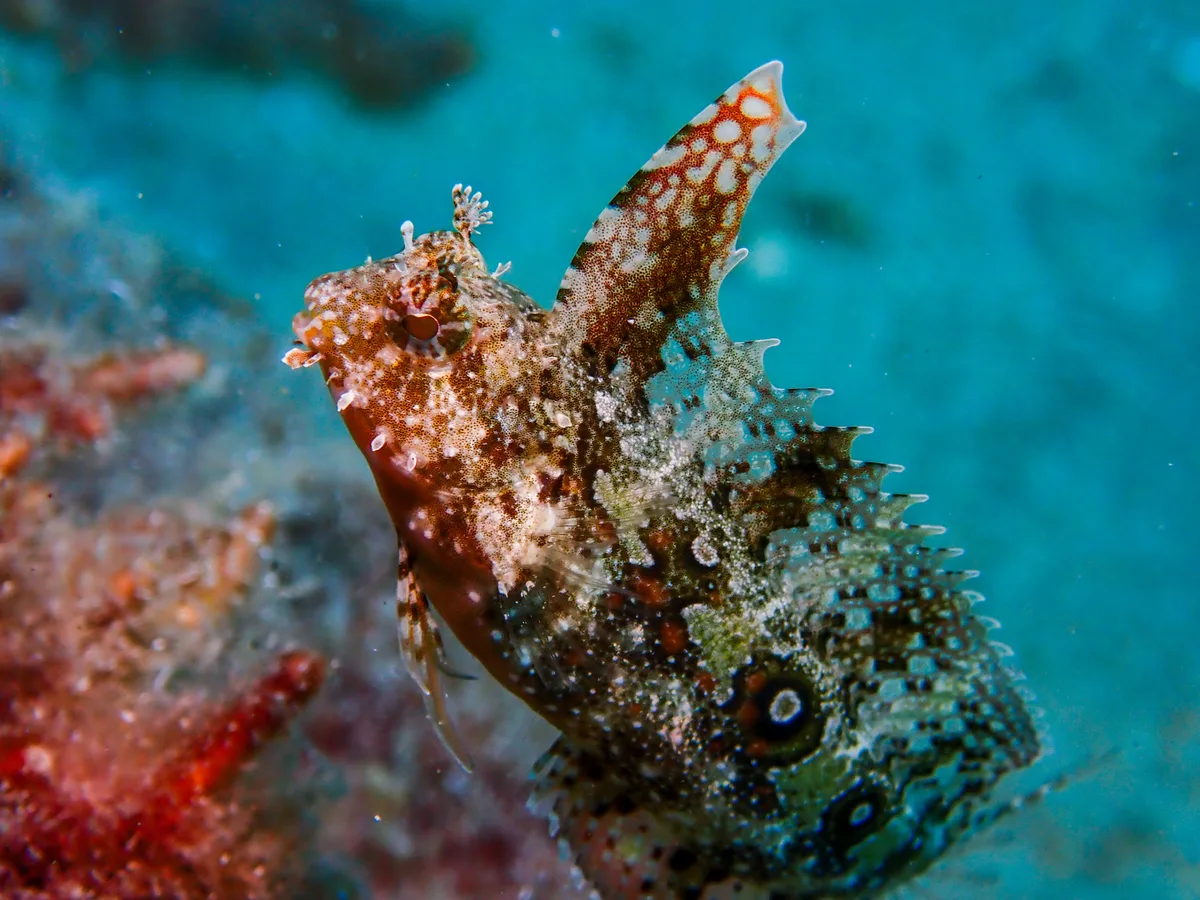
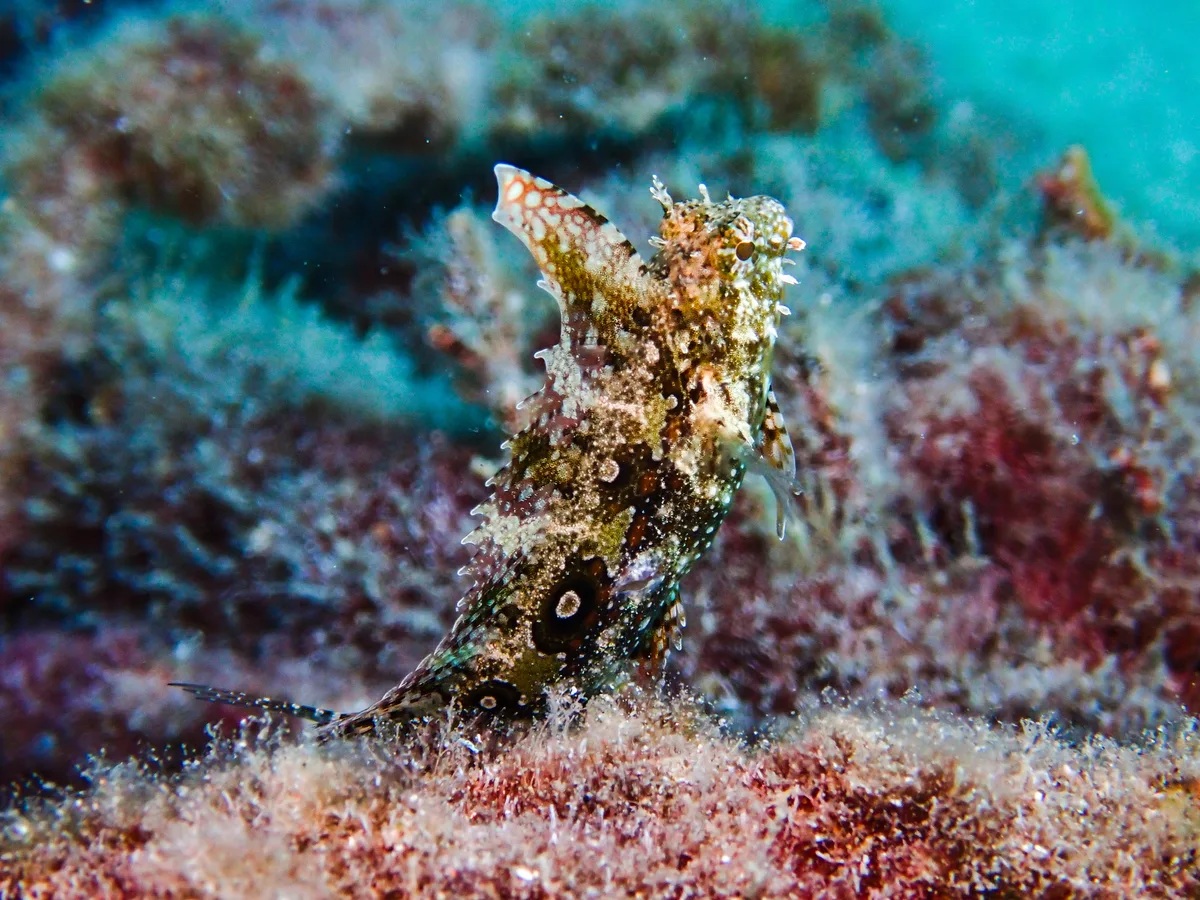
The Highfin Fangblenny (Petroscirtes mitratus), also known as the Mitre Blenny, is a small, intriguing fish species that can be found in the coral-rich environments of the 🌊 Red Sea. Distinguished by its elongated body and the prominent dorsal fin that stretches along the majority of its body, this fish typically grows to a length of around 7-11 cm (2.8-4.3 inches).

The Highfin Fangblenny possesses a unique color pattern that helps it to blend in with its surroundings. Its body is often a mottled brown or grey, which provides excellent camouflage among the corals and rocks. The "highfin" in its name comes from the tall, sail-like dorsal fin which is marked with a series of spots or bands that may enhance its camouflage or play a role in communication and mating.

This species is part of the blenny family, which is known for their strong fangs. Highfin Fangblennies have two large canine teeth in the lower jaw which are primarily used for defense and territorial disputes, but these fangs are also associated with a distinctive behavior; some blennies, including this species, imitate cleaner wrasses, allowing them to approach other fish and nip off a piece of skin or mucus. This mimetic behavior is a clever adaptation that allows them to feed opportunistically.

Typically seen darting around head corals or hiding among the crevices, the Highfin Fangblenny is an expert at quick getaways. Its slender body allows it to slide into small gaps that predators can't access. They are a solitary species that exhibit territorial behavior, often fiercely defending their chosen hideout from rivals.

In terms of reproduction, Highfin Fangblennies are oviparous, with females laying eggs that are then fertilized by the male. The eggs are often attached to the substrate in a secure location.

Divers and snorkelers in the 🌊 Red Sea may spot these small fish perched on coral heads or swimming with quick, darting motions. Their intriguing behavior and unique appearance make the Highfin Fangblenny a delightful species for marine enthusiasts to observe. However, care should be taken by divers and aquarists alike, as the fangblenny's bite can be painful, though not dangerous to humans.

Why it's threatened

Residential & commercial development
Housing & urban areas · Commercial & industrial areas · Tourism & recreation areas
Pollution
Thermal pollution

Substantial sea bottom dredging, resulting in changes of water flow and sedimentation rates, for industrial, infrastructure-based, and residential and tourism development along the coast have caused deterioration in most benthic habitats (Sheppard et al. 2010). For example, large number of desalination plants on the coast of the Persian Gulf leads to localized increases in temperature and salinity (Q. Alghawzi, D. Feary, and S. Hartmann pers. comm. 2014). It is not known whether or not this species is directly affected by this coastal development, but due to the large-scale of coastal development throughout the Persian Gulf and given this species's habitat preferences, it's likely it is impacted negatively in some parts of the region.

Threat classification from the IUCN Red List.

Comments

Please, sign in to leave a comment

Continue with a social account — yours will be created automatically.

No comments yet — be the first.

Last Update: June 28, 2026