Lemon Coralgoby
Lemon Coralgoby
Lemon Coralgoby
Lemon Coralgoby
Poisonous© Rafi Amar
Fishes · Bony fishes · Gobies

Lemon Coralgoby

Gobiodon citrinus (Rüppell, 1838)
syn. Gobiodon hypselopterus, Gobius citrinus
6.6 cm2-20 mPoisonousEndangered
887

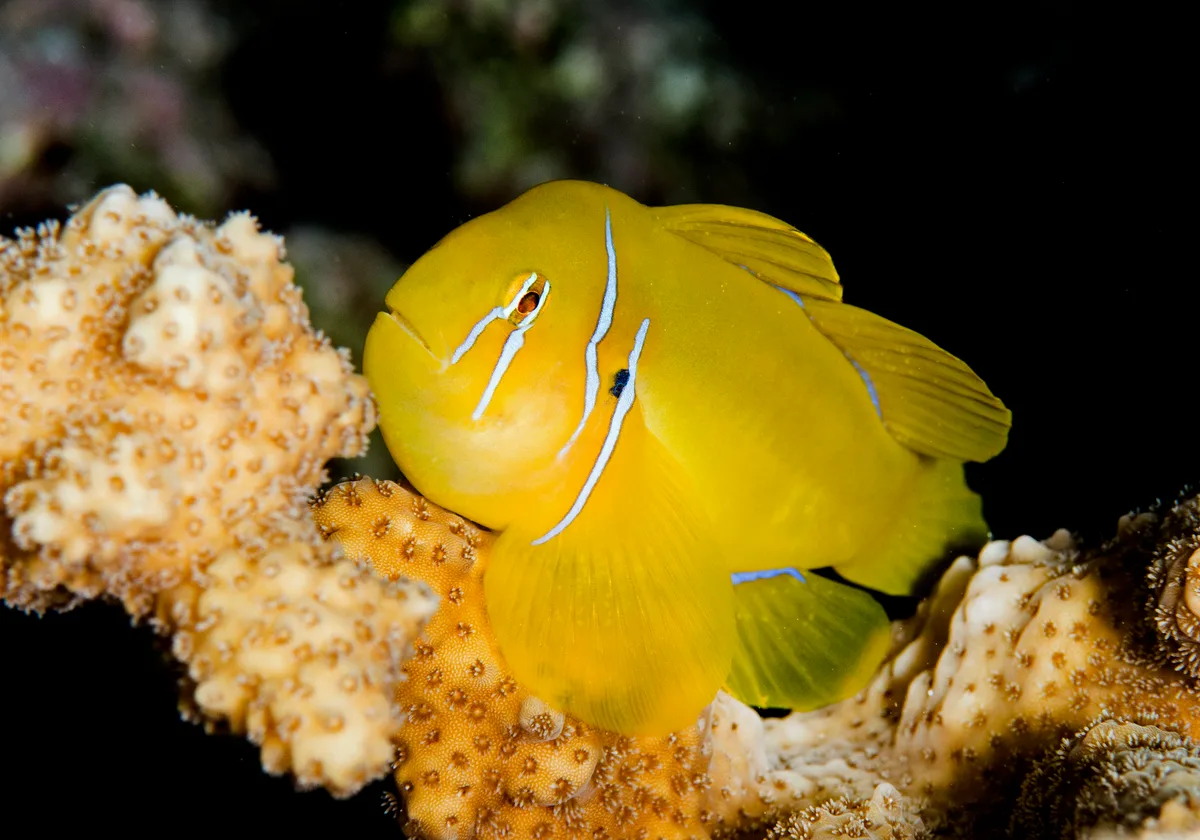
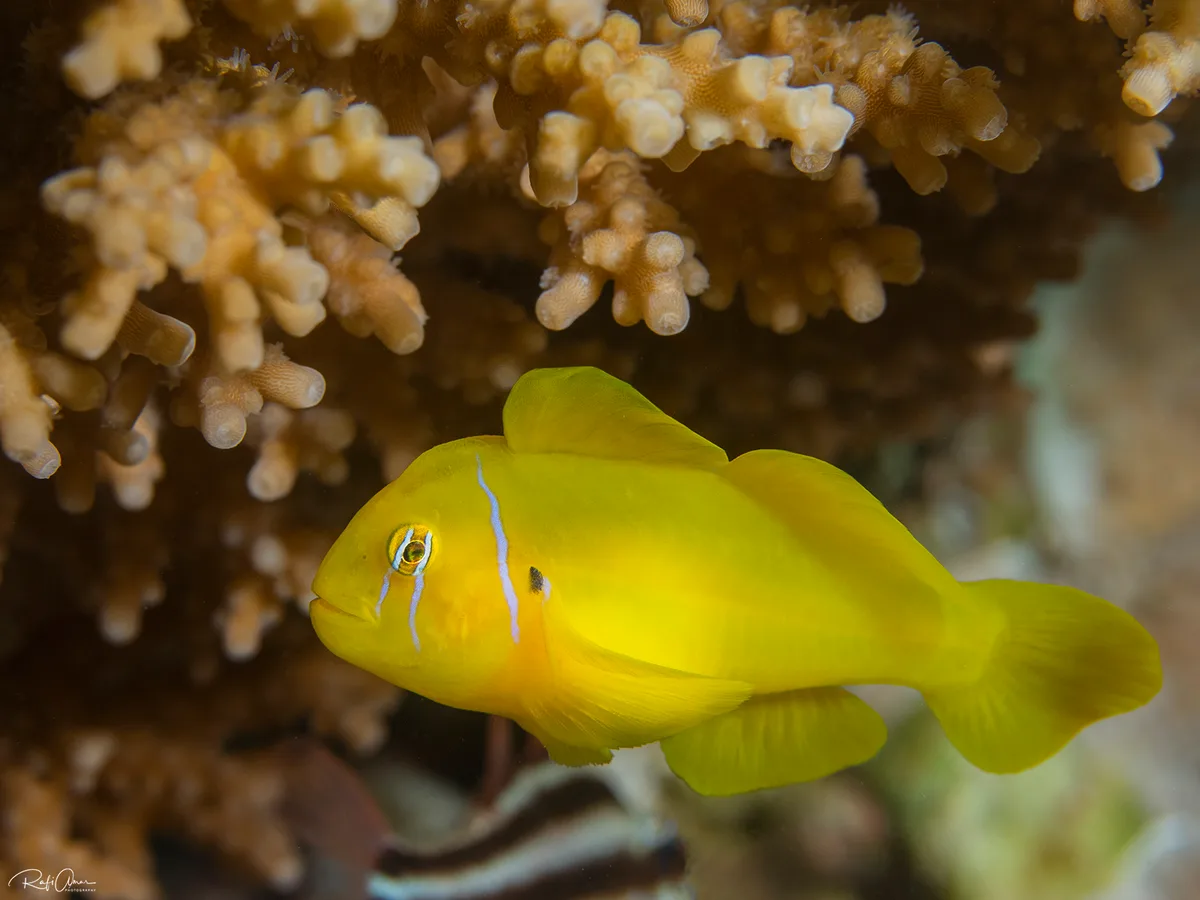
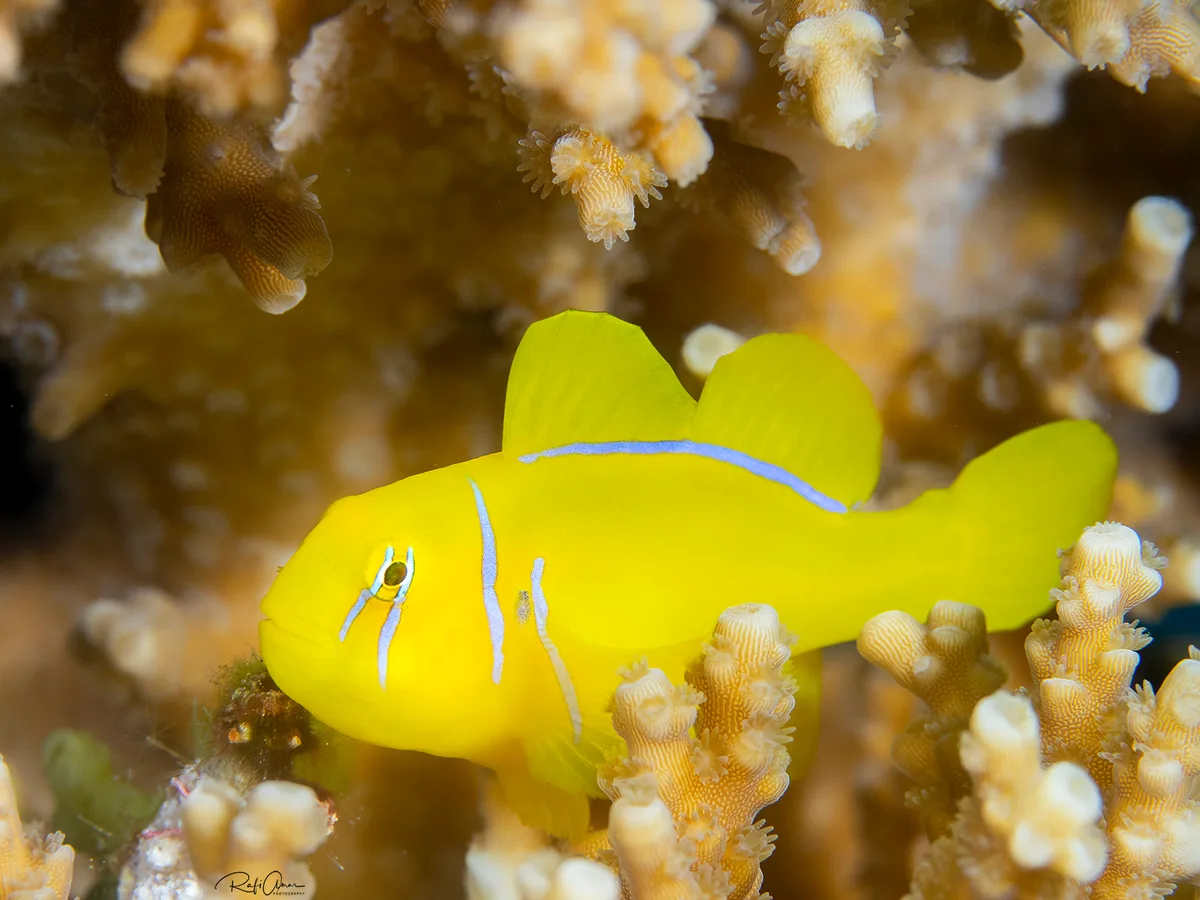
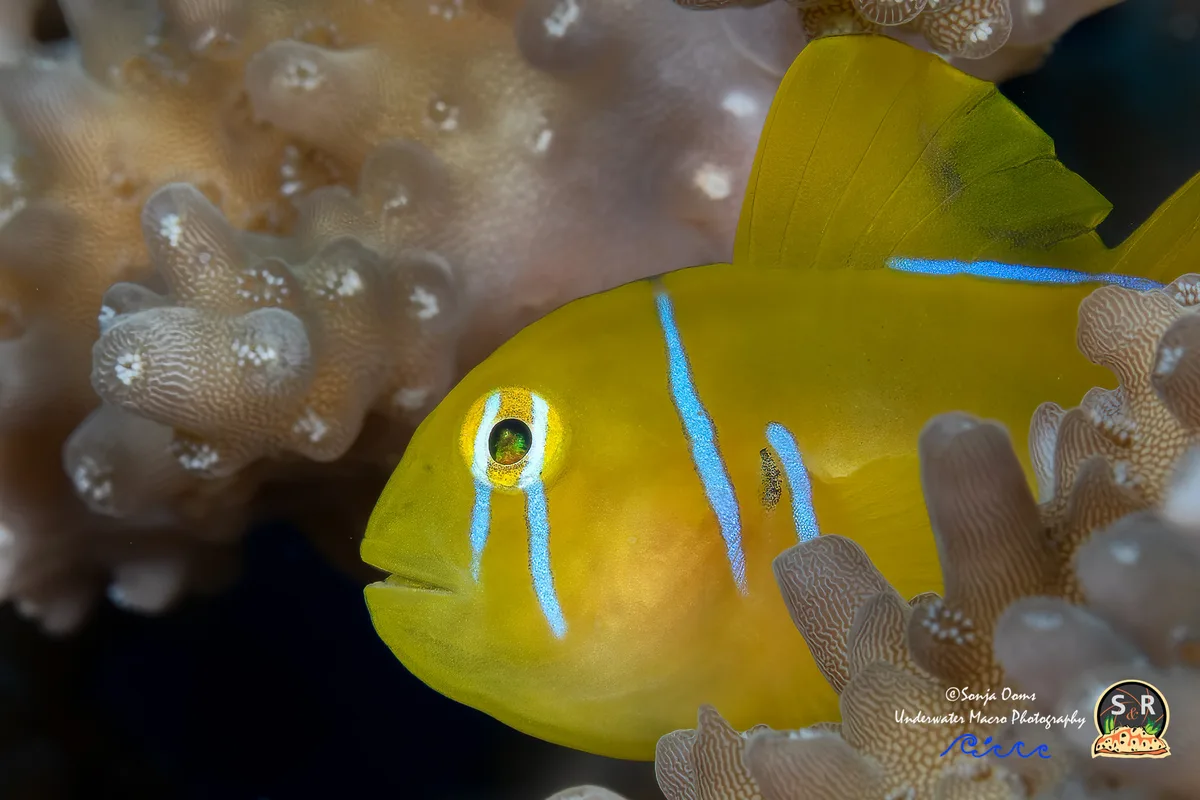
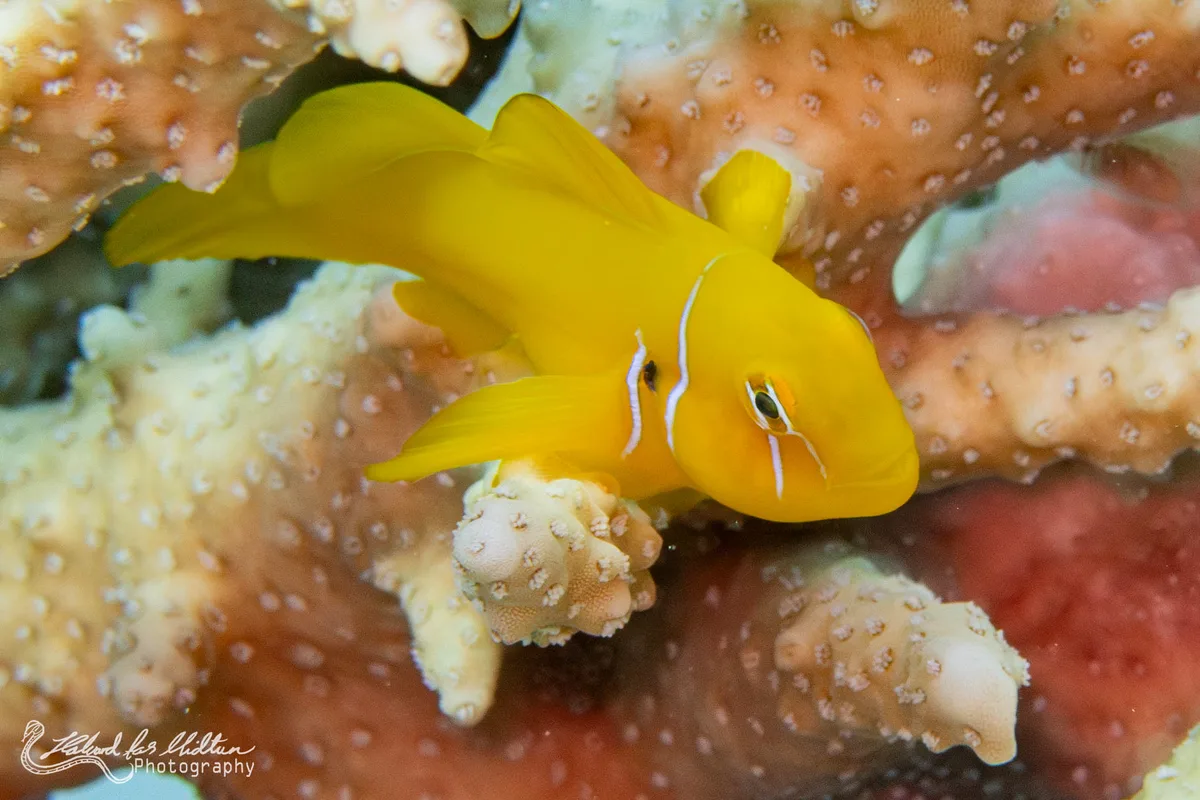
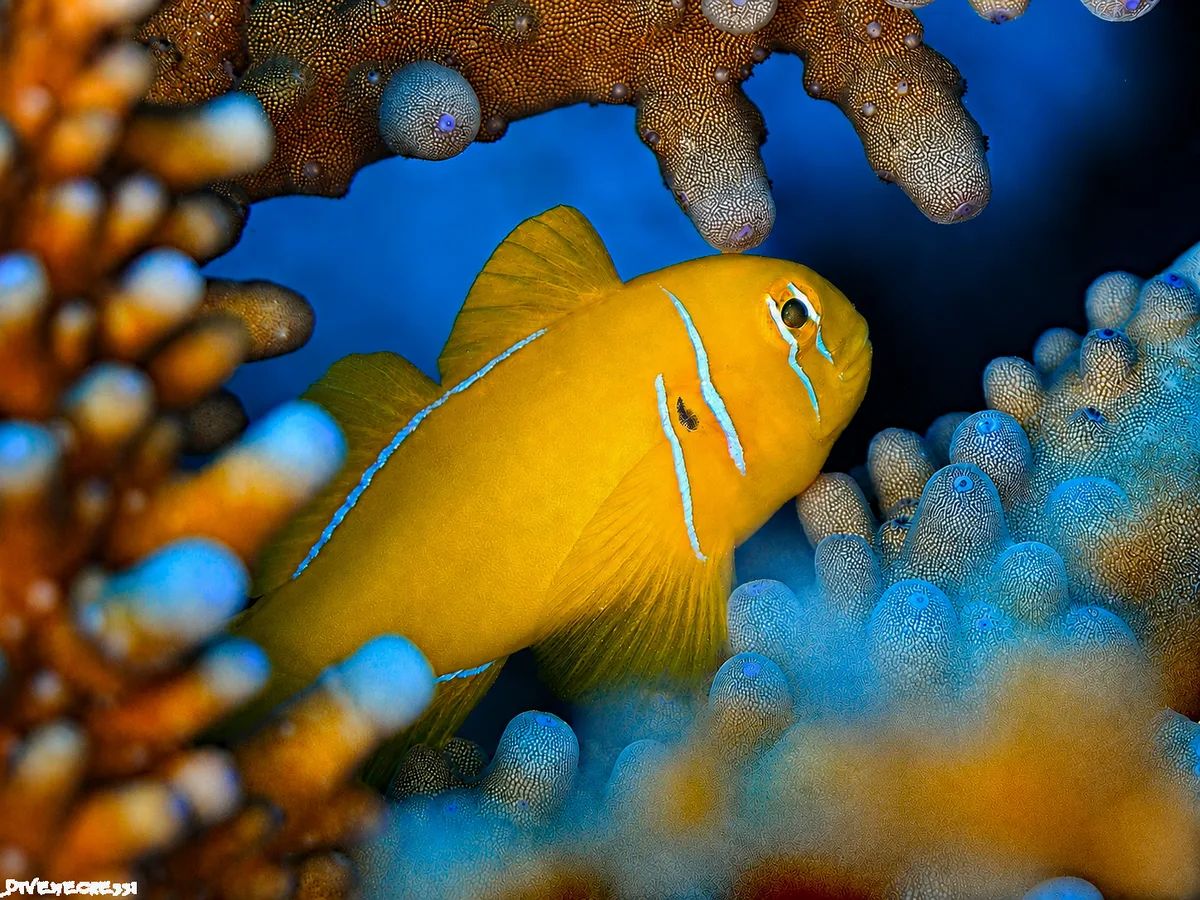
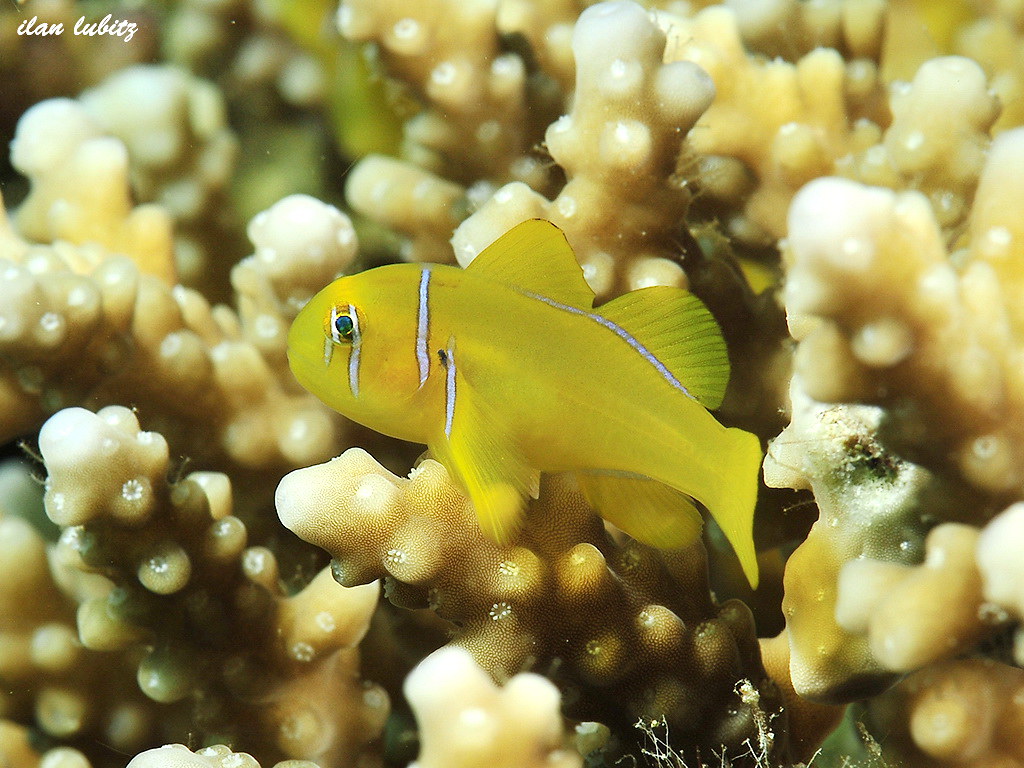
The Lemon Coralgoby (Gobiodon citrinus), also known as the undefined Goby, is a small, colorful fish native to tropical marine environments of the Indo-West Pacific region. It can be found from the 🌊 Red Sea and the African coast all the way to 🇯🇵 Japan, 🇼🇸 Samoa, and the Great Barrier Reef. Typically residing in reef environments, these gobies live at depths ranging from 2 to 20 meters (7 to 66 feet) and form close associations with Acropora corals.

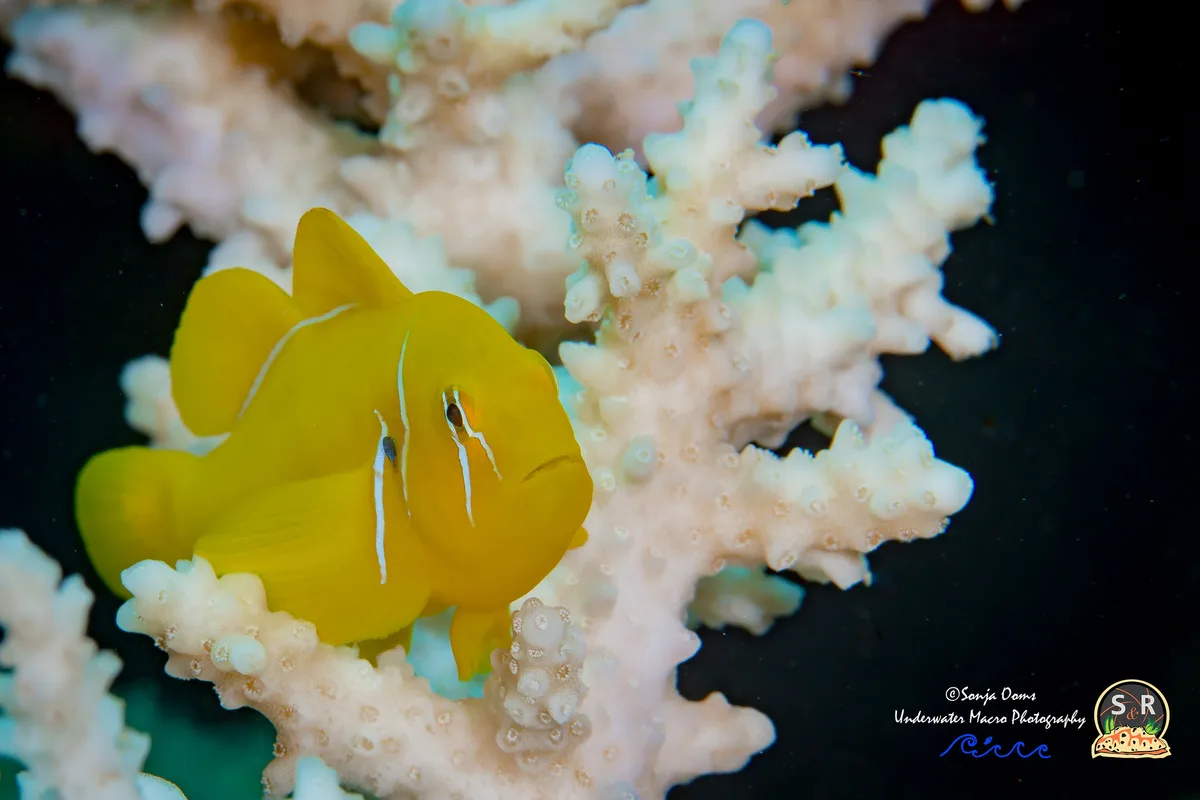
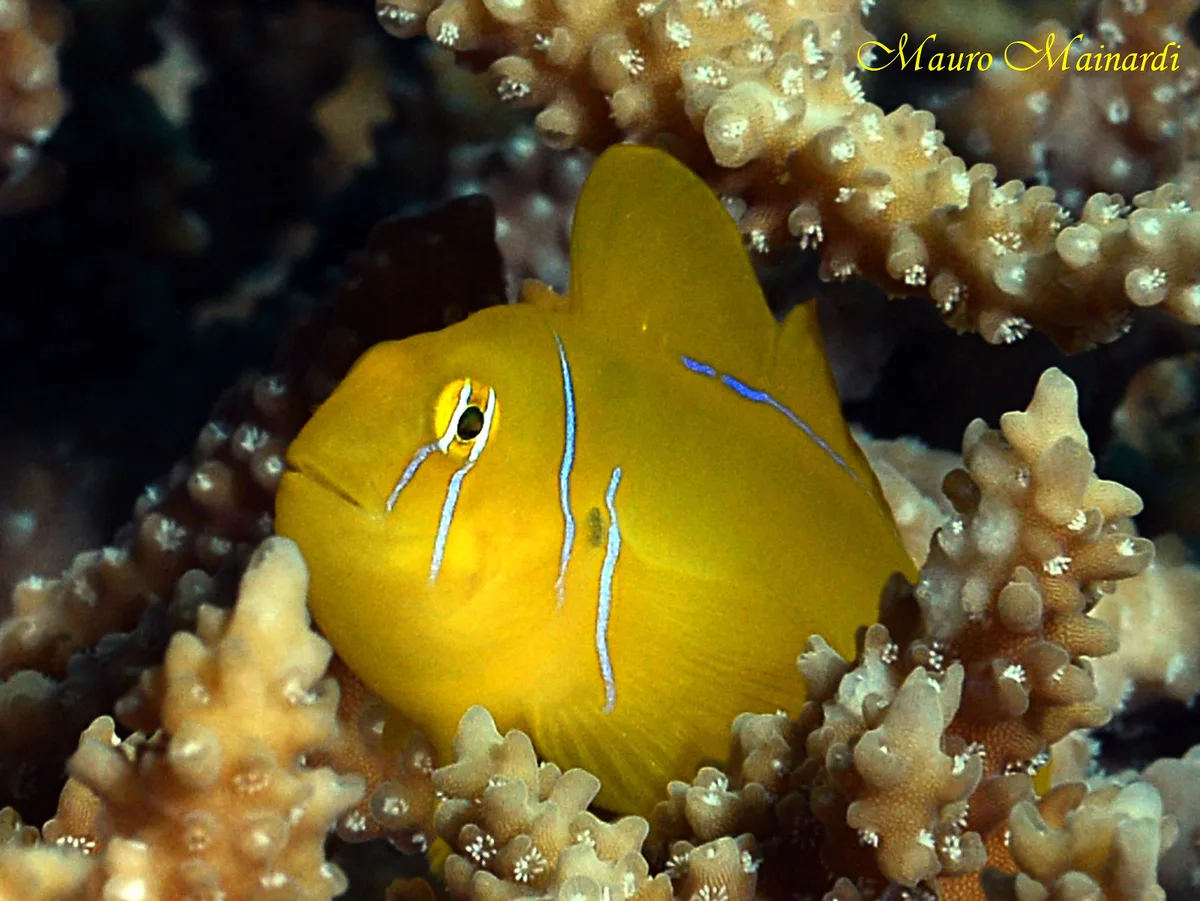
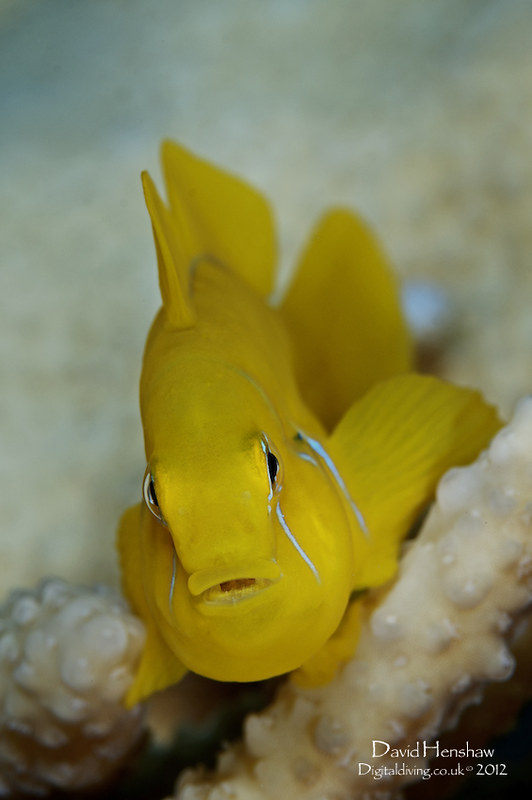
This species is known for its variable coloration, which can range from pale yellow to dark brown. Notable features include distinctive blue vertical lines around their eyes and gills, and a blue stripe running along the base of the dorsal fin. The Lemon Coralgoby can grow up to 6.6 centimeters (2.6 inches) in total length.

In addition to their vibrant appearance, they have some unique biological traits. The fish produce a toxic mucus, likely serving as a defense mechanism. They are also known to breathe air when necessary, thanks to an adaptation within their genus. The fish often exist solitarily or in pairs and primarily feed on small invertebrates and zooplankton. They are oviparous, laying eggs that develop on the ocean floor, and have been successfully reared in captivity, making them a popular choice in the commercial aquarium trade.

Despite their small size, the Lemon Coralgoby are important members of their ecosystem, particularly as they engage in symbiotic relationships with coral species. They contribute to both the biodiversity and the intricacy of the coral reef environment they inhabit.

Why it's threatened

Residential & commercial development
Housing & urban areas · Commercial & industrial areas · Tourism & recreation areas
Human intrusions & disturbance
Work & other activities
Climate change & severe weather
Temperature extremes
Other
Other threat

In the Persian Gulf, substantial sea bottom dredging, resulting in changes of water flow and sedimentation rates, for industrial, infrastructure-based, and residential and tourism development along the coast have caused deterioration in most benthic habitats (Sheppard et al. 2010). Coral assemblages in the Persian Gulf, are estimated (likely overestimated) to have a total area of occupancy of 700 km². Al-Ghadban and Price (2002) determined that by the early 1990s, 40% of most of the Persian Gulf states' coasts had been developed in some way. It is not known whether or not G. citrinus is directly affected by coastal development, but due to the large-scale of coastal development throughout the Persian Gulf and given the habitat preferences of the species, it is likely that it is impacted negatively in some parts of the region. As a result of increasing sea surface temperatures, coral bleaching events have also increased in frequency over the past few decades (Burt et al. 2014), degrading coral assemblages in the Persian Gulf, especially those found nearshore in the southern Persian Gulf. This is likely to also have a negative impact on this species.

Threat classification from the IUCN Red List.

Comments

Please, sign in to leave a comment

Continue with a social account — yours will be created automatically.

No comments yet — be the first.

Last Update: June 28, 2026