Immaculate Puffer
Immaculate Puffer
Immaculate Puffer
© Rafi Amar
Fishes · Bony fishes · Puffers

Immaculate Puffer

Arothron immaculatus (Bloch & Schneider, 1801)
syn. Crayracion immaculatus, Dilobmycterus sordidus, Dilobomycter sordidus, Tetraodon aspilos, Tetraodon immaculatus, Tetraodon kunhardtii +5 more
37.5 cm775 g3-30 mLeast Concern
850

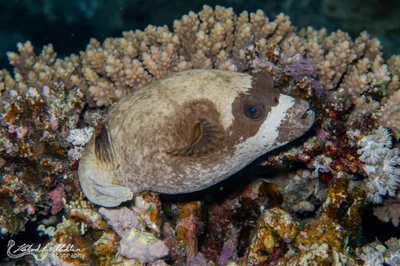
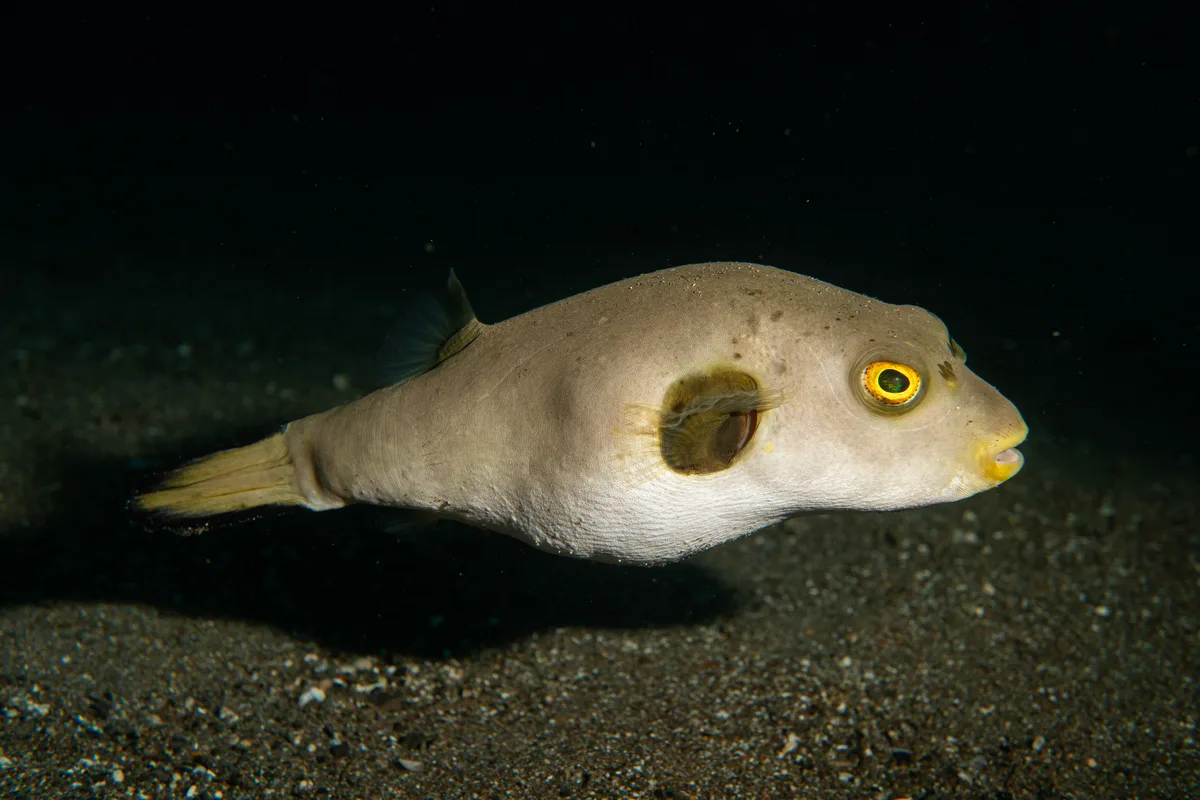
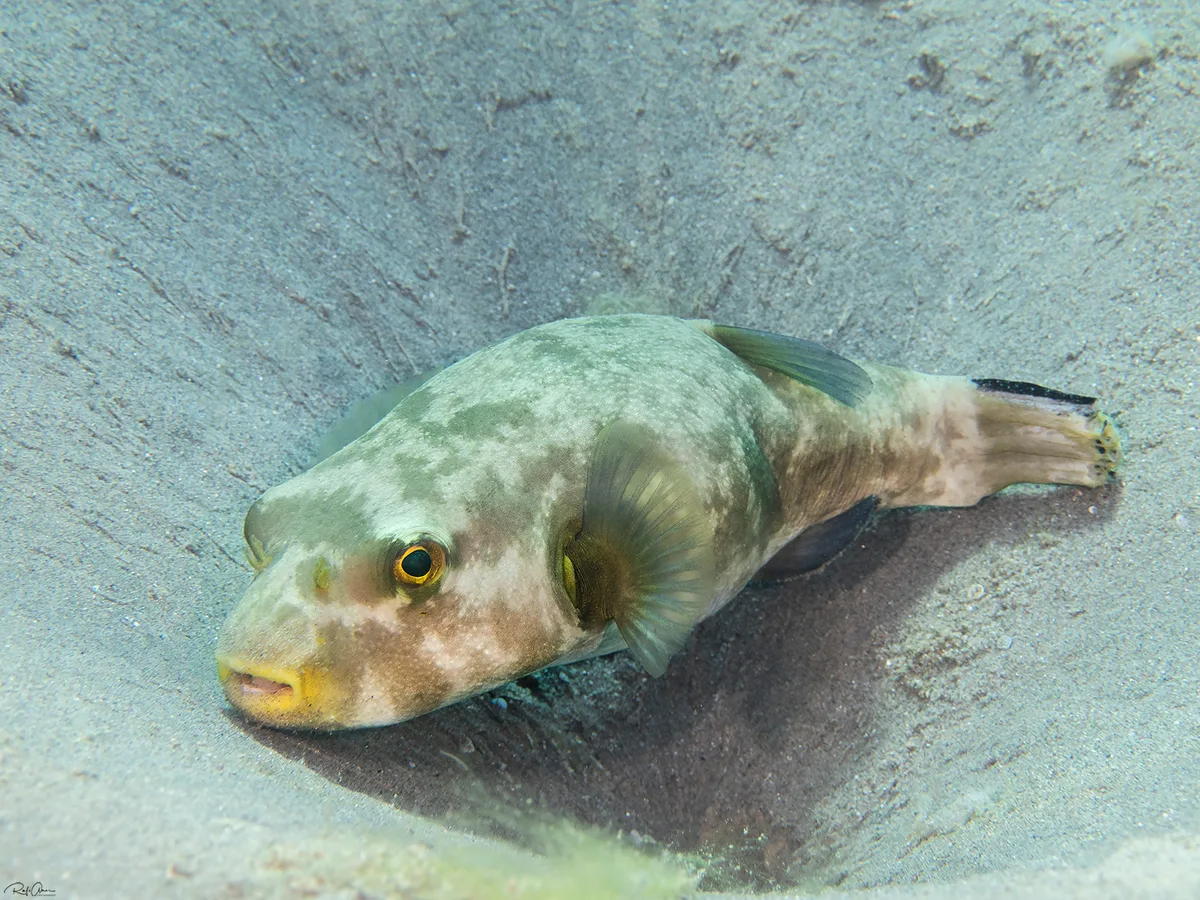
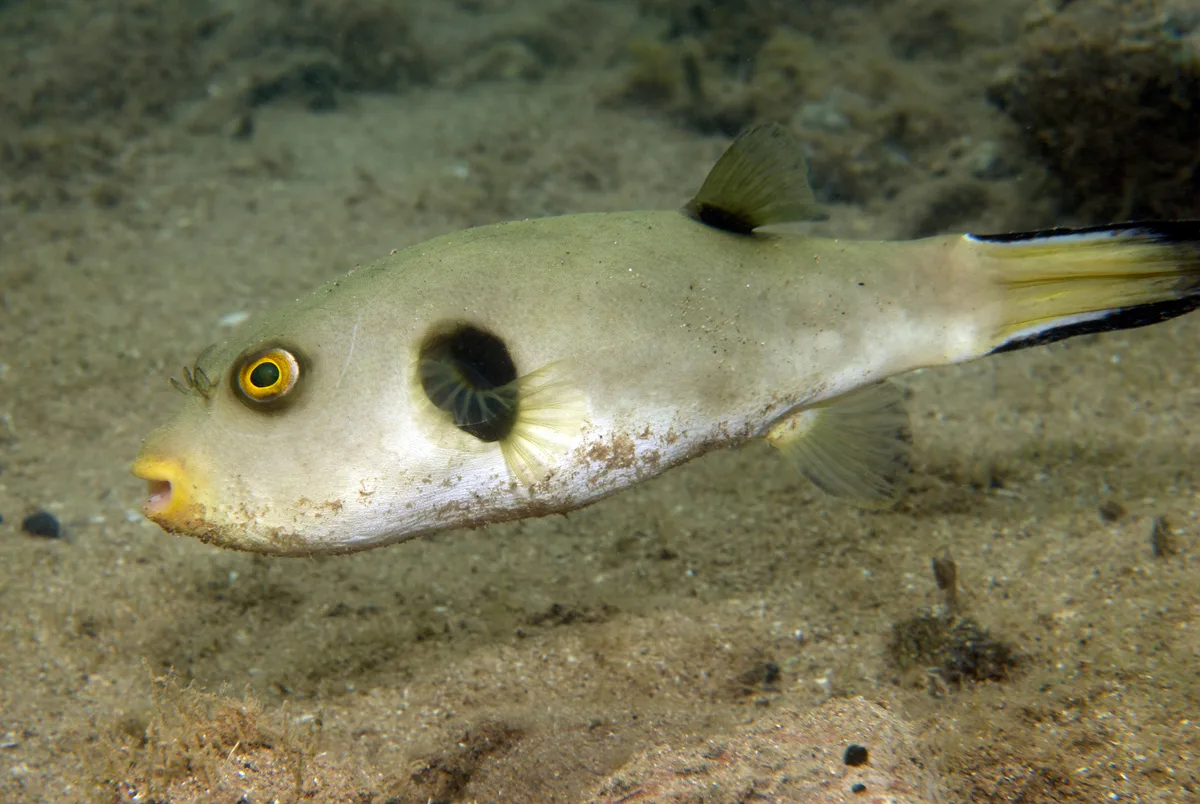
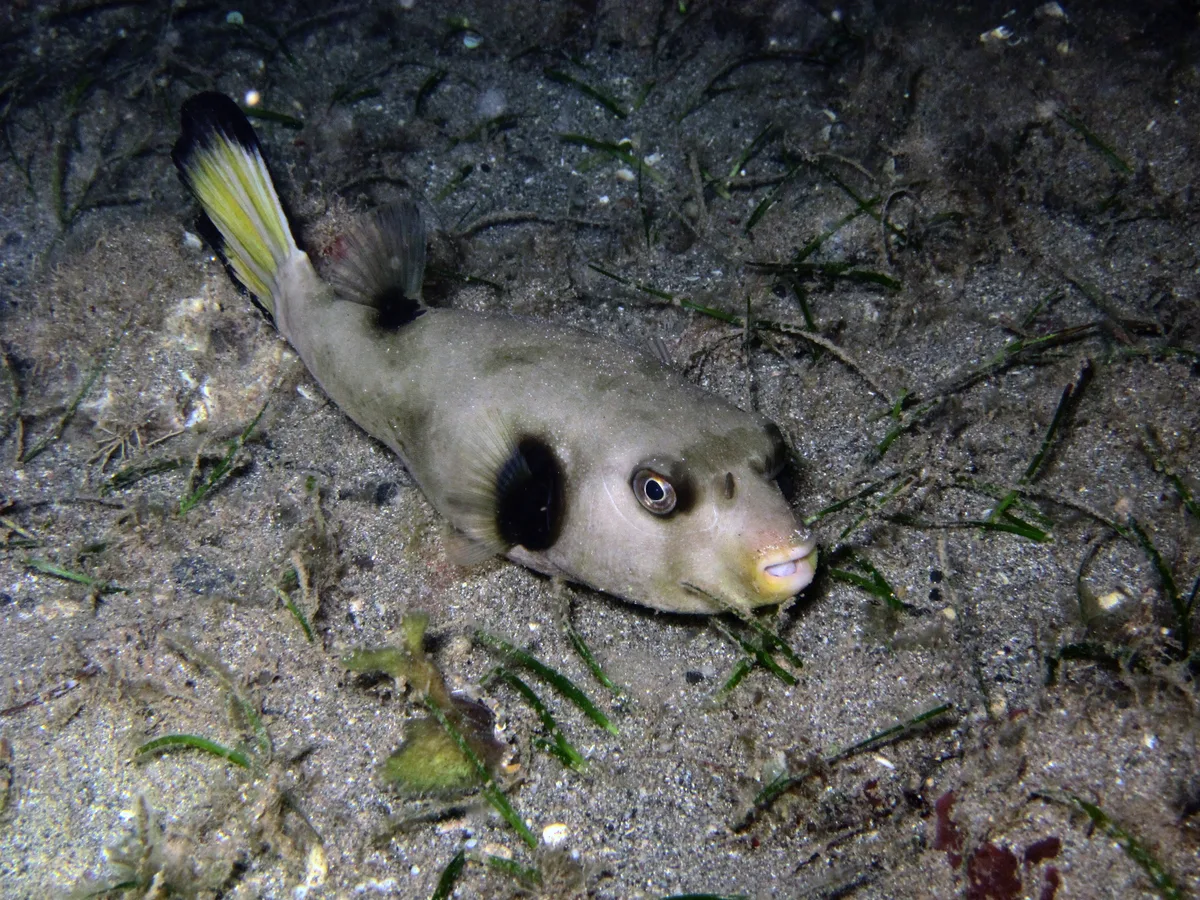
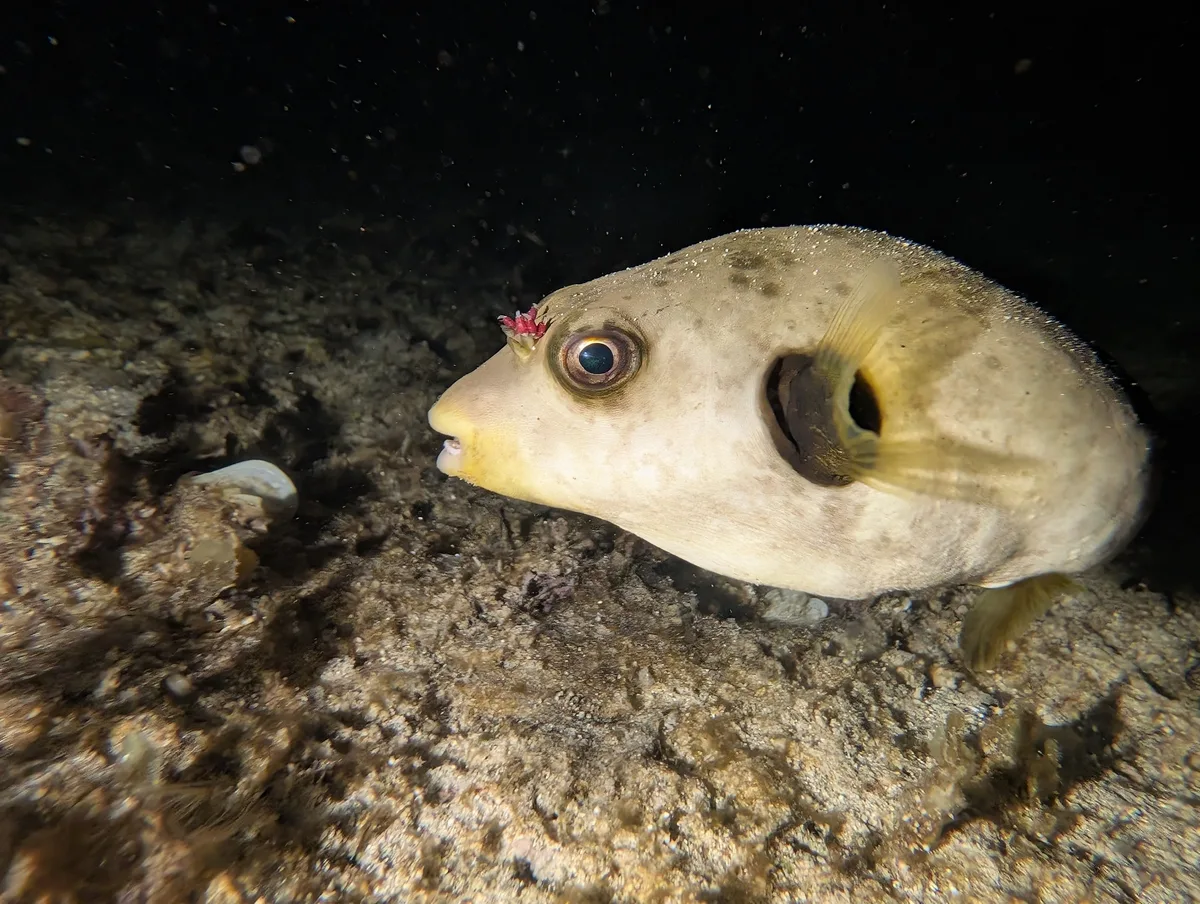
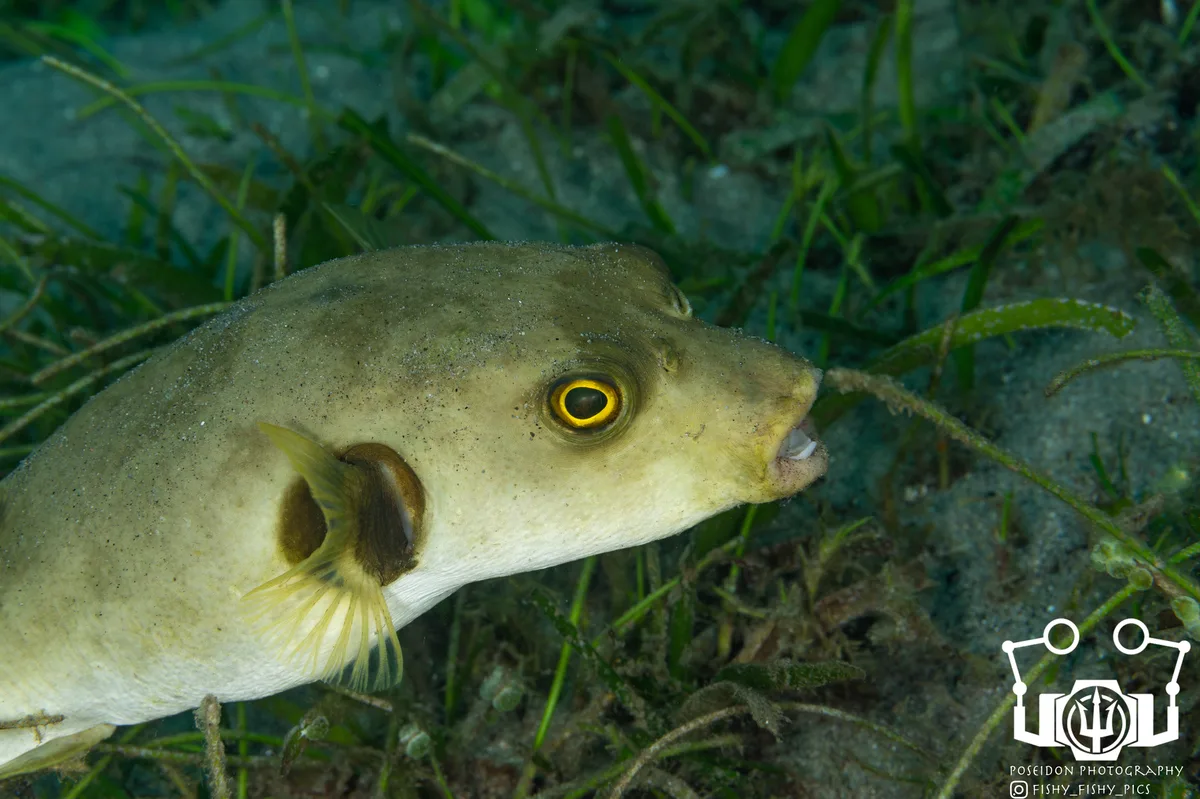
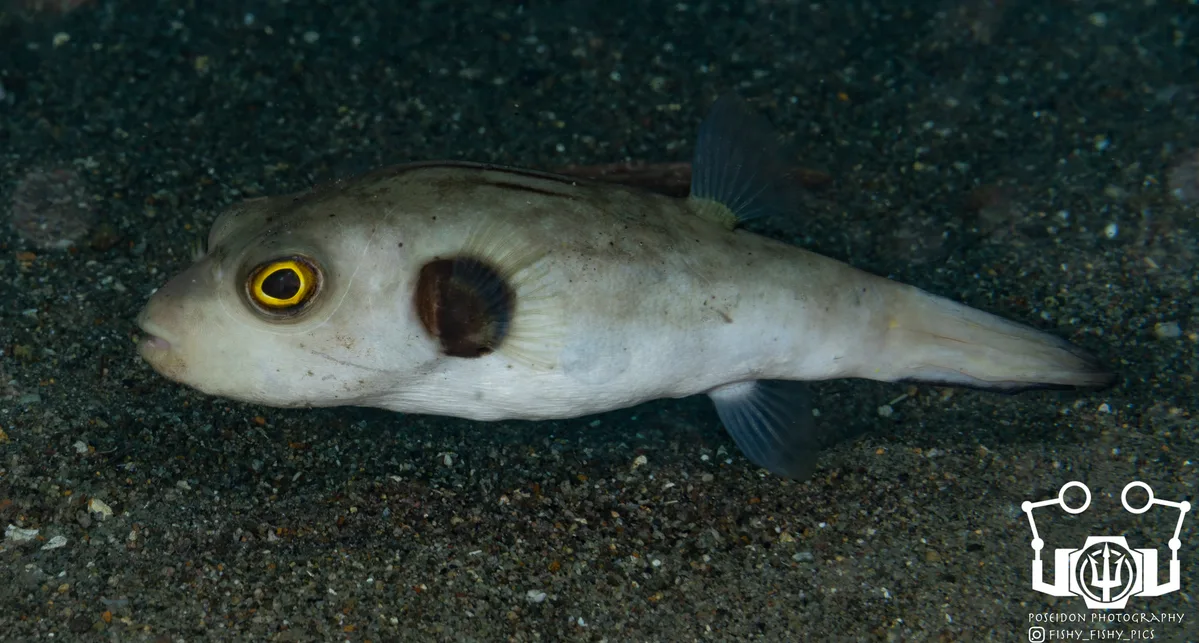
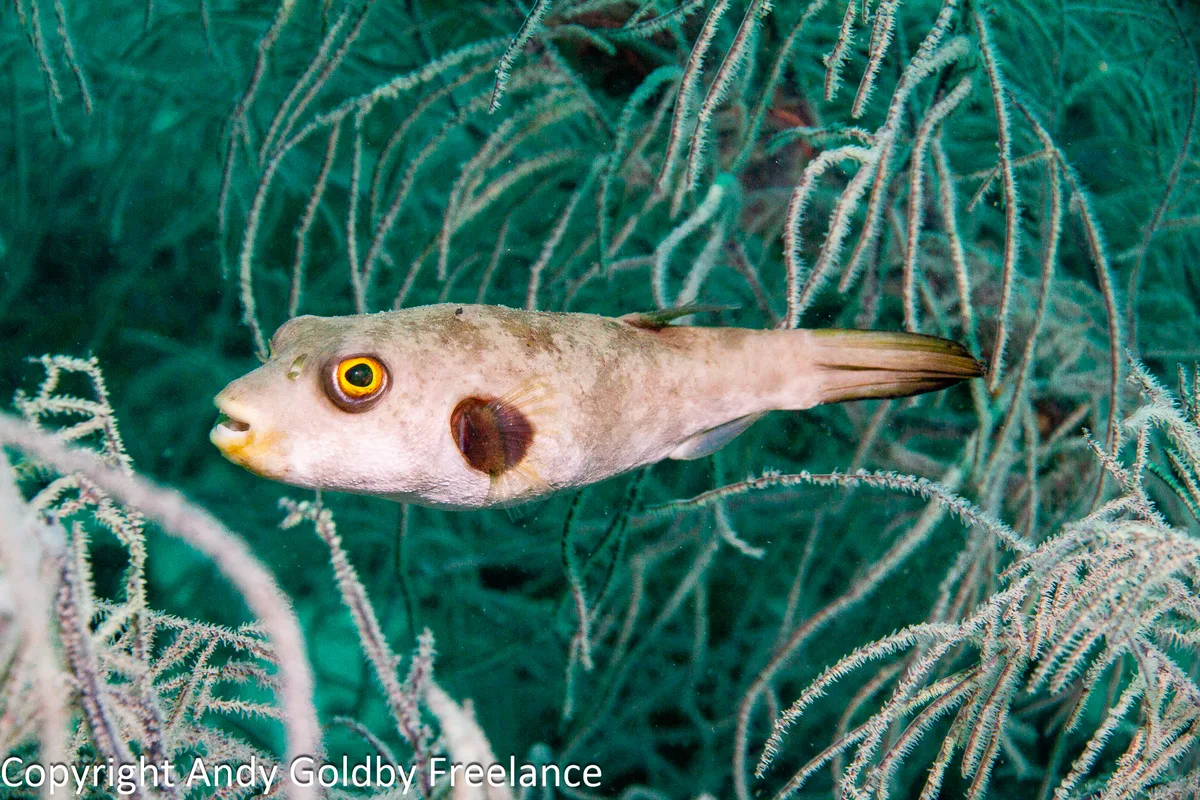
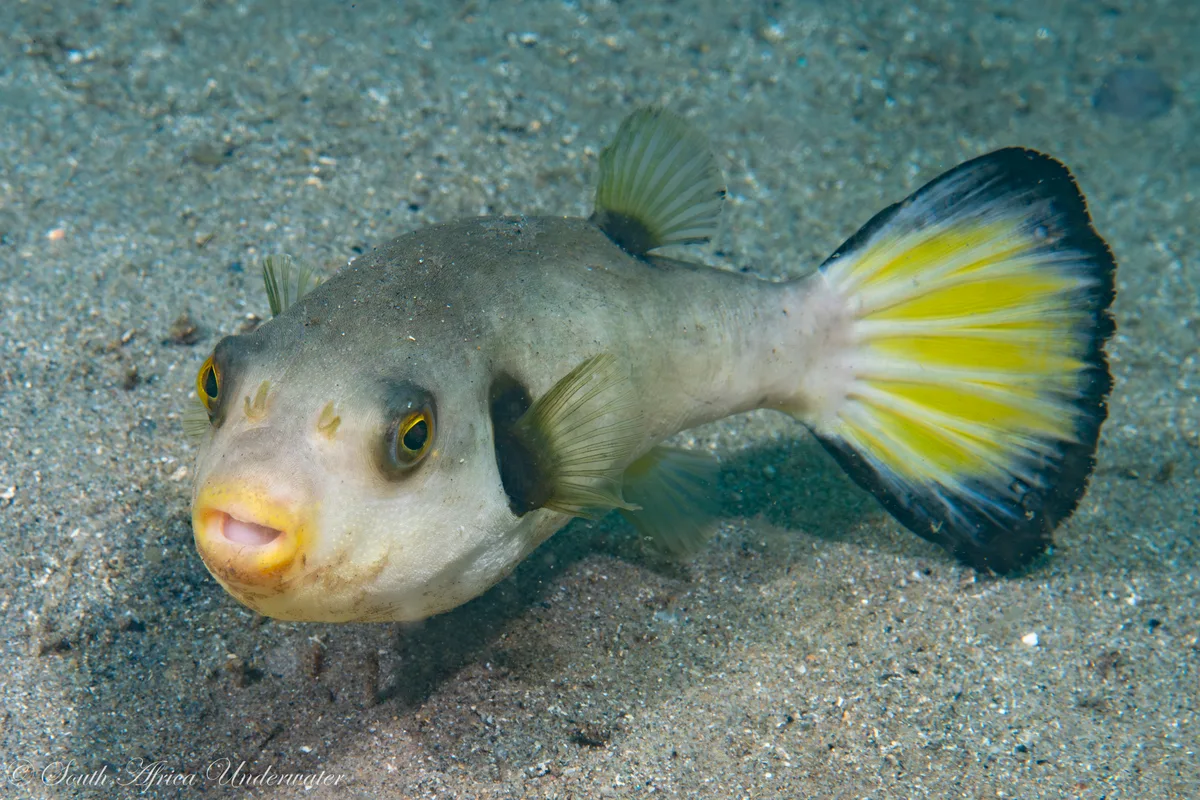
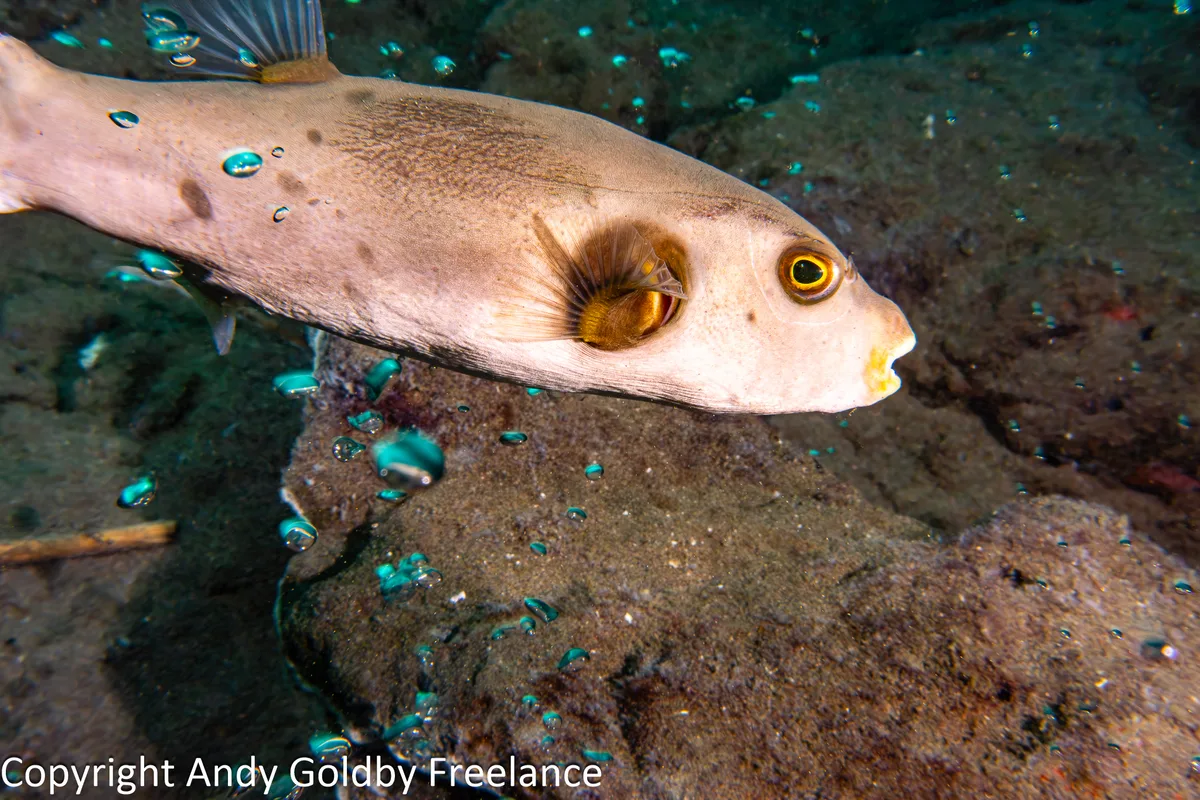
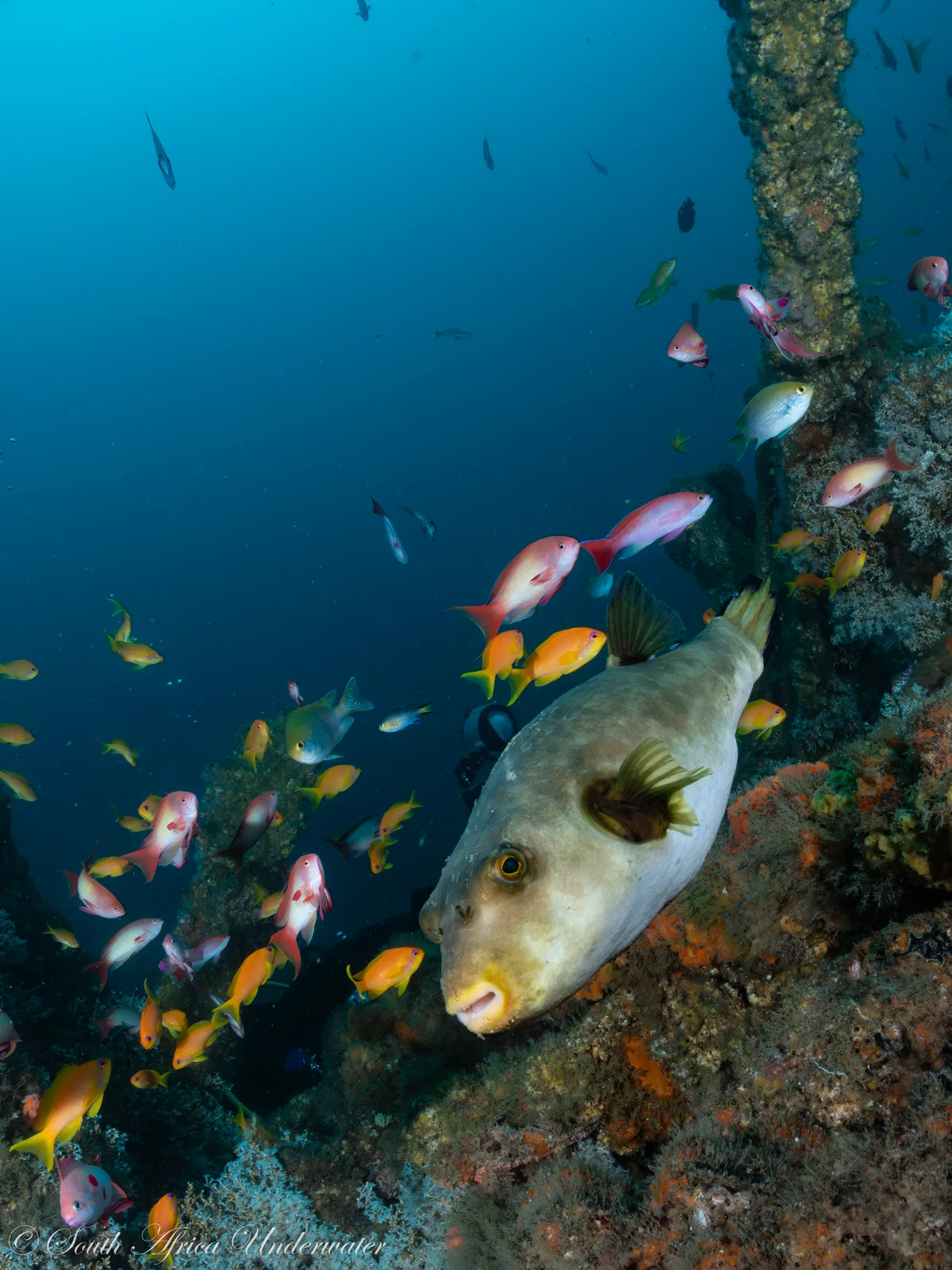
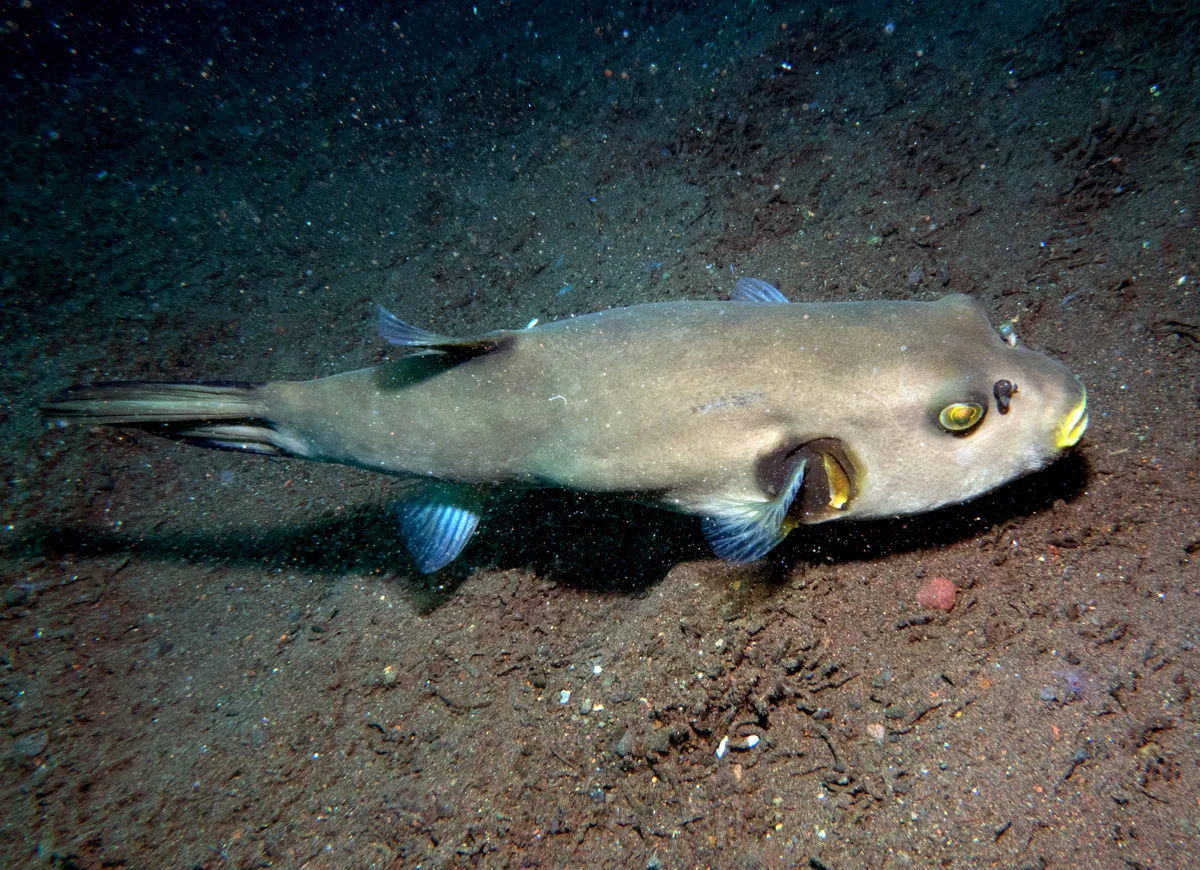
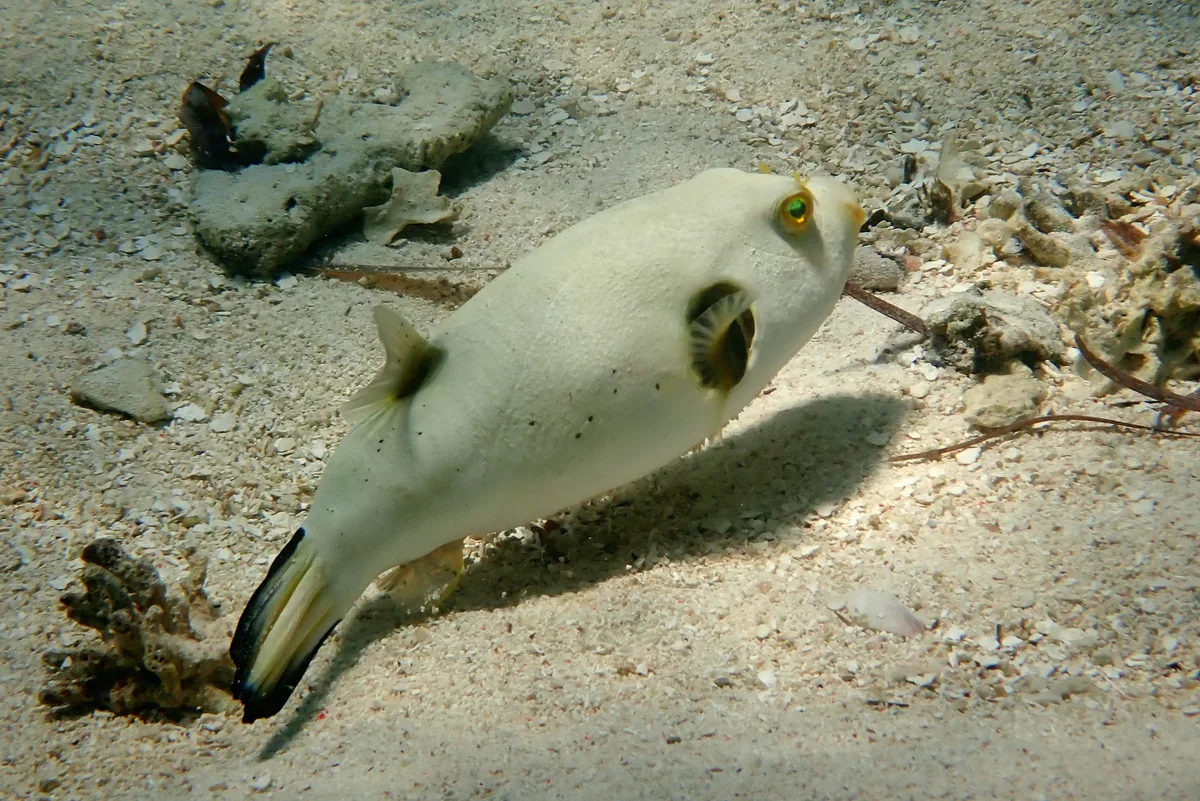
The Immaculate Puffer (Arothron immaculatus) is a tropical marine fish that can also thrive in brackish environments. Typically associated with reefs, it is found at depths ranging from 3 to 30 meters (10 to 100 feet), although it can inhabit shallower areas between 1 and 1.5 meters (3 to 5 feet), such as weedy regions in estuaries, seagrass beds, and mangrove zones. The maximum length of this species is about 37.5 centimeters (15 inches), with a recorded maximum weight of 775 grams (1.7 pounds).

These puffers are generally solitary creatures and have been observed in environments such as silty bottoms at a depth of 17 meters (56 feet). Reproducing through a method known as oviparity, they lay eggs rather than giving live birth.

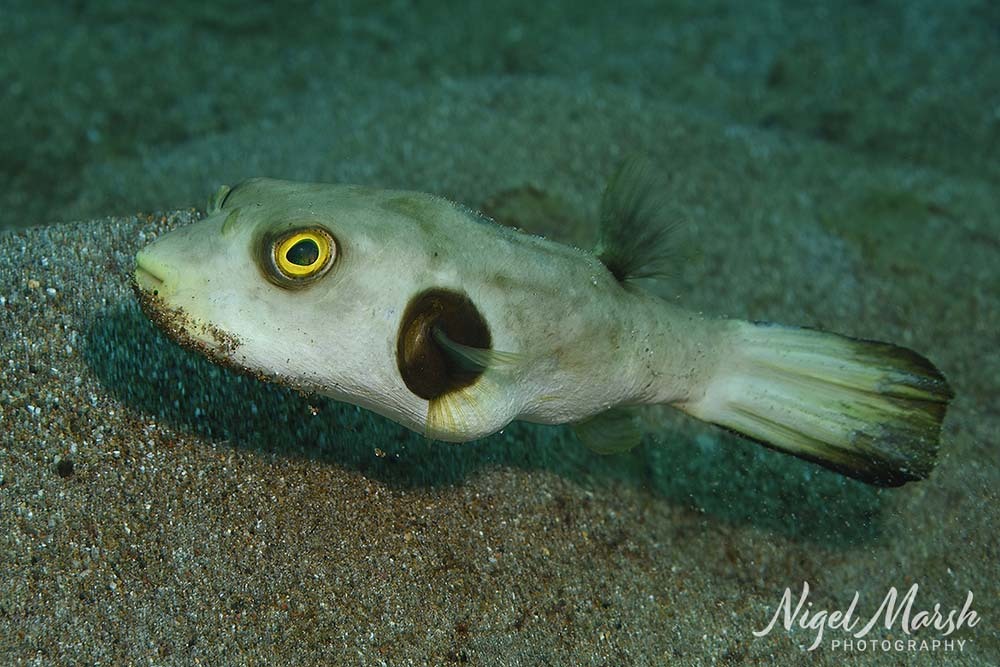
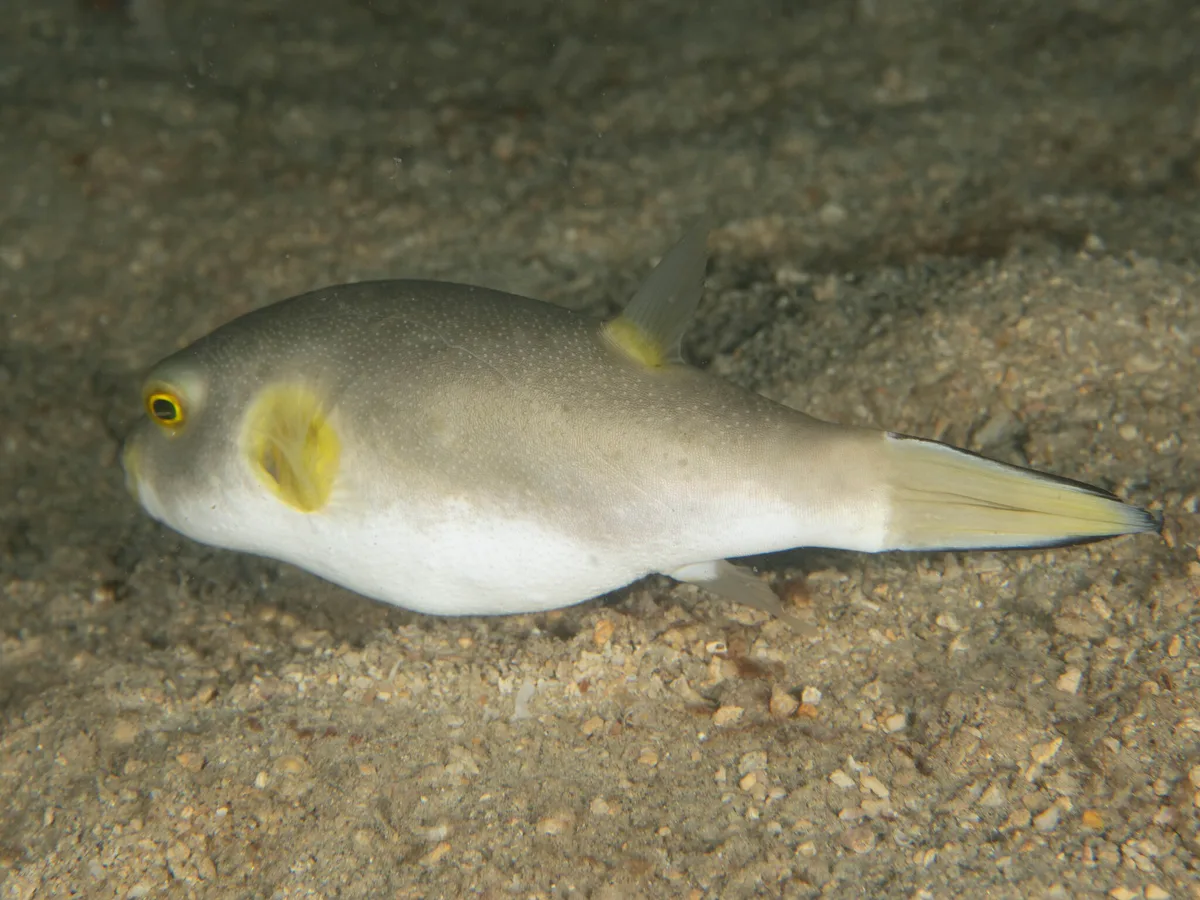
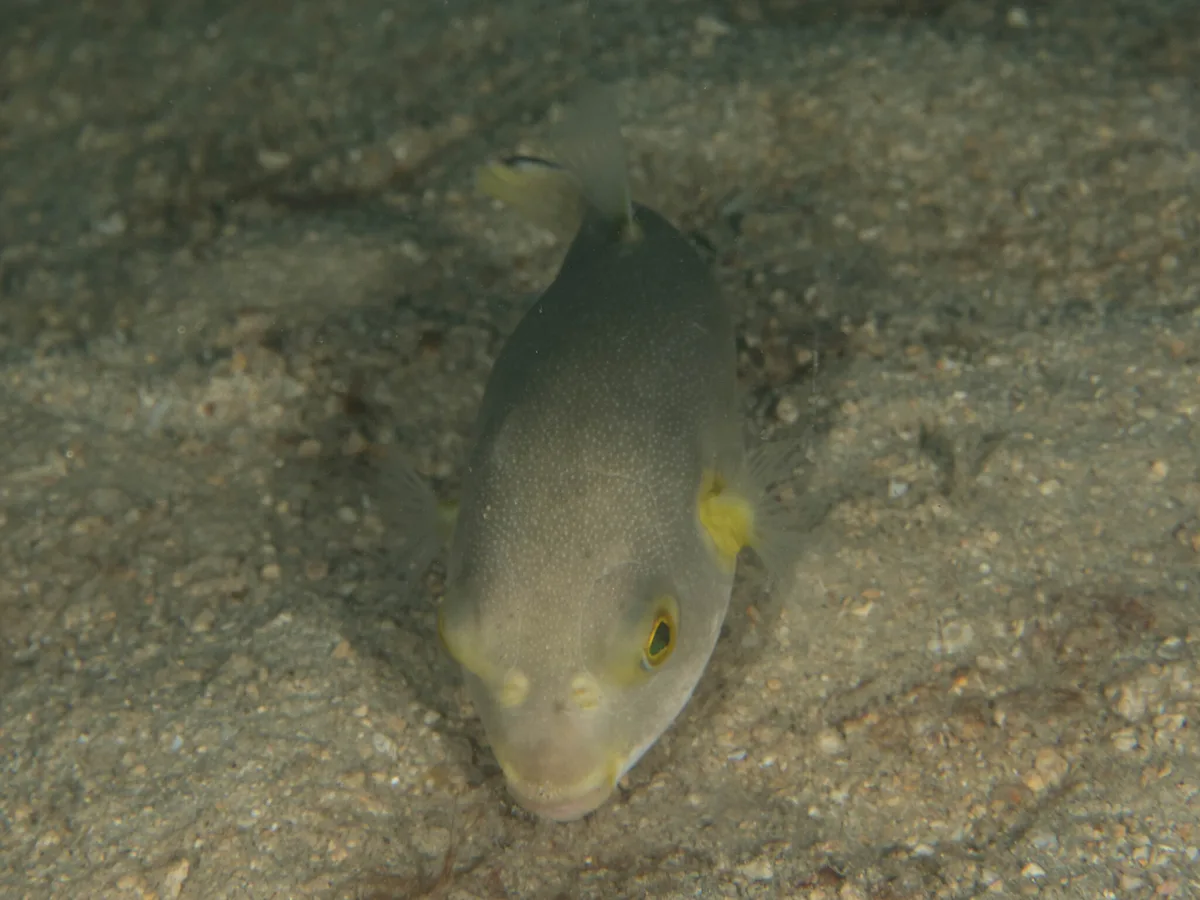
The Immaculate Puffer's body is adorned with prickles and lacks dorsal and anal spines. It has 9 to 11 soft rays in the dorsal fin and 9 to 17 in the anal fin. The species is characterized by dark bars on the side of its head and below its pectoral fins, with juvenile Pacific specimens exhibiting longitudinal dark stripes on their bellies.

This species is native to the Indo-West Pacific region, ranging from the 🌊 Red Sea and East Africa, including the southern coast of 🇿🇦 South Africa, to 🇮🇩 Indonesia, and extending north to southern 🇯🇵 Japan.

Why it's threatened

Residential & commercial development
Housing & urban areas · Commercial & industrial areas · Tourism & recreation areas
Biological resource use
Intentional use: (subsistence/small scale) [harvest]
Pollution
Sewage · Run-off · Type Unknown/Unrecorded · Oil spills · Seepage from mining · Nutrient loads · Soil erosion, sedimentation · Herbicides and pesticides · Garbage & solid waste
Climate change & severe weather
Habitat shifting & alteration · Temperature extremes

There have been no confirmed population declines in A. immaculatus. However, because of its affinity with coral reefs, mangroves, and seagrass beds, we infer that A. immaculatus may be experiencing population declines due to habitat loss in parts of its range.

As of 2008, fifteen percent of the world’s coral reefs were considered under imminent threat of being “Effectively Lost” (with 90% of the corals lost and unlikely to recover soon), with regions in East Africa, South and South-east Asia, and the wider Caribbean being the most highly threatened (Wilkinson et al. 2008). Of 704 zooxanthellate reef-building coral species which were assessed by using the International Union for Conservation of Nature Red List Criteria, 32.8% are in categories with elevated risk of extinction (Carpenter et al. 2008).

One-third of global seagrass species are currently experiencing population declines, and 21% of globally assessed seagrass species are in threatened or near-threatened categories primarily due to coastal development and pollution (Short et al. 2011).

Globally, 16% of mangrove species are at elevated risk of extinction. Particular areas of geographical concern include the Atlantic and Pacific coasts of Central America, where as many as 40% of mangroves species present are threatened with extinction. (Polidoro et al. 2010). In the Caribbean, approximately 24% of mangrove area has been lost over the past quarter-century (FAO 2007).

Arothron immaculatus is currently sold commercially in the aquarium trade, and is exported primarily from the Maldives and Indonesia (BlueZooAquatics.com, LiveAquaria.com). Additionally, A. hispidus may be experiencing population declines as a result of harvesting for human consumption as part of the pufferfish trade.

Threat classification from the IUCN Red List.
Comments

Please, sign in to leave a comment

Continue with a social account — yours will be created automatically.

No comments yet — be the first.

Last Update: June 28, 2026