Saponins (holothurin)
Soap-like defensive compounds of sea cucumbers and sea stars: they lather in water, take cell membranes apart, and can empty an aquarium.
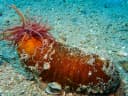
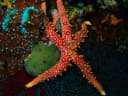
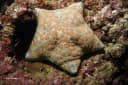
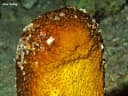
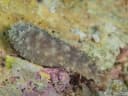
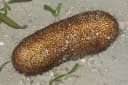
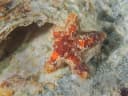
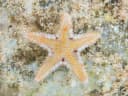
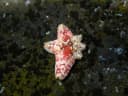
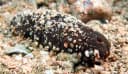
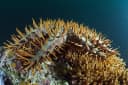
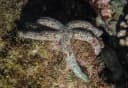
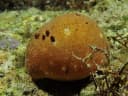
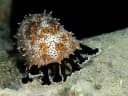
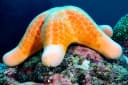
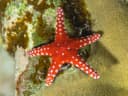
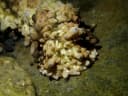
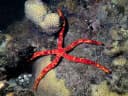
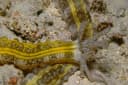
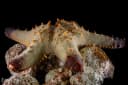
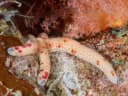
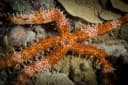
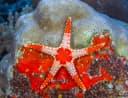
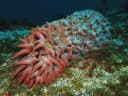
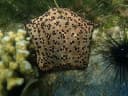
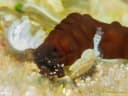
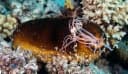
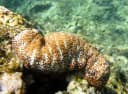
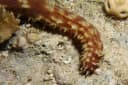
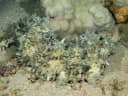
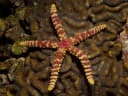
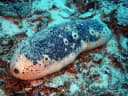
Saponins are named for soap, and the name is literal: shake water containing them and it lathers. They are the standard chemical defense of the echinoderms - sea cucumbers, where the mix is called holothurin, and sea stars including the crown-of-thorns. A sea cucumber under attack can release them in a cloud, along with the sticky white tubules it fires from its rear end.
Like other soap-shaped poisons they work by taking membranes apart, bursting blood cells and stripping the lining of a gill, which makes them far more dangerous to a fish than to a diver. Pacific islanders used that directly, crushing sea cucumbers into a tide pool to bring the fish up. Aquarists learn it the same way a generation later: a sea cucumber that dies unnoticed in a tank can take everything else with it.
On the reef the practical rule is short. Handling a sea cucumber, then your mask or your eyes, is the way people get hurt by an animal that is otherwise harmless. Rinse your hands, and put the animal back the way up you found it.
First aid
Harmless on intact skin, and genuinely dangerous to eyes.
- Eyes: rinse with clean water or saline for 15 minutes without stopping, and see a doctor. This is the one exposure that can damage vision.
- Skin and the sticky tubules: peel them off, wash with soap and water. Cover cuts before handling sea cucumbers.
- Swallowed - the sea cucumber eaten raw, or water from a bucket one died in: rinse the mouth, drink water, and see a doctor if there is vomiting or diarrhea.
Wash your hands before touching your mask or your face. That is how nearly every case starts.
Found in40