
20 species in Sea cucumber
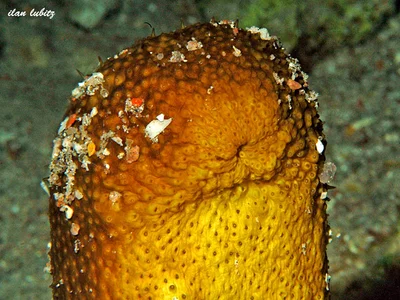
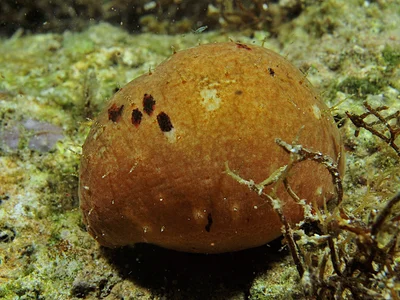
Actinopyga
3Told by the vent. Five hard teeth ring the anus - which is the character the genus is built on and one you can actually see - and they sit on a flattened sole that grips bare rock rather than lying on soft sediment. They are the sea cucumbers of surge and current, where the soft-bodied ones cannot hold on.
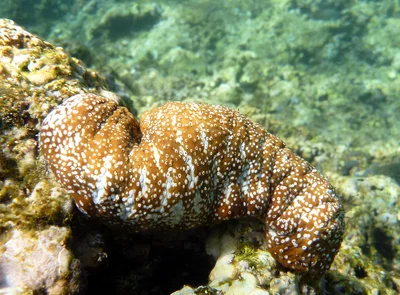
Bohadschia
3Smooth-walled and soft, with no big papillae and no anal teeth, and highly variable in color, so the identification runs on texture rather than pattern. The defense is the sticky thread bundle, and this genus fires it readily - a cucumber that has been handled comes away in a web.
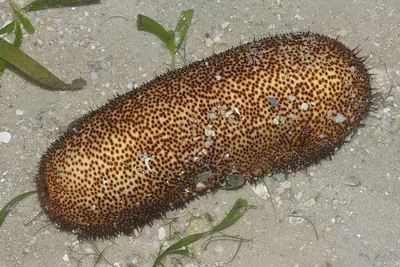
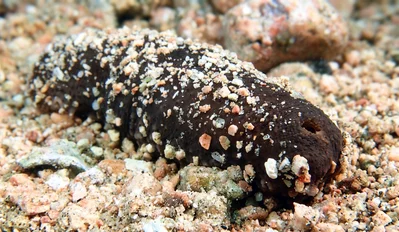
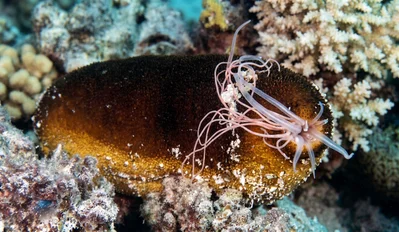
Holothuria
6The largest genus and most of this page. Soft-bodied deposit feeders lying in the open on sand and rubble, working the surface layer through the gut. Several defend themselves by firing masses of sticky white threads from the rear end, which tangle anything that touches them and are regrown afterwards; one of them leaks a red fluid instead when handled.

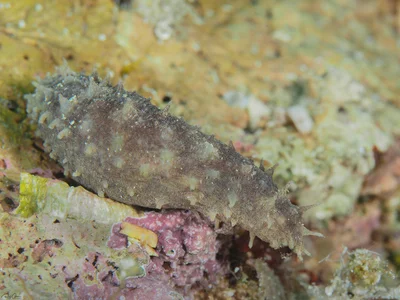
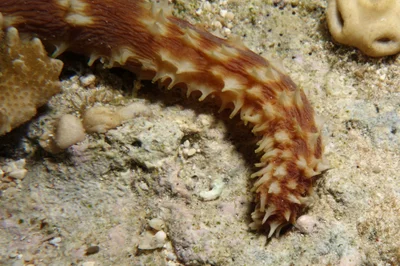
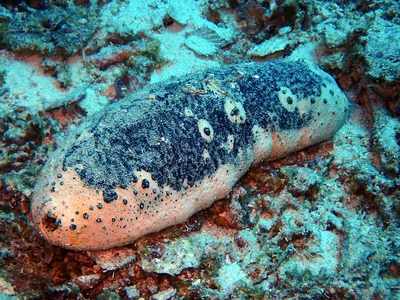
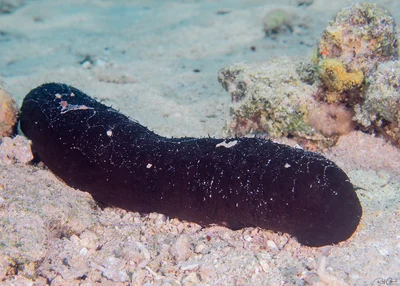
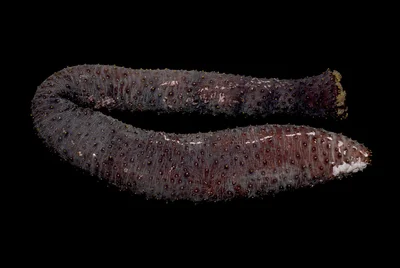
Stichopus
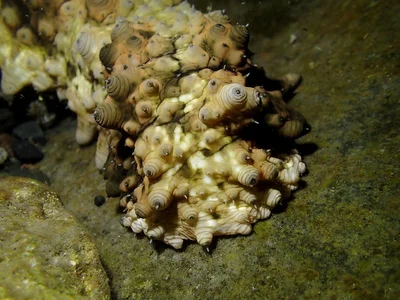
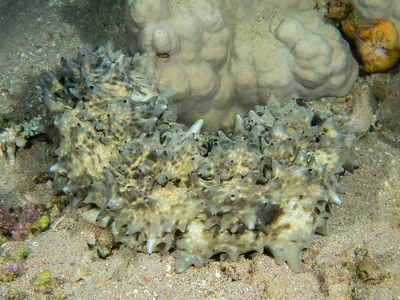
3Square in cross-section, with large wart-like tubercles along the sides, and built out of a body wall that can slacken on command: handled roughly, the animal goes soft and can begin to fall apart, which is a defense rather than damage. Best not picked up at all.
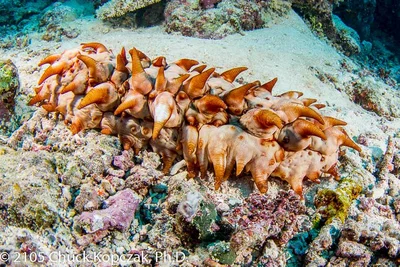
Other genera
5

Other groups in Echinoderms
Nearby in the catalogue.


Last Update: August 23, 2026