Red Sea Animals Guide for First-Time Divers: 20 Species You’ll Definitely Meet

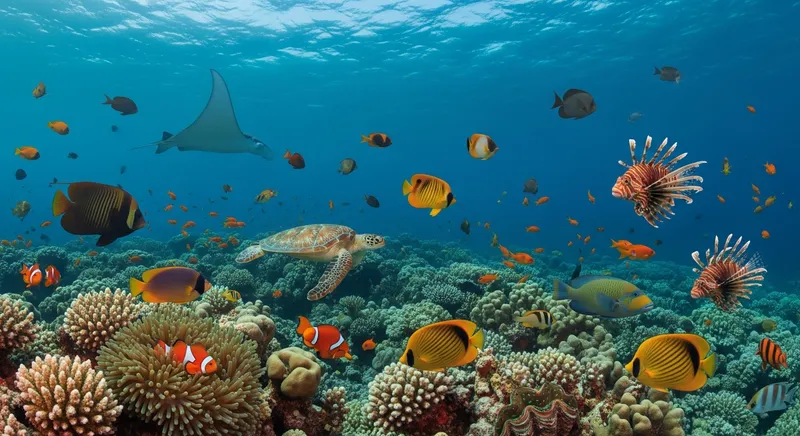
The Red Sea is one of the world's most spectacular diving destinations, home to an extraordinary underwater world teeming with life. As a first-time diver, you'll encounter a remarkable array of marine creatures that will take your breath away - sometimes quite literally. With approximately 1000 species of fish and 150 species of coral inhabiting these waters, the Red Sea offers an unparalleled introduction to marine biodiversity.[1]
This comprehensive guide introduces you to 20 fascinating species you're likely to encounter on your Red Sea diving adventures, from the graceful angelfish to the elusive moray eels and vibrant nudibranchs.
Fish Species
1. Clownfish
Among the most iconic residents of the Red Sea, clownfish are instantly recognizable with their bright orange bodies and white stripes. These small, curious fish are incredibly common throughout the region and make excellent subjects for underwater photography. You'll typically find them nestled within anemones, where they've developed a symbiotic relationship that protects them from predators.

2. Angelfish
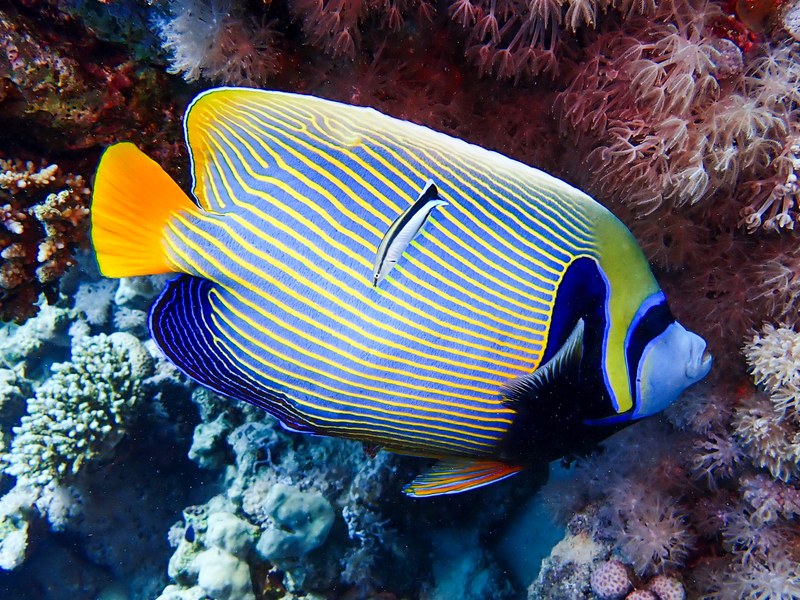
Angelfish are prized sightings for divers due to their striking appearance and elegant movements. These disc-shaped fish come in various color combinations of yellows, blues, and oranges. They're relatively shy but can often be spotted browsing on coral and rocky surfaces for food. Their graceful swimming style makes them a joy to observe.
3. Butterflyfish
Like their angelfish cousins, butterflyfish display stunning coloration with bold patterns and vibrant hues. These small fish are curious and often approach divers, making them particularly engaging to watch. They typically swim in pairs and feed on small invertebrates and coral polyps.

4. Scorpionfish and Stonefish
These masters of camouflage present both danger and fascination. They often lie on sandy bottoms, flicking sand over themselves to remain hidden from both prey and predators.[1] While not aggressive, these fish possess venomous spines that can deliver extremely painful stings if accidentally stepped upon. The pain can intensify for around 90 minutes and last for 1 to 2 days if untreated.[1] Always watch your footing when exploring the seafloor.

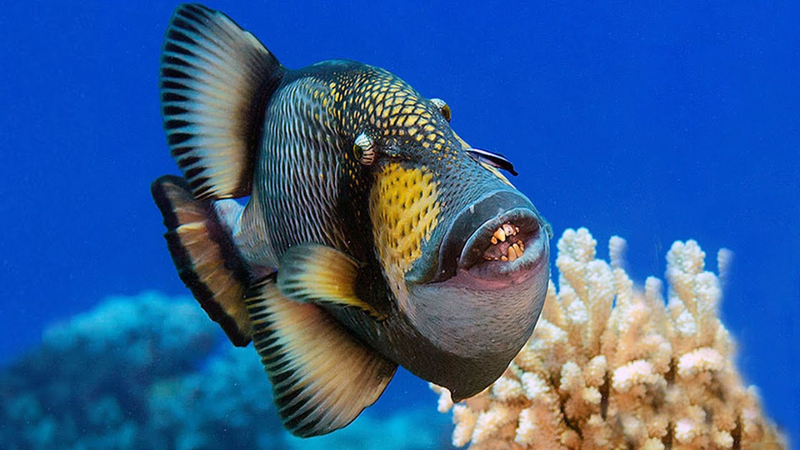
5. Triggerfish
Triggerfish are distinctive with their compressed bodies and prominent teeth. These robust fish are commonly encountered throughout the Red Sea and display interesting behaviors. They're generally not aggressive toward divers but can be territorial around their nests, so it's best to observe them from a respectful distance.
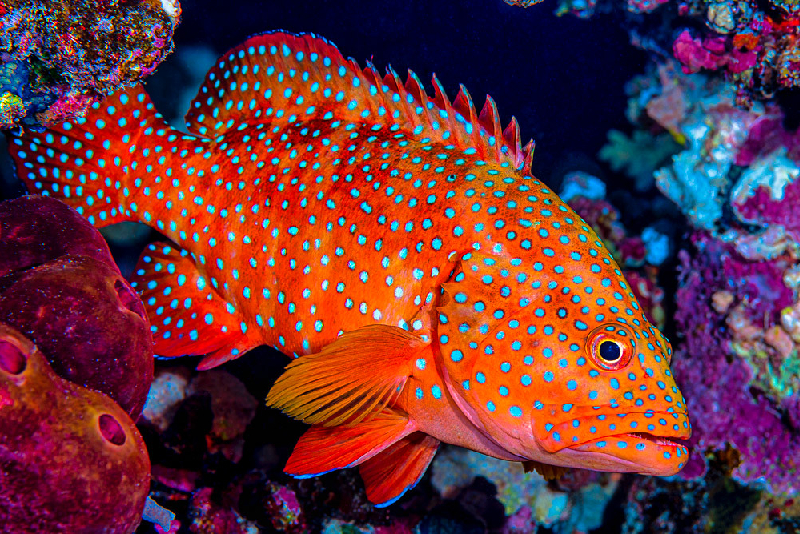
6. Grouper
Groupers are large predatory fish that command attention with their substantial size and powerful presence. These impressive hunters patrol the reef looking for prey and are a thrilling sight for divers. They're generally docile toward humans but maintain a healthy distance as they go about their hunting routines.
7. Trevally (Jack Fish)
Trevallies are large, silvery fishes with forked tails that patrol the waters above the reef and in open seas.[1] The Bluefin Trevally is particularly striking, being the only trevally species adorned with electric blue fins and blue speckles on a gold or green background.[1] These fast-swimming predators can reach sizes up to 1 meter, though you'll typically encounter smaller individuals.[1] They usually swim singly or in small schools, ranging from shallow waters to great depths.

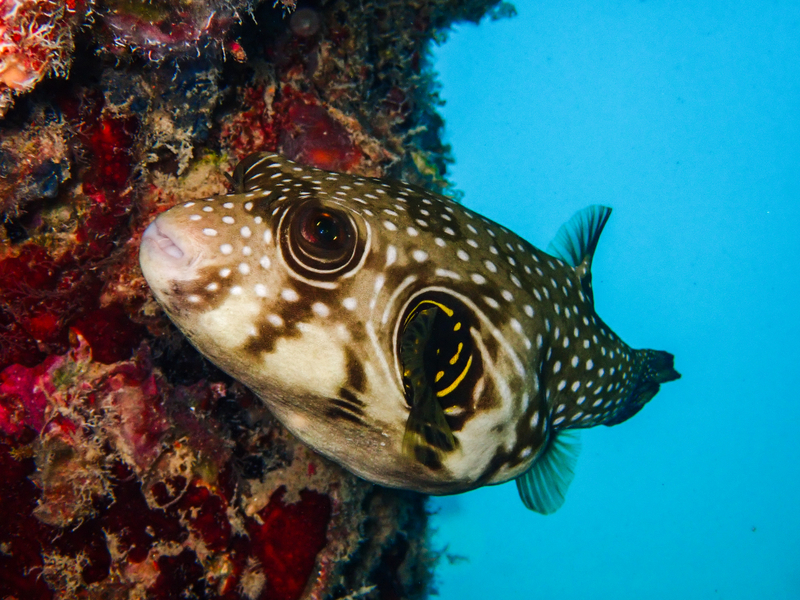
8. Pufferfish
Pufferfish are among the most endearing creatures divers encounter. When threatened, they inflate their bodies into a round ball as a defense mechanism - a sight that never fails to impress. These curious fish often investigate divers and are relatively easy to spot on the reef. Handle them with care, as their inflated state causes them stress.
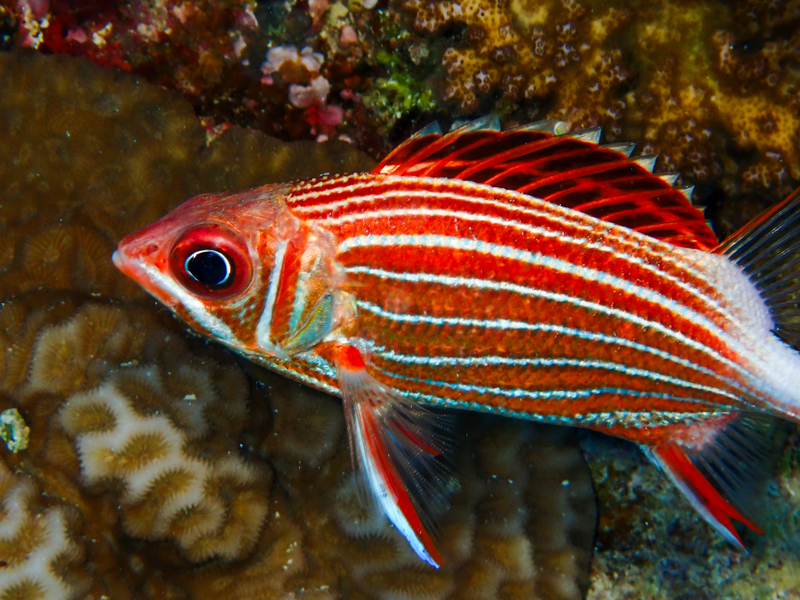
9. Squirrelfish
Squirrelfish are nocturnal predators identifiable by their large eyes and reddish coloration. They typically shelter under ledges during the day and become more active at dusk and during the night, when they feed on fishes and crustaceans using their non-stinging pectoral fins to shepherd prey into their mouths.[1] If you explore the reef during sunset or night dives, you're likely to encounter these fascinating creatures.
10. Spadefish
Spadefish are easily identified by their distinctive oval shape and blue spots, making them simple to spot once you know what to look for.[1] Not aggressive by nature, they're common and easy to observe throughout the Indian and Pacific Oceans, including the Red Sea and the Great Barrier Reef.[1] They typically hover around reef structures and sandy areas.

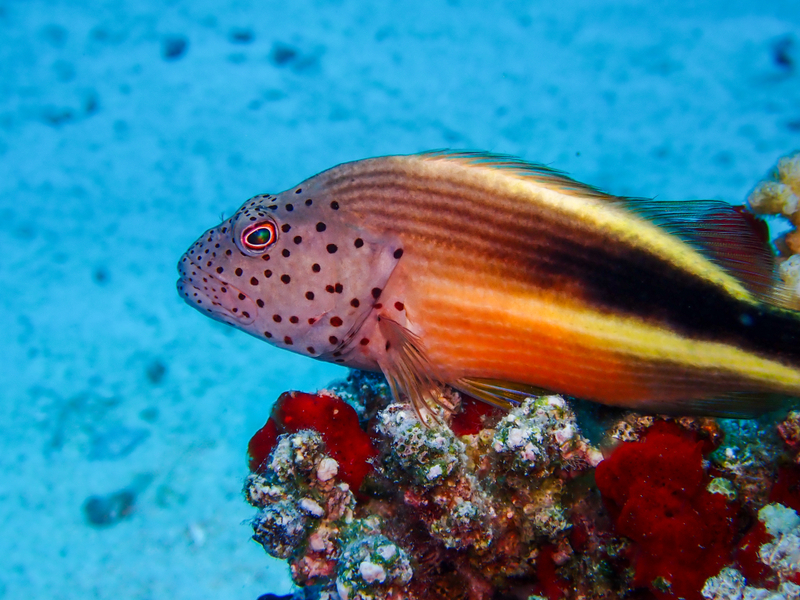
11. Hawkfish
Hawkfish are small but characterful fish known for their perching behavior on corals and rock formations. These curious fish often approach divers and display fascinating hunting techniques. Their alert nature and interesting behaviors make them rewarding subjects for observation.
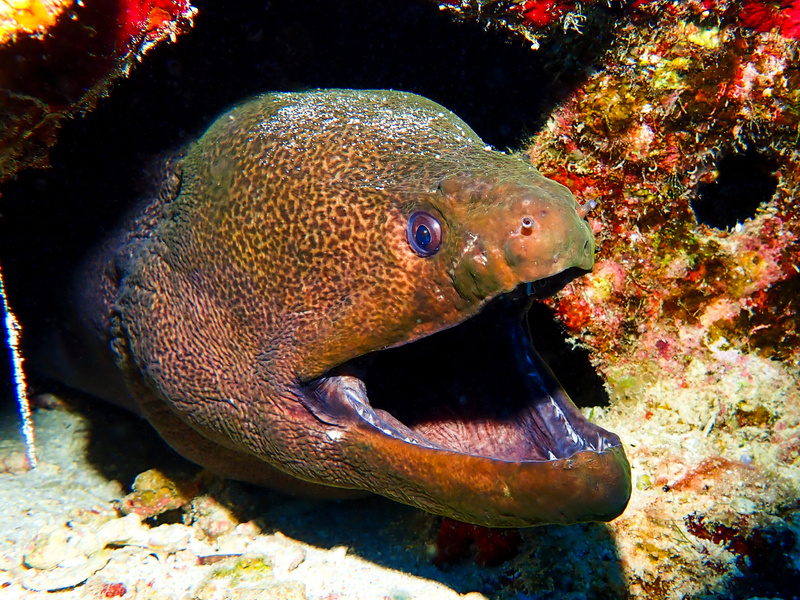
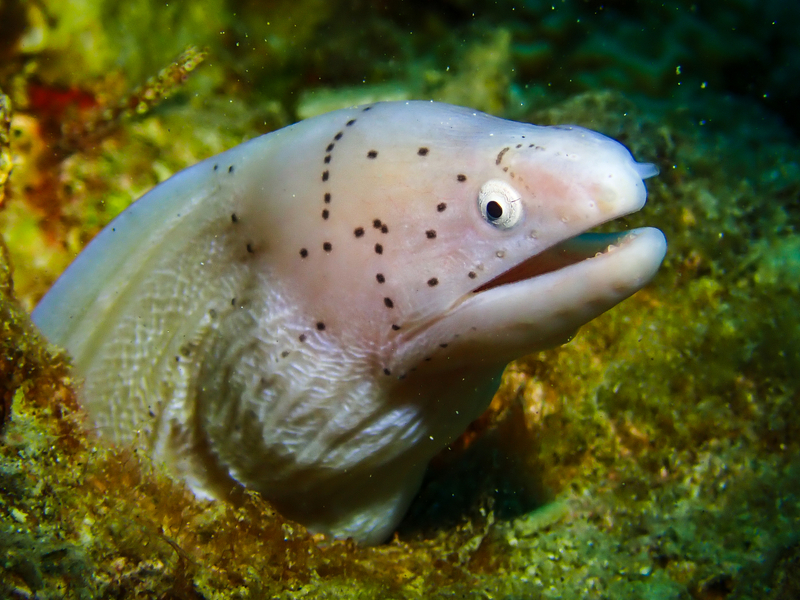
12. Moray Eels
Moray eels present one of the Red Sea's more mysterious encounters. These elusive creatures typically hide within crevices and coral formations during the day. With their elongated bodies and sometimes menacing appearance, they capture the imagination of many divers. Despite their fearsome look, they're generally not aggressive unless provoked. Night dives offer better opportunities to observe them as they become more active.
13. Scorpionfish (Venomous Species)
Beyond the camouflaged bottom-dwellers, some scorpionfish species are found in the Red Sea with particularly potent venom. A sting from certain scorpionfish species can be very painful and possibly fatal.[1] These fish are found in the Red Sea and Indian Ocean to the Andaman Sea, and they usually feature 11 dorsal rays on the top of their bodies.[1] They often shelter under ledges during daylight hours.

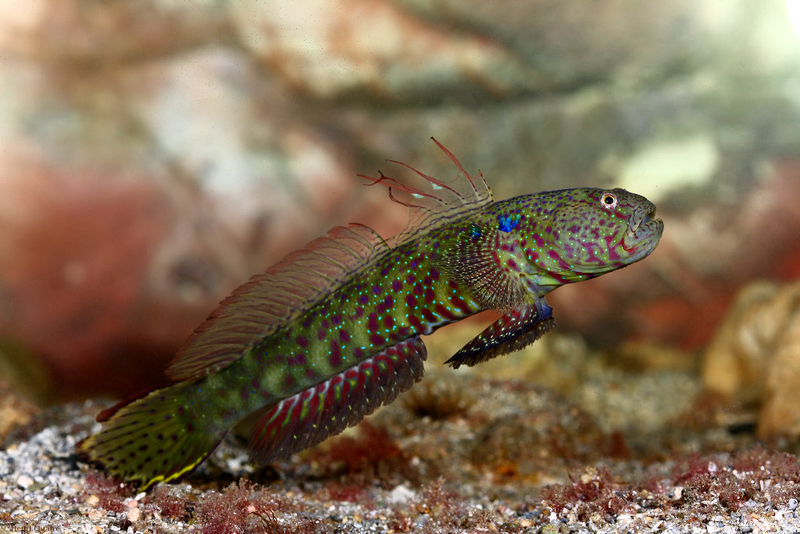
14. Gobies
Gobies are small, often overlooked inhabitants of the Red Sea that reward careful observation. These tiny fish display fascinating behaviors and incredible variety in color and pattern. Many gobies form symbiotic relationships with other reef creatures, making them interesting subjects for study.
Sharks and Rays
15. Reef Sharks
While sharks may inspire some trepidation in first-time divers, Red Sea sharks are generally not aggressive toward humans. These magnificent predators patrol the reef and represent the apex of marine evolution. Observing them in their natural habitat is an exhilarating experience that reinforces the importance of ocean conservation.

16. Eagle Rays
Eagle rays are among the most graceful creatures in the Red Sea. These majestic animals glide through the water with an almost bird-like motion, their wing-like pectoral fins undulating elegantly. Encountering a school of eagle rays is a memory that stays with divers for life.

Invertebrates
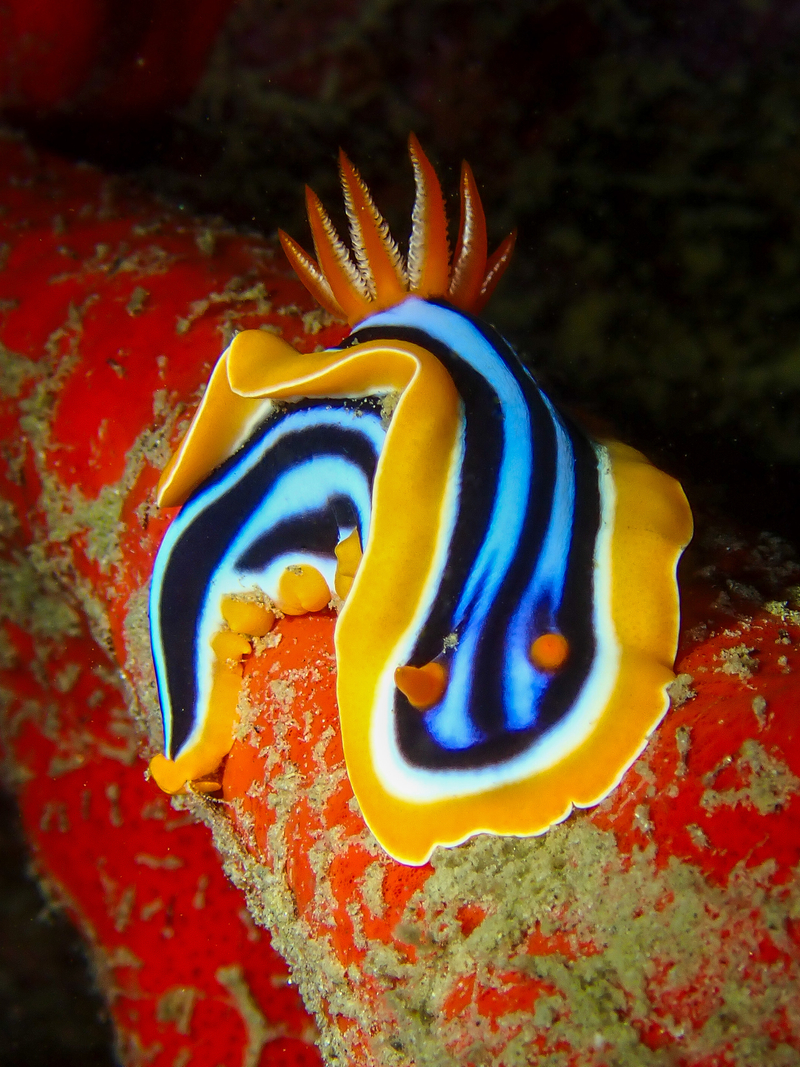
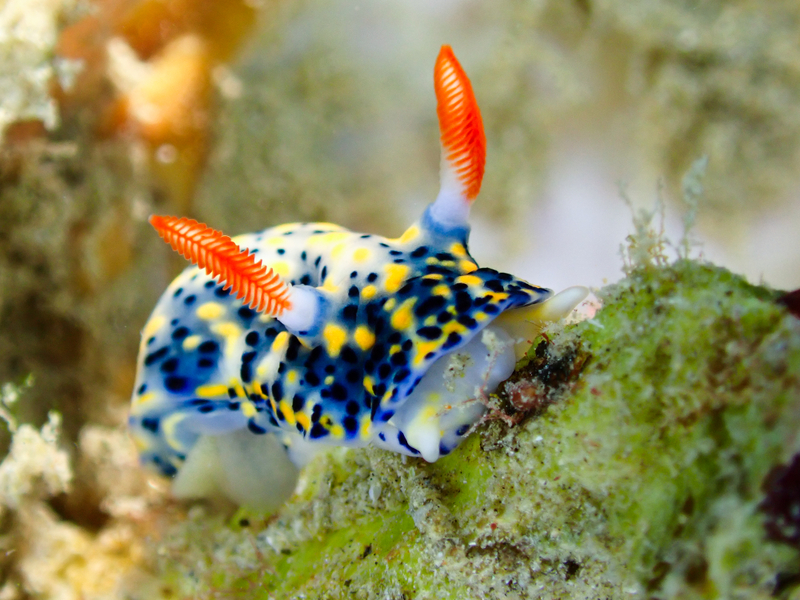
17. Nudibranchs (Sea Slugs)
Nudibranchs are among the most colorful and bizarre creatures in the Red Sea. These soft-bodied mollusks display an astounding array of colors, patterns, and shapes. Despite their small size, their vivid appearances make them fascinating subjects for macro photography. They feed on various reef organisms and are found throughout Red Sea waters.
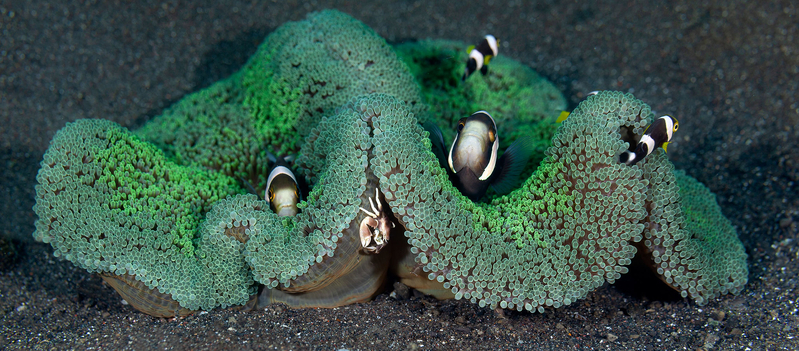
18. Sea Anemones
Sea anemones create beautiful, living landscapes on the reef. These tentacled creatures exhibit fascinating behaviors and often house symbiotic relationships with other marine animals, such as clownfish. Anemones come in various colors and sizes, and their swaying movements create a hypnotic display.
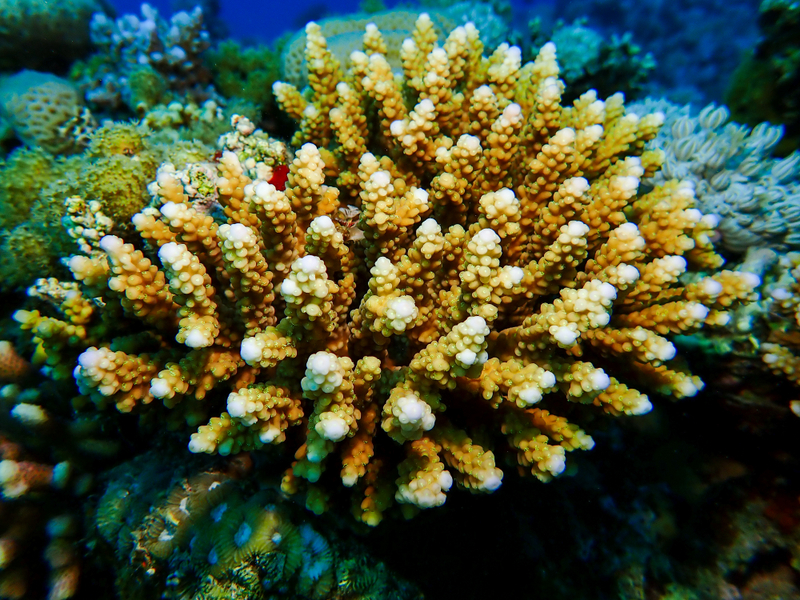
19. Corals
Corals form the very foundation of the Red Sea ecosystem. With 150 species of coral inhabiting these waters, you'll encounter an incredible diversity of coral forms - from delicate branching corals to massive brain corals.[1] While technically animals, corals create the entire reef structure and support thousands of dependent species.
20. Starfish and Sea Urchins
These echinoderms complete your introduction to Red Sea biodiversity. Starfish in various colors and patterns slowly traverse the reef, while sea urchins huddle in crevices or burrow into sandy areas. These creatures play important ecological roles and add to the visual richness of your diving experience.


Tips for First-Time Divers
Move slowly and deliberately. Many reef creatures are small or well-camouflaged, and sudden movements will frighten them away. By taking your time and scanning carefully, you'll spot far more species than you would rushing through the dive.
Stay neutral in buoyancy. Maintaining perfect buoyancy prevents you from crashing into corals or stirring up sand that obscures visibility. Practice this skill before exploring deeper sections of the reef.
Respect the wildlife. Observe creatures from a distance whenever possible. Never touch animals or corals, as this damages both the reef and can harm you. Many reef inhabitants have defensive mechanisms you'd prefer to avoid.
Consider specialized dives. Night dives reveal nocturnal species like moray eels and squirrelfish that remain hidden during the day. Macro dives focus on small creatures like nudibranchs and gobies, revealing an entirely different reef world.
Take a guide. Experienced dive guides know where to find specific species and can explain behaviors and ecological relationships that enrich your understanding of this remarkable ecosystem.
Conclusion
The Red Sea offers an incomparable introduction to marine biodiversity. The 20 species featured in this guide represent just a fraction of the wonders awaiting you beneath the surface. As you descend into these crystal-clear waters, you'll discover a thriving underwater world that reminds us why ocean conservation matters. Whether you're observing the graceful movements of trevallies, the vibrant colors of nudibranchs, or the symbiotic dance between clownfish and anemones, each encounter adds to your understanding and appreciation of marine life. Welcome to the Red Sea - one of Earth's most extraordinary aquatic realms.
References
PADI Divemaster and underwater storyteller with over 7 years of hands-on Red Sea diving experience, documenting marine life, mapping dive sites, and promoting responsible ocean conservation.