Marine News

The Tide is Turning: 5 Massive Wins Proving We Can Still Save Our Oceans
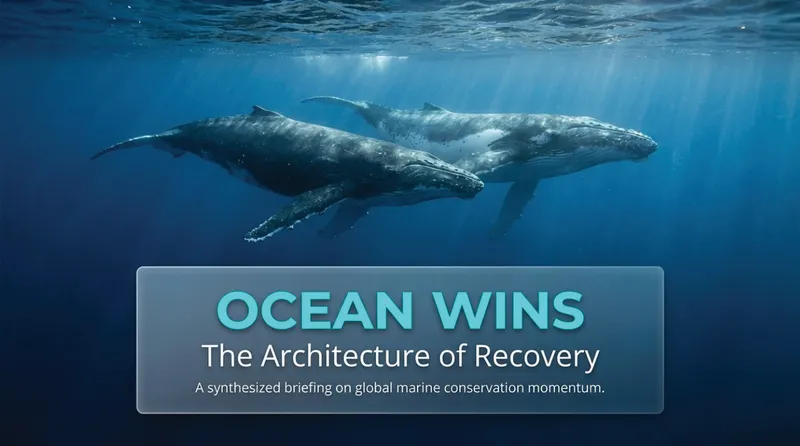
For too long, ocean news has drowned us in doom - warming waters, plastic chokeholds, and vanishing reefs. But a powerful sea change is surging: the High Seas Treaty now legally safeguards nearly two-thirds of the global ocean, enabling vast protected areas beyond borders for the first time. Chile leads with monumental ambition, shielding nearly 1 million km² of its waters, proving bold policy and cooperation are turning crisis into restoration right now.

Another Heartbreaking Loss: Katina Joins Kshamenk in Captivity's Tragic Toll
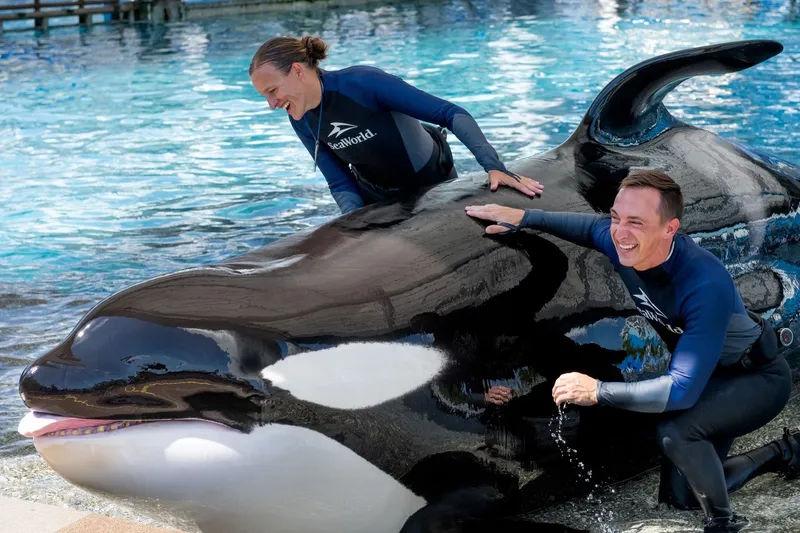
Just days after Kshamenk's death, SeaWorld's beloved orca Katina passed away at age 50 on December 20, 2025, from chronic respiratory decline - marking two ocean giants lost in under a week to the confines of concrete tanks. Famous for her cheeky tongue flicks and thrilling speed swims, Katina spent decades pacing a pool far too small for her wild spirit, her dorsal fin collapsing from stress. While SeaWorld dominates headlines, Europe's dolphinariums - led by Spain's eight facilities holding nearly 100 cetaceans - reveal the hidden scale of captivity's toll.

10 New Species of Sharks & Rays
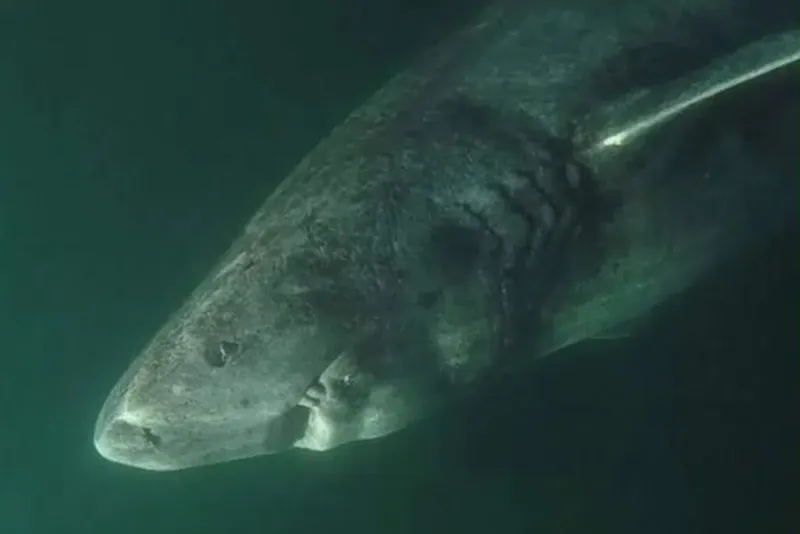
Meet ten little-known cartilaginous fishes and rays - from the newly confirmed Atlantic manta, Mobula yarae, to tiny deep‑sea lanternsharks - that are reshaping our picture of ocean biodiversity. Each profile blends natural history, quick ID tips, and quirky facts so you’ll spot the highlights (and conversation starters) at your next beach bonfire.

How Ocean Life Rebounded So Rapidly After Earth’s Worst Mass Extinction
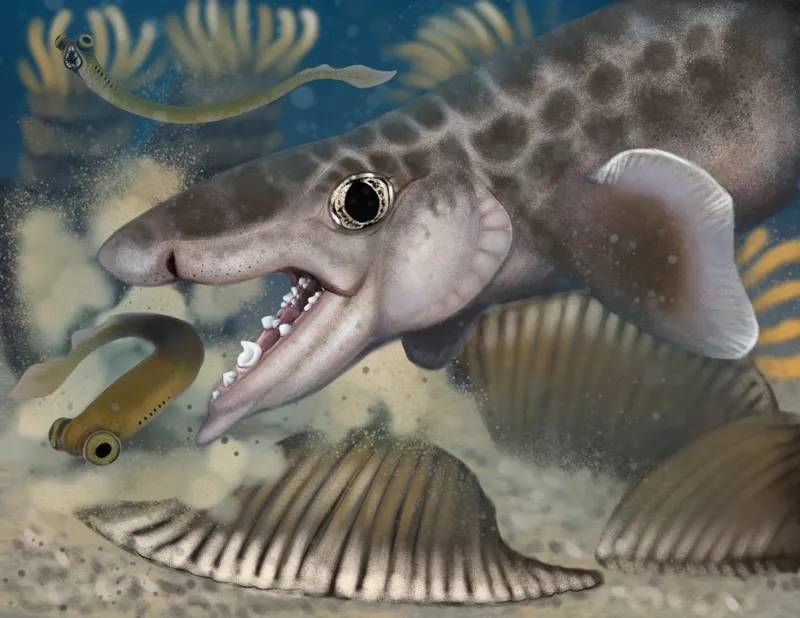
Picture this: 252 million years ago, the end-Permian mass extinction - the deadliest in Earth's history - wiped out over 90% of marine species, leaving oceans as ghost towns amid acidic, oxygen-starved chaos. Scientists thought recovery would drag on for millions of years, but stunning fossils from an Arctic island in Spitsbergen reveal a shockingly swift comeback. Just a million years later, bonebeds brim with thriving predators, diverse prey, and complex food webs, proving some coastal refuges bounced back fast.

Discover the Latest Insights on Ocean Health: Fascinating Updates You Need to See
The Ocean Health Index acts like a report card for the seas, scoring how well oceans provide food, clean waters, coastal protection, jobs, tourism and other benefits - this year’s global average is 72 out of 100, a solid B. The Index combines ecological, social, economic and governance data across 10 goals for 220 coastal regions, using transparent, open-source methods so scores can be tracked and compared over time.

Major Ocean Breakthroughs of 2025: How the Ocean Is Finally Beginning to Heal
2025 proved the ocean's remarkable resilience: when protected from harm, it rebounds with stunning vitality. Scientists cataloged over 900 new species via the Ocean Census, including the deepest-living snailfish at 3,263 meters and a third manta ray species, while global initiatives like high seas treaties and innovative financing fueled systemic conservation wins. These breakthroughs - from AI-driven research to restored fisheries - signal real hope for a thriving blue planet.

Kshamenk’s Last Breath: The Orca Who Spent 33 Years in a 12‑Meter Tank and Reignited the Debate on Captivity
Kshamenk, taken from his pod as a calf in 1992, spent 33 years confined to a small concrete tank at Mundo Marino, isolated after his only companion died in 2000. His slow decline - drifting listless at the surface, losing weight, and showing signs of psychological distress - became a rallying cry against orca captivity and a reminder that intelligence and social bonds cannot be contained.

Top 5 Invasive Species Threats Spotted by Divers This Year
Scuba divers are encountering aggressive invasive species transforming vibrant underwater realms in 2025, from Atlantic reefs to California waters. Lionfish devour native fish and smother corals, while golden mussels explode in density, clogging habitats and outcompeting locals. Divers are stepping up as eco-warriors, spearfishing invaders and capturing epic takedowns to safeguard marine biodiversity.

Diving into History: Exploring the Wreck of the Ancient Egyptian Pleasure Barge in Alexandria Harbour
Off the coast of Alexandria, Egypt, archaeologists have uncovered a remarkably well-preserved 35-meter-long pleasure barge dating back to the 1st century A.D., providing the first physical example of the lavish thalamegos boats described by the ancient Greek geographer Strabo. Found near the submerged island of Antirhodos, this luxurious vessel, adorned with Greek graffiti and built for elite leisure and ceremonial use, offers rare insights into the social life, rituals, and maritime engineering of early Roman Egypt. The discovery also connects to significant historical events, possibly sinking during the destruction of the Temple of Isis or serving in religious processions, enriching our understanding of ancient Egyptian waterways and culture.