Deep Dive: A Journey Through the Five Zones of the Ocean
Marine Science

Deep Dive: A Journey Through the Five Zones of the Ocean

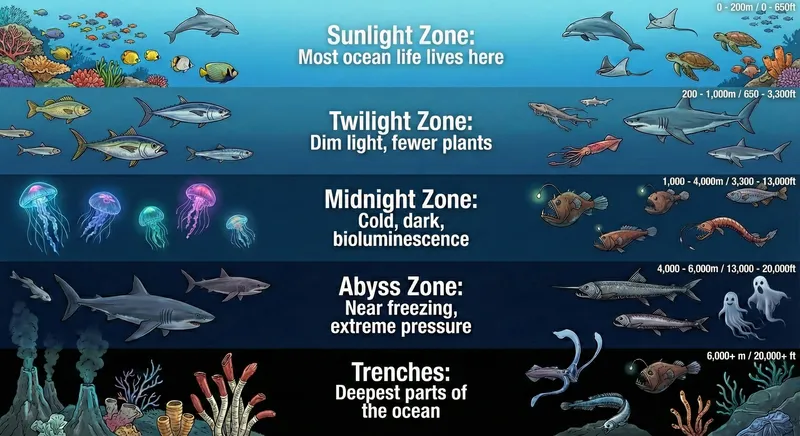
From the colorful coral reefs we know to the pitch-black trenches we can only imagine, the ocean is a stacked adventure of five distinct vertical zones. Light dims, pressure cranks up, and temperatures plummet as you descend - each zone packed with its own wild crew of residents adapted to extreme conditions. Grab your imaginary submersible and dive in from sun-kissed surface to crushing depths, where bioluminescent creatures thrive in darkness and pressure exceeds a thousand atmospheres.

The Architects of the Reef: Understanding Coral Structure
Marine Science

The Architects of the Reef: Understanding Coral Structure

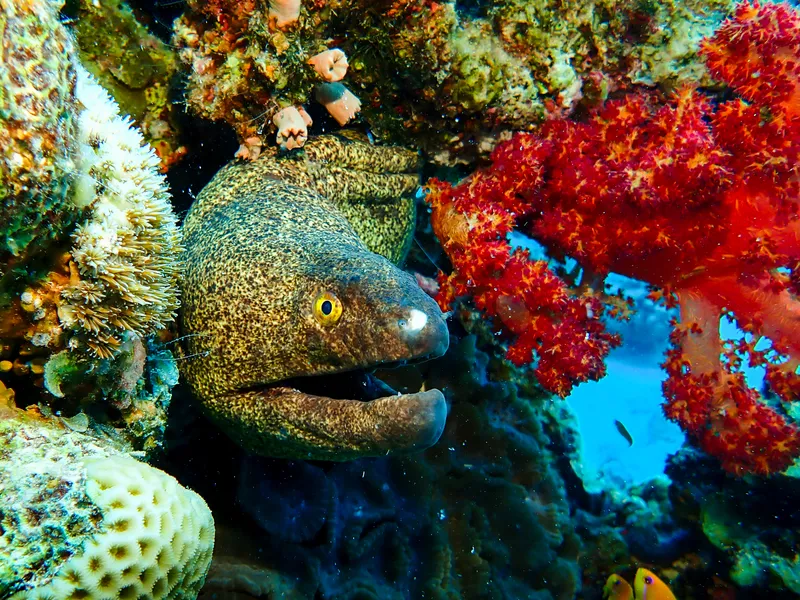
Dive into the Red Sea's vibrant reefs and discover that those colorful "sea flowers" aren't plants or rocks - they're colonies of tiny, sessile animals called coral polyps. Each polyp is a soft, sac-like builder with a central mouth on its oral disc, surrounded by stinging tentacles armed with harpoon-like nematocysts to snag plankton and fend off foes. Layered with protective epidermis, nutrient-absorbing gastrodermis, and a jelly-like mesoglea, these polyps secrete calcium carbonate skeletons, forming the foundation of reefs teeming with over 265 unique hard coral species.

How Healthy Coral Reefs Could Boost Sustainable Fish Production by 50% and Feed Millions
Marine Science

How Healthy Coral Reefs Could Boost Sustainable Fish Production by 50% and Feed Millions

Imagine unlocking millions more healthy fish meals by simply giving coral reefs room to recover - these vibrant underwater powerhouses support 25% of marine life and could boost sustainable fish production by nearly 50% if overfished stocks rebound. Over half of global reef fisheries are struggling from intense pressure, but smarter management like catch limits and no-take zones could deliver 20,000 to 162 million extra servings per country yearly, tackling hunger in Africa and Southeast Asia. Indonesia stands to gain the most, proving reefs are key to feeding the world sustainably.

What’s the Difference Between a Sea and an Ocean?
Marine Science

What’s the Difference Between a Sea and an Ocean?

Think “one big ocean with named neighborhoods.” All the water around Earth is a single, connected global ocean, and the Pacific, Atlantic, Indian, Southern, and Arctic are really just regions of it. Seas like the Mediterranean, Caribbean, or Red Sea are smaller, usually shallower pockets on the ocean’s edges, often partly wrapped by land - so every sea is part of the ocean, but not every part of the ocean is a sea.
Why Coral Bleaching Happens: A Diver's Guide to Heat Stress, UV Exposure, and Local Pollution
Marine Science

Why Coral Bleaching Happens: A Diver's Guide to Heat Stress, UV Exposure, and Local Pollution

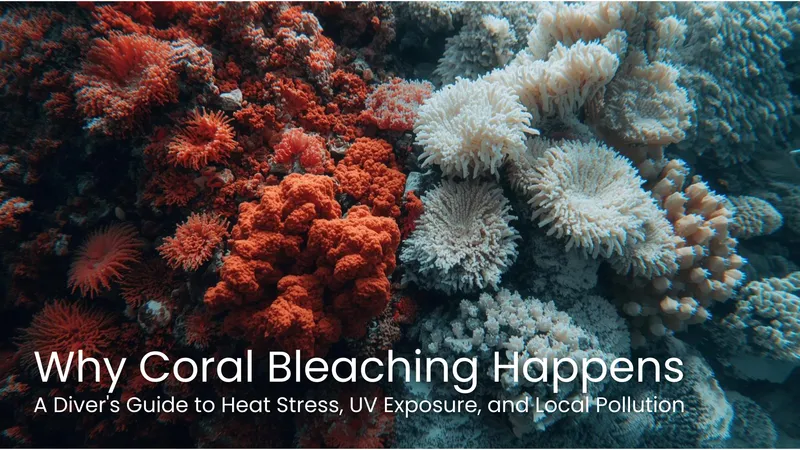
Coral bleaching occurs when stressed corals expel their colorful symbiotic algae, zooxanthellae, revealing stark white skeletons beneath and cutting off their primary energy source. Primarily driven by rising ocean temperatures - just 1°C above normal for weeks - it's worsened by UV radiation, pollution, and other factors, turning vibrant reefs pale and vulnerable to disease and death. Divers and marine lovers should care: it signals collapsing ecosystems, fewer fish, and fading underwater beauty that may not recover.

How Coral Reefs Have Regulated Earth's Climate for 250 Million Years
Marine Science

How Coral Reefs Have Regulated Earth's Climate for 250 Million Years

Imagine coral reefs not just as vibrant underwater havens, but as Earth's master regulators of the carbon cycle for over 250 million years. When thriving on expansive tropical shelves, they lock away calcium carbonate in shallow seas, weakening the ocean's ability to absorb CO2 spikes from events like volcanic eruptions and slowing climate recovery. But when reefs shrink due to tectonic shifts or falling sea levels, deep-ocean alkalinity surges, turbocharging the biological pump and speeding planetary rebound - while sparking plankton evolution booms.

The Ocean’s Secret: How Phytoplankton Outshines Trees in Oxygen Production
Marine Science

The Ocean’s Secret: How Phytoplankton Outshines Trees in Oxygen Production

Beneath the waves, tiny phytoplankton are the true powerhouses of Earth’s oxygen supply, producing more than all the world’s forests combined. These microscopic organisms drift in the sunlit ocean, quietly generating 50% to 80% of the oxygen we breathe through photosynthesis. Every breath you take - on land or underwater - owes a debt to these invisible heroes of the sea.