Creatures

Solar-Powered Sea Slugs: How These Remarkable Creatures Harness Sunlight for Energy Through Kleptoplasty
Solar-powered sea slugs are remarkable marine creatures that have evolved an extraordinary ability to steal chloroplasts from algae and harness the power of sunlight for their own survival. Through a process called kleptoplasty, species like Elysia chlorotica consume algae and carefully retain their chloroplasts, incorporating them into specialized cellular compartments where they continue to photosynthesize and produce energy-rich nutrients. This incredible adaptation allows these small green slugs to survive for months without food, transforming them into nature's most cunning marine thieves and genuinely "solar-powered" animals that blur the boundary between plant and animal biology.

How the Geographic Cone Snail Stuns Prey by Releasing Insulin into Water Before Harpooning Fish with Deadly Neurotoxins
The geographic cone snail is a remarkable predator found in the Indo-Pacific reefs, known for its beautifully patterned shell and deadly hunting technique. It uniquely uses insulin released into the water to stun prey fish, then quickly harpoons them with potent neurotoxins, making it one of the ocean's most effective and dangerous hunters. This fascinating adaptation showcases how nature can repurpose biological molecules for predation in unexpected ways.

The Truth About Sharks: Curiosity, Not Predation
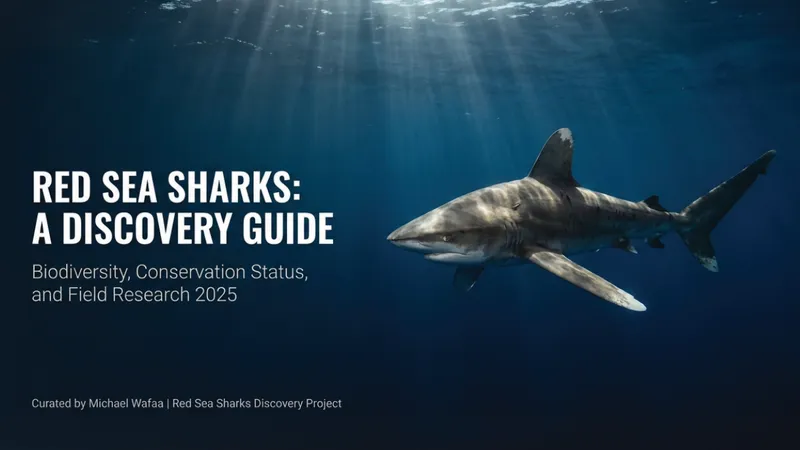
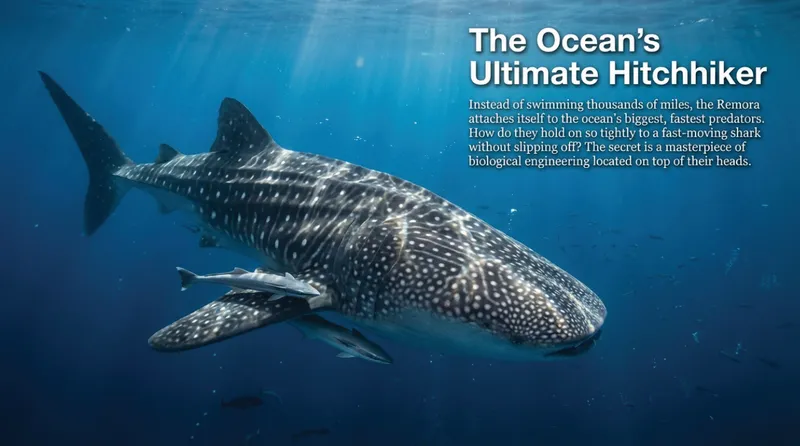
Sharks are often misunderstood as ruthless “man-eaters,” but the reality is quite different: they do not see humans as prey. Most shark encounters occur out of curiosity or mistaken identity rather than predatory intent, as humans differ significantly from the animals sharks naturally hunt. Sharks use specialized senses to detect typical prey, but peaceful swimmers typically do not trigger their hunting signals, making most shark bites rare and exploratory rather than aggressive. Understanding these fascinating creatures helps dispel fear and highlights their crucial role in ocean ecosystems.

10 Dangerous Red Sea Creatures That Aren’t as Scary as They Look (And How to Dive Safely Around Them)
The Red Sea dazzles with vibrant coral reefs and incredible marine life, but a few of its residents - like lionfish, scorpionfish, and moray eels - deserve extra respect. This guide reveals the real risks behind 10 often-misunderstood creatures and shares simple safety tips so you can dive with confidence and come back with amazing memories, not horror stories.

Rough-Head Stingfish: One of the Most Dangerous Fish in the Red Sea
The Rough-Head Stingfish is a venomous marine fish found in the Red Sea, known for its distinctive rough, wart-like textured head and body that provide camouflage among coral reefs. Measuring up to 27 centimeters, it employs a sit-and-wait hunting strategy and uses venomous dorsal spines to defend itself, posing a serious risk of painful stings to divers and snorkelers. Its unique morphology and dangerous nature make it a fascinating yet cautionary species for those exploring these rich underwater ecosystems.

Titan Triggerfish in the Red Sea: Why They Attack and How to Avoid Problems
The Titan triggerfish, one of the largest and most striking reef fish in the Red Sea, is known for its bold colors and powerful jaws. This fish becomes notably aggressive during its nesting season, fiercely defending its territory against divers and snorkelers who come too close. Understanding their behavior and respecting their space can help avoid conflicts with these fascinating but territorial creatures.

Red Sea Animals Guide for First-Time Divers: 20 Species You’ll Definitely Meet
Dive into the Red Sea’s vibrant underwater world and discover an astonishing variety of marine life, from playful clownfish to elegant angelfish and elusive moray eels. With over 1,000 species of fish and 150 types of coral, every dive offers a chance to witness nature’s colorful spectacle. This guide highlights 20 fascinating creatures you’re likely to encounter, making your first Red Sea adventure unforgettable.

Meet the Pink Sea Anemone That Builds Homes for Hermit Crabs
Scientists have discovered a remarkable partnership deep beneath Japan’s Pacific coast, where a new species of pale pink sea anemone, Paracalliactis tsukisome, builds and expands shell-like homes for hermit crabs. This unique anemone secretes a tough structure called a carcinoecium that enlarges and strengthens the crab’s shell, allowing the crab to grow larger and safer without needing to find new shells. In return, the anemone feeds partly on organic particles and nutrients recycled from the crab’s waste, showcasing a rare and sophisticated mutualistic relationship in the deep sea.

Crown-of-Thorns Starfish: The Venomous Reef Destroyer Decimating Coral Ecosystems Worldwide
The crown-of-thorns starfish is a deceptively dangerous coral reef predator, armed with thousands of venomous spines and a voracious appetite that can devastate large areas of coral. Outbreaks of these starfish, fueled by their massive reproductive potential, can wipe out up to 90% of corals on affected reefs, leaving behind bleached skeletons and disrupting reef ecosystems. Despite their threat, they play a natural role in reef dynamics, and some reef fish species help control their populations by preying on them.