The Ultimate Guide to Responsible Dolphin Encounters in the Red Sea
Conservation

The Ultimate Guide to Responsible Dolphin Encounters in the Red Sea

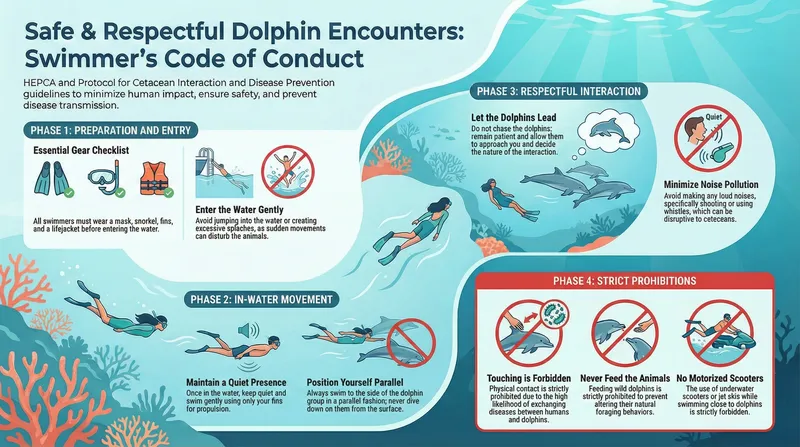
Discover the thrill of swimming with wild dolphins in the Red Sea's vibrant waters, where these intelligent creatures thrive in their natural habitat. At Red Sea Creatures, we prioritize respectful encounters guided by HEPCA's essential Code of Conduct: gear up with fins, mask, snorkel, and lifejacket; enter gently without splashing; swim calmly parallel to the pod using only fins; never chase or touch them - let them approach on their terms; and stay quiet to honor their sound-sensitive world. Follow these rules for a magical, responsible adventure that protects these ocean wonders for generations.

Wikie and Keijo Freed: France Approves Transfer to Nova Scotia Whale Sanctuary - Hope for Marineland’s Orcas
Conservation

Wikie and Keijo Freed: France Approves Transfer to Nova Scotia Whale Sanctuary - Hope for Marineland’s Orcas

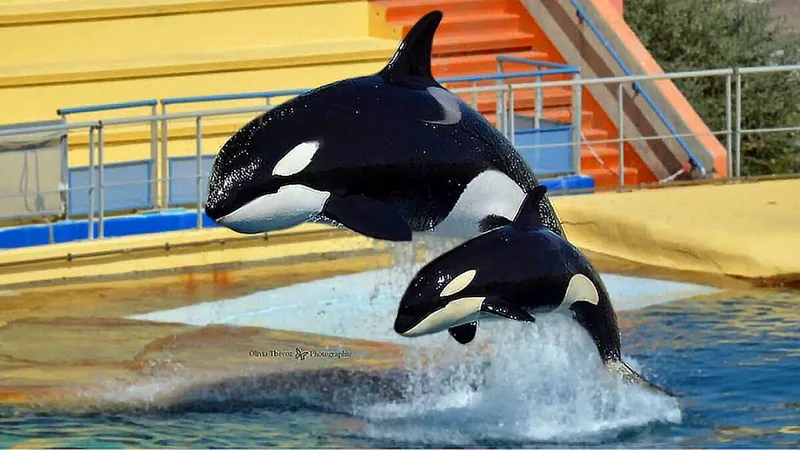
In a landmark victory for animal welfare, the French government has approved transferring Wikie - the orca famed for mimicking human speech like "hello" and "one two three" - and her son Keijo from cramped tanks at closed Marineland Antibes to a spacious 40-hectare sea sanctuary in Nova Scotia, Canada. The move, potentially by summer 2026, rejects riskier options like Japan or Spain, prioritizing ethical rehabilitation with health checks, muscle training, and open-water swimming over shows or breeding. France is leading the world, enforcing its 2021 captivity ban with this "most credible and ethical" solution.
The Dugong: Are We Saying Goodbye to the "Bride of the Sea" Soon?
Conservation

The Dugong: Are We Saying Goodbye to the "Bride of the Sea" Soon?

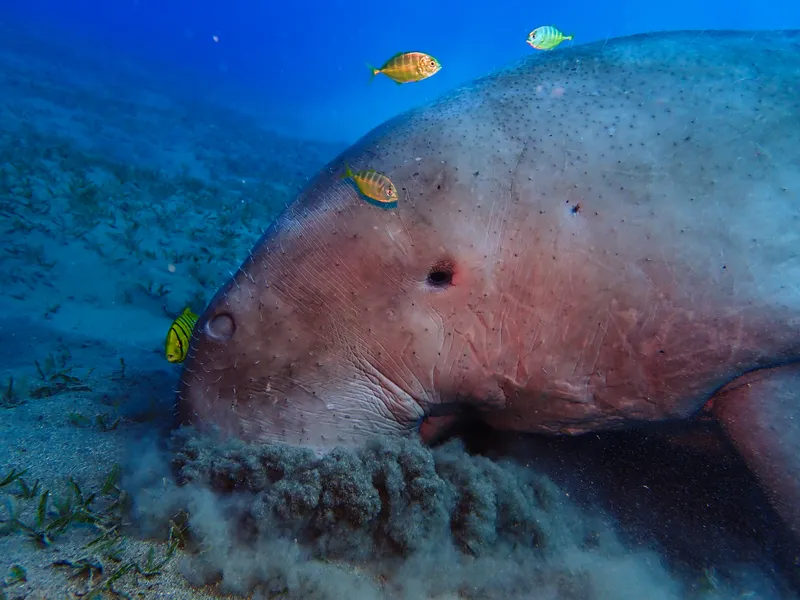
Imagine gliding through the Red Sea and spotting a gentle giant - the dugong - grazing seagrass like a living lawnmower and perhaps inspiring mermaid myths; these slow-reproducing, whiskered “sea cows” are vital to coastal ecosystems but now face a real risk of extinction across much of their range according to recent global assessments. With tiny, fragmented populations outside Australian strongholds and threats from habitat loss and human activity, urgent conservation action is needed to keep these charismatic grazers from vanishing.

Giant Manta Ray First of Its Kind to Be Officially Listed as Endangered
Conservation

Giant Manta Ray First of Its Kind to Be Officially Listed as Endangered

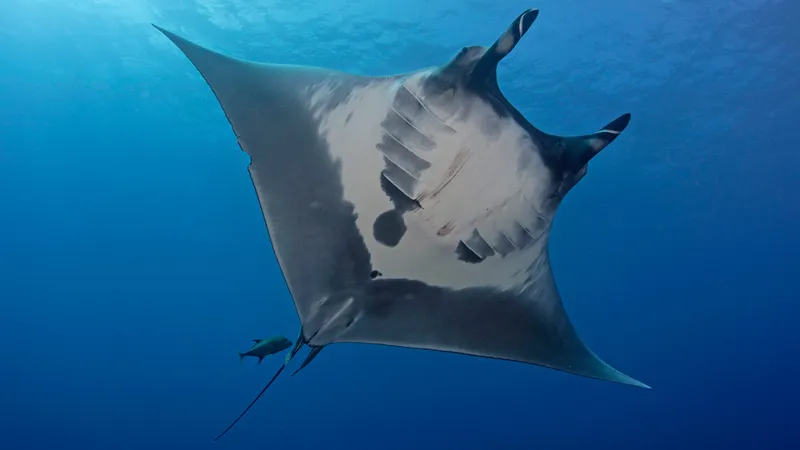
Gliding through the ocean like graceful kites, giant manta rays - ocean's gentle giants - are sounding the alarm as their conservation status worsens worldwide. Once "Data Deficient," they've now been uplisted to Endangered by the IUCN, joining over 16,000 threatened species amid rampant fishing for gill plates and bycatch. In New Zealand, they're Nationally Vulnerable, with just a few thousand left, urging urgent research and protection from human threats.

Why One Red Sea Shark Generates $200,000 Yearly: Egypt's Bold Protection Plan
Conservation

Why One Red Sea Shark Generates $200,000 Yearly: Egypt's Bold Protection Plan

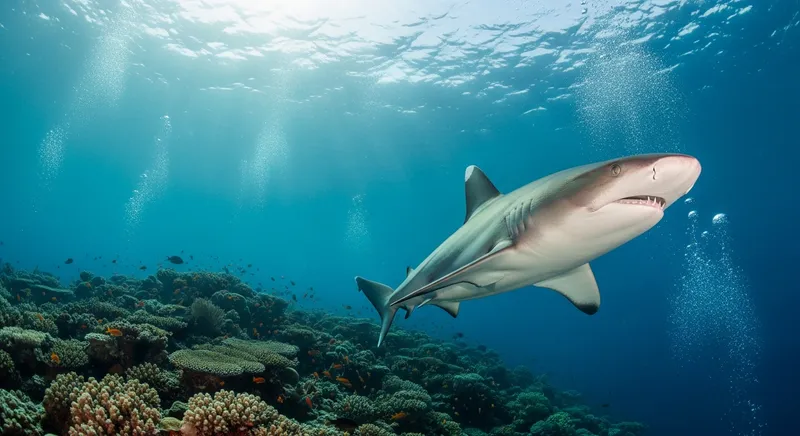
Egyptian government figures reveal a stunning truth: each Red Sea shark generates about $200,000 in annual tourism value, powering a multi-million-dollar dive industry that draws global adventurers to glimpse tiger sharks and oceanic whitetips amid glittering reefs. Now, a bold new Ministry of Environment plan targets illegal fishing and biodiversity collapse to protect these "ecotourism engines," safeguarding coastal livelihoods and the elegant silhouettes on the blue horizon. Healthy sharks mean thriving economies—proving one animal's life is worth far more alive than as a fin.

How Global Conservation Efforts Rescued the Green Turtle from the Brink of Extinction and Sparked a Remarkable Comeback
Conservation

How Global Conservation Efforts Rescued the Green Turtle from the Brink of Extinction and Sparked a Remarkable Comeback

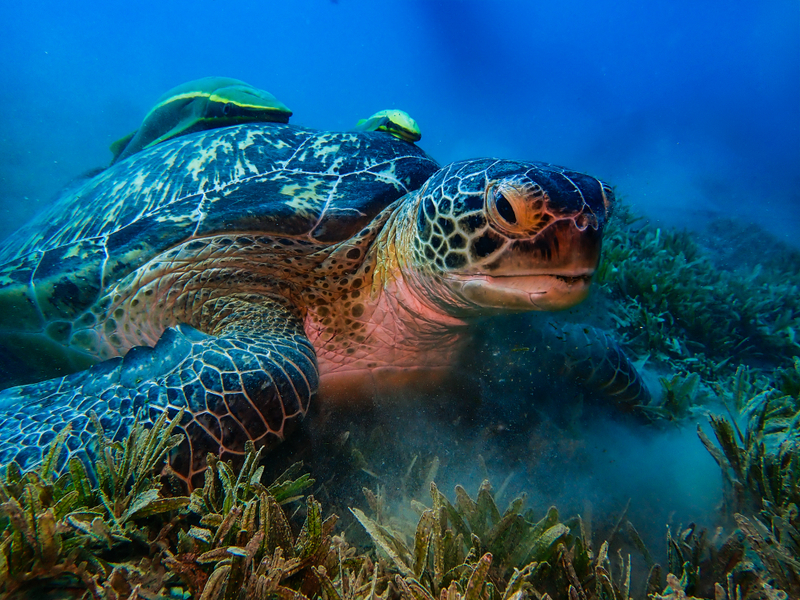
Green turtles, once driven to the brink of extinction by hunting, egg harvesting, and accidental fishing bycatch, are now making a remarkable comeback thanks to decades of dedicated global conservation efforts. Protected nesting beaches, community engagement, and international laws have led to a 28% increase in their population since the 1970s, moving their status from endangered to least concern. This recovery illustrates the power of long-term, coordinated action in preserving marine ecosystems and offers hope for other threatened species.

A Historic Victory: Oceanic Whitetip Sharks Gain Full Protection Under CITES
Conservation

A Historic Victory: Oceanic Whitetip Sharks Gain Full Protection Under CITES

In a historic win for shark conservation, oceanic whitetip sharks have been granted the highest level of international protection at CITES CoP20, moving to Appendix I. This landmark decision bans all commercial international trade in the species, offering a crucial lifeline to one of the ocean’s most critically endangered sharks.

Join the December 19, 2025 Magawish Island Red Sea Cleanup: Protect Egypt’s Underwater Paradise with Ahmed Gabr and NBE
Conservation

Join the December 19, 2025 Magawish Island Red Sea Cleanup: Protect Egypt’s Underwater Paradise with Ahmed Gabr and NBE

Join a powerful effort to protect the breathtaking marine beauty of Magawish Island, Egypt’s own Caribbean paradise known for its turquoise waters and vibrant coral reefs. On December 19, 2025, divers and volunteers will come together for an ocean cleanup event led by record-holding diver Ahmed Gabr and supported by key partners, aiming to preserve this natural treasure for future generations. Whether underwater or onshore, you can make a real impact while celebrating and supporting marine conservation in this stunning Red Sea sanctuary.

Mineral vs. Chemical: A Marine Biologist's Guide to Choosing Reef-Safe Sunscreen
Conservation

Mineral vs. Chemical: A Marine Biologist's Guide to Choosing Reef-Safe Sunscreen

Protecting coral reefs starts with the sunscreen you choose. Chemical sunscreens containing ingredients like oxybenzone and octinoxate can dissolve in seawater, harming coral and marine life, while mineral sunscreens with non-nano zinc oxide or titanium dioxide offer effective sun protection without the same environmental risks. For ocean lovers, switching to a truly reef-safe sunscreen is a simple yet powerful way to help preserve these vibrant underwater ecosystems.