Venom
A toxin actively injected through a spine, fang or sting. If the animal has to put it into you, it is venom.
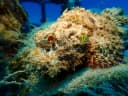
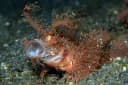
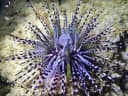
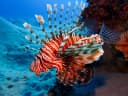
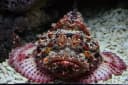
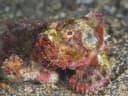
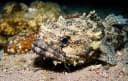
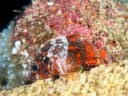
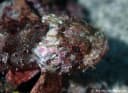
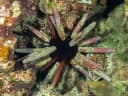
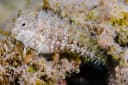
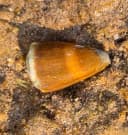
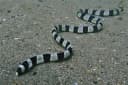
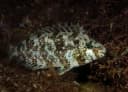
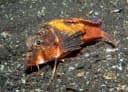
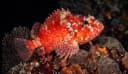
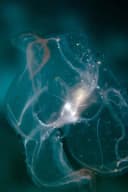
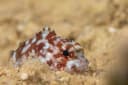
Venom is a toxin an animal injects, using hardware built for the job: the hollow spines of a lionfish or a stonefish, the harpoon tooth of a cone snail, the fangs of a sea snake, the fired thread of a jellyfish's nematocyst. The delivery is the definition. If the animal has to put the toxin into you, it is venom.
That distinction is not academic on a reef. A venomous animal can hurt you through a wetsuit, at a touch, and often defensively rather than in anger - almost every serious envenomation here happens when someone kneels, grabs or steps on something. It is also why venom is worth the animal's investment: it is expensive to make, and it is spent on defense and on hunting rather than wasted on being eaten.
Compare poison, which is the passive version - dangerous to eat or to touch, with nothing being injected. Some animals manage both.
First aid
What helps depends on how the venom is built, and the three families here need opposite things.
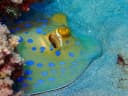
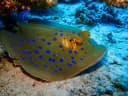
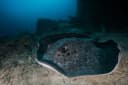
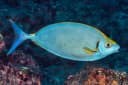
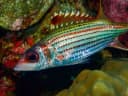
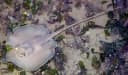
- Fish spines - stonefish, scorpionfish, lionfish, rabbitfish, surgeonfish, stingrays. The venom is protein and heat destroys it. Get the limb into water as hot as the person can hold without scalding, about 45 C (113 F), and keep it there for 30 to 90 minutes, topping the water up as it cools. Pull out any obvious spine fragment, wash the wound, and do not use ice - cold does nothing and makes the pain worse.
- Stinging cells - jellyfish, fire coral, hydroids. Different rules entirely, and fresh water makes it worse: see nematocyst.
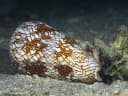
- Bites that paralyze - cone snails, sea snakes, blue-ringed octopus. Almost no pain and no swelling, which is the trap. Wrap the whole limb firmly with a broad bandage as for a sprain, splint it, keep the person still, and watch their breathing every minute.
Then a doctor, in every one of those cases. A sting that seems mild can turn systemic, wounds from marine animals infect readily, and tetanus cover is worth checking.
Get medical help urgently, whatever else is happening, if the person has trouble breathing or swallowing, chest pain, an irregular heartbeat, spreading numbness, a swollen face or tongue, or is confused or fainting.
Found in71