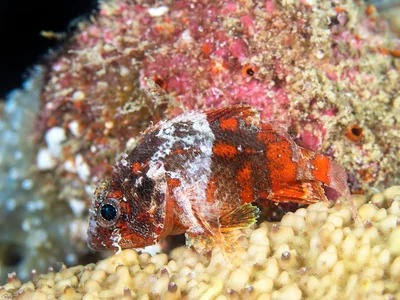
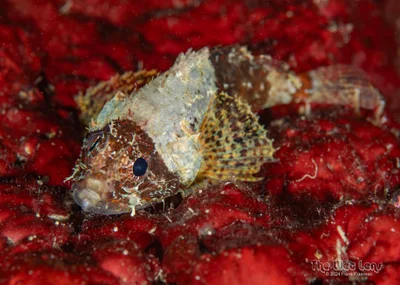
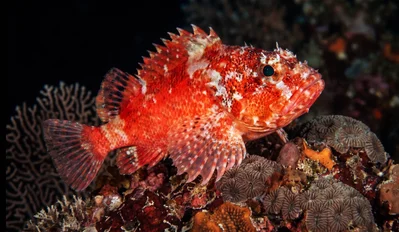
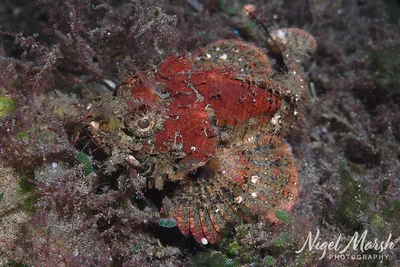
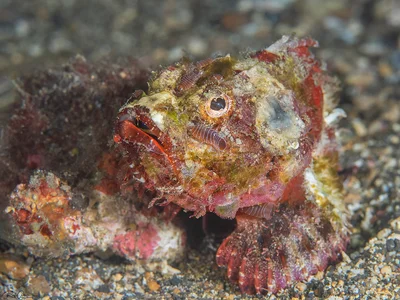
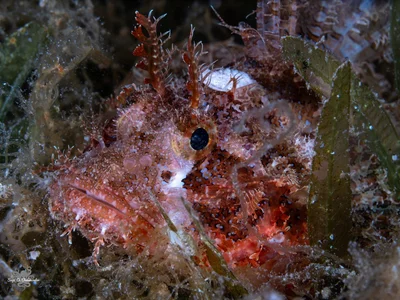
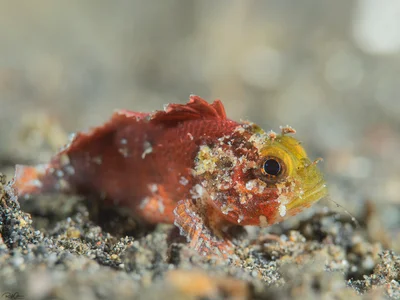
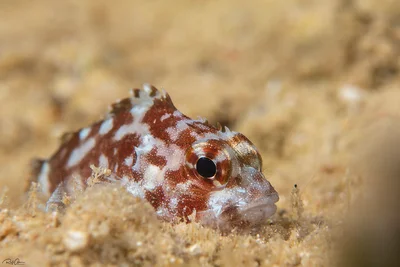
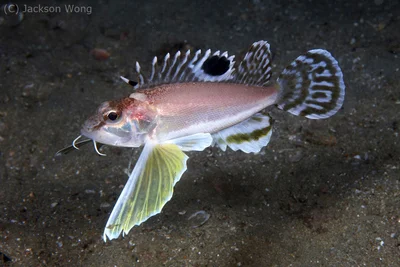
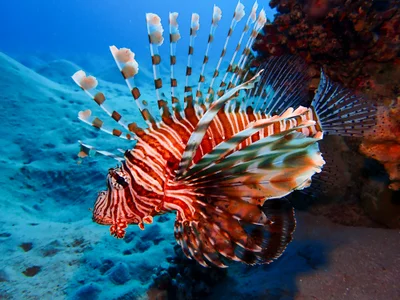
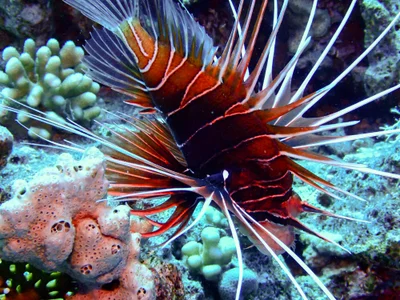
The question people arrive with is how dangerous these fish are, and the answer is specific. The venom is defensive and it is in the spines: the row along the back, one in front of each pelvic fin, and three under the tail, each spine grooved and carrying a pair of venom glands under a thin sheath of skin. Standing on a spine or closing a hand around one pushes the sheath back and drives venom into the wound. None of it is offensive equipment. A scorpionfish will not come at you, and a lionfish that turns to face a diver with its fins spread is not attacking, it is aiming its spines at the problem.
A lionfish sting is severe pain, swelling and several bad hours, and it is very rarely more than that. The danger is where it happens, which may be twenty meters down or a long way from the boat. The venom is protein and heat breaks it down, so the first aid is hot water, as hot as the hand can take without scalding, about 45 C (113 F), for thirty to ninety minutes, then a doctor for the wound and for any fragment left in it. The stonefish is the one that puts people in hospital, and it belongs to a separate group with its own page here.
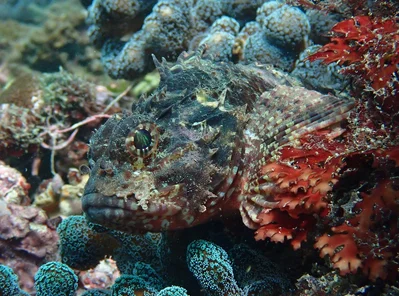
The other thing worth knowing is that these fish shed their skin. An animal that sits without moving for days would otherwise be overgrown by algae and hydroids, so a scorpionfish periodically peels off its outer layer and comes out clean, which is how the tassels and flaps that break up its outline go on looking like rock instead of like a fish wearing a garden.
Eighteen species are listed here, most of them not lionfish and most of them never noticed. The lionfish of this sea is Pterois miles, at home and held in check by predators and parasites that have had as long as it has, It is also the fish that went up through the Suez Canal (🇪🇬 Egypt) and spread along the eastern Mediterranean, where it is now established, and it turns up as the minority partner in the aquarium-released lionfish invasion of the western Atlantic, most of which is its close relative. Nothing controls it in either place.
How to recognise scorpionfishes
Bottom-dwellingStocky, big-headed, sits on the reef or sand rather than swims - scorpionfishes, groupers, gobies.
- stocky, big-headed body
- mottled, cryptic coloration
- prominent, sharp fin spines
- typically motionless on substrate