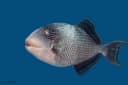
Poison
A toxin that harms when eaten or touched, with nothing injecting it - the pufferfish version of chemical defense.
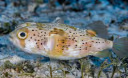
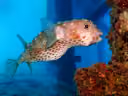
Poison is a toxin that works passively. It sits in the tissue, the skin or the mucus of an animal and takes effect when something eats it or handles it - nothing is injected, and the animal does nothing at the moment it works. A pufferfish carrying tetrodotoxin in its liver is poisonous; a stonefish that stabs you is venomous.
The strategy is aimed at predators rather than at people, and it works by teaching rather than by killing: bright warning color, a memorable taste, and a fish that spits out the mouthful and does not repeat the mistake. That is why so many poisonous reef animals are also slow, obvious and easy to approach - being conspicuous is the point.
For a diver the practical consequences are narrow but real. Handling a poisonous animal and then touching your mask or your face is the usual way people get hurt, and eating one you have not identified is the other. Look, photograph, do not taste.
First aid
Nothing you can do at the scene neutralizes a poison that has been eaten - there is no antidote for the ones on this reef, and making someone vomit does more harm than good. What matters is getting them to a hospital and keeping them alive on the way.
- Call for help early. With tetrodotoxin and saxitoxin the gap between "tingling lips" and "cannot breathe" can be under an hour.
- Keep the person sitting up and do not give food or drink if they are struggling to swallow.
- Watch the breathing. If it stops, rescue breaths keep them alive - these poisons paralyze the muscles without damaging the brain, and people who are ventilated until the toxin clears usually recover completely.
- Save a sample of the meal. Identifying it changes what the hospital does.
On skin the rule is simpler: rinse the area with clean water, do not scrub, and keep contaminated hands away from eyes and mouth.
Found in34