Nematocyst (cnidocyte)
The single-use stinging capsule of jellyfish, anemones and corals - it fires in under a millionth of a second, and works whether or not the animal is alive.
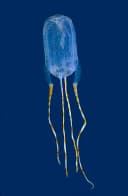
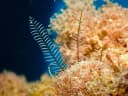
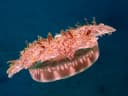
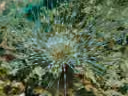
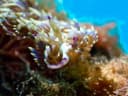
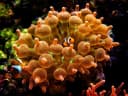
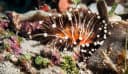
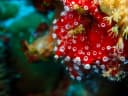
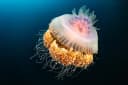
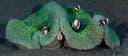
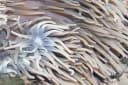
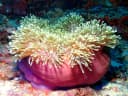
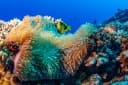
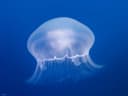
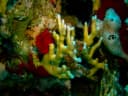
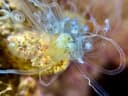
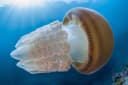
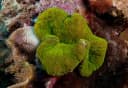
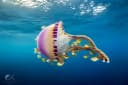
Every stinging animal on the reef - jellyfish, sea anemone, fire coral, hydroid, stony coral, the blue dragon that eats them - stings with the same device. The cnidocyte is the cell; the nematocyst is the loaded capsule inside it. A coiled, barbed thread sits in a pressurized chamber under a lid, waiting.
Firing it is one of the fastest movements in biology. The lid opens, the thread turns inside out like a glove finger and drives outward in well under a millionth of a second, accelerating at millions of times the force of gravity - enough to punch through the shell of a small crustacean, never mind skin. The venom travels down the thread once it is in.
Two things about it matter in the water. First, the capsule is single-use: it fires, the cell is spent, and the animal has to build a new one. Second, the trigger is not a nervous system decision - it is chemistry and touch acting on the cell directly. A jellyfish does not have to be alive, or attached, or aware of you. A torn tentacle drifting past, or a stranded jellyfish drying on the sand, stings exactly as well as the intact animal.
That is also why the first-aid advice runs the way it does. Rinsing a sting with fresh water changes the salinity around the unfired capsules still sitting on the skin and sets them off; vinegar, for tropical box jellyfish, does the opposite and keeps them shut. Rubbing the area achieves nothing except firing every capsule you touch.
First aid
Every step here is about the unfired capsules still sitting on the skin: the aim is to get them off without setting them off.
- Out of the water, and keep the person still - activity spreads the venom.
- Rinse with seawater or vinegar, never with fresh water, which sets off the capsules still on the skin. In this sea, vinegar is the right call for anything with long trailing tentacles.
- Lift the tentacles off with tweezers, a card edge or a gloved hand. Do not rub, do not use sand, and do not use urine or alcohol.
- For pain, immerse the area in hot water at about 45 C (113 F) for 20 to 45 minutes, or use a cold pack if hot water is not available.
Get medical help urgently for a large sting, a sting across the face or throat, a child, or anyone who becomes short of breath, sweaty, cramping, or is in severe pain that starts well after the sting - that delayed pattern is the dangerous one.
Found in48