2025 Red Sea Shark Discovery: The Ultimate Field Guide to Egypt’s Apex Predators

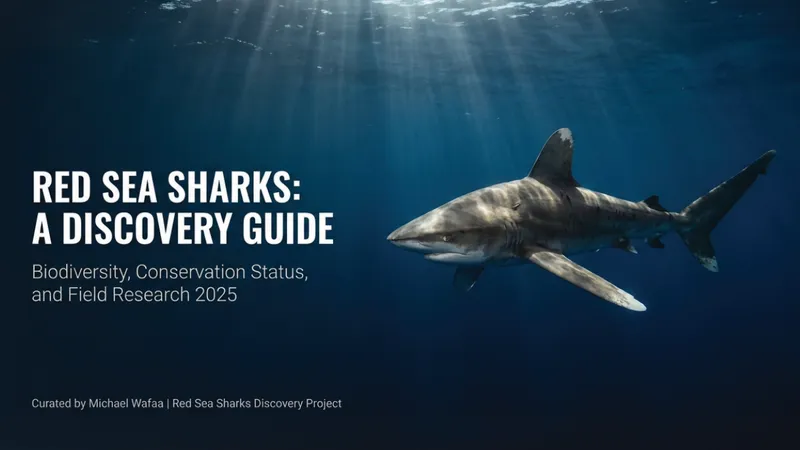
The Egyptian Red Sea remains one of the most vibrant and dynamic environments on the planet for shark encounters. Whether you are hovering over a deep drop-off or drifting along a remote seamount, diving with these apex predators is an experience that demands both awe and respect. Based on the latest 2025 field data, here is your comprehensive guide to the current shark populations, primary sighting zones, and the critical conservation efforts happening right now.
Species Diversity: Who are we meeting?
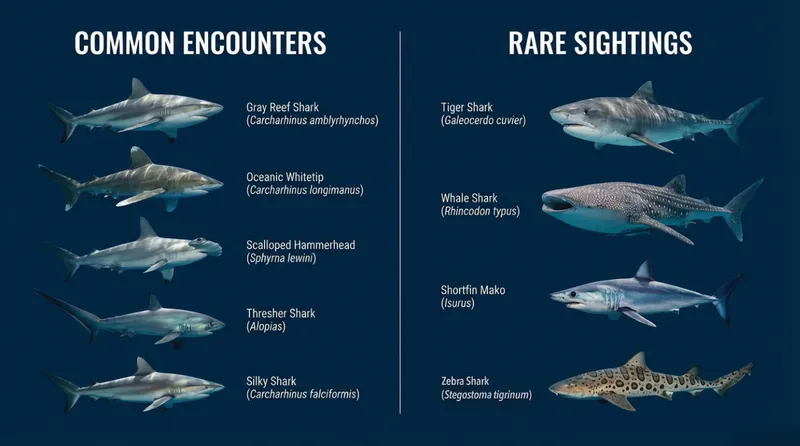
The biodiversity of the Red Sea includes both resident reef dwellers and rare pelagic visitors. While Gray Reefs and Oceanic Whitetips are the "faces" of Egyptian diving, sightings of species like the Whale Shark or the Zebra Shark remain rare and precious rewards for researchers and lucky divers alike.
IUCN Red List: A Fragile Balance
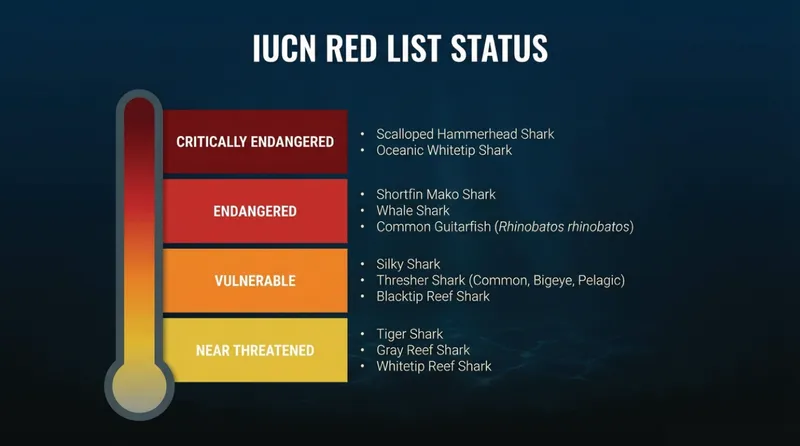
Understanding the conservation status of these animals is vital. Many of the Red Sea’s most iconic species, including Hammerheads and Oceanic Whitetips, are now listed as Critically Endangered. Our project monitors these local populations to highlight the urgent need for habitat protection against anthropogenic threats.
The Golden Triangle (BDE): The Pelagic Highway
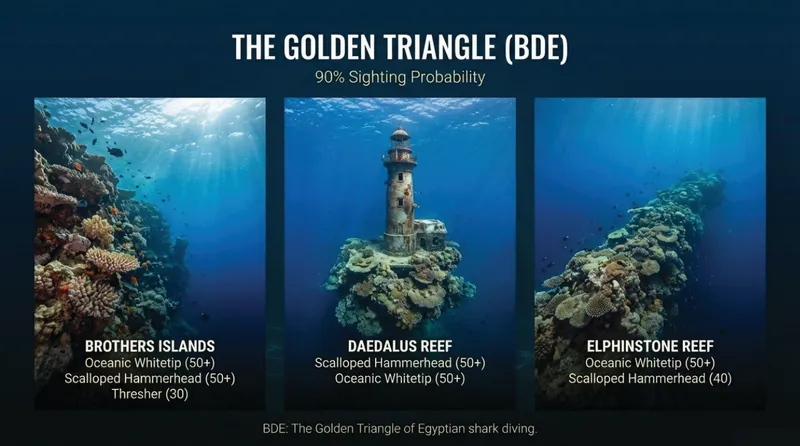
For those seeking high-probability encounters (90%+), the offshore reefs of Brothers, Daedalus, and Elphinstone are the undisputed crown jewels:
- Brothers Islands: A primary hub for the Oceanic Whitetip, Scalloped Hammerheads, and elusive Thresher sharks.
- Daedalus Reef: Famous for schooling Hammerheads and the epicenter of our 2025 Oceanic Manta Ray census.
- Elphinstone Reef: A breathtaking drop-off where Oceanic Whitetips patrol the shallows and Tiger Sharks occasionally cruise the deep blue.
Field Report 2025: Oceanic Whitetip Identification
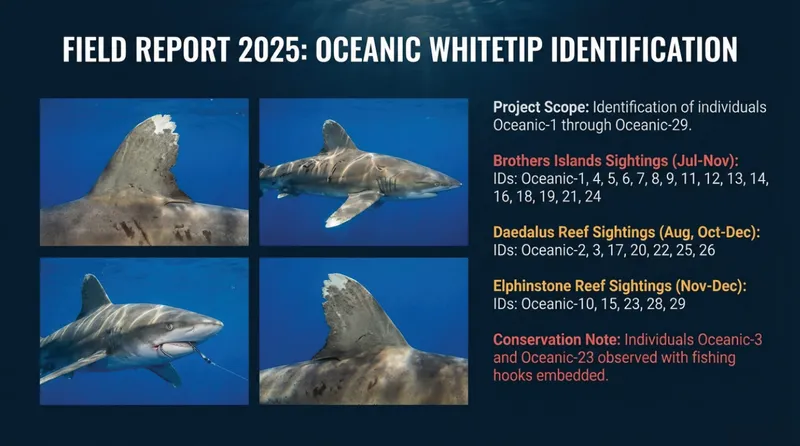
Our latest fieldwork has cataloged 29 distinct individuals (IDs: Oceanic-1 through 29) across the BDE sector. Alarmingly, human impact is visible - individuals #3 and #23 were observed with embedded fishing hooks, highlighting the critical need for continued marine protection and enforcement.
Field Report 2025: Tiger Shark Research
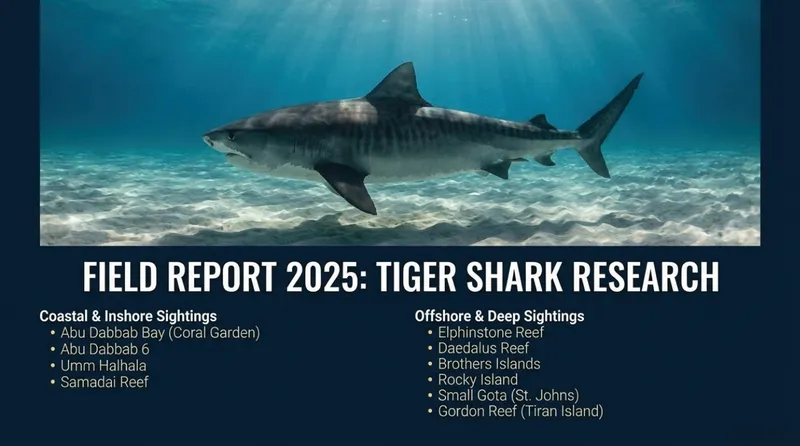
Tiger Sharks (Galeocerdo cuvier) continue to be a focal point of our research. In 2025, we documented their presence across both coastal nurseries like Abu Dabbab and deep offshore walls, proving the importance of connected marine corridors for these wide-ranging predators.
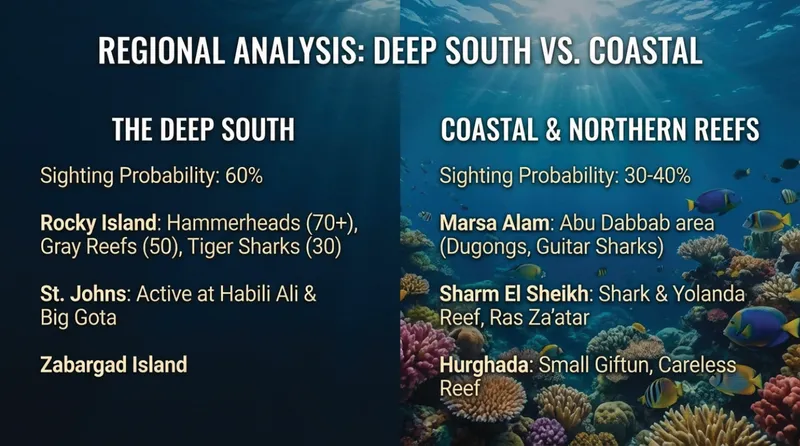
Regional Analysis: Deep South vs. Coastal
If you are looking for untamed wilderness, the Deep South offers a 60% sighting probability amidst strong currents and exposed walls:
- Rocky Island: A magnet for massive Hammerhead schools (70+) and Gray Reef sharks.
- St. Johns (Habili Ali): Known for active reef shark populations and sleek Silky Sharks navigating the submerged plateau systems.
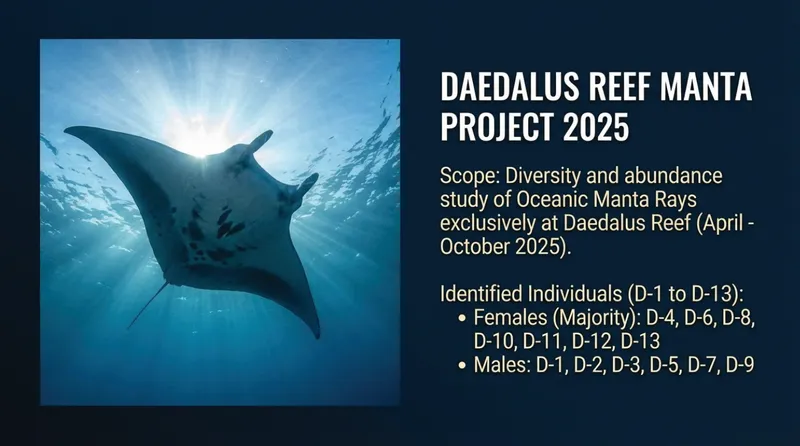
Daedalus Reef Manta Project 2025
Between April and October, Daedalus Reef serves as a critical aggregation site for Oceanic Manta Rays. We have identified 13 unique individuals (D-1 through D-13). The majority are females, providing vital data on the reproductive health and migration patterns of these gentle giants.
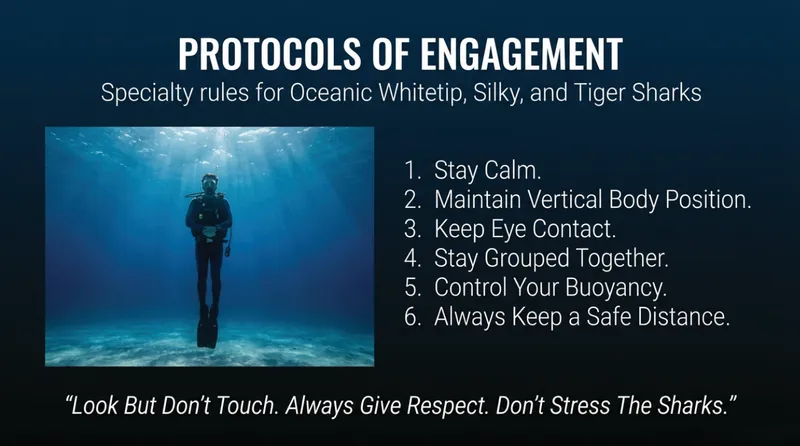
Protocols of Engagement: Rules of the Water
Diving with apex predators is a privilege. To ensure both your safety and the well-being of the sharks, strictly follow these "Rules of the Water":
- Stay Calm: Avoid erratic movements.
- Maintain Vertical Position: Appear large and neutral in the water column.
- Keep Eye Contact: Always track the animal; never turn your back.
- Stay Grouped: Maintain close proximity to your dive buddies.
The Red Sea is their home; we are just visitors. Our mission is to challenge misconceptions, inspire respect, and replace fear with understanding. Through research and education, we aim to turn indifference into action for the survival of these magnificent predators.
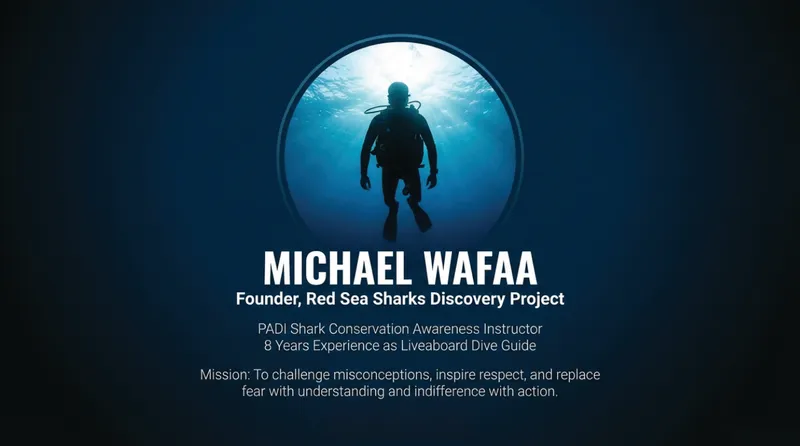
Curated by Michael Wafaa, Founder of the Red Sea Sharks Discovery Project and PADI Shark Conservation Awareness Instructor.
PADI Divemaster and underwater storyteller with over 7 years of hands-on Red Sea diving experience, documenting marine life, mapping dive sites, and promoting responsible ocean conservation.