Creatures

Red Sea Lionfish: Stunning Beauty, Killer Biology, and the Ultimate Reef Predator Divers Must Know
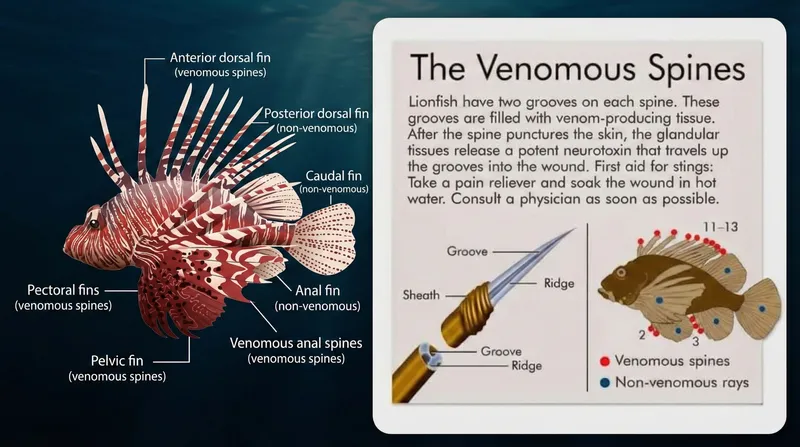
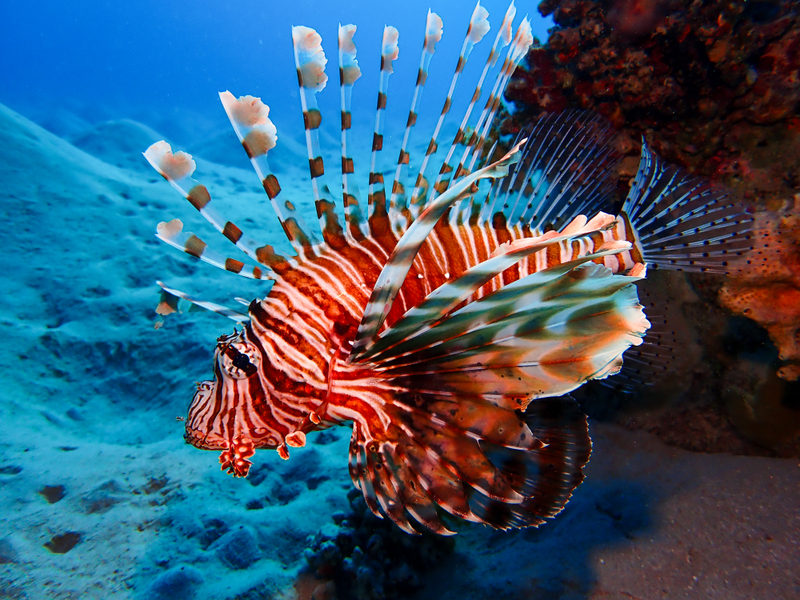
Glide through the Red Sea's crystal waters and encounter the Common Lionfish, Pterois miles - the reef's regal "Soldier" with its feathery fins, zebra stripes, and venomous spines that camouflage it perfectly among corals. By day, it lurks in crevices; at night, those massive pectoral "wings" fan out to trap and gulp small fish in a deadly ambush. Native hero in the Indo-Pacific, it's a voracious invader wreaking havoc in the Atlantic.

Lionfish: Native Beauties of the Red Sea, Invasive Nightmares in the Caribbean
The red lionfish, a venomous Indo-Pacific predator with striking zebra-striped patterns and elongated fins, captivates marine enthusiasts in its native habitat but has become an ecological disaster in the Caribbean and western Atlantic. Since its accidental introduction off Florida's coast in the mid-1980s - likely through aquarium releases - this voracious hunter has established itself across vast regions from New England to Brazil, with no natural predators to control its population. With the ability to consume dozens of small fish and crustaceans daily, including vital parrotfish that protect coral reefs, lionfish have dramatically disrupted Caribbean ecosystems and continue to expand at alarming rates.

Octopus Love: When Romance Turns into a Deadly Duel
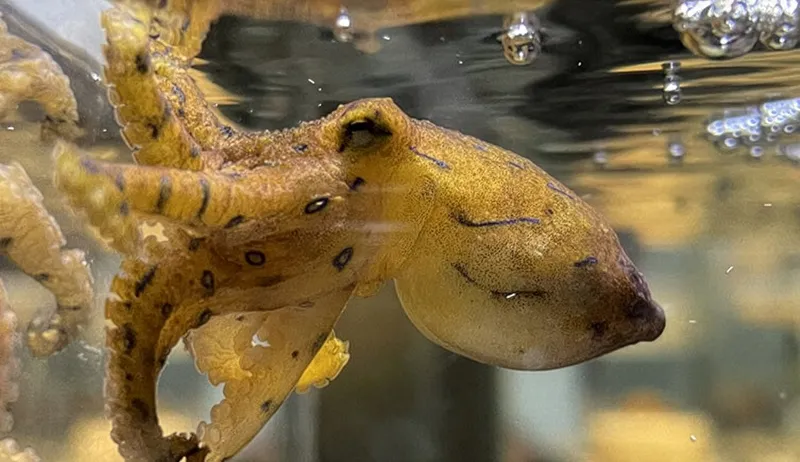
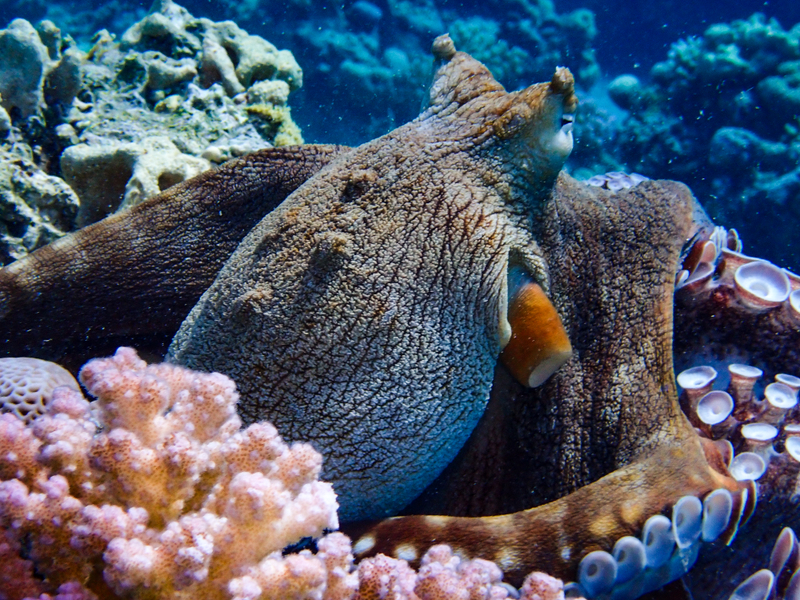
In the shadowy ocean depths, a hopeful male octopus approaches his dream mate, only to face a deadly embrace: she strangles him with three arms and devours him for vital nutrients to fuel her egg-brooding marathon, where she starves in fierce maternal devotion. Before the chokehold, savvy females hurl shells and silt via precision water jets, pelting persistent suitors like underwater snipers to enforce a brutal "not interested" signal. Octopus romance is no fairy tale - it's a savage eat-or-be-eaten gamble where love bites back hard.

10 Mind-Blowing Octopus Facts They Don't Teach in School
Octopuses are nature’s ultimate escape artists, blending brainy genius, Houdini-level tricks, and living watercolor camouflage that’s even wilder than your schoolbooks suggested. Picture this: three hearts pumping blue, copper-rich blood; arms with mini-brains that taste food on touch and solve puzzles independently; and no bones, letting them squeeze through tiny gaps like liquid magic. Dive into these 10 jaw-dropping facts for a coffee-chat vibe that’ll hook any ocean lover.

10 Strange Marine Life Creatures You Have To See To Believe
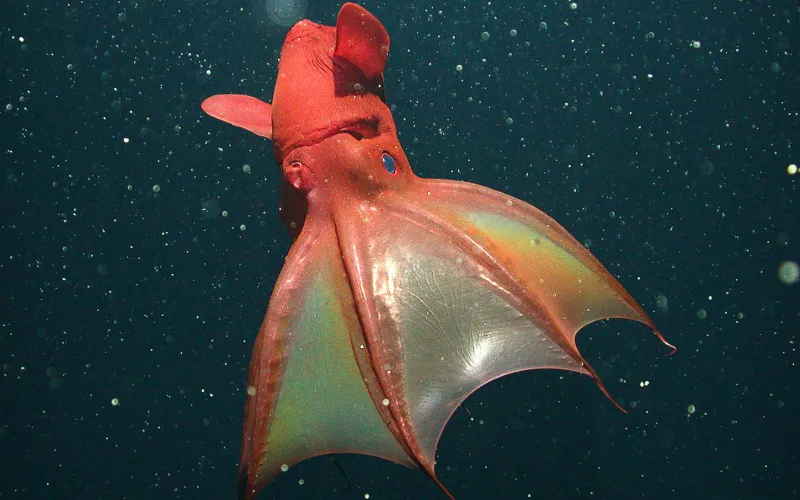
Dive into the deep sea's eerie wonders, where bizarre creatures like the vampire squid - Vampyroteuthis infernalis, meaning "vampire squid from hell" - thrive in oxygen-starved depths up to 3,000 feet. This cloaked cephalopod doesn't hunt prey but drifts, snaring marine snow with sticky filaments, while fending off threats with glowing bioluminescent mucus clouds. From alien-limbed bigfin squids to other oddities, these extremophiles reveal the ocean's hidden, barely-believable menagerie.

5 Mind-Blowing Moray Eel Facts That Prove They're Cool, Not Scary
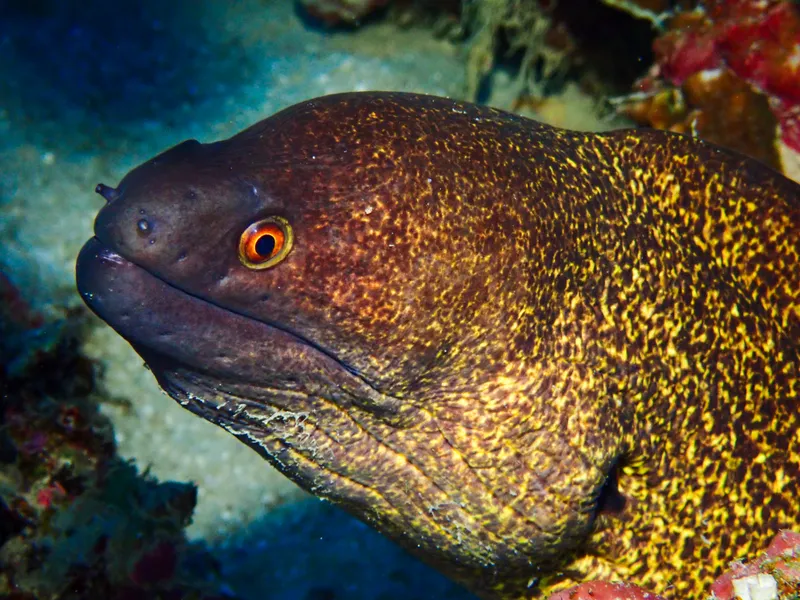
Dive into the reef and meet the moray eel: a snake-like, jaw-dropping predator that hides in coral crevices and uses clever tricks - like erupting pharyngeal jaws and a keen sense of smell - to snag dinner. Mostly nocturnal and fiercely territorial, morays range from small reef dwellers to giant green morays and are as fascinating as they are misunderstood.

Solar-Powered Sea Slugs: How These Remarkable Creatures Harness Sunlight for Energy Through Kleptoplasty
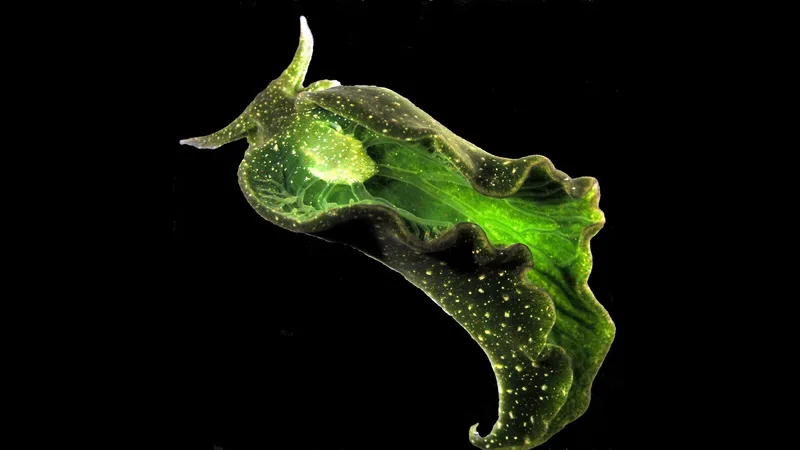
Solar-powered sea slugs are remarkable marine creatures that have evolved an extraordinary ability to steal chloroplasts from algae and harness the power of sunlight for their own survival. Through a process called kleptoplasty, species like Elysia chlorotica consume algae and carefully retain their chloroplasts, incorporating them into specialized cellular compartments where they continue to photosynthesize and produce energy-rich nutrients. This incredible adaptation allows these small green slugs to survive for months without food, transforming them into nature's most cunning marine thieves and genuinely "solar-powered" animals that blur the boundary between plant and animal biology.

How the Geographic Cone Snail Stuns Prey by Releasing Insulin into Water Before Harpooning Fish with Deadly Neurotoxins
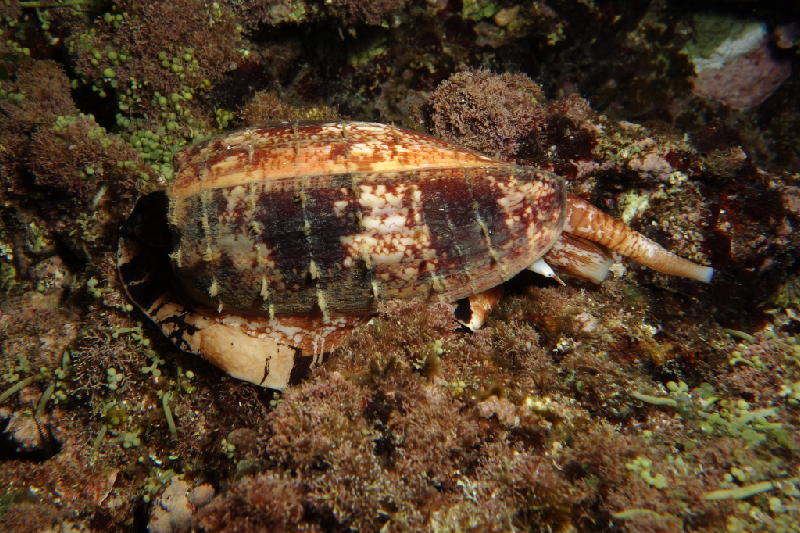
The geographic cone snail is a remarkable predator found in the Indo-Pacific reefs, known for its beautifully patterned shell and deadly hunting technique. It uniquely uses insulin released into the water to stun prey fish, then quickly harpoons them with potent neurotoxins, making it one of the ocean's most effective and dangerous hunters. This fascinating adaptation showcases how nature can repurpose biological molecules for predation in unexpected ways.

The Truth About Sharks: Curiosity, Not Predation
Sharks are often misunderstood as ruthless “man-eaters,” but the reality is quite different: they do not see humans as prey. Most shark encounters occur out of curiosity or mistaken identity rather than predatory intent, as humans differ significantly from the animals sharks naturally hunt. Sharks use specialized senses to detect typical prey, but peaceful swimmers typically do not trigger their hunting signals, making most shark bites rare and exploratory rather than aggressive. Understanding these fascinating creatures helps dispel fear and highlights their crucial role in ocean ecosystems.