Creatures

Exploring the Role of Grey Reef and Hammerhead Sharks in the Red Sea Ecosystem
The Red Sea is a vibrant underwater paradise teeming with shark species that play a crucial role in maintaining the health of its coral reefs. Among the most iconic are the Grey Reef Shark, a common and agile sentinel of the reef, and the Scalloped Hammerhead, known for its distinctive head shape and mysterious gatherings in deeper waters. Both species offer unforgettable encounters for divers and are vital to the balance and resilience of the Red Sea’s rich marine life.

Unpopular Red Sea Marine Animals That Deserve Your Attention
The Red Sea harbors over 1,200 species of fish, with more than 10% found nowhere else on Earth, yet most visitors focus solely on iconic species like manta rays and Napoleon Wrasse. Beyond these celebrated inhabitants lies a fascinating world of lesser-known creatures - from tiny endemic triplefins to specialized predators like the crocodilefish - each playing crucial roles in maintaining reef health and ecosystem balance. These overlooked animals possess remarkable adaptations and behaviors that deserve equal admiration, offering divers and naturalists extraordinary opportunities for discovery and deeper appreciation of the Red Sea's true biodiversity.

Red Sea Endemic Species: A Guide to Photographing Unique Marine Life Found Nowhere Else
The Red Sea stands as one of the world's most extraordinary marine destinations, hosting over 1,200 species of fish, with approximately 15 percent found nowhere else on Earth. This underwater paradise features more than 200 types of coral creating intricate ecosystems that support thousands of marine organisms in crystal-clear waters. For scuba divers and underwater photographers, the Red Sea represents an unparalleled opportunity to encounter and document these unique endemic species that have evolved in isolation for millions of years, making it a premier destination for capturing marine life that exists nowhere else in the world.

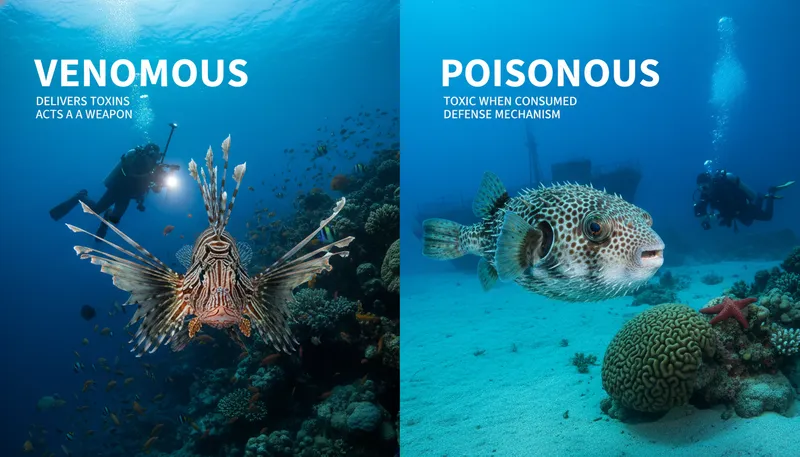
Fangs vs. Toxins: A Diver's Guide to Identifying Venomous vs. Poisonous Marine Life
Diving into the ocean reveals incredible creatures, but some pack a dangerous punch - venomous and poisonous marine life. Venomous animals, like lionfish and box jellyfish, inject toxins through bites or stings, while poisonous ones, such as pufferfish and certain nudibranchs, are harmful when touched or eaten. Knowing the difference helps keep every underwater adventure safe and exciting.

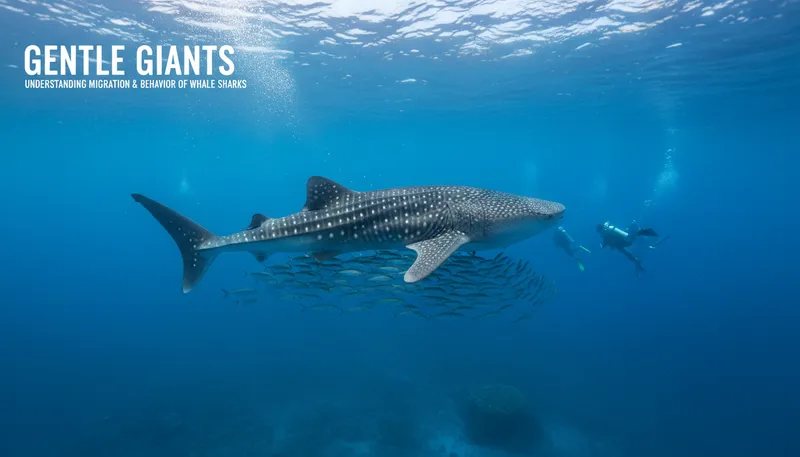
Gentle Giants: Understanding the Migration Patterns and Behavior of Whale Sharks
The whale shark, the largest fish on Earth, fascinates experts and ocean lovers with its immense size and mysterious migration patterns across warm tropical waters. These gentle giants travel thousands of kilometers, following seasonal changes in water temperature and food availability, often gathering in rich feeding grounds during plankton blooms. Understanding their movement is crucial for marine conservation and reveals the complexity of their role in ocean ecosystems.

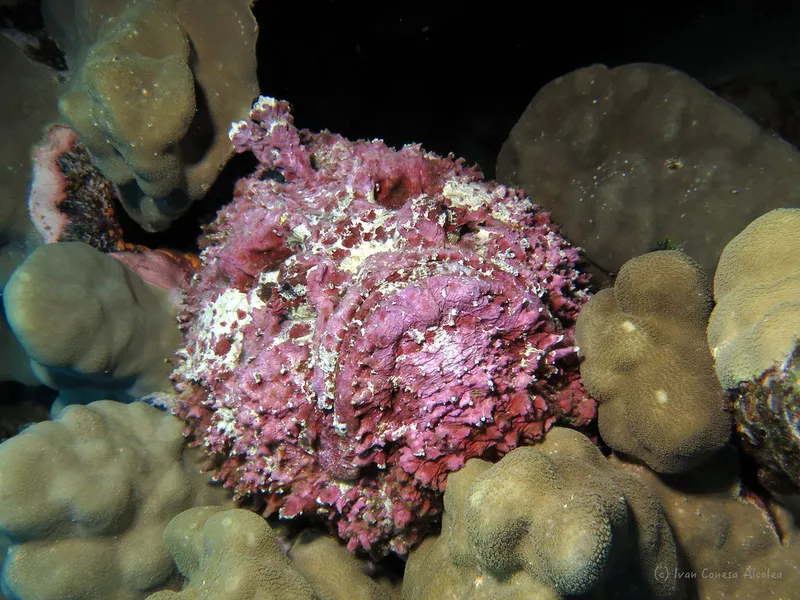
The 13 Spines of Death: Understanding Stonefish Venom and Its Effects
Stonefish venom represents one of nature's most sophisticated chemical weapons, combining multiple toxins that work synergistically to devastate living tissue. Recent research has revealed that stonefish venom contains not only the primary toxin stonustoxin—which forms deadly pores in cell membranes—but also hyaluronidase, cardioleputin, and newly discovered neurotransmitters like GABA that amplify the venom's destructive effects on cardiovascular and nervous systems. Understanding this complex molecular arsenal is essential for ocean enthusiasts, as stonefish envenomation can cause extreme pain, swelling, respiratory distress, and potentially fatal hypotension within minutes of a sting.

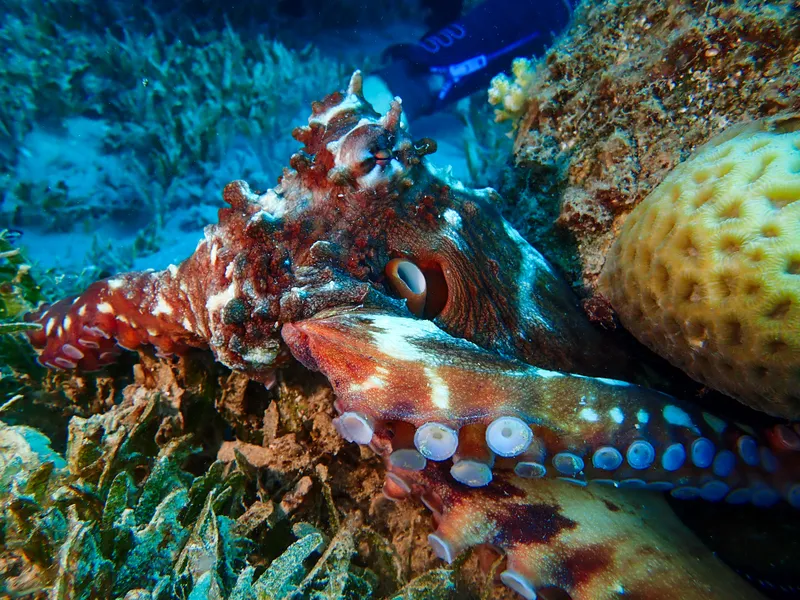
Octopus Mortality After Mating: Evolutionary Adaptations and Life Span
Octopuses have a unique life cycle marked by semelparity, where they reproduce only once before dying. After mating, males die within months, while females fiercely protect their eggs without eating, entering a phase called senescence that leads to their death. This remarkable reproductive strategy, driven by biochemical changes in the optic gland, helps ensure the survival of their offspring by reducing competition and cannibalism from adult octopuses.

The Colorful World of Nudibranchs: A Macro Photographer's Dream
Nudibranchs, often called the “Jewels of the Ocean,” are vibrant, shell-less sea slugs known for their dazzling colors and fascinating shapes. Found in diverse marine environments worldwide, these creatures use their brilliant hues as warnings of toxicity or for camouflage, making them both captivating to observe and vital parts of the ocean’s food web. Their vivid patterns and slow movements make them a favorite subject for underwater photographers and marine enthusiasts alike, revealing endless beauty and mystery beneath the waves.

Great Barracuda: The Apex Predator of the Red Sea
The Great Barracuda (Sphyraena barracuda) is one of the ocean's most formidable apex predators, earning its nickname "Tiger of the Sea" with its sharp, fang-like teeth and powerful jaws. Found throughout tropical and subtropical waters worldwide, from the Atlantic to the Indo-Pacific and Red Sea, these sleek predators are solitary hunters that rely on ambush tactics and explosive speed to capture prey. With their distinctive pointed heads, elongated bodies, and silvery coloration that shifts from greenish-brown in juveniles to gray in adults, Great Barracudas command respect as they patrol coral reefs, mangroves, and seagrass beds in search of their next meal.