Seasonal Guide to Red Sea Marine Life: What You Can See Each Month

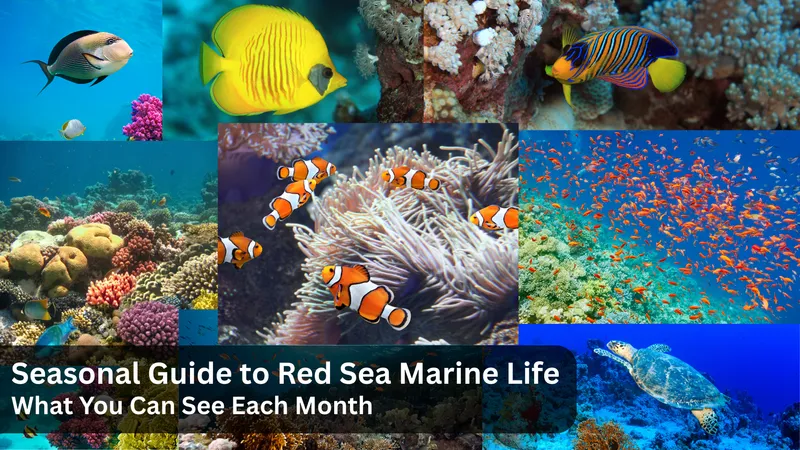
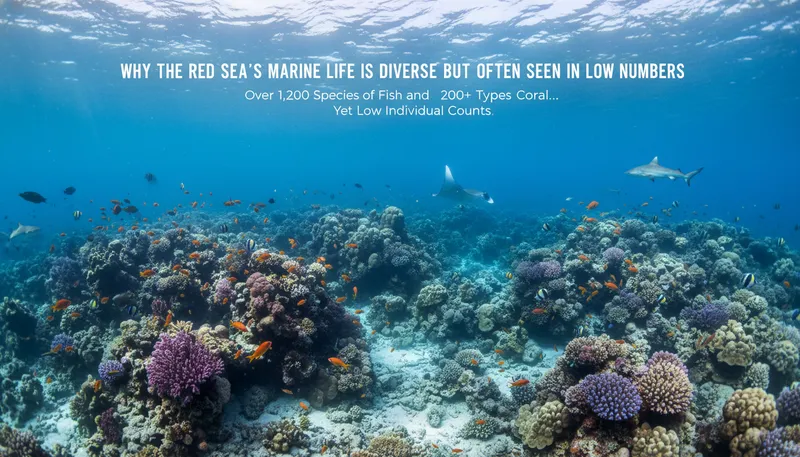
The Red Sea is one of the world’s most biodiverse marine environments, home to over 1,200 species of fish, hundreds of coral species, and a wide array of larger pelagic and reef creatures. Its warm, clear waters and dramatic underwater topography make it a year-round diving and snorkeling paradise. However, the marine life you encounter can vary significantly depending on the season.
This comprehensive seasonal guide breaks down what you can expect to see each month in the Red Sea, from tiny macro critters to majestic sharks and rays, helping you plan the perfect underwater adventure.
Why the Red Sea is Unique
The Red Sea’s semi-enclosed nature, high salinity, and stable temperatures create ideal conditions for coral growth and a rich, often endemic, marine ecosystem. Over 10% of its fish species are found nowhere else on Earth.
Key features:
- Over 200 species of hard and soft corals.
- More than 1,200 species of fish, including parrotfish, angelfish, butterflyfish, and large pelagics.
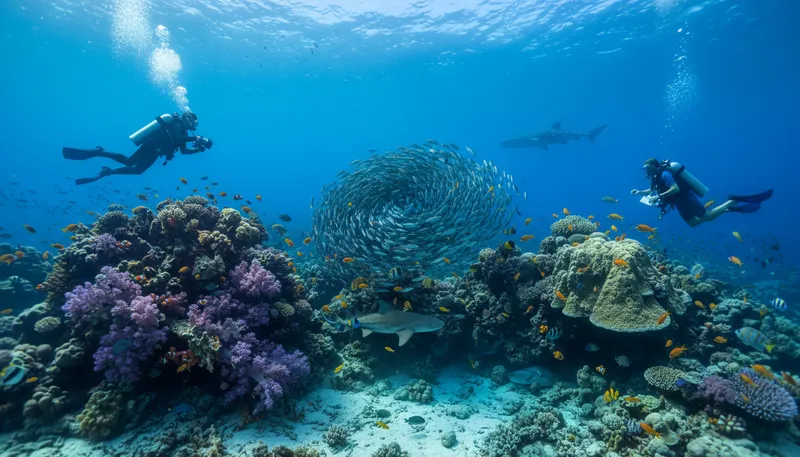
- Regular sightings of sharks, rays, turtles, dolphins, and dugongs.
- Iconic dive sites like the SS Thistlegorm, Elphinstone Reef, the Brothers Islands, and Daedalus Reef.
Understanding the seasonal patterns of marine life helps divers and snorkelers maximize their chances of encountering specific species.
Red Sea Seasons at a Glance
The Red Sea has two main climatic seasons, but marine life patterns are best understood in four broader periods:
- Spring (March - May) - Warming waters, excellent visibility, and increasing activity.
- Summer (June - August) - Peak water temperatures, strong pelagic presence, and active reef life.
- Autumn (September - November) - Warm water, high biodiversity, and fewer crowds.
- Winter (December - February) - Cooler water, excellent visibility, and unique seasonal visitors.
Each season offers distinct opportunities for underwater encounters.
Spring (March - May): The Season of Renewal
As water temperatures rise from around 22°C (72°F) in March to 26°C (79°F) by May, marine life becomes increasingly active. This is often considered one of the best times for balanced diving conditions and diverse sightings.
March
- Water temperature: ~22 - 24°C (72 - 75°F).
- Visibility: Excellent, often 25 - 30+ meters.
- Conditions: Comfortable air temperatures, calm seas.
Marine life highlights:
- Reef sharks (grey reef, white tip, black tip) are commonly seen on walls and pinnacles.
- Increased fish activity as many species begin spawning.
- Barracuda and trevally schools start forming around reefs and wrecks.
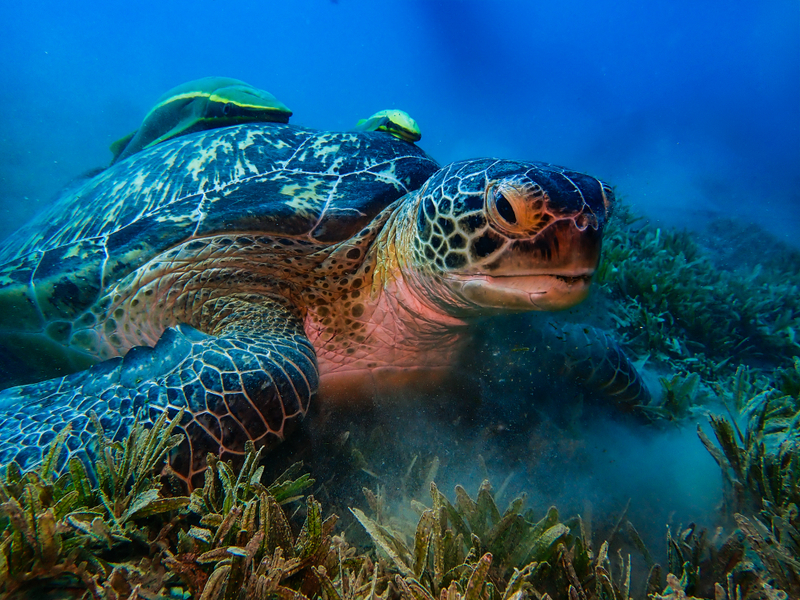
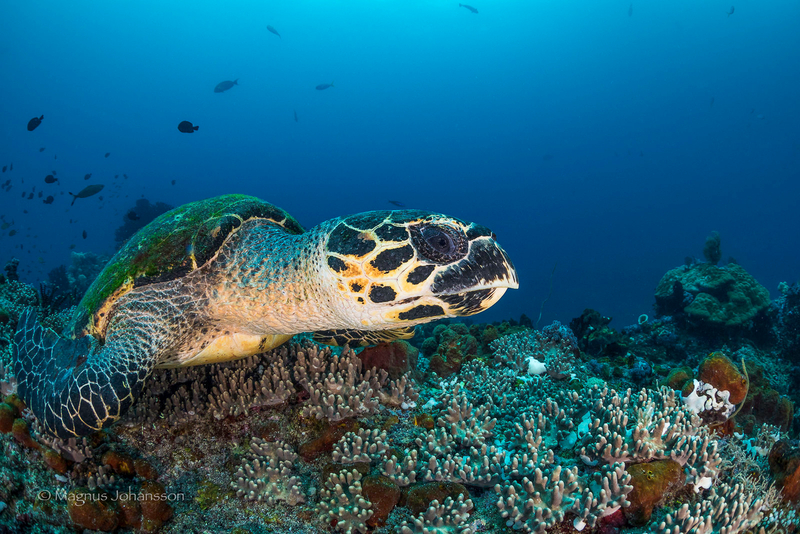
- Sea turtles (hawksbill and green) are frequently spotted on coral gardens.
- Dugongs may be seen in seagrass areas like Abu Dabbab.

April
- Water temperature: ~24 - 26°C (75 - 79°F).
- Visibility: Often at its peak, 30+ meters in many areas.
Marine life highlights:
- Peak season for pelagic action in the southern Red Sea.
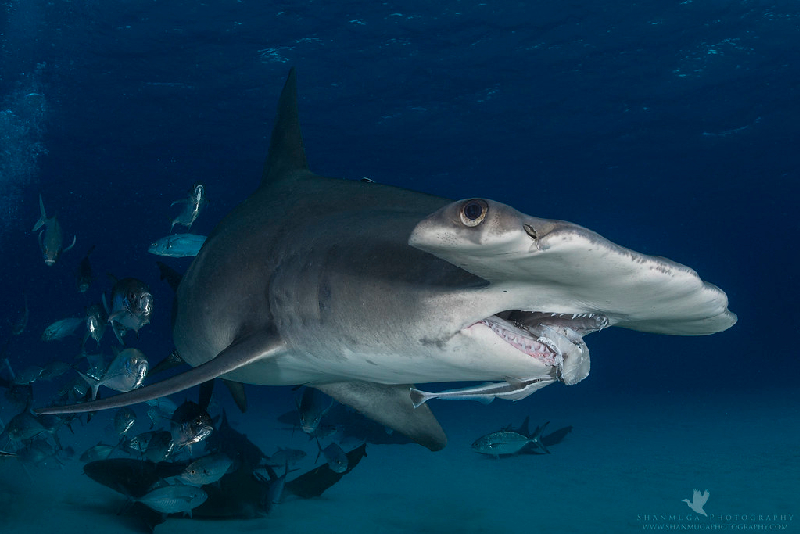
- Hammerhead sharks begin appearing at remote offshore reefs like the Brothers and Daedalus.
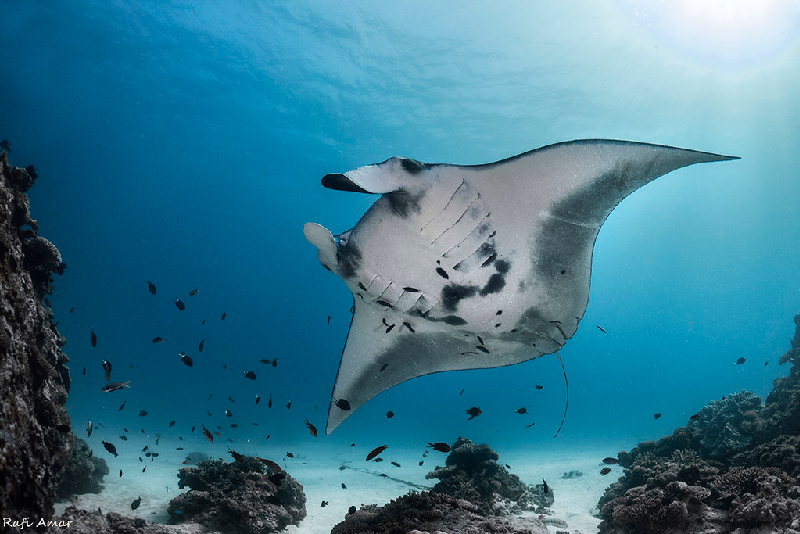
- Manta rays are more frequently seen, especially around cleaning stations.
- Oceanic whitetip sharks may be encountered in open water.
- Reef fish are highly active, with many species in breeding colors.
- Dolphins are commonly seen on liveaboard routes.

May
- Water temperature: ~26°C (79°F).
- Visibility: Still excellent, though occasional plankton blooms may slightly reduce clarity in some areas.
Marine life highlights:
- Continued strong presence of hammerheads and mantas in the south.
- Large schools of barracuda, snapper, and jacks around pinnacles and wrecks.
- Sea turtles remain common on reefs and in lagoons.
- Increased chance of seeing Napoleon wrasse and large groupers.
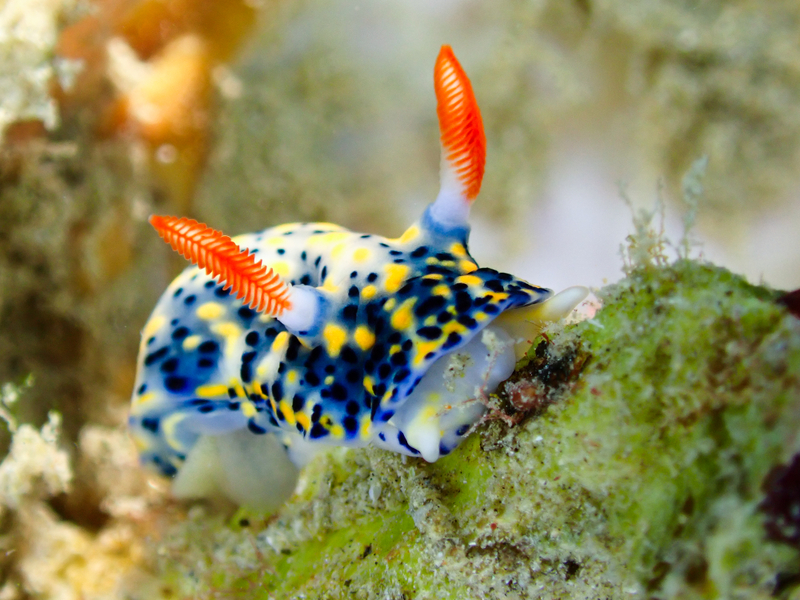
- Macro life is abundant: nudibranchs, flatworms, and small crustaceans are active.

Summer (June - August): Peak Pelagic Season
Summer brings the warmest water temperatures (up to 30°C / 86°F) and is the prime time for big fish and blue-water encounters, especially on liveaboard expeditions to the southern Red Sea.
June
- Water temperature: ~28 - 30°C (82 - 86°F).
- Visibility: Generally very good, often 25 - 30 meters.
- Conditions: Hot on land, but diving conditions are excellent.
Marine life highlights:
- Hammerhead sharks are at their peak around the Brothers, Daedalus, and Elphinstone.
- High probability of encountering oceanic whitetip sharks in open water.
- Manta rays and eagle rays are frequently seen.
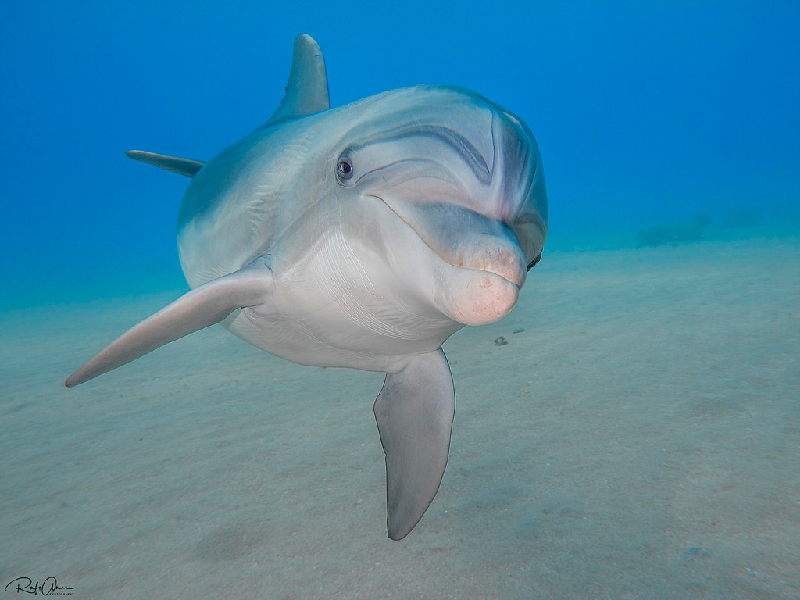
- Dolphin pods are very active, often bow-riding liveaboards.
- Reef sharks (grey reef, white tip) are abundant on walls and pinnacles.
- Large schools of barracuda, trevally, and jacks are common.
July
- Water temperature: ~30°C (86°F) - peak warmth.
- Visibility: Still excellent in most areas.
Marine life highlights:
- Continued strong presence of hammerheads and oceanic whitetips.
- Thresher sharks may be encountered in the deep southern reefs.
- Manta rays and eagle rays remain common.
- Reef fish are highly active; many species are in full breeding mode.
- Night diving reveals nocturnal creatures: nudibranchs, flatworms, octopus, and crustaceans.
- Bioluminescence can be seen on night dives.

August
- Water temperature: ~28 - 30°C (82 - 86°F).
- Visibility: Generally very good, though occasional plankton blooms may occur.
Marine life highlights:
- Hammerheads and oceanic whitetips still frequently seen in the south.
- Mantas and eagle rays continue to visit cleaning stations.
- Reef sharks and large pelagics remain abundant.
- Sea turtles are still commonly seen on reefs and in lagoons.
- Dugongs may be spotted in seagrass beds.
- Night diving is excellent for macro and nocturnal species.
Autumn (September - November): Best of Both Worlds
Autumn is often considered the ideal time to dive the Red Sea. Water remains warm (~26 - 28°C / 79 - 82°F), visibility is pristine, and marine biodiversity is at its peak.
September
- Water temperature: ~28°C (82°F).
- Visibility: Excellent, often 25 - 30+ meters.
- Conditions: Still warm, but less intense than mid-summer.
Marine life highlights:
- Hammerhead sharks are still frequently seen in early autumn, especially at the Brothers and Daedalus.
- Oceanic whitetips and manta rays remain common.
- Large schools of barracuda, snapper, and jacks are abundant.
- Reef sharks and Napoleon wrasse are regularly encountered.
- Sea turtles are still active on reefs and in lagoons.
- Wrecks like the SS Thistlegorm are in perfect condition with excellent visibility.
October
- Water temperature: ~26 - 28°C (79 - 82°F).
- Visibility: Often at its best, 30+ meters in many areas.
Marine life highlights:
- Continued strong presence of hammerheads and mantas in the south.
- Reef sharks and large pelagics remain common.
- Sea turtles are frequently seen on coral gardens and in lagoons.
- Dugongs may be spotted in seagrass areas.
- Macro life is still very active: nudibranchs, flatworms, and small crustaceans.
- Excellent conditions for underwater photography.

November
- Water temperature: ~24 - 26°C (75 - 79°F).
- Visibility: Still excellent, though occasional plankton blooms may occur.
Marine life highlights:
- Hammerheads and mantas are still around, though sightings may start to decrease.
- Reef sharks and large schools of fish remain common.
- Sea turtles are still active, especially in protected bays.
- Dugongs may be seen in seagrass beds.
- Reef fish are still active, with many species in breeding colors.
- Conditions are ideal for both beginners and experienced divers.
Winter (December - February): The Hidden Gem
Winter brings slightly cooler water (around 22°C / 71.6°F) but excellent visibility and fewer crowds. It’s a great time for a serene diving experience with unique seasonal visitors.
December
- Water temperature: ~22 - 24°C (72 - 75°F).
- Visibility: Excellent, often 25 - 30+ meters.
- Conditions: Cooler air temperatures, but still pleasant for diving.
Marine life highlights:
- Reef sharks (grey reef, white tip, black tip) are commonly seen.
- Manta rays and dolphins are more frequently encountered in winter.
- Sea turtles remain active on reefs and in lagoons.
- Barracuda and trevally schools are still present.
- Macro life is less active than in warmer months, but still present.
- Wrecks and reefs are in excellent condition with great visibility.
January
- Water temperature: ~22°C (71.6°F).
- Visibility: Often at its peak, 30+ meters in many areas.
Marine life highlights:
- Continued strong presence of reef sharks and large pelagics.
- Manta rays and dolphins are frequently seen.
- Sea turtles are still commonly spotted.
- Barracuda and trevally schools remain around pinnacles and wrecks.
- Excellent conditions for wide-angle and macro photography.
- Fewer crowds make for a more relaxed diving experience.
February
- Water temperature: ~22 - 24°C (72 - 75°F).
- Visibility: Still excellent, though occasional plankton blooms may occur.
Marine life highlights:
- Reef sharks and large pelagics remain common.
- Manta rays and dolphins are still frequently encountered.
- Sea turtles are active on reefs and in lagoons.
- Barracuda and trevally schools are still present.
- Macro life begins to increase as water starts to warm.
- Ideal time for those seeking a peaceful, high-visibility diving experience.

Regional Variations in Marine Life
While this guide covers general patterns, note that marine life can vary by region:
- Northern Red Sea (Sharm el Sheikh, Hurghada): More reef-focused, with frequent sightings of reef sharks, turtles, and dugongs. Wrecks like the SS Thistlegorm are highlights.
- Central Red Sea (Elphinstone, Zabargad, Rocky): Strong currents attract large pelagics, including hammerheads and oceanic whitetips.
- Southern Red Sea (Brothers, Daedalus, St. John’s): Remote offshore reefs are the best places to see hammerheads, oceanic whitetips, mantas, and thresher sharks.
Liveaboard trips to the south are essential for the best pelagic encounters.
Planning Your Trip: When to Go for What
Use this quick reference to match your interests with the best season:
- For hammerhead sharks: June - October (peak in summer, still good in early autumn).
- For manta rays: June - November, with good chances in winter.
- For oceanic whitetip sharks: June - October, especially in the southern Red Sea.
- For reef sharks and turtles: Year-round, but especially good in spring and autumn.
- For dugongs: Best chance in seagrass areas like Abu Dabbab, year-round but more likely in warmer months.
- For dolphins: Year-round, but very active in summer and winter.
- For macro life and night diving: Spring and summer offer the most active nocturnal creatures.
- For best overall conditions (warm water, good visibility, fewer crowds): September - November.
Final Thoughts
The Red Sea offers incredible marine life year-round, but each season brings its own special highlights. Whether you’re chasing hammerheads in the deep south, swimming with mantas and dolphins, or exploring vibrant coral reefs with turtles and dugongs, there’s always something amazing to see.
By understanding the seasonal patterns of Red Sea marine life, you can plan your trip to maximize your chances of encountering the creatures you dream of. No matter when you visit, the Red Sea’s underwater world promises unforgettable memories.
References
PADI Divemaster and underwater storyteller with over 7 years of hands-on Red Sea diving experience, documenting marine life, mapping dive sites, and promoting responsible ocean conservation.