Exploring the Unique Marine Biodiversity of the Red Sea: A Diver's and Naturalist's Guide

A Underwater Paradise Like No Other
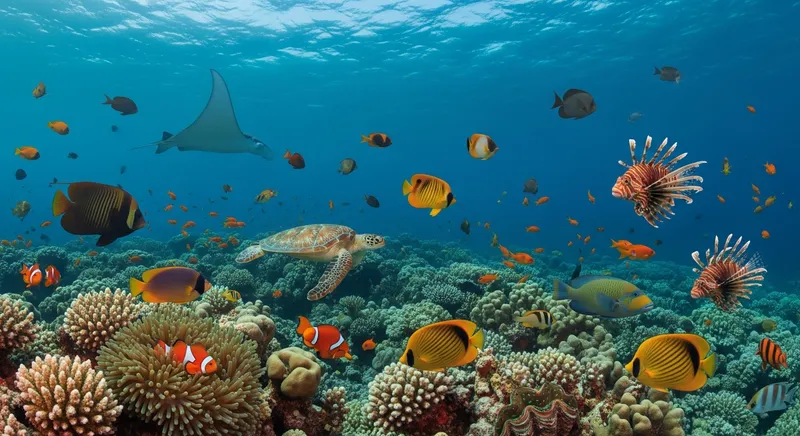
The Red Sea stands as one of the world's most remarkable marine ecosystems, bordered by Egypt, Sudan, Eritrea, and Saudi Arabia. This mesmerizing body of water is renowned for its extraordinary biodiversity and captivating underwater landscapes that continue to draw explorers, scientists, and adventure seekers from around the globe.[2] With an estimated 1,200 species of fish and over 200 types of coral thriving within its depths, the Red Sea represents a living testament to nature's creative brilliance.[2][4] For scuba divers, marine biologists, and underwater photographers, the Red Sea offers an unparalleled opportunity to witness some of Earth's most vibrant and diverse marine life in their natural habitat.
The Coral Kingdoms: Foundation of Life
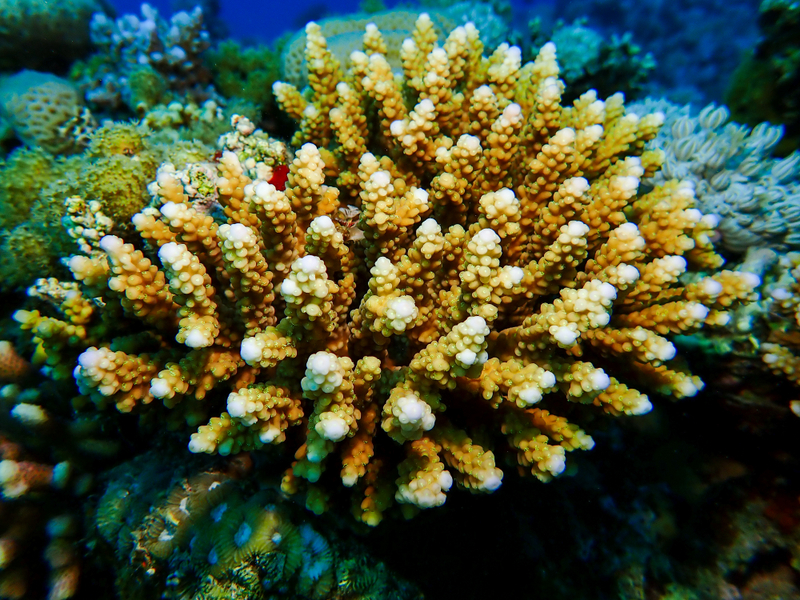
At the heart of the Red Sea's biodiversity lies its spectacular coral ecosystems. More than 200 different species of coral create intricate formations that serve as the foundation for the entire marine community.[4] These corals are not merely decorative; they represent living structures that provide shelter, breeding grounds, and feeding areas for thousands of other organisms. The clear waters of the Red Sea allow sunlight to penetrate much deeper than other tropical destinations, creating optimal conditions for coral growth and photosynthesis.[4] This exceptional clarity is one of the primary reasons why the Red Sea has earned its reputation as a premier diving destination, offering divers and photographers visibility that rivals few other locations worldwide.
Fish Species: A Rainbow of Life
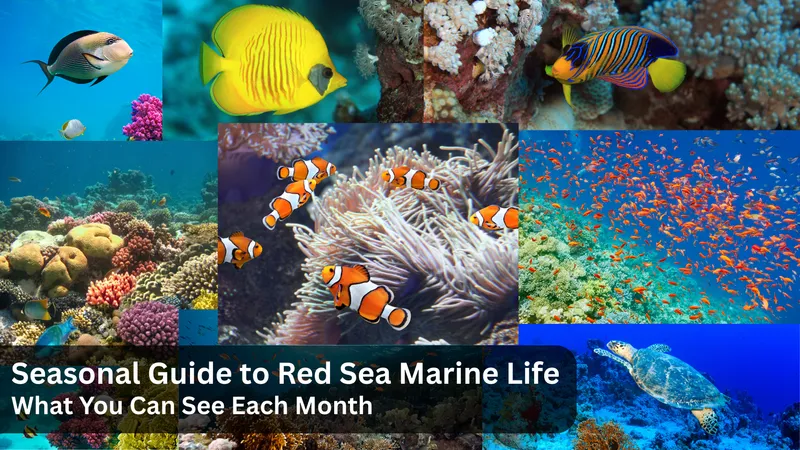
The fish populations of the Red Sea showcase an astonishing diversity that will captivate any marine enthusiast. With more than 1,200 species of bony fish inhabiting these waters, at least 10 percent of which are endemic to the region, the Red Sea offers encounters with creatures found nowhere else on Earth.[4] From the iconic clownfish darting among anemones to the vibrant parrotfish grazing on algae, every dive reveals new colors and behaviors to discover.

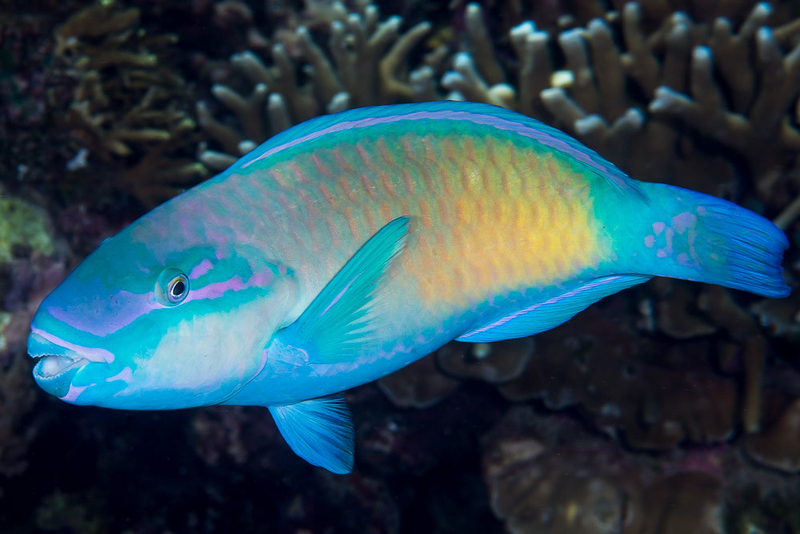
The bullethead parrotfish exemplifies the visual splendor divers can expect, displaying vibrant greens, blues, and pinks throughout the water column.[5] These fascinating creatures are named for their beak-like teeth, which they use to break apart coral in search of food, though they pose no threat to divers.[5] At night, parrotfish employ a remarkable survival strategy by cocooning themselves inside a protective mucus cocoon, a behavior thought to help them evade nocturnal predators.[5]
Perhaps one of the most beloved encounters for Red Sea divers is the Napoleon wrasse, sometimes called the humphead wrasse. These gentle giants can grow to over 1.5 meters in length and are instantly recognizable by the distinctive hump on their heads that resembles Napoleon's hat.[4][5] The larger the hump, the older the individual fish, and some Napoleon wrasse have been known to live for over 30 years.[5] What makes these creatures particularly special is their curious nature - they often approach divers for closer inspection, sometimes following alongside snorkelers and divers for several minutes at a time, making them a favorite subject for underwater photographers.[4][5]

Sharks and Rays: Apex Predators and Graceful Gliders
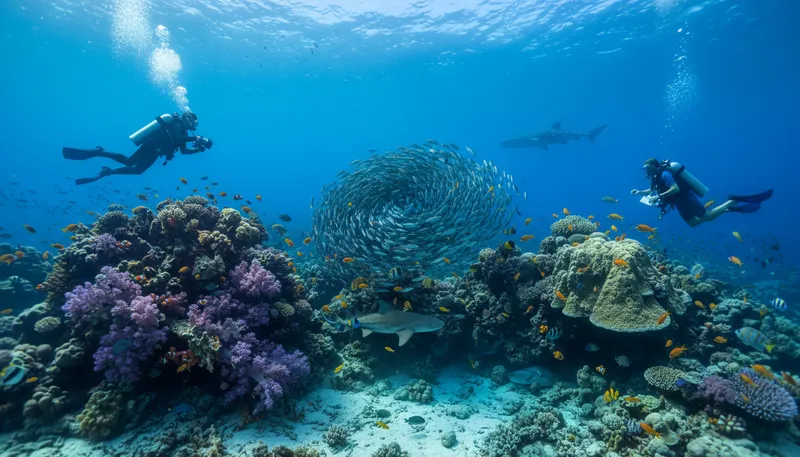
The Red Sea is home to 44 species of shark, though most remain rarely seen by recreational scuba divers.[4] However, certain species have become iconic sightings for those exploring deeper reefs. Whitetip reef sharks represent some of the more commonly encountered shark species in the region, adding an element of thrilling excitement to any dive.

Beyond sharks, the Red Sea's ray populations offer spectacular photo opportunities. The bluespotted ray is easily identified by its bright blue spots and distinctive big yellow eyes, making it an irresistible subject for photographers.[5] Though equipped with venomous spines on their tails, these creatures are extremely timid and typically swim away if they sense a threat, posing minimal danger to respectful divers.[5] They are commonly found in sandy bays and lagoons throughout the region.

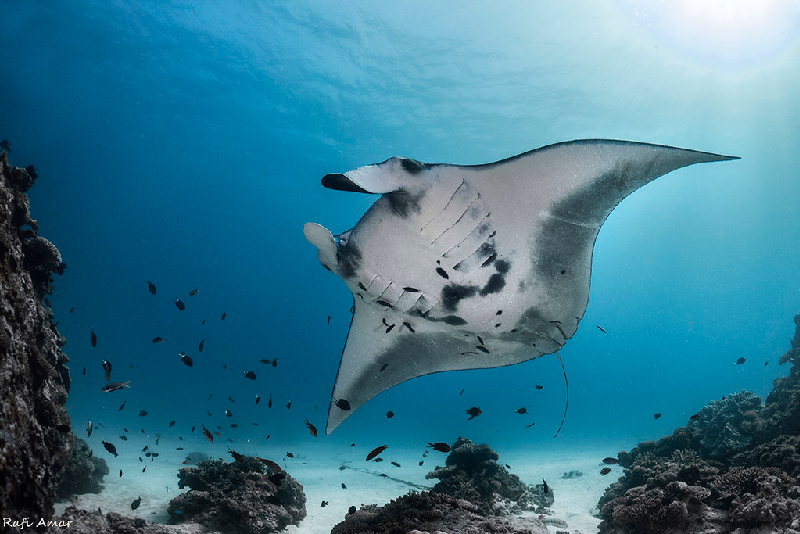
The manta rays of the Red Sea deserve special mention for their grace and majesty. Both the smaller reef manta and the larger oceanic manta rays inhabit these waters.[4] The reef manta is more likely to be encountered along the shallower reefs of the mainland coast from Hurghada to Marsa Alam, while the oceanic manta is more frequently spotted at deeper reef sites such as Shark and Yolanda in Sharm, the Brothers Islands, and particularly around St. John's, Zabargad, and the Rocky Islands.[4] These encounters with gentle giants represent the pinnacle of Red Sea diving experiences.
Notable Species and Unique Encounters
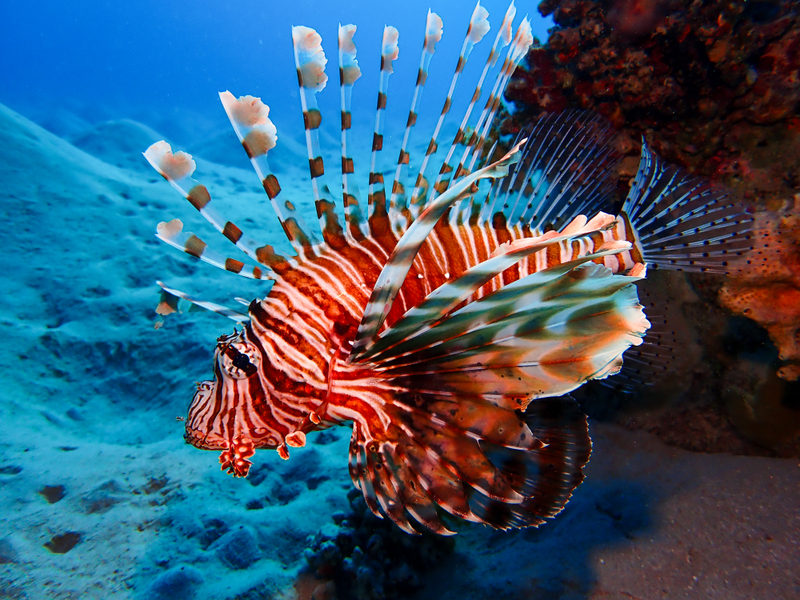
Beyond the major groups, the Red Sea harbors numerous specialized and captivating species. The common lionfish displays stunning beauty with its ornate fins and venomous spines, creating dramatic photographic opportunities for those brave enough to approach carefully.[5]
The crocodilefish represents another fascinating creature adapted to Red Sea life, showcasing the incredible diversity of evolutionary adaptations found in these waters.[5]

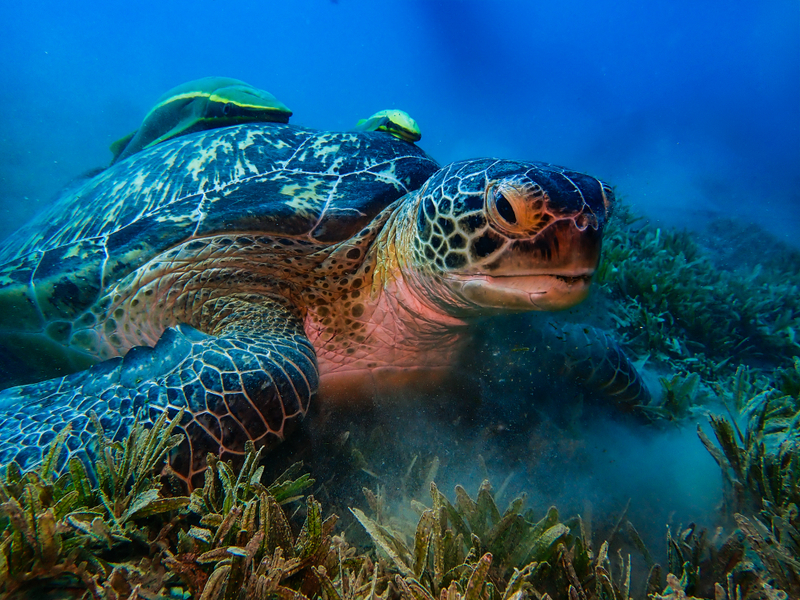
The Red Sea also serves as a critical migration route for numerous marine animals, including sea turtles that find refuge in its warm, nutrient-rich waters.[2] These graceful reptiles glide through the water columns, adding another dimension to the diversity that awaits divers exploring the depths.
Why the Red Sea Stands Out for Divers and Scientists
Diving in the Red Sea offers unparalleled opportunities for several compelling reasons. The crystal-clear waters provide exceptional visibility that allows both recreational divers and professional photographers to capture stunning images and observe behavior with remarkable clarity.[2] The comfortable year-round temperatures make the Red Sea accessible to both seasoned divers and beginners, with numerous dive sites offering unique experiences including wreck dives, coral gardens, and encounters with pelagic species.[2]
For marine biologists and researchers, the Red Sea's endemic species and relatively healthy coral ecosystems provide invaluable opportunities to study reef dynamics, fish behavior, and coral adaptation strategies. The region's biodiversity makes it a living laboratory for understanding tropical marine ecosystems and the complex relationships between species.
Conclusion: A Destination Like No Other
The Red Sea represents far more than just a vacation destination - it is a window into the incredible complexity and beauty of marine life. With its 1,200+ fish species, 200+ coral types, and numerous other organisms, it offers something unique for every enthusiast.[2][4] Whether you're a scuba diver seeking thrilling encounters, a marine biologist conducting research, a photographer hunting for the perfect shot, or simply a curious nature enthusiast, the Red Sea promises an experience that will transform your understanding of our ocean's precious ecosystems. The question is no longer whether the Red Sea deserves its reputation as one of the world's premier diving destinations - the evidence is overwhelming, written in every vibrant coral formation and dancing school of tropical fish.
References
PADI Divemaster and underwater storyteller with over 7 years of hands-on Red Sea diving experience, documenting marine life, mapping dive sites, and promoting responsible ocean conservation.