
149 species in Nudibranch
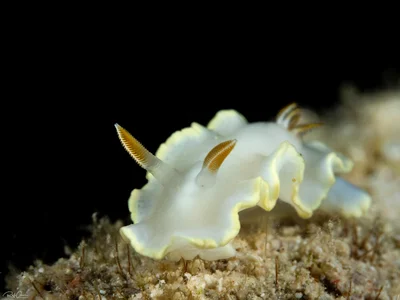
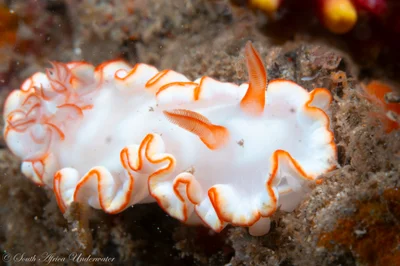
Ardeadoris
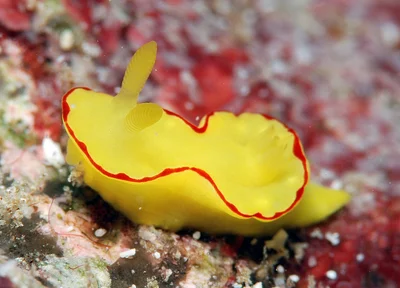
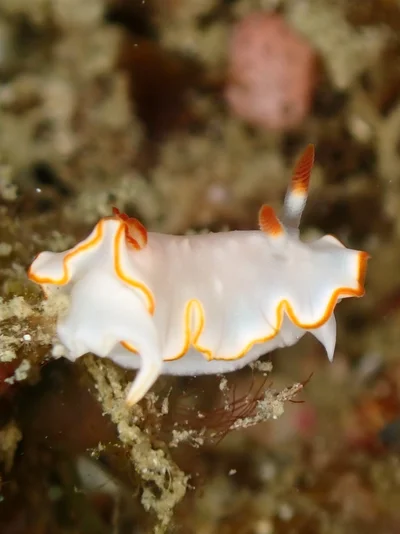
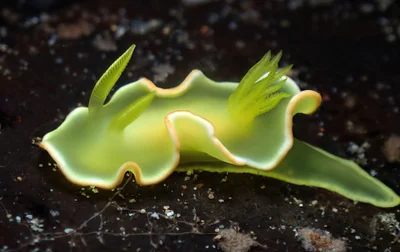
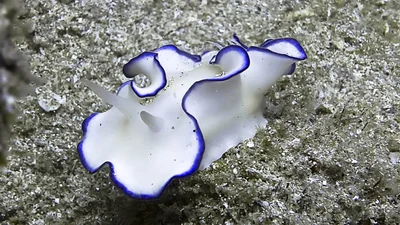
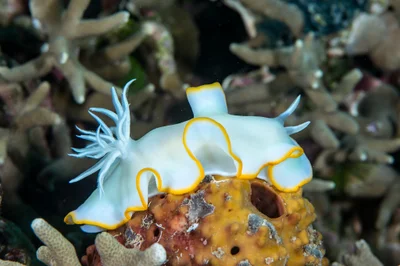
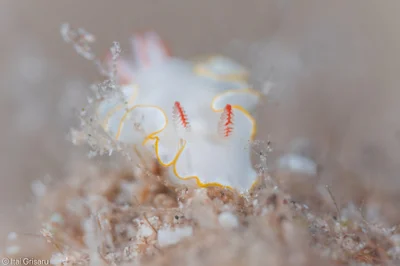
2White-bodied slugs whose entire pattern is the colored band around the edge. The genus is separated from Glossodoris on internal anatomy rather than on anything you can see, so underwater the margin color is what you actually work with.
Carminodoris
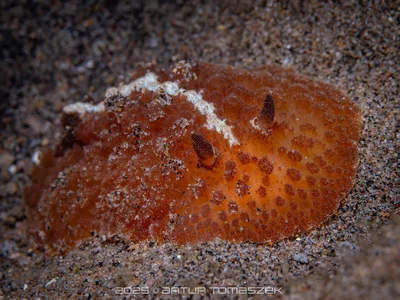
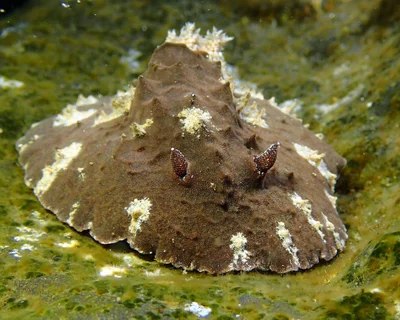
2Covered in large rounded tubercles, dull-colored, with no clean margin anywhere. The strategy is to read as a patch of encrusting growth rather than to advertise, and they spend daylight underneath rocks and coral blocks in the shallows.
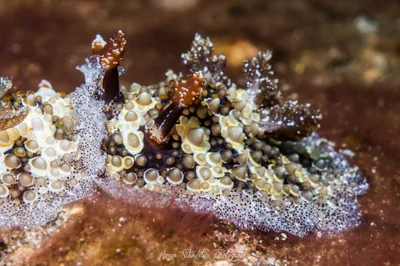
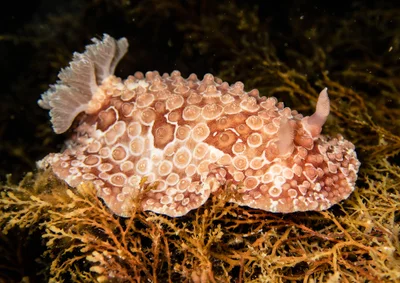
Ceratosoma
2Carry a horn rising from the back behind the gills and leaning over them. It holds the animal's highest concentration of stolen sponge toxin, so the part that sticks up highest and is easiest to grab is also the worst possible mouthful. A decoy that works by being genuinely awful.
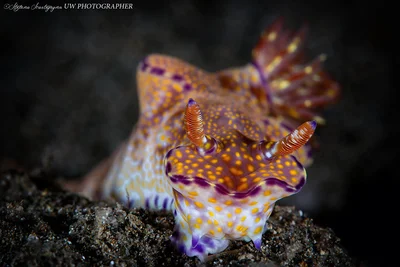
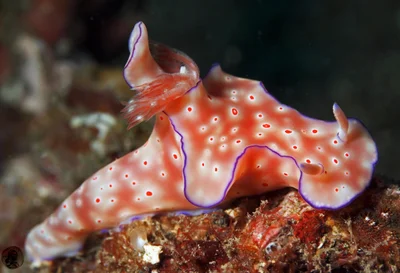
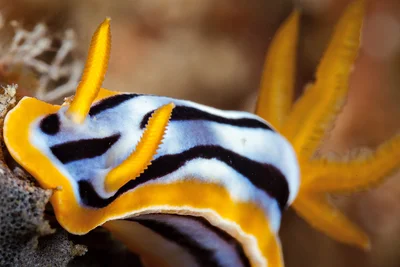
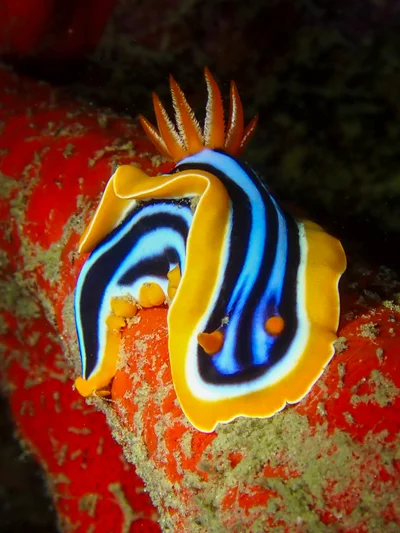
Chromodoris
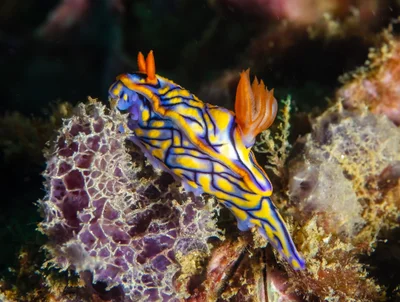
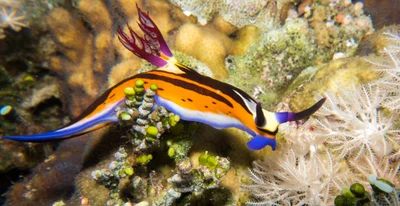
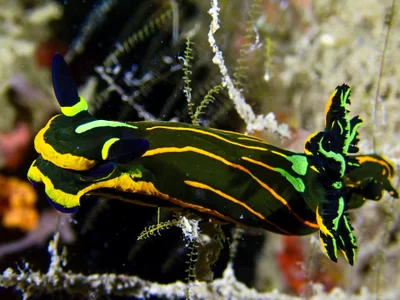
4The striped ones. Several unrelated species across the Indo-Pacific have converged on the same black-lined, orange-rimmed uniform, because all of them are foul to eat and a predator that learns the pattern once avoids every animal wearing it.
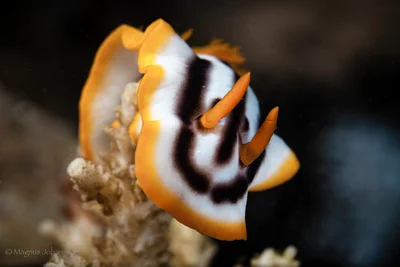
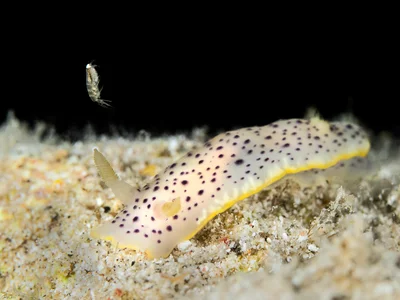
Dendrodoris
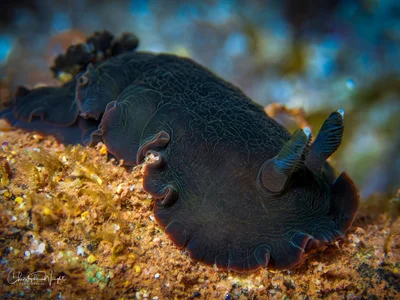
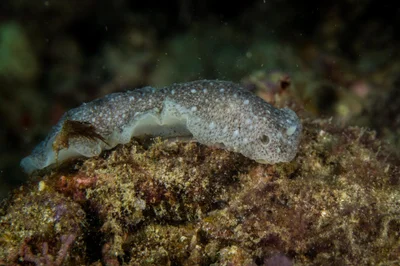
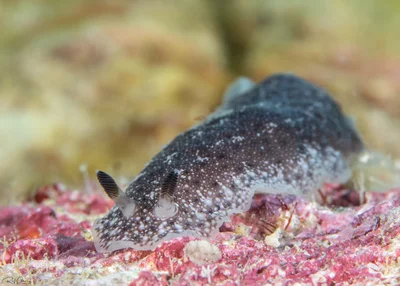
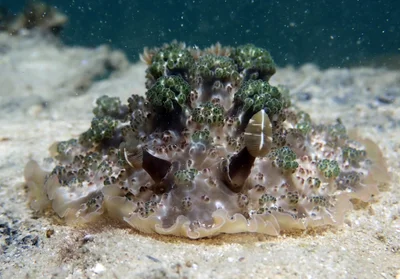
8These have no rasping teeth at all. The radula that every other mollusc feeds with is gone, and the animal presses its mouth to a sponge, floods it with digestive fluid and sucks the tissue back already broken down.
Dermatobranchus
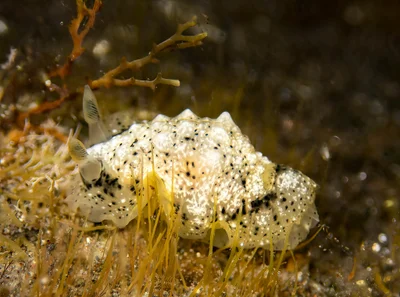
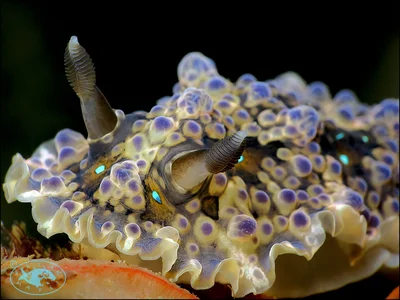
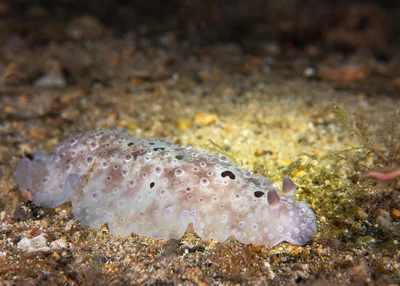
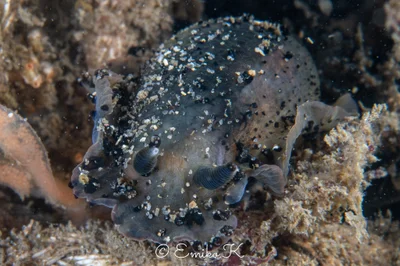
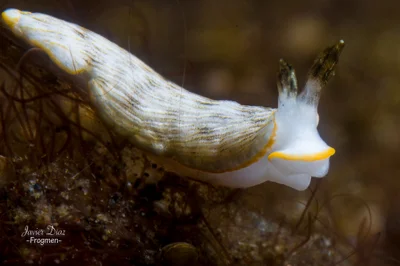
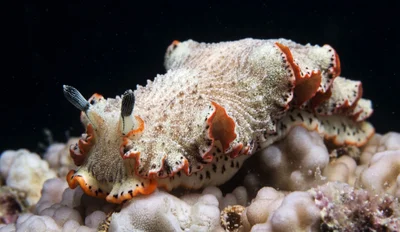
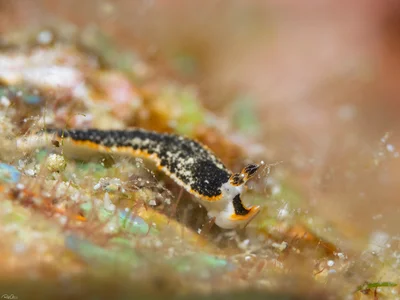
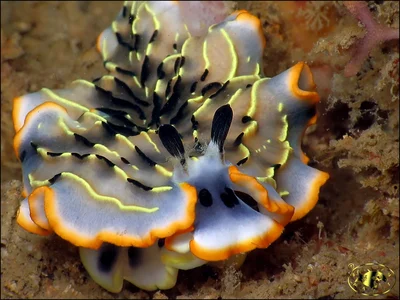
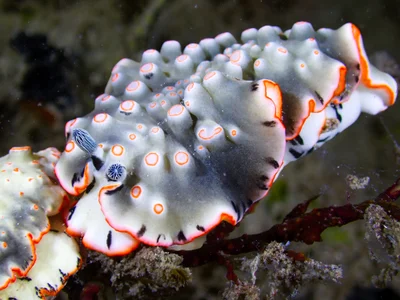
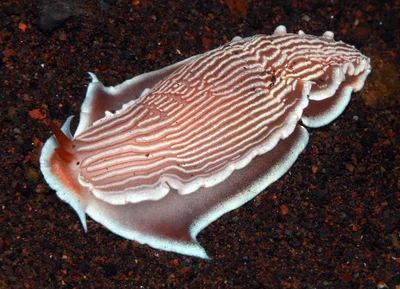
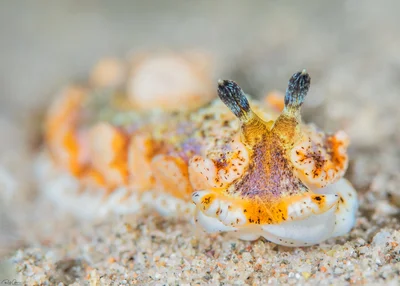
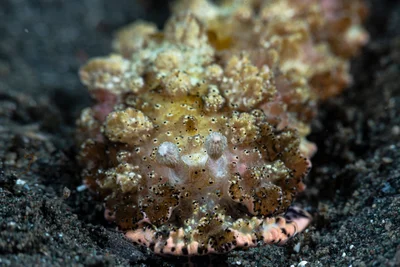
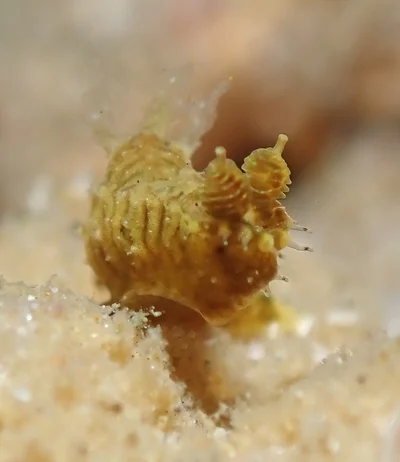
8Look like dorids and are built differently: no gill plume at all, the breathing surfaces folded away underneath in the groove between the mantle skirt and the foot, so nothing projects from the back. Most of them carry fine parallel ridges along it instead, which is where the English name pinstripe comes from, though a few are ringed or lumpy rather than ribbed. They plough sand with a broad sensory veil held out in front, hunting soft corals and sea pens, and spend the day buried.
Diversidoris
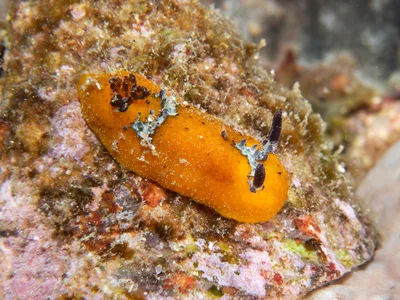
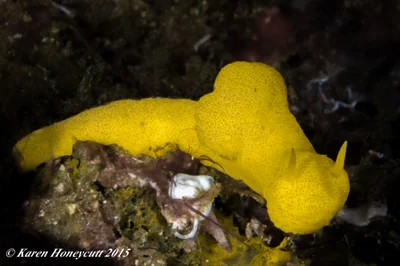
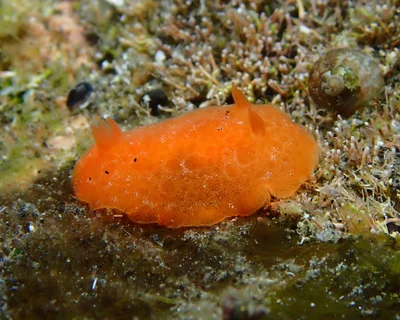
3Small yellow slugs whose foot extends past the back of the mantle skirt into a visible tail. Seen from above the outline is an oval with a point behind it, which is the quickest way to place one.
Eubranchus
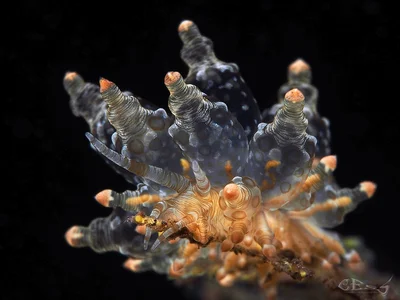
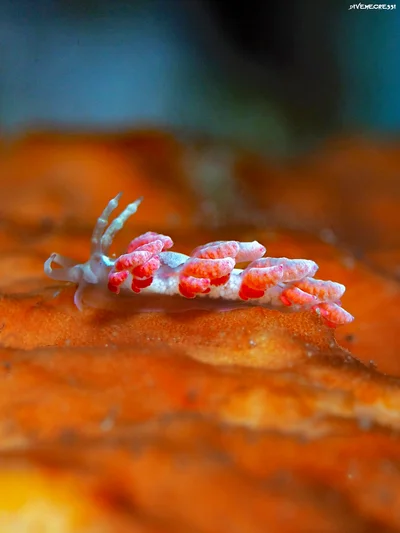
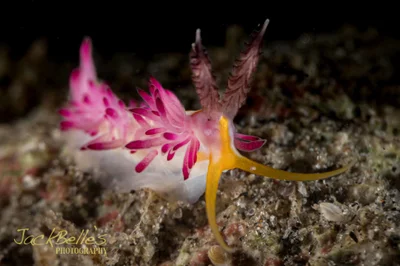
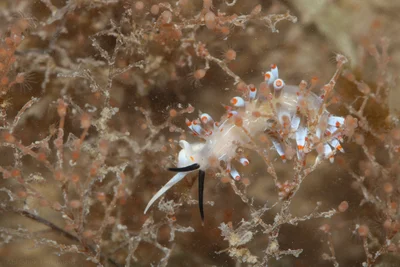
2Tiny aeolids for which a single hydroid colony is not a feeding station but the entire world: food, shelter, the place they meet each other and the place the eggs go. The cerata are swollen toward the tip and hold stinging cells taken from the colony, so the shelter is also the armory.
Favorinus
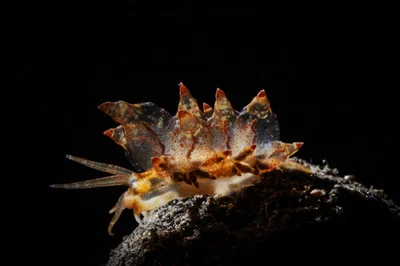
3Rhinophores strung with two or three swellings along their length, like beads on a cord, which nothing else here has. They eat the abandoned egg ribbons of other sea slugs - food that never runs and never fights, and that carries no stinging cells, so unlike other aeolids they come away from a meal unarmed.
Glossodoris
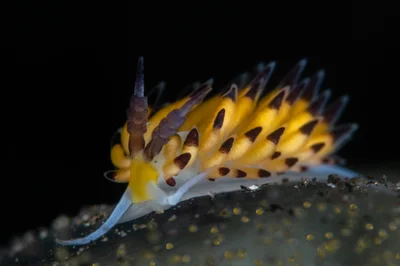
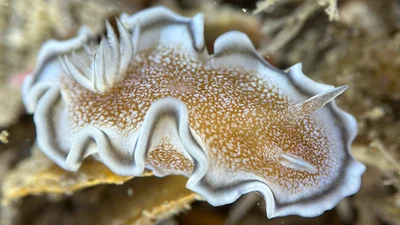
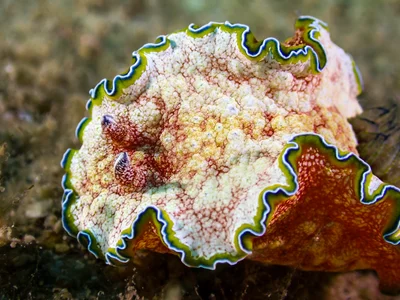
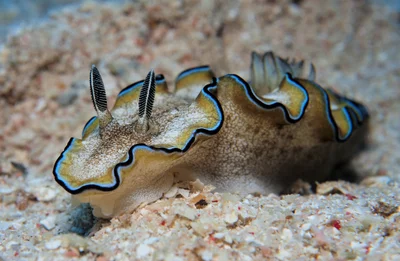
4Recognizable by the frilled skirt of mantle held well out beyond the foot and rippled as the animal moves. The defensive glands are packed along that rim, so the part that looks decorative is the part a fish bites first.
Goniobranchus
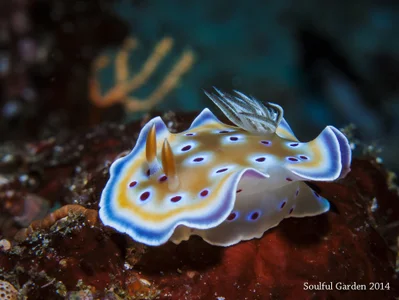
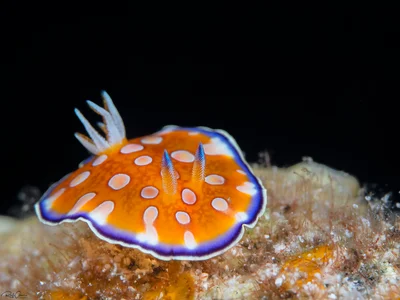
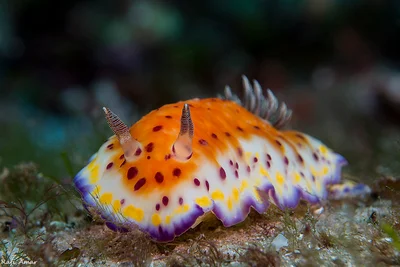
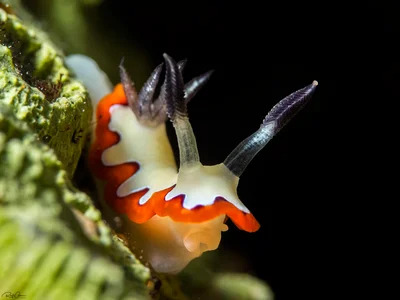
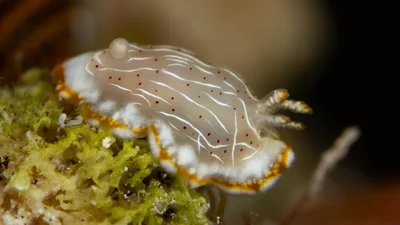
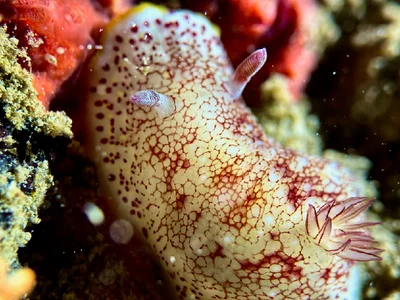
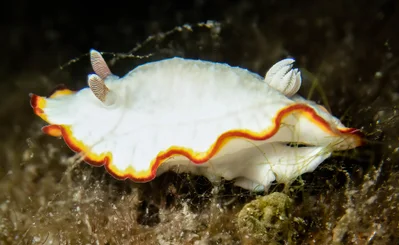
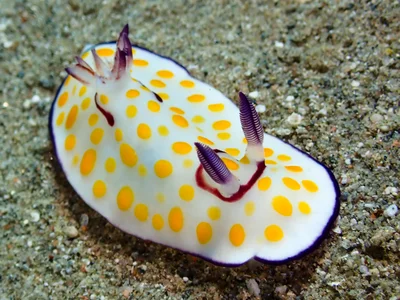
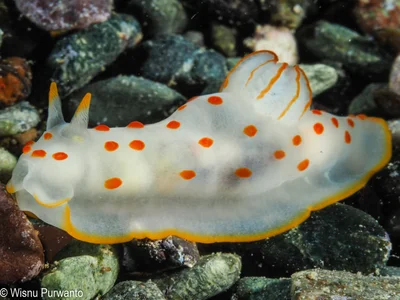
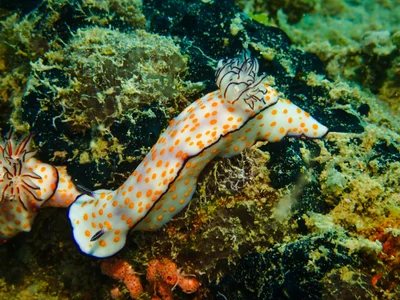
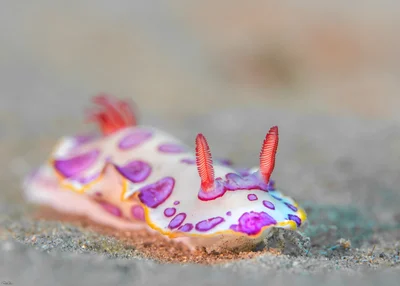
9The largest genus of chromodorid here, and the one where identification is genuinely hard. It comes down to whether the pale marks are solid spots or rings with the body color showing through, and to the order of the bands stacked around the margin.

Gymnodoris
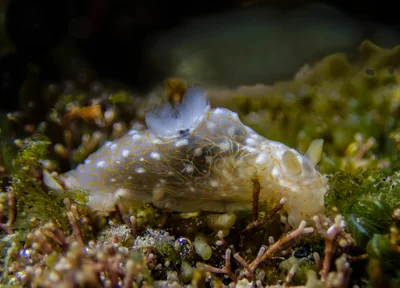
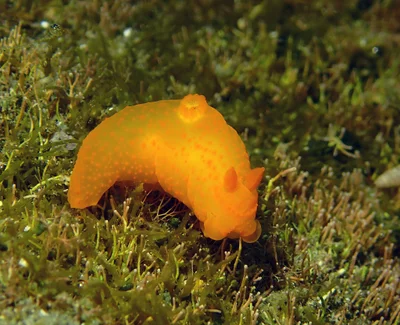
4Predatory dorids that hunt other sea slugs. They gave up the mantle skirt every grazing dorid wears, so the sides of the foot show along the body and the outline is a smooth torpedo: an animal that has to catch its food cannot afford the frill.
Hypselodoris
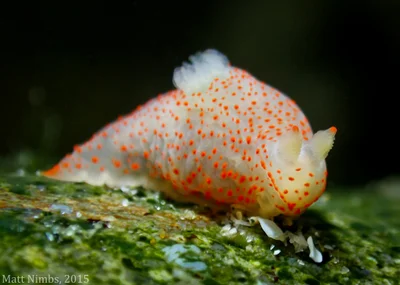
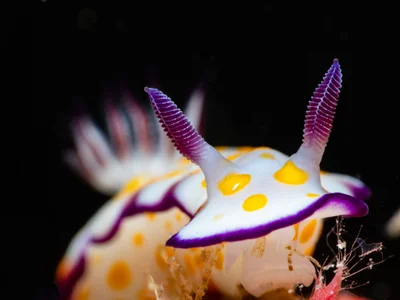
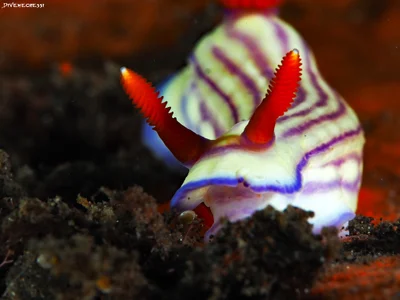
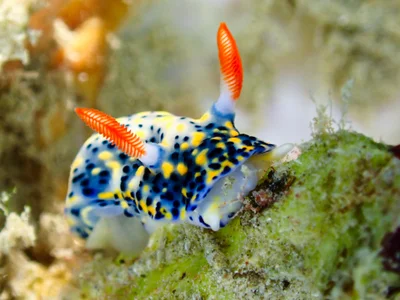
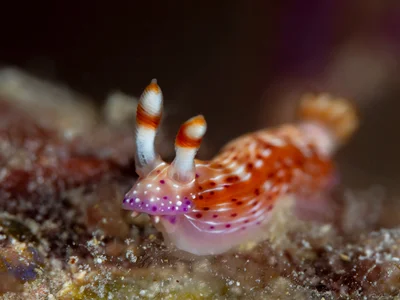
7Identify these by the rhinophores rather than by the pattern. The number and color of the bands on them holds steady while the mantle spots vary from reef to reef, and the spots are what everyone photographs.
Jorunna
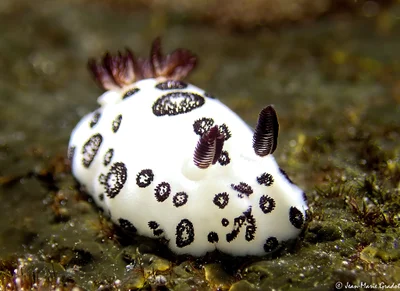
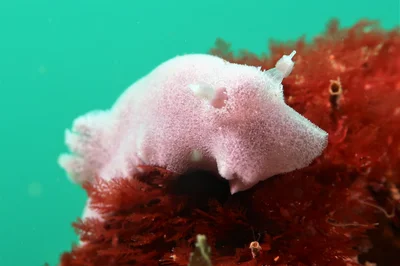
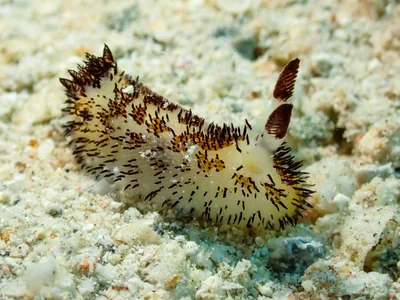
3The velvet dorids. The whole back is covered in minute papillae, each propped upright by a bundle of mineral spicules and tipped with sensory cells, which is what reads as fur. One of them is the animal the internet calls a sea bunny.
Marionia
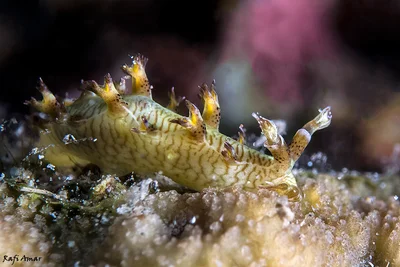
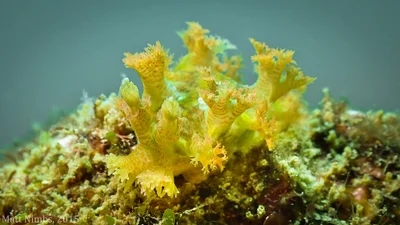
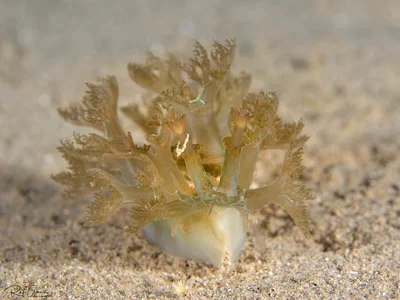
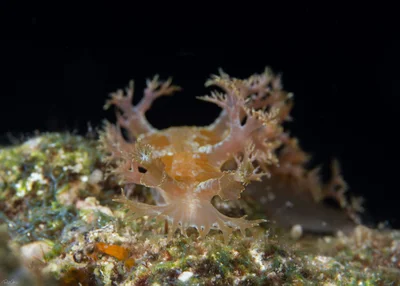
5Not built like a dorid at all. The gills are a row of branched tufts down each side instead of a plume on the back, and the head carries a finely divided veil covered in chemical sensors, used to feel out soft corals in the dark. They feed at night and hide in crevices by day.
Mexichromis
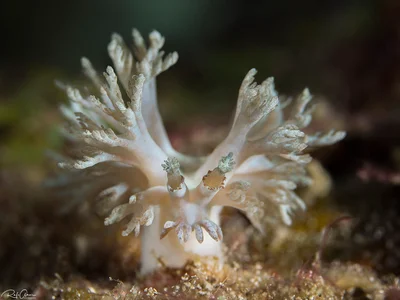
3Small chromodorids carrying raised tubercles down the back, usually tipped in purple, with the margin banded in two colors. Most are under three centimeters and easy to walk past.

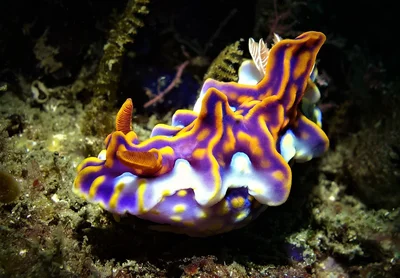
Miamira
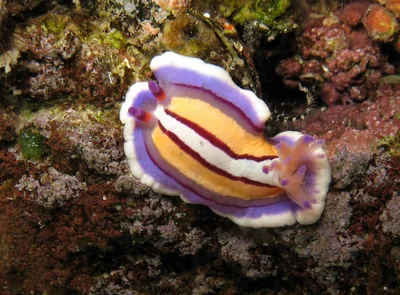
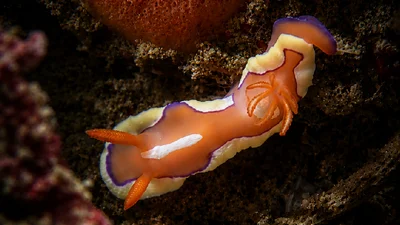
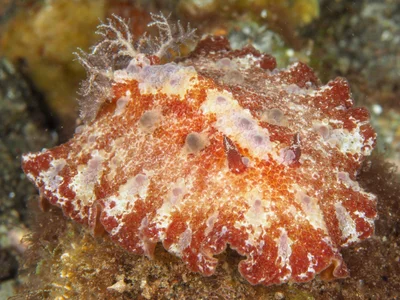
2Chromodorids that went three-dimensional. Where the rest of the family works with a flat oval and a colored line around the rim, these carry raised ridges, swellings and a mantle edge broken into lobes or a zigzag, and they hide as reef growth instead of advertising.
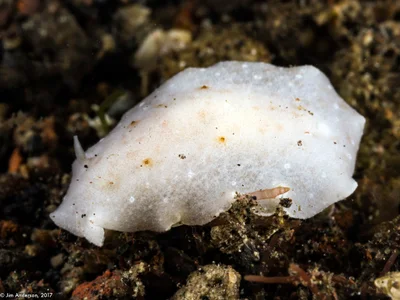
Paradoris
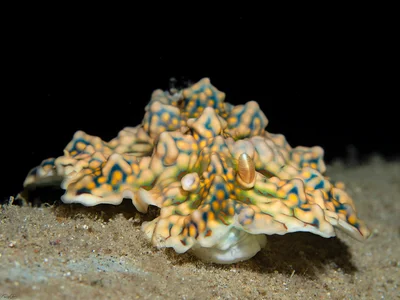
2Granular cream dorids of the kind that gets overlooked, with one exception: the genus also contains the slug that spends its life imitating a toxic wart slug, gills folded out of sight because the family it copies has none.
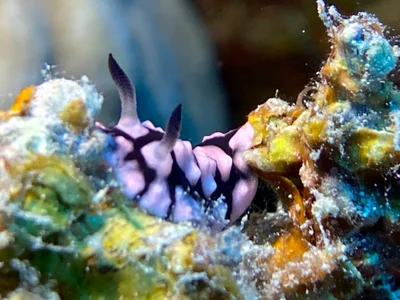
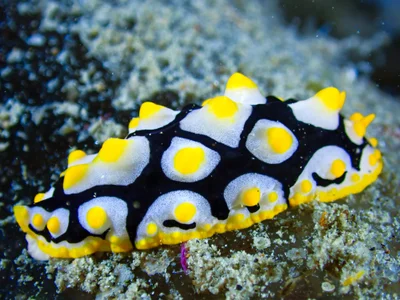
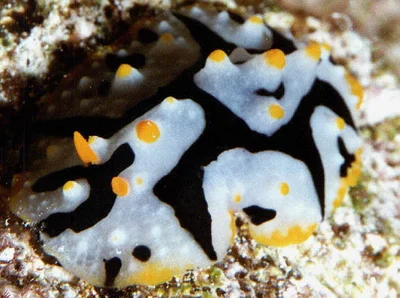
Phyllidia
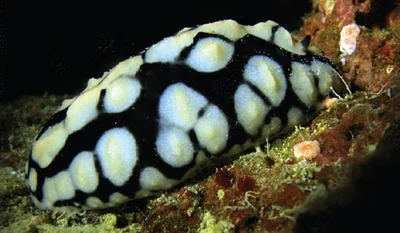
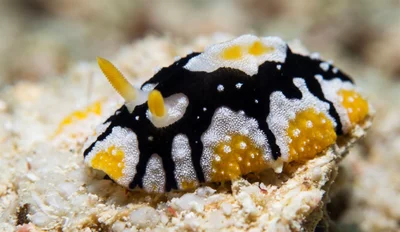
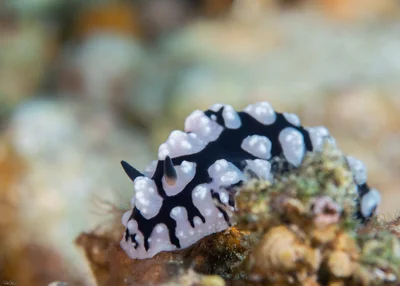
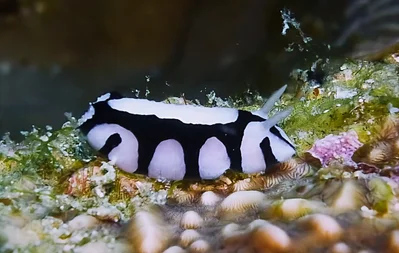
5Wart slugs: firm, ridged, rubbery, and carrying no gill plume on the back at all. They lost it and breathe through small gills hidden under the mantle rim. Their toxins run through the whole body and will kill everything in a closed container.
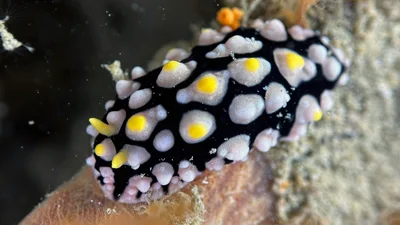
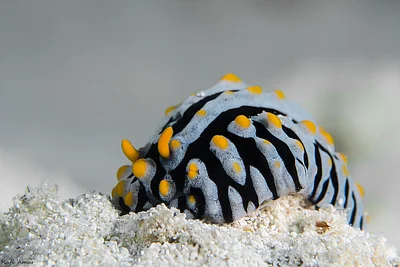
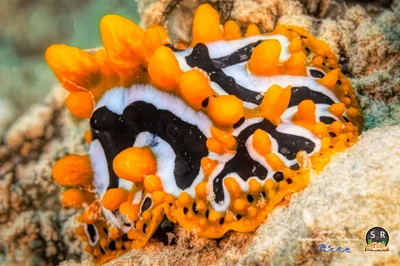
Phyllidiella
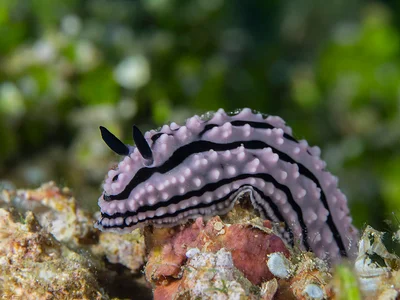
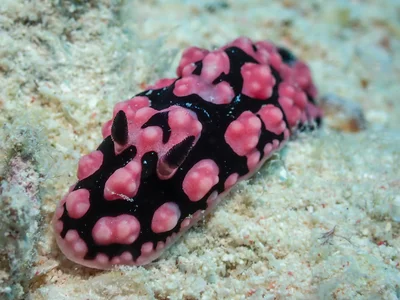
3The wart slugs whose tubercles are fused into continuous ridges running the length of the back, with the black pigment lying in the grooves between the ridges rather than over them. That is what separates them from Phyllidia at a glance.
Phyllidiopsis
4Wart slugs separated from Phyllidia on internal anatomy rather than on anything visible underwater, so in practice you work with the arrangement of the tubercles and the color of the rhinophores. Same build otherwise: no gill plume, firm rubbery body, toxins throughout.
Phyllodesmium
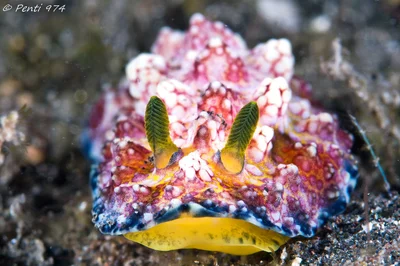
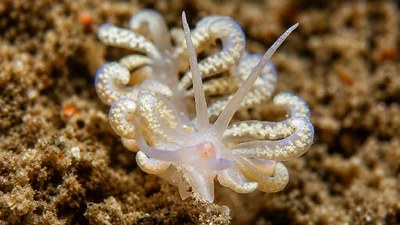
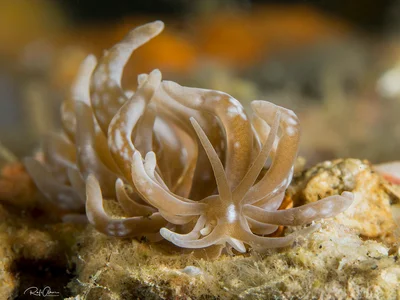
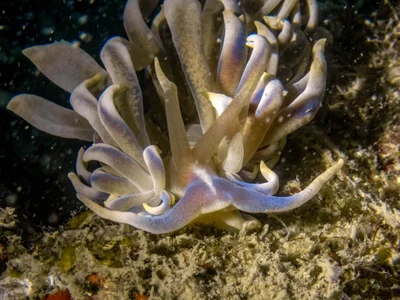
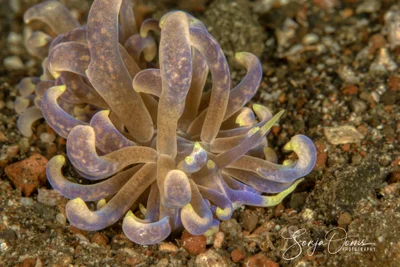
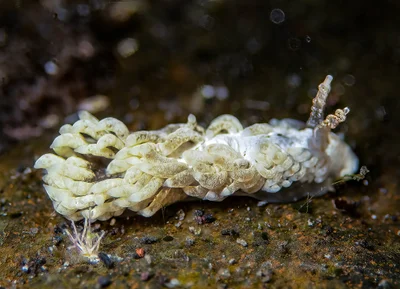
5Every other aeolid on this reef eats stinging animals and keeps the unfired cells as its own armament. This entire genus gave that up. What is left is camouflage, cerata that detach and keep wriggling while the animal leaves, and in several species algae farmed inside those cerata for the sugar they make.
Platydoris
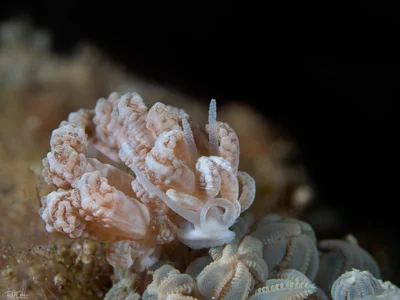
5The flattest and hardest dorids here. The mantle is thin, wide, stiffened with mineral spicules and held pressed down against the rock with no raised edge anywhere, which is difficult to grip, to lever off and to bite. Most of this section defends itself with chemistry alone; this genus adds mechanics.
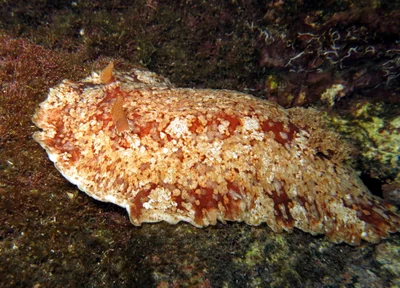
Plocamopherus
3Carry stalked clubs along the sides of the body containing light-producing tissue, and a disturbed animal flashes from them. Very few sea slugs anywhere make their own light. The clubs also detach, so a strike aimed at the flash lands on a part the animal can spare.
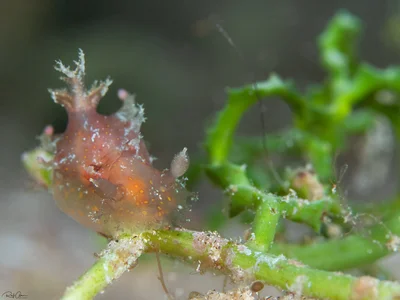
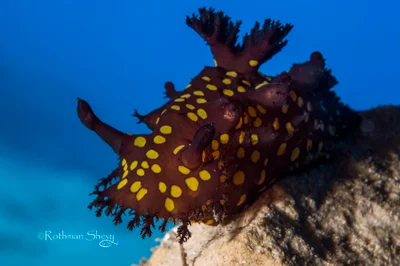
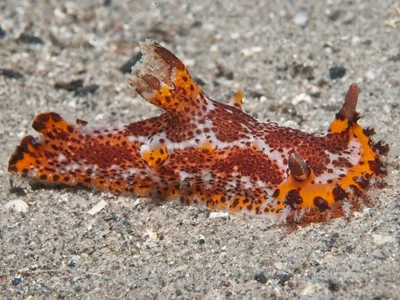
Polycera
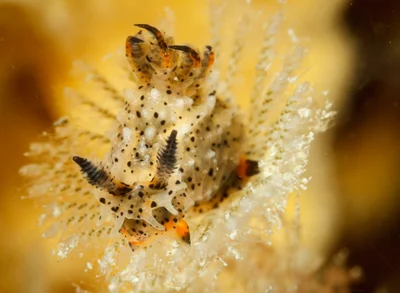
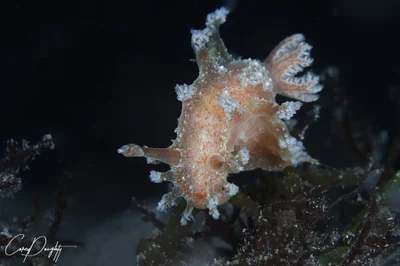
2Bryozoan grazers with a row of soft finger-like processes along the front edge of the head and more of them flanking the gills. Polycerids cannot pull the gill plume into a pocket the way a dorid can, and the processes are what they carry instead of one.
Samla
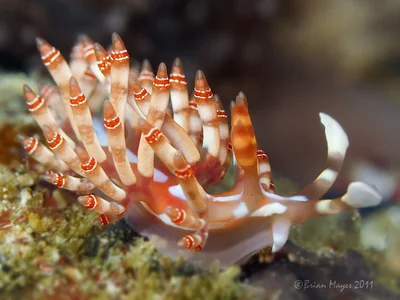
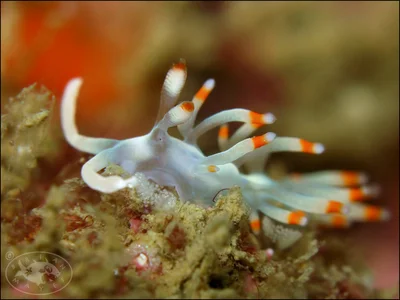
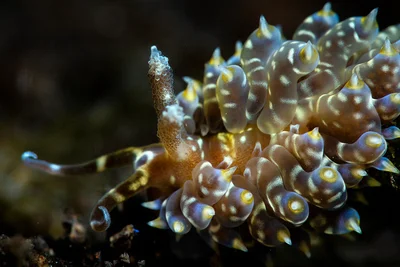
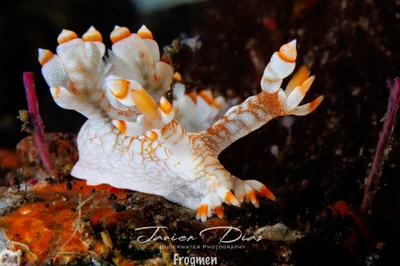
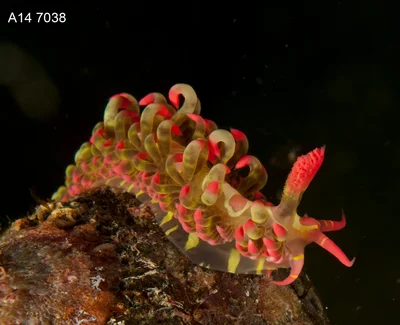
2Aeolids that graze hydroids and keep the unfired stinging cells in sacs at the tips of their cerata. The cerata sit in distinct clusters and each cluster detaches, so a bite gets a mouthful of discharging capsules and a writhing tuft while the slug leaves. Older books file them under Flabellina.
Sebadoris
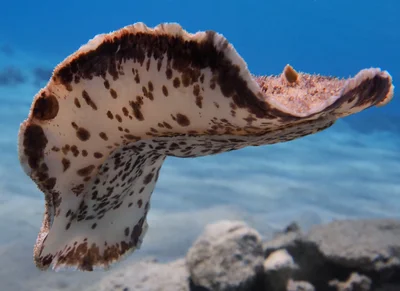
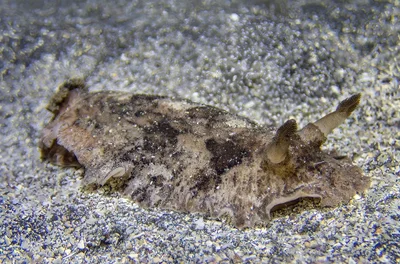
2The soft ones. No stiffened spicule-packed mantle and no firm edge, so the body slumps and tears if it is handled, and they live under dead coral slabs where nothing has to grip them. One member of the genus can swim, which is a strange thing to share with an animal this reluctant to leave a rock.
Thecacera
2Named for the raised collars its rhinophores pull down into. Polycerids cannot withdraw the gill plume the way a dorid can, so instead these carry a pair of lobes standing guard on either side of it, and that outline identifies the genus from any angle.
Trapania
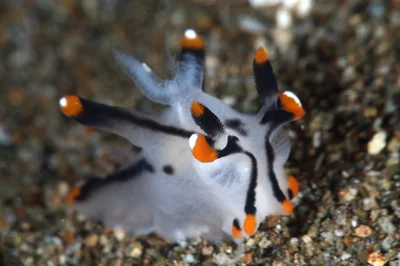
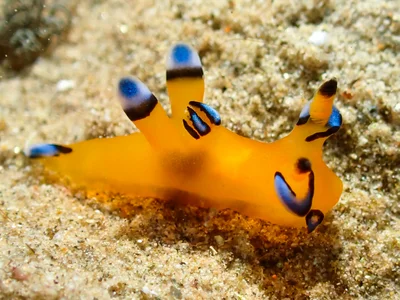
4The entoproct specialists. Entoprocts are minute stalked animals that pump water through a ring of tentacles on sponges and hydroid stems, and essentially nothing else in the sea will touch them. Told by two extra pairs of long processes, beside the gills and beside the rhinophores, carried by no other dorid here.
Verconia
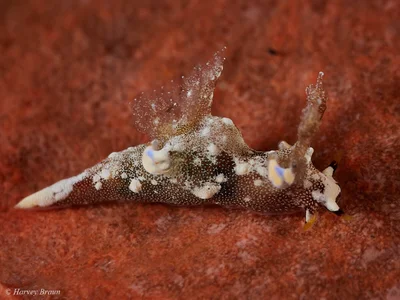
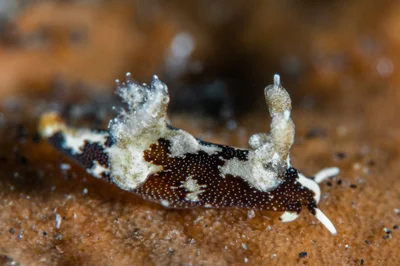
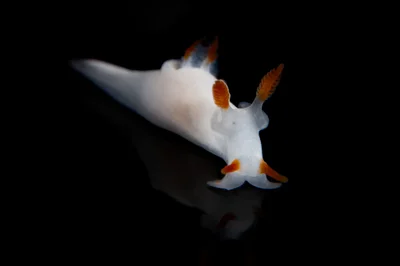
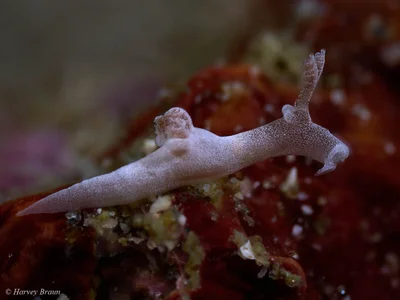
4The small, thin, translucent end of the family. The mantle is fine enough that the darker mass of the viscera shows through the middle of the back, and the pattern is reduced to a line or a few spots where their relatives carry bold rims.
Other genera
35

Other groups in Molluscs
Nearby in the catalogue.


Last Update: August 23, 2026