Blog

Titan Triggerfish in the Red Sea: Why They Attack and How to Avoid Problems
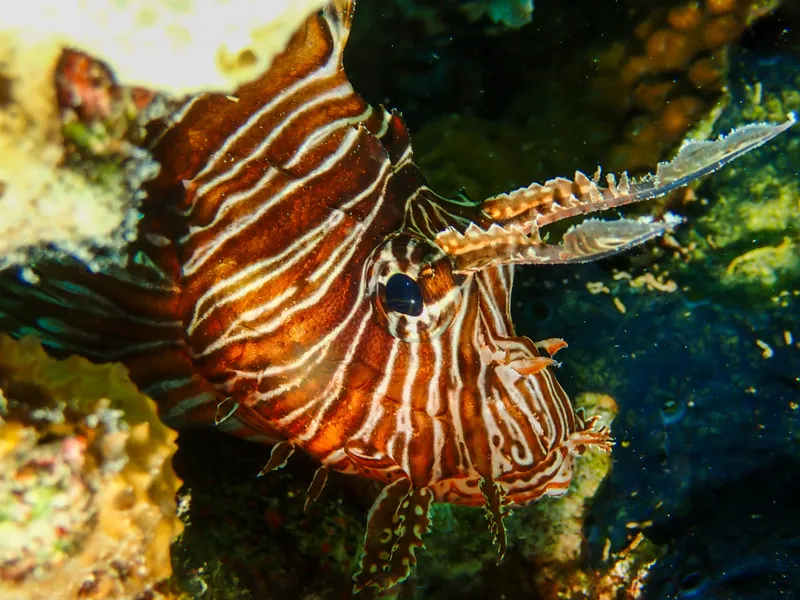
The Titan triggerfish, one of the largest and most striking reef fish in the Red Sea, is known for its bold colors and powerful jaws. This fish becomes notably aggressive during its nesting season, fiercely defending its territory against divers and snorkelers who come too close. Understanding their behavior and respecting their space can help avoid conflicts with these fascinating but territorial creatures.

Red Sea Animals Guide for First-Time Divers: 20 Species You’ll Definitely Meet
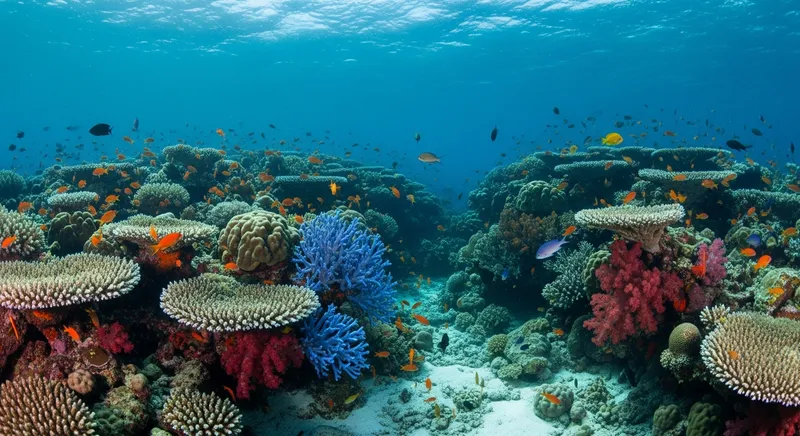
Dive into the Red Sea’s vibrant underwater world and discover an astonishing variety of marine life, from playful clownfish to elegant angelfish and elusive moray eels. With over 1,000 species of fish and 150 types of coral, every dive offers a chance to witness nature’s colorful spectacle. This guide highlights 20 fascinating creatures you’re likely to encounter, making your first Red Sea adventure unforgettable.

Mineral vs. Chemical: A Marine Biologist's Guide to Choosing Reef-Safe Sunscreen
Protecting coral reefs starts with the sunscreen you choose. Chemical sunscreens containing ingredients like oxybenzone and octinoxate can dissolve in seawater, harming coral and marine life, while mineral sunscreens with non-nano zinc oxide or titanium dioxide offer effective sun protection without the same environmental risks. For ocean lovers, switching to a truly reef-safe sunscreen is a simple yet powerful way to help preserve these vibrant underwater ecosystems.

Meet the Pink Sea Anemone That Builds Homes for Hermit Crabs
Scientists have discovered a remarkable partnership deep beneath Japan’s Pacific coast, where a new species of pale pink sea anemone, Paracalliactis tsukisome, builds and expands shell-like homes for hermit crabs. This unique anemone secretes a tough structure called a carcinoecium that enlarges and strengthens the crab’s shell, allowing the crab to grow larger and safer without needing to find new shells. In return, the anemone feeds partly on organic particles and nutrients recycled from the crab’s waste, showcasing a rare and sophisticated mutualistic relationship in the deep sea.

The World’s Most Endangered Marine Mammal Is Having Babies Again
The vaquita, the world’s rarest marine mammal found only in Mexico’s Gulf of California, is showing a remarkable sign of recovery, with scientists spotting 7 to 10 individuals this year, including new calves. After years of decline caused by illegal fishing nets, this encouraging news reveals that conservation efforts are helping the vaquita slowly rebound and continue reproducing, offering hope for the survival of this critically endangered species.

Crown-of-Thorns Starfish: The Venomous Reef Destroyer Decimating Coral Ecosystems Worldwide
The crown-of-thorns starfish is a deceptively dangerous coral reef predator, armed with thousands of venomous spines and a voracious appetite that can devastate large areas of coral. Outbreaks of these starfish, fueled by their massive reproductive potential, can wipe out up to 90% of corals on affected reefs, leaving behind bleached skeletons and disrupting reef ecosystems. Despite their threat, they play a natural role in reef dynamics, and some reef fish species help control their populations by preying on them.

Volcanic Bubbles Reveal the Future of Coral Reefs
Volcanic bubbles off Papua New Guinea release carbon dioxide, naturally acidifying the surrounding seawater and creating a unique underwater laboratory that reveals the future of coral reefs in a high-CO2 world. As acidity increases, vibrant coral communities gradually give way to fast-growing fleshy algae, reducing reef complexity and biodiversity. This shift threatens marine ecosystems and the coastal communities that depend on them for food and income, highlighting the urgent need to address rising carbon emissions.

Celebrating a Win: All Manta and Devil Ray Species Now Protected Under CITES
In a landmark victory for ocean conservation, governments at CITES CoP20 have granted the highest level of international protection to all manta and devil ray species, banning all commercial trade in their products. This historic decision closes longstanding loopholes and offers a real chance for these majestic creatures to recover from decades of overfishing and exploitation. With global populations in steep decline, this move marks a turning point in the fight to save some of the ocean’s most iconic and vulnerable species.

Tiny Guardians of the Reef: How Trapezia Crabs Protect Their Coral Homes
Trapezia crabs, tiny crustaceans living among coral branches, play a vital role in protecting their coral hosts from predators like the crown-of-thorns starfish and coral-eating snails. This mutualistic relationship benefits both, as the coral offers shelter and food while the crabs fiercely defend against threats, with different species and sizes specializing in fending off various predators. Their diverse presence is essential for maintaining healthy, resilient coral reef ecosystems.