Exploring the Role of Grey Reef and Hammerhead Sharks in the Red Sea Ecosystem
Creatures

Exploring the Role of Grey Reef and Hammerhead Sharks in the Red Sea Ecosystem

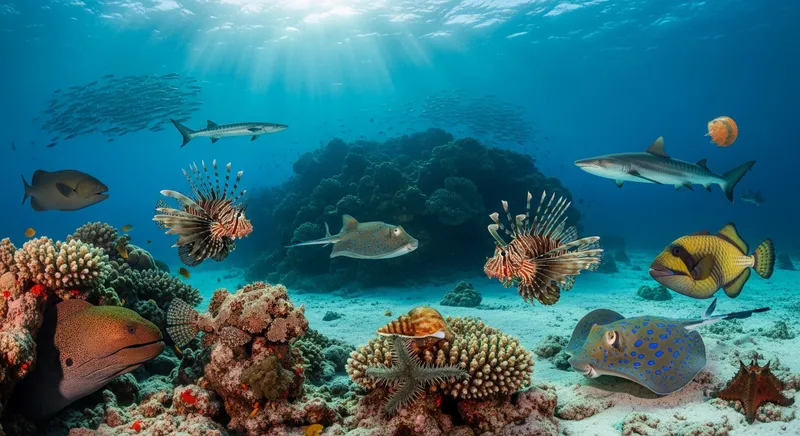
The Red Sea is a vibrant underwater paradise teeming with shark species that play a crucial role in maintaining the health of its coral reefs. Among the most iconic are the Grey Reef Shark, a common and agile sentinel of the reef, and the Scalloped Hammerhead, known for its distinctive head shape and mysterious gatherings in deeper waters. Both species offer unforgettable encounters for divers and are vital to the balance and resilience of the Red Sea’s rich marine life.

Unpopular Red Sea Marine Animals That Deserve Your Attention
Creatures

Unpopular Red Sea Marine Animals That Deserve Your Attention

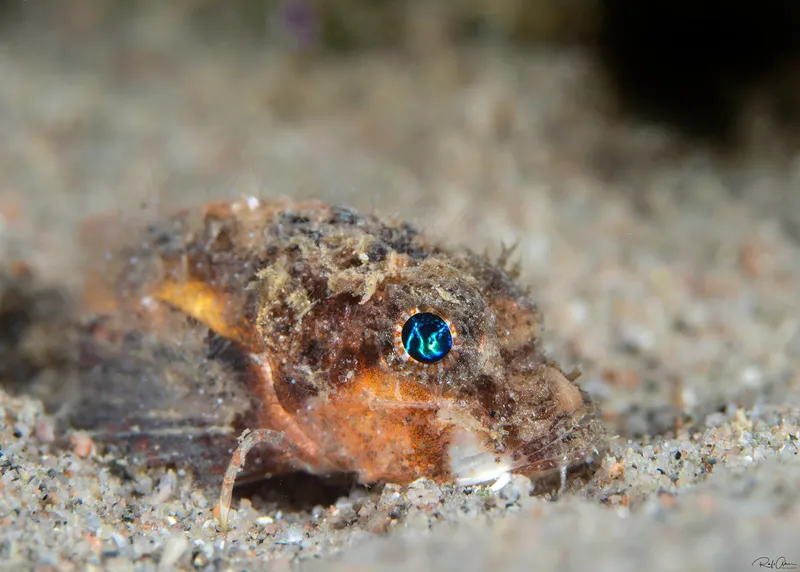
The Red Sea harbors over 1,200 species of fish, with more than 10% found nowhere else on Earth, yet most visitors focus solely on iconic species like manta rays and Napoleon Wrasse. Beyond these celebrated inhabitants lies a fascinating world of lesser-known creatures - from tiny endemic triplefins to specialized predators like the crocodilefish - each playing crucial roles in maintaining reef health and ecosystem balance. These overlooked animals possess remarkable adaptations and behaviors that deserve equal admiration, offering divers and naturalists extraordinary opportunities for discovery and deeper appreciation of the Red Sea's true biodiversity.

Red Sea Creatures Now Features Conservation Status for Every Marine Species: Track Which Ocean Animals Are Thriving or At Risk
Conservation

Red Sea Creatures Now Features Conservation Status for Every Marine Species: Track Which Ocean Animals Are Thriving or At Risk

The Red Sea Creatures website has just launched an exciting new feature that lets you explore the conservation status of the incredible marine species featured on their site. Now, as you discover the vibrant world of reefs, sharks, turtles, and deep-sea dwellers, you can see at a glance whether your favorite creatures are flourishing, vulnerable, or facing threats. This vital information - drawn from internationally recognized sources like the IUCN Red List - helps you understand not just the biology and beauty of these animals, but also their survival story in the wild and what conservation efforts are needed to protect them.

A New Partnership for Cleaner North Sinai
Conservation

A New Partnership for Cleaner North Sinai

A new partnership between the Waste Management Regulatory Authority and Sinai Cement is set to transform waste management in North Sinai by introducing 1,000 new waste containers and modern monitoring technologies. This collaboration not only improves local waste collection but also helps protect marine ecosystems like the Red Sea by reducing garbage runoff from land. Community awareness and training programs are integral parts of this effort, highlighting how better waste practices on land safeguard our precious marine environments.

Why You Should Never Pick Up a Starfish for a Photo
Conservation

Why You Should Never Pick Up a Starfish for a Photo

Starfish don’t have lungs or gills - they breathe through tiny structures called papules, or dermal gills, that cover their bodies. These papules absorb oxygen directly from seawater, making it impossible for starfish to breathe when lifted out of the water. Even a few seconds in the air can be stressful and dangerous for them, disrupting their delicate oxygen exchange and potentially causing serious harm.

Why the Red Sea’s Marine Life Is Diverse but Often Seen in Low Numbers
Red Sea

Why the Red Sea’s Marine Life Is Diverse but Often Seen in Low Numbers

The Red Sea is a marine paradise, teeming with over 1,200 fish species and more than 200 types of coral, making it one of the world’s most biodiverse underwater realms. Its unique geography and isolation have fostered a wealth of endemic species, while vibrant coral reefs, seagrass beds, and mangroves support a rich tapestry of marine life. Yet, despite this diversity, the Red Sea’s waters are often strikingly clear and home to fewer individual animals, a result of its nutrient-poor, oligotrophic environment and resilient but less densely populated reefs.

Nature Authority Warning: Avoid Diving with Sharks Near Hadera Power Plant!
Scuba Diving

Nature Authority Warning: Avoid Diving with Sharks Near Hadera Power Plant!

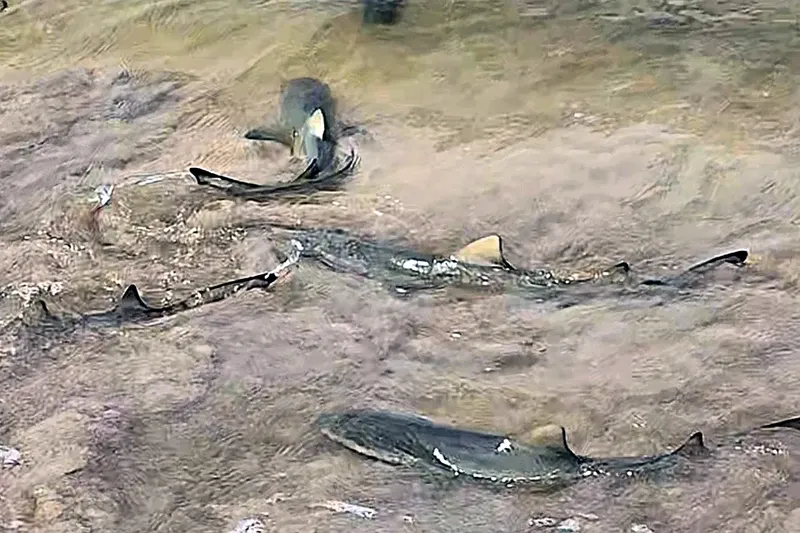
Every winter, dozens of Sandbar and Dusky sharks gather near the Hadera power station, drawn by the warm water flowing from the plant. While it’s a rare chance to see these protected predators up close, the area is risky for swimming or diving due to strong currents, hidden fishing gear, and unpredictable wildlife. Authorities urge the public to admire the sharks from a safe distance and avoid breaking the rules - swimming here is off-limits for good reason.

The Ocean’s Secret: How Phytoplankton Outshines Trees in Oxygen Production
Marine Science

The Ocean’s Secret: How Phytoplankton Outshines Trees in Oxygen Production

Beneath the waves, tiny phytoplankton are the true powerhouses of Earth’s oxygen supply, producing more than all the world’s forests combined. These microscopic organisms drift in the sunlit ocean, quietly generating 50% to 80% of the oxygen we breathe through photosynthesis. Every breath you take - on land or underwater - owes a debt to these invisible heroes of the sea.

How Scuba Diving Boosts Mental Health and Reduces Stress
Scuba Diving

How Scuba Diving Boosts Mental Health and Reduces Stress

Scuba diving isn’t just about exploring the ocean’s wonders - it’s also a powerful boost for mental health. Studies show that diving can reduce stress, anxiety, and depression, while improving mood and mindfulness. The combination of deep breathing, focus, and immersion in nature creates a calming, meditative experience that leaves divers feeling refreshed and more at ease.