The Truth About Sharks: Curiosity, Not Predation


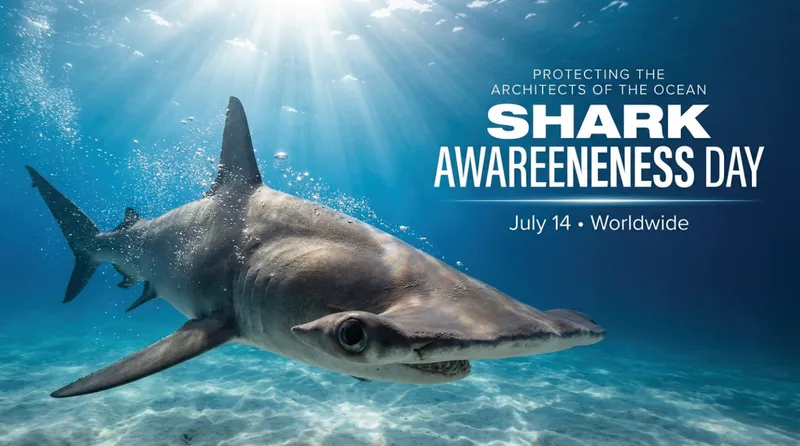
When it comes to talking about sharks, a lot of what we hear or imagine is wrapped up in fear - the classic “man-eating” predator lurking just beneath the waves. But here’s a truth that might surprise you: sharks don’t see humans as food. Most of the time, if a shark comes close to us in the ocean, it’s because of curiosity, not predation.
We’re Just Not on Their Menu
The way humans look and move in the water is completely different from the kind of prey sharks naturally hunt. We don’t smell the same, we don’t behave the same - and that makes us pretty unappealing as a meal. Unlike fish, seals, or rays, humans simply don’t fit what sharks are wired to chase. In fact, the vast majority of shark "attacks" happen because a shark is curious, investigating something unfamiliar - not because it’s gearing up for a hunt.
How Sharks Sense the Ocean
Understanding sharks means diving into how they perceive the world. These incredible creatures rely on senses very different from ours:
- Electroreception: Sharks have special organs called ampullae of Lorenzini that detect tiny electrical signals emitted by other animals. This amazing sense helps sharks locate fish, rays, or injured prey hiding beneath the sand or swimming nearby. But these organs don’t pick up humans floating calmly on the surface - our electrical signals aren’t what sharks typically track.
- Lateral Line System: Along their sides, sharks have a row of sensory cells that sense water movement and vibrations. This system lets them "feel" what's happening in their surroundings even before they see it. They pick up splashes, sudden movements, and the vibrations made by struggling fish. But a peaceful swimmer or diver isn’t sending out those signals - which means staying calm while in the water really does make a difference.
Sight: It’s Not What You Think
Contrary to popular belief, sharks don’t have the kind of sharp eyesight that humans enjoy. Many shark species see the world in terms of contrasts, shapes, and movement rather than fine details. For example, a surfer’s silhouette viewed from below can easily look like a seal, turtle, or other natural prey - especially in murky or low-light conditions. This is why mistaken identity explains a good number of those rare shark bites.
Curiosity Doesn’t Mean Aggression
Have you ever watched a shark approach slowly, circling and sometimes bobbing bubbles? That’s curiosity in action, not an aggressive hunt. Sharks often investigate strange objects in their environment - bubbles, reflections, unfamiliar shapes - using their mouths to "taste" and gather information because, well, they don’t have hands. These encounters are usually calm and careful; sharks are checking out their surroundings, not plotting an attack.
Why Sharks Are Not After Us
So, why does the fear of sharks persist despite these facts? It mostly boils down to misunderstanding. Sharks experience the ocean in a sensory language totally foreign to us. Their electroreception, vibration sensing, and vision are designed to find the kinds of prey that keep their species alive - and people just don’t fit that bill.
Almost every negative encounter between humans and sharks comes down to confusion, curiosity, or occasional self-defense - not a predatory drive. Once a shark realizes we’re not food, it usually moves on without fuss. What we often interpret as aggression or an “attack” is simply shark behavior being misunderstood.
The Bigger Picture: Sharks in Our Oceans
Stepping back, sharks are not monsters; they’re essential apex predators that keep marine ecosystems balanced. By preying on weak or sick fish and helping maintain healthy populations, sharks protect coral reefs and fish stocks - which benefits the entire ocean food chain.
So next time you find yourself wondering about sharks, remember this: these creatures are fascinating, curious, and far more interested in their usual meals than in us. They deserve our respect and protection, not fear.
References
PADI Divemaster and underwater storyteller with over 7 years of hands-on Red Sea diving experience, documenting marine life, mapping dive sites, and promoting responsible ocean conservation.