Rough-Head Stingfish: One of the Most Dangerous Fish in the Red Sea

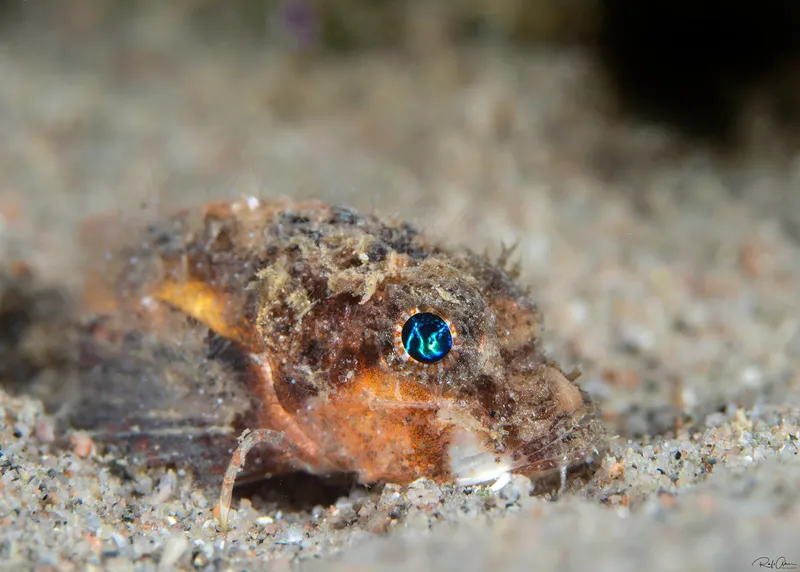
The Rough-Head Stingfish (Minous trachycephalus) is recognized as one of the most dangerous and fascinating marine creatures inhabiting the Red Sea. Its venomous nature, unique morphology, and behavior make it a species worthy of attention and caution for divers, snorkelers, and marine enthusiasts navigating the rich but perilous ecosystems of this region.
Description and Identification
The Rough-Head Stingfish is named for its distinctive rough, wart-like texture on the head and body, which helps it blend into coral reefs and rocky substrates where it dwells. It often exhibits shades of dusky gray, brown, or muted colors that camouflage it effectively in its natural environment. Some identifying features include:
- A wide, flattened head with extremely elevated orbits (eye sockets)
- Numerous skin warts or bumps, contributing to its rough texture
- Free pectoral fin rays often conspicuous, aiding in identification
- Typical adult size reaching around 27 cm (11 inches), with some reports of up to 40 cm (16 inches) in length
- Dorsal fins with venomous spines capable of inflicting painful wounds[1][2][4]
Habitat and Behavior
This species predominantly resides in coral reefs and rocky seabeds of the Red Sea. It prefers habitats where it can rest among rocks or coral formations, relying on camouflage to avoid predators and ambush prey. The typical behavior includes:
- A sit-and-wait predation strategy, remaining motionless to catch smaller fish and crustaceans
- Venomous dorsal spines used defensively when threatened by larger predators or unwary humans
- A solitary lifestyle, common among venomous reef fish, to avoid competition and reduce encounters that might provoke defensive actions[1][2]
Venom and Danger to Humans
The Rough-Head Stingfish is considered dangerous due to its venomous spines located on its dorsal fin. The venom can cause:
- Severe and excruciating pain at the site of the sting
- Swelling, inflammation, and potential infection if not properly treated
- In rare cases, systemic effects that could be life-threatening without prompt medical intervention[1][2]
Its spines can penetrate skin and even protectively thick materials, making accidental stings a real hazard for divers and fishermen unintentionally stepping on or handling the fish. Although not typically aggressive, the stingfish’s defensive response can cause serious injury.
Comparison with Other Dangerous Red Sea Fish
The Rough-Head Stingfish shares the reef environment with other notable venomous species like the Reef Stonefish (Synanceia verrucosa), which is often cited as one of the most venomous fish globally. The stonefish differs in appearance and size but shares the possession of multiple venomous dorsal spines capable of severe envenomation, sometimes with fatal consequences. Both species utilize camouflage and venom for defense, demonstrating convergent survival strategies within the Red Sea's complex ecosystems[2].
Safety Tips and Precautions
Given its venomous potential, awareness and caution around Rough-Head Stingfish are essential:
- Avoid touching or stepping on reef fish, especially in rocky or coral environments where the Rough-Head Stingfish is found
- Wear protective footwear when walking in shallow reef waters
- If stung, seek immediate medical attention to manage pain and prevent complications; first aid may include hot water immersion to denature venom proteins
- Divers should maintain buoyancy control to avoid accidental contact with marine life and communicate clearly with dive guides regarding hazards[1]
Ecological Importance
Despite its dangerous reputation, the Rough-Head Stingfish plays a vital role in the Red Sea ecosystem by:
- Controlling populations of smaller fish and crustaceans through predation
- Serving as prey for larger marine predators, thus contributing to the marine food web
- Adding to the biodiversity that attracts eco-tourism and promotes marine conservation awareness
Conclusion
The Rough-Head Stingfish (Minous trachycephalus) stands out as a highly venomous and ecologically significant species within the Red Sea. Recognizing its characteristics and potential danger fosters safer human interactions and appreciation for the delicate balance of reef ecosystems where this remarkable fish thrives.
For visitors to the Red Sea, understanding species like the Rough-Head Stingfish enhances both safety and the awe of exploring one of the world's most biodiverse marine habitats.
References
PADI Divemaster and underwater storyteller with over 7 years of hands-on Red Sea diving experience, documenting marine life, mapping dive sites, and promoting responsible ocean conservation.