10 Dangerous Red Sea Creatures That Aren’t as Scary as They Look (And How to Dive Safely Around Them)

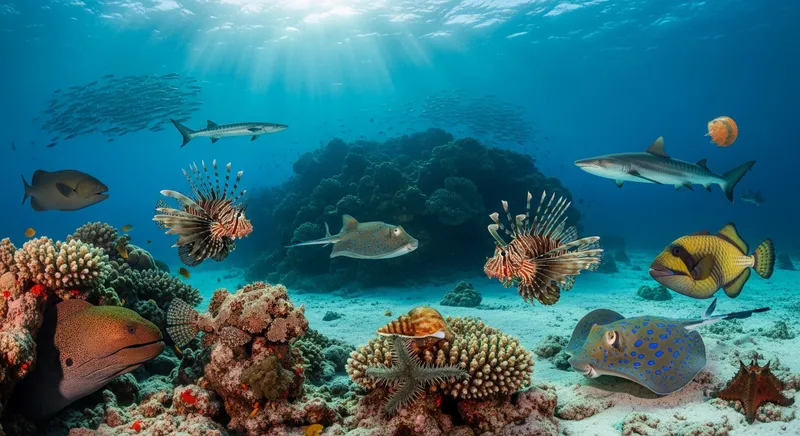
The Red Sea is renowned for its stunning coral reefs and rich marine biodiversity, attracting scuba divers, marine biologists, photographers, and enthusiasts worldwide. Among its vibrant life forms are some creatures that appear intimidating or even dangerous but often pose little risk if approached with knowledge and respect. This post explores 10 such creatures, demystifying their perceived threat and offering practical diving safety tips so you can enjoy your underwater adventure confidently.
1. Lionfish
The lionfish, with its striking striped appearance and long venomous spines, is often feared for its painful sting. Native to the Red Sea, two common species, like Pterois miles, use their venom primarily for defense. While lionfish stings can cause excruciating pain and rare fatalities, they are not aggressive toward divers and will only sting if provoked or handled improperly. Photographers love lionfish for their elegant fins and patterns, often found hovering near reefs.
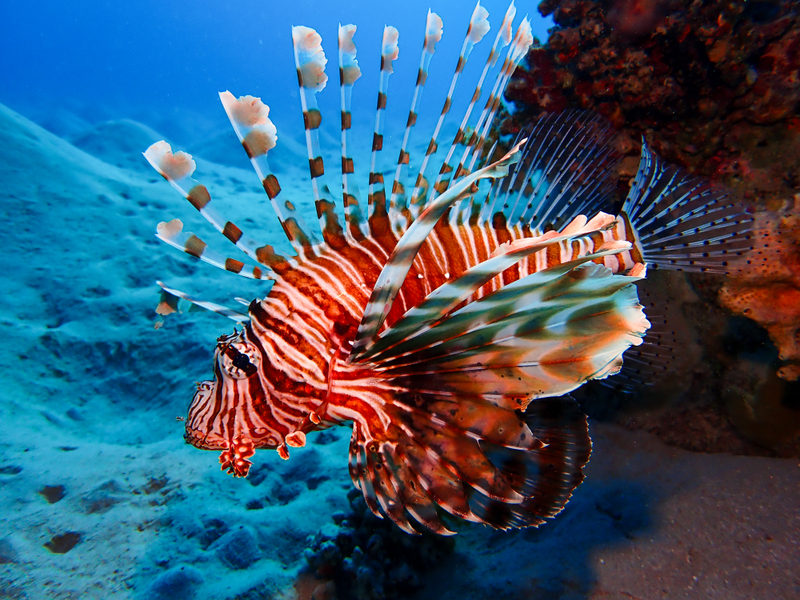
Dive Safely: Maintain a respectful distance, avoid touching or cornering them, and use your camera zoom to capture their beauty without risk[1][3].
2. Scorpionfish
Masters of camouflage, scorpionfish blend almost seamlessly with their surroundings using mottled skin and protrusions that mimic rocks and coral. Their venomous spines deliver painful stings causing severe pain and potential paralysis. Divers often overlook them as harmless reef decorations, which leads to accidental contact.

Dive Safely: Never touch or disturb rocks and coral where scorpionfish hide. Watch your fin placement closely and wear protective footwear. If stung, soak the wound in hot water and seek medical help promptly[1][2][7].
3. Moray Eels
Moray eels, especially the giant moray (Gymnothorax javanicus), are often viewed as scary because of their toothy jaws and habit of poking out from crevices. Generally not aggressive, morays will bite if they feel threatened or if divers poke into their hiding spots, especially when spearfishing.
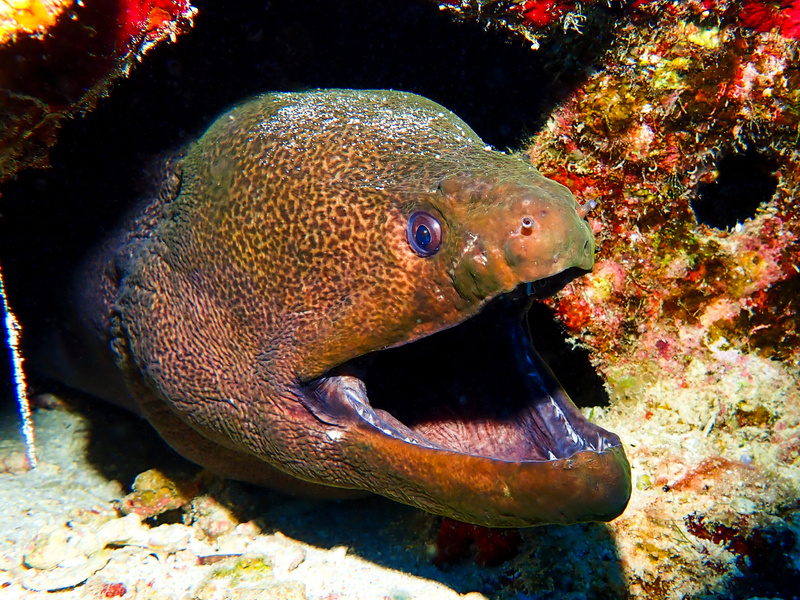
Dive Safely: Avoid probing reefs with your hands; observe morays from a distance. Dive guides sometimes feed or interact with them safely, but novices should not attempt this[1][3][4].
4. Titan Triggerfish
Titan triggerfish are notoriously territorial during breeding seasons and can exhibit aggressive behavior by biting or defending nests vigorously. They grow up to 75 cm and have venomous dorsal spines that require caution.
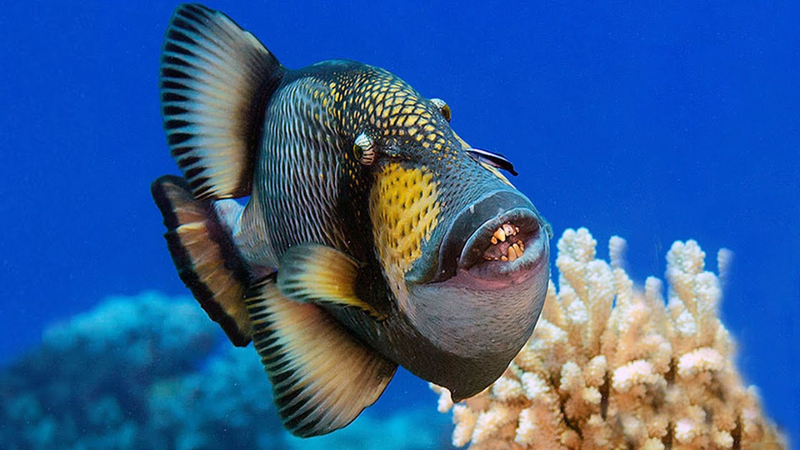
Dive Safely: Recognize their nesting territory during summer months (July - September). When approached aggressively, retreat quickly in a horizontal direction and protect yourself using fins as a barrier[2][5].
5. Great Barracuda
The great barracuda, a sleek predator with razor-sharp teeth, can look intimidating. Most bite incidents occur in murky water or when they mistake shiny objects for prey. They generally avoid humans and rarely attack unprovoked.

Dive Safely: Avoid wearing reflective jewelry or shiny gear. Stay calm and avoid sudden movements. Barracudas are often curious but not aggressive if undisturbed[1][4].
6. Blue-Spotted Stingray
With their vibrant blue spots, these stingrays are captivating but have venomous spines on their tails that can deliver painful wounds if stepped on or threatened. They often rest on sandy bottoms camouflaged under sand.

Dive Safely: Maintain good buoyancy control to avoid accidental contact, shuffle your feet when walking on sandy bottoms, and keep an eye on the tail position of stingrays nearby[2][4].
7. Cone Snails
These small, beautifully patterned mollusks hide in sandy or coral crevices and use a venomous harpoon-like tooth to immobilize prey. Their venom can cause paralysis and occasionally fatal outcomes in humans.
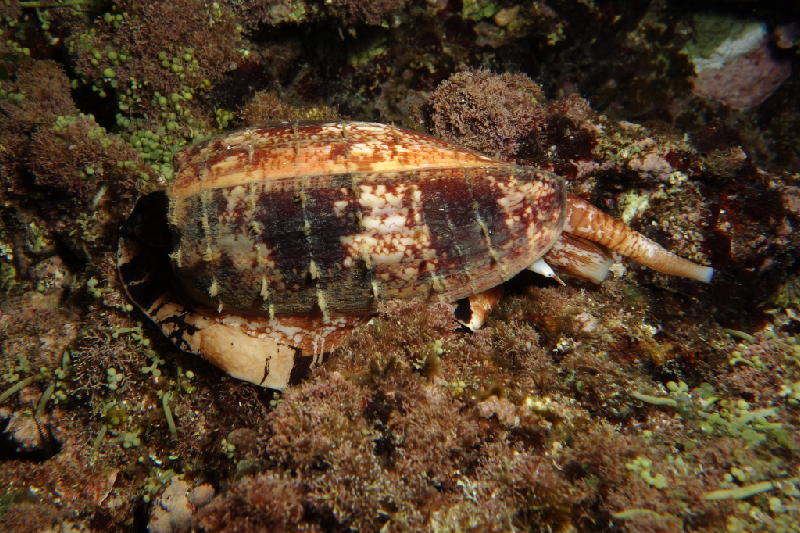
Dive Safely: Never pick up or touch cone shells, no matter how attractive they appear. Photographers should observe and photograph from a safe distance[2][5].
8. Stonefish
Stonefish are camouflaged fish that look like rocks, armed with venomous dorsal spines. Their venom is among the most potent of any fish, capable of causing severe pain, paralysis, or even death without prompt medical treatment.

Dive Safely: Avoid touching the reef floor or stationary rocks. Use protective footwear when walking in shallow waters and be cautious during reef exploration[1][5][7].
9. Oceanic Whitetip Shark
One of the notable sharks in the Red Sea, longimanus sharks, can exhibit territorial behavior. Although generally not aggressive toward divers, they have been involved in non-fatal attacks when provoked or if food is present.

Dive Safely: Remain calm and avoid sudden movements. Follow dive guide instructions, avoid spearfishing near sharks, and do not corner or harass them. These sharks offer exciting photo opportunities when respected[2][6].
10. The Most Dangerous Creature: Irresponsible Humans
The most dangerous “creature” in the Red Sea is not a shark or a venomous fish, but irresponsible people. Overfishing, collecting shells and corals as souvenirs, standing or walking on the reef, breaking coral for a “better photo angle,” feeding fish bread or leftovers, and throwing trash into the sea all cause long‑term damage to fragile reef ecosystems. Coral reefs in Egypt have already lost significant live coral cover over recent decades, and unmanaged tourism remains one of the main threats to their survival.
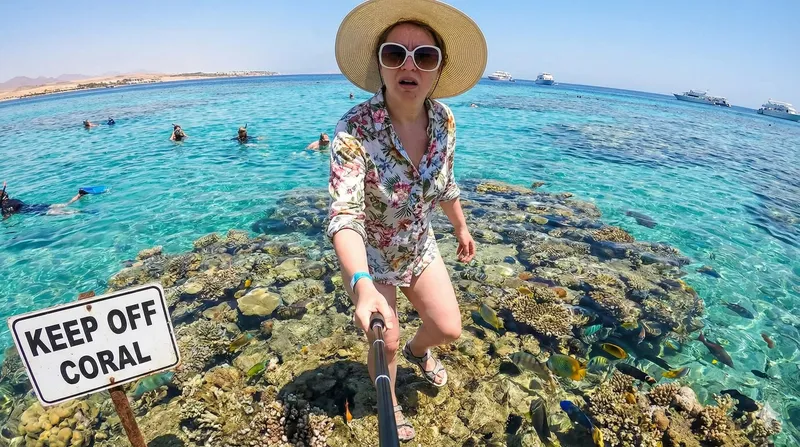
Dive Safely:
- Do not touch, stand on, or break corals; always swim along the reef, not over it, and control your fins and equipment.
- Never feed fish or turtles, do not collect shells, corals, or any marine life, and avoid buying souvenirs made from them.
- Reduce fishing pressure by respecting local regulations and size limits, and choose eco‑friendly operators who follow environmental guidelines and avoid anchoring on reefs .
General Diving Safety Tips for the Red Sea
- Always dive with a certified guide familiar with local marine life and behavior.
- Maintain neutral buoyancy to avoid accidental contact with reef animals.
- Wear protective diving boots and gloves to reduce risk from venomous spines or stings.
- Avoid sudden movements; many defensive reactions arise from perceived threat.
- Do not feed or attempt to touch wildlife, especially venomous or territorial species.
- Carry a basic first aid kit and know the protocol for treating stings and bites.
- Use your camera’s zoom capabilities to photograph shy or venomous animals safely without disturbance.
With this knowledge, divers, marine biologists, and photographers can better appreciate the fascinating and sometimes misunderstood creatures of the Red Sea. Respecting their natural behaviors ensures safe and memorable underwater experiences.
References
PADI Divemaster and underwater storyteller with over 7 years of hands-on Red Sea diving experience, documenting marine life, mapping dive sites, and promoting responsible ocean conservation.