Kshamenk’s Last Breath: The Orca Who Spent 33 Years in a 12‑Meter Tank and Reignited the Debate on Captivity
Marine News

Kshamenk’s Last Breath: The Orca Who Spent 33 Years in a 12‑Meter Tank and Reignited the Debate on Captivity

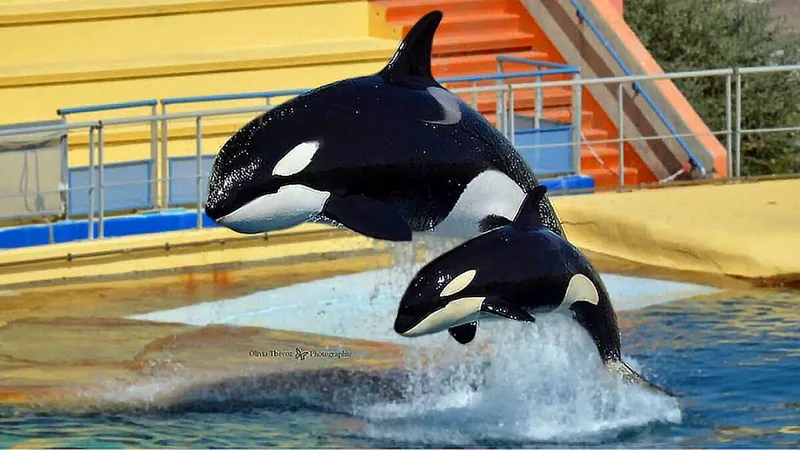
Kshamenk, taken from his pod as a calf in 1992, spent 33 years confined to a small concrete tank at Mundo Marino, isolated after his only companion died in 2000. His slow decline - drifting listless at the surface, losing weight, and showing signs of psychological distress - became a rallying cry against orca captivity and a reminder that intelligence and social bonds cannot be contained.

How Coral Reefs Have Regulated Earth's Climate for 250 Million Years
Marine Science

How Coral Reefs Have Regulated Earth's Climate for 250 Million Years

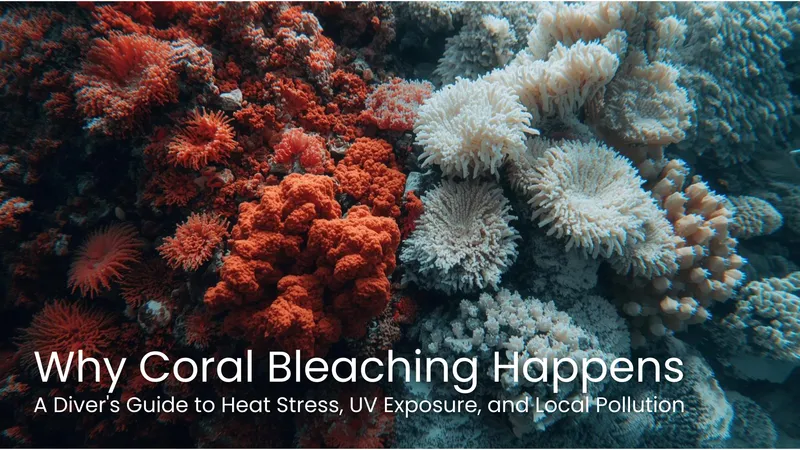
Imagine coral reefs not just as vibrant underwater havens, but as Earth's master regulators of the carbon cycle for over 250 million years. When thriving on expansive tropical shelves, they lock away calcium carbonate in shallow seas, weakening the ocean's ability to absorb CO2 spikes from events like volcanic eruptions and slowing climate recovery. But when reefs shrink due to tectonic shifts or falling sea levels, deep-ocean alkalinity surges, turbocharging the biological pump and speeding planetary rebound - while sparking plankton evolution booms.

Top 5 Invasive Species Threats Spotted by Divers This Year
Marine News

Top 5 Invasive Species Threats Spotted by Divers This Year

Scuba divers are encountering aggressive invasive species transforming vibrant underwater realms in 2025, from Atlantic reefs to California waters. Lionfish devour native fish and smother corals, while golden mussels explode in density, clogging habitats and outcompeting locals. Divers are stepping up as eco-warriors, spearfishing invaders and capturing epic takedowns to safeguard marine biodiversity.

Why One Red Sea Shark Generates $200,000 Yearly: Egypt's Bold Protection Plan
Conservation

Why One Red Sea Shark Generates $200,000 Yearly: Egypt's Bold Protection Plan

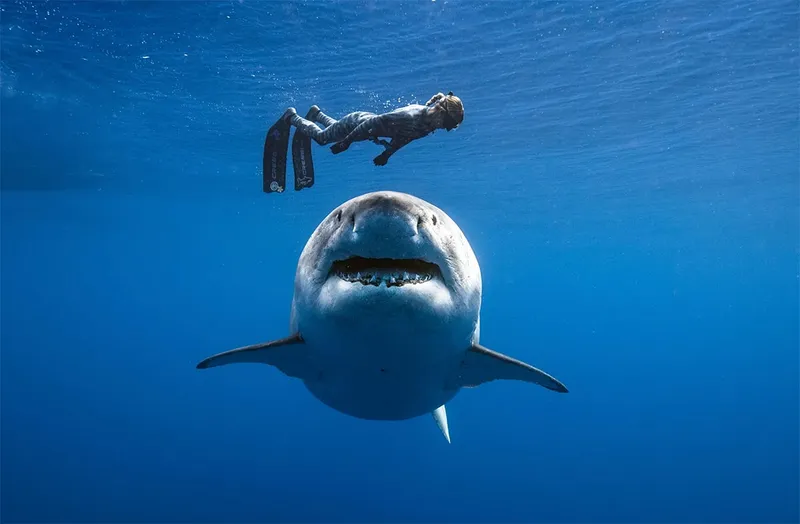
Egyptian government figures reveal a stunning truth: each Red Sea shark generates about $200,000 in annual tourism value, powering a multi-million-dollar dive industry that draws global adventurers to glimpse tiger sharks and oceanic whitetips amid glittering reefs. Now, a bold new Ministry of Environment plan targets illegal fishing and biodiversity collapse to protect these "ecotourism engines," safeguarding coastal livelihoods and the elegant silhouettes on the blue horizon. Healthy sharks mean thriving economies—proving one animal's life is worth far more alive than as a fin.

How Global Conservation Efforts Rescued the Green Turtle from the Brink of Extinction and Sparked a Remarkable Comeback
Conservation

How Global Conservation Efforts Rescued the Green Turtle from the Brink of Extinction and Sparked a Remarkable Comeback

Green turtles, once driven to the brink of extinction by hunting, egg harvesting, and accidental fishing bycatch, are now making a remarkable comeback thanks to decades of dedicated global conservation efforts. Protected nesting beaches, community engagement, and international laws have led to a 28% increase in their population since the 1970s, moving their status from endangered to least concern. This recovery illustrates the power of long-term, coordinated action in preserving marine ecosystems and offers hope for other threatened species.

Diving into History: Exploring the Wreck of the Ancient Egyptian Pleasure Barge in Alexandria Harbour
Marine News

Diving into History: Exploring the Wreck of the Ancient Egyptian Pleasure Barge in Alexandria Harbour

Off the coast of Alexandria, Egypt, archaeologists have uncovered a remarkably well-preserved 35-meter-long pleasure barge dating back to the 1st century A.D., providing the first physical example of the lavish thalamegos boats described by the ancient Greek geographer Strabo. Found near the submerged island of Antirhodos, this luxurious vessel, adorned with Greek graffiti and built for elite leisure and ceremonial use, offers rare insights into the social life, rituals, and maritime engineering of early Roman Egypt. The discovery also connects to significant historical events, possibly sinking during the destruction of the Temple of Isis or serving in religious processions, enriching our understanding of ancient Egyptian waterways and culture.

A Historic Victory: Oceanic Whitetip Sharks Gain Full Protection Under CITES
Conservation

A Historic Victory: Oceanic Whitetip Sharks Gain Full Protection Under CITES

In a historic win for shark conservation, oceanic whitetip sharks have been granted the highest level of international protection at CITES CoP20, moving to Appendix I. This landmark decision bans all commercial international trade in the species, offering a crucial lifeline to one of the ocean’s most critically endangered sharks.

Solar-Powered Sea Slugs: How These Remarkable Creatures Harness Sunlight for Energy Through Kleptoplasty
Creatures

Solar-Powered Sea Slugs: How These Remarkable Creatures Harness Sunlight for Energy Through Kleptoplasty

Solar-powered sea slugs are remarkable marine creatures that have evolved an extraordinary ability to steal chloroplasts from algae and harness the power of sunlight for their own survival. Through a process called kleptoplasty, species like Elysia chlorotica consume algae and carefully retain their chloroplasts, incorporating them into specialized cellular compartments where they continue to photosynthesize and produce energy-rich nutrients. This incredible adaptation allows these small green slugs to survive for months without food, transforming them into nature's most cunning marine thieves and genuinely "solar-powered" animals that blur the boundary between plant and animal biology.

New Discoveries Push the Origin of Animals Back by 100 Million Years
Marine News

New Discoveries Push the Origin of Animals Back by 100 Million Years

Scientists have discovered a new order of marine sponges called Vilesida, which challenges current understanding of early animal evolution. These sponges produce unique chemical markers found in ancient rocks, suggesting that animals appeared around 100 million years earlier than previously thought. This breakthrough not only reshapes sponge classification but also offers fresh insights into the origins of life on Earth.