Lined Bristletooth
Lined Bristletooth
Fishes · Bony fishes · Surgeonfishes

Lined Bristletooth

Ctenochaetus striatus (Quoy & Gaimard, 1825)
syn. Acanthurus argenteus, Acanthurus ctenodon, Acanthurus flavoguttatus, Acanthurus ketlitzii, Acanthurus kettlitzii, Acanthurus striatus +3 more
26 cm1-60 mLeast Concern
996

The striated surgeonfish, scientifically known as Ctenochaetus striatus, is a species of marine fish within the family Acanthuridae, which includes well-known groups like tangs and unicornfishes. This species, first described in 1825 by French naturalists in 🇬🇺 Guam, is widely distributed across the Indo-Pacific region.

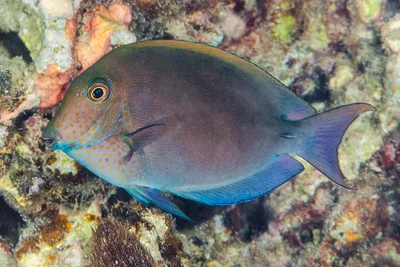
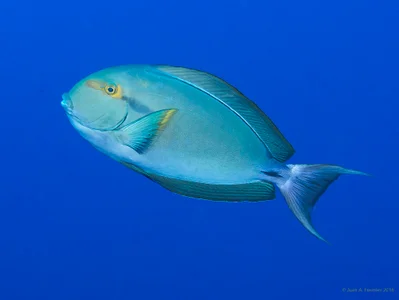
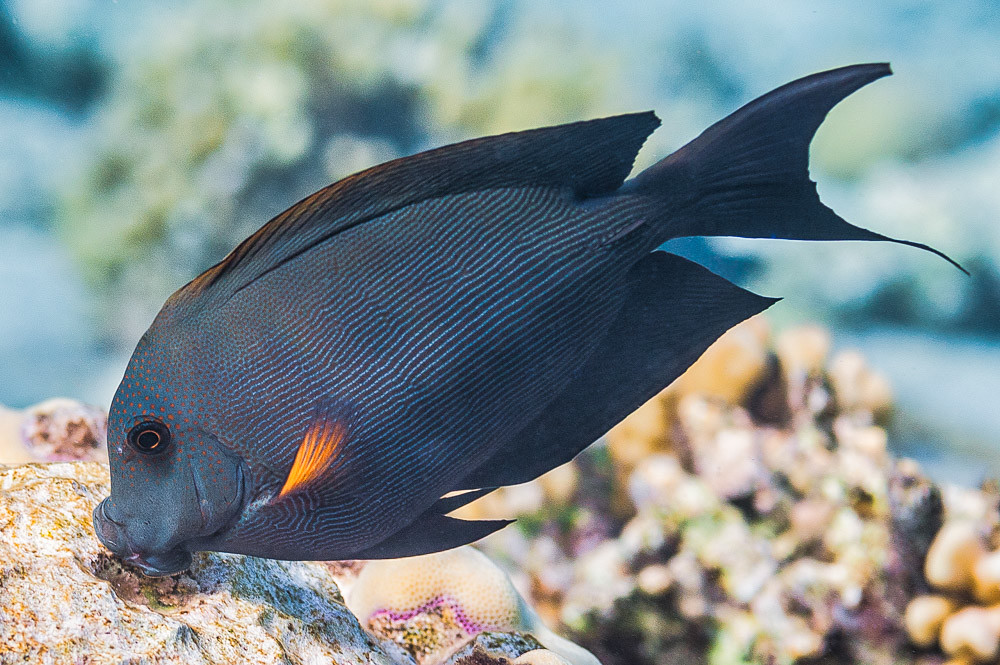
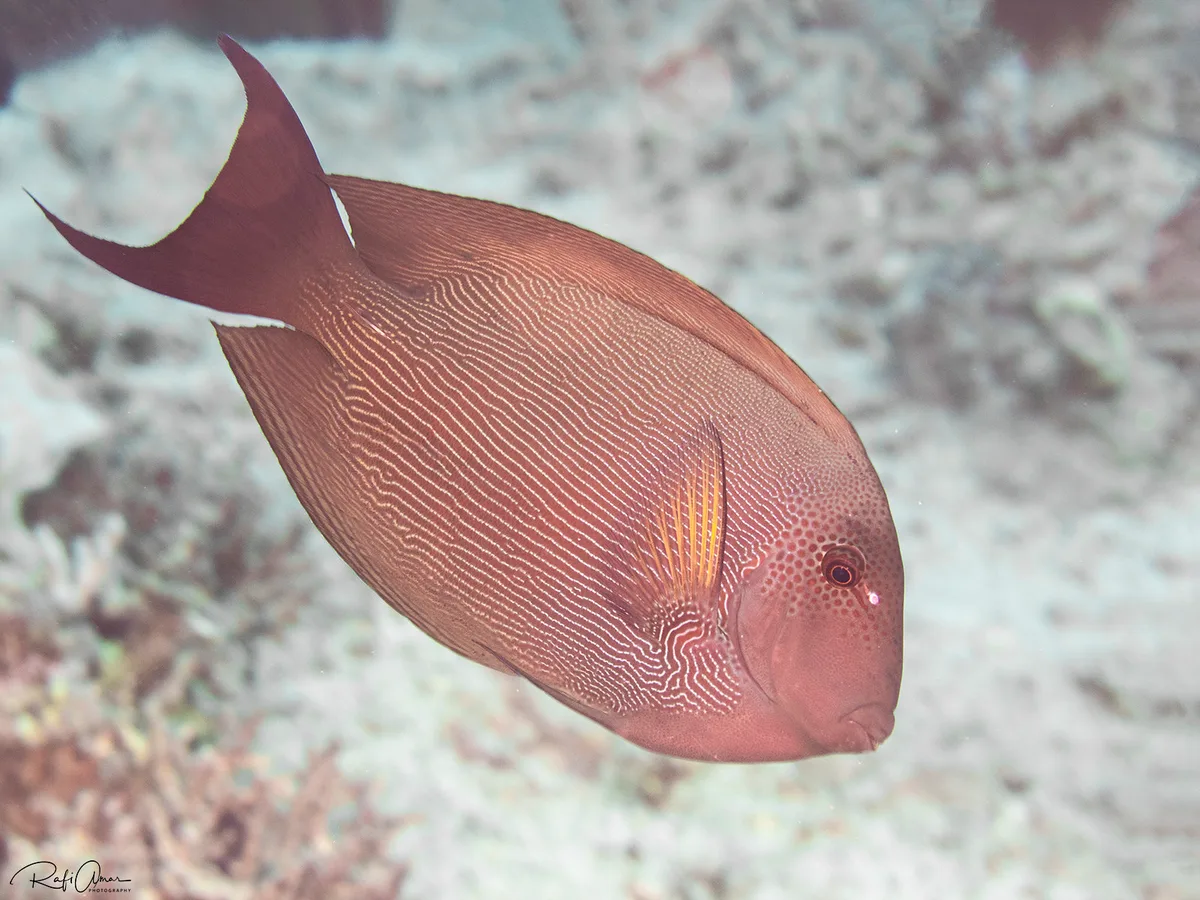
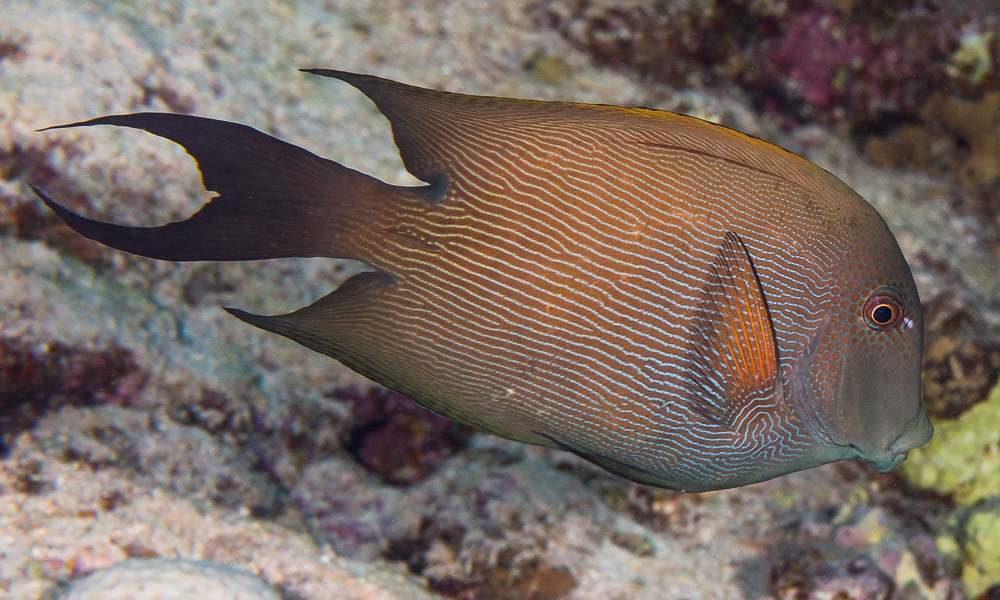
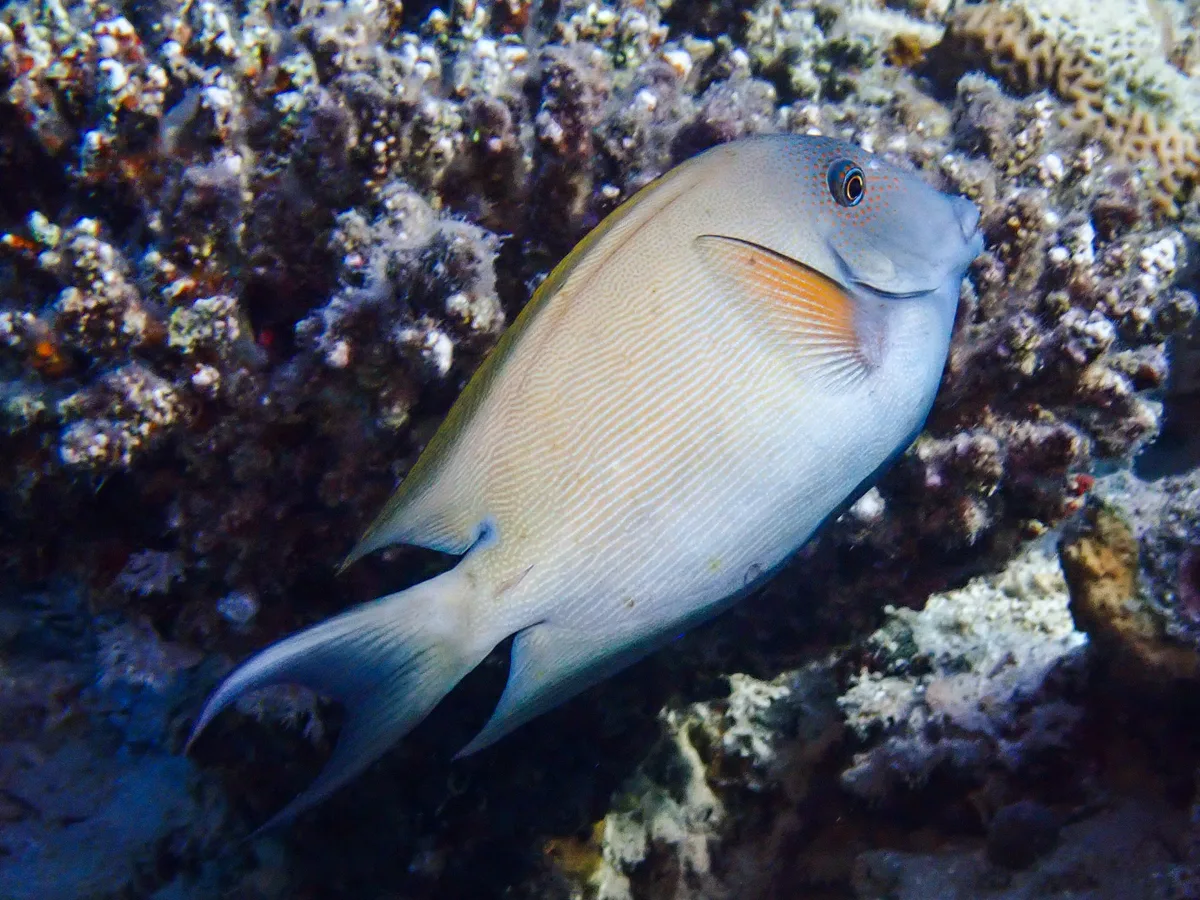
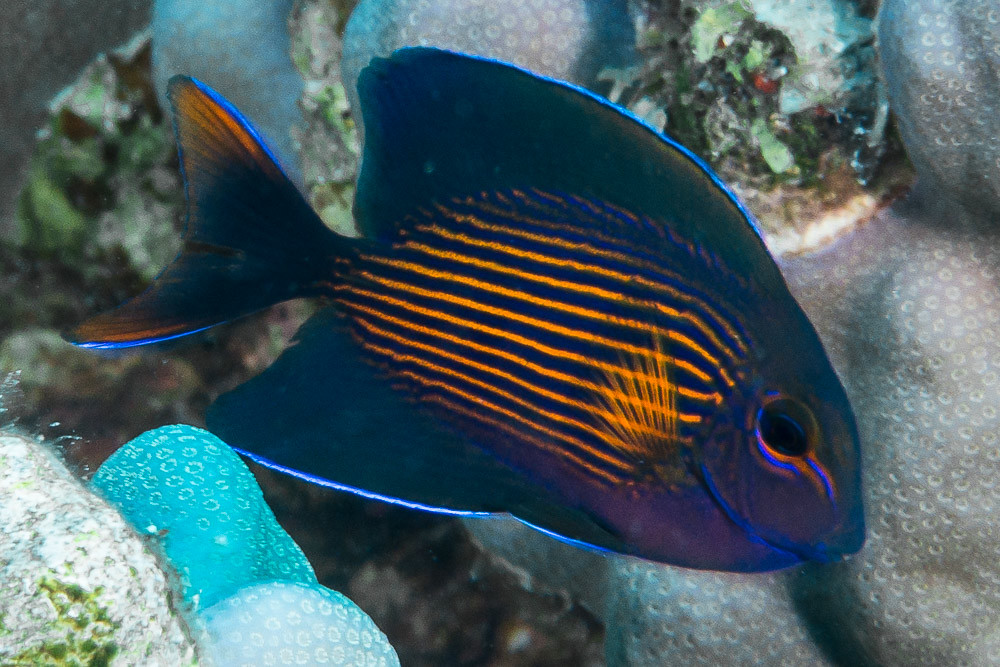
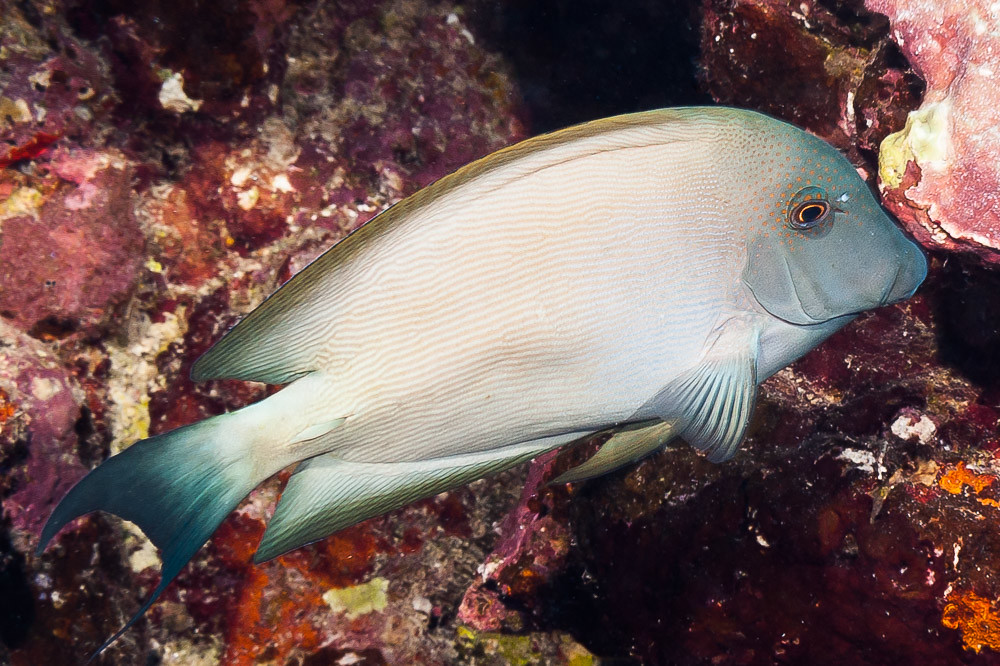
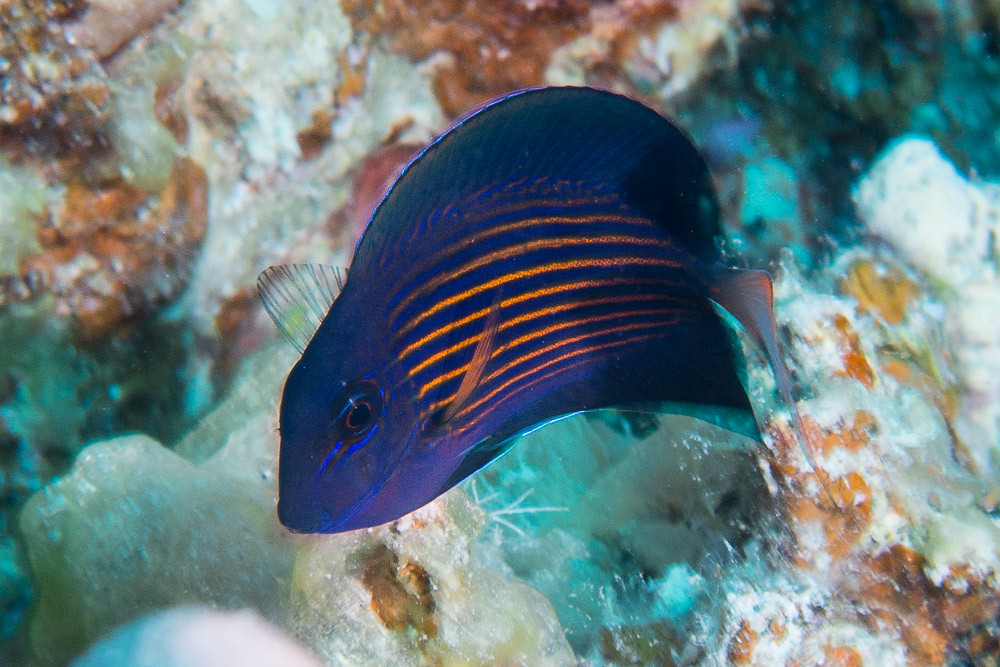
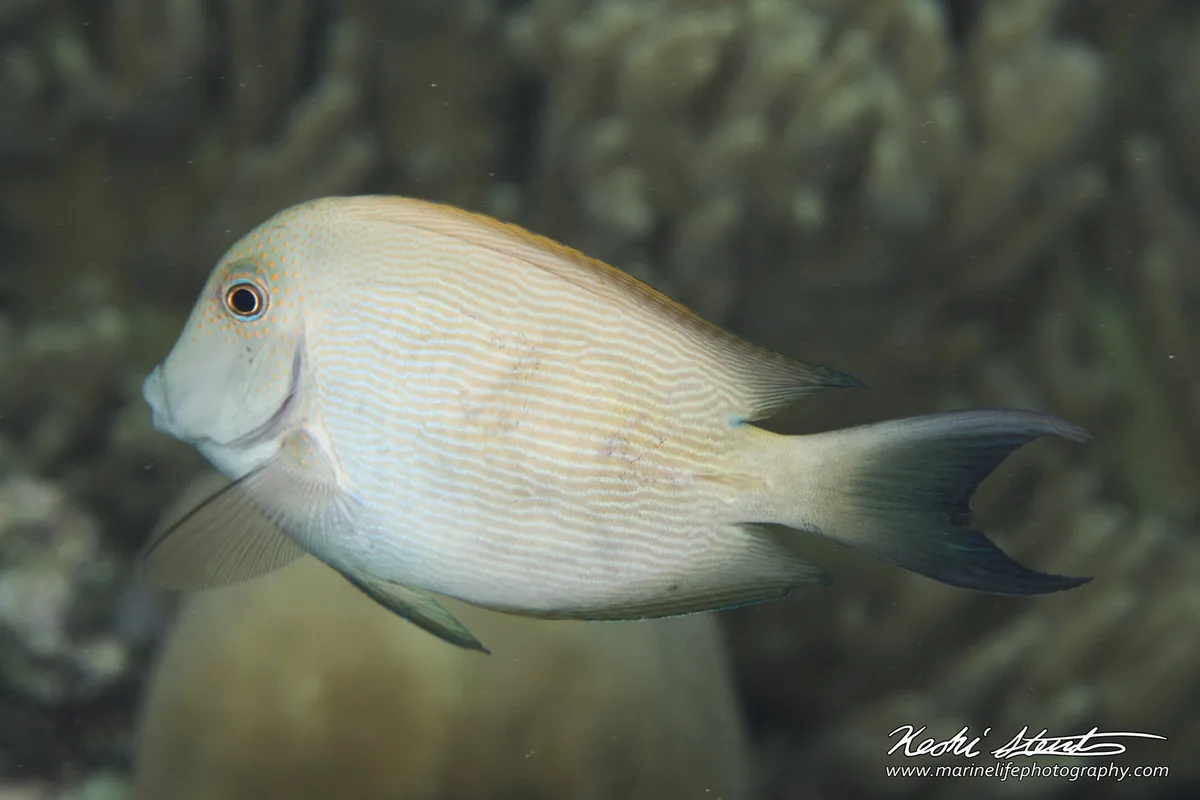
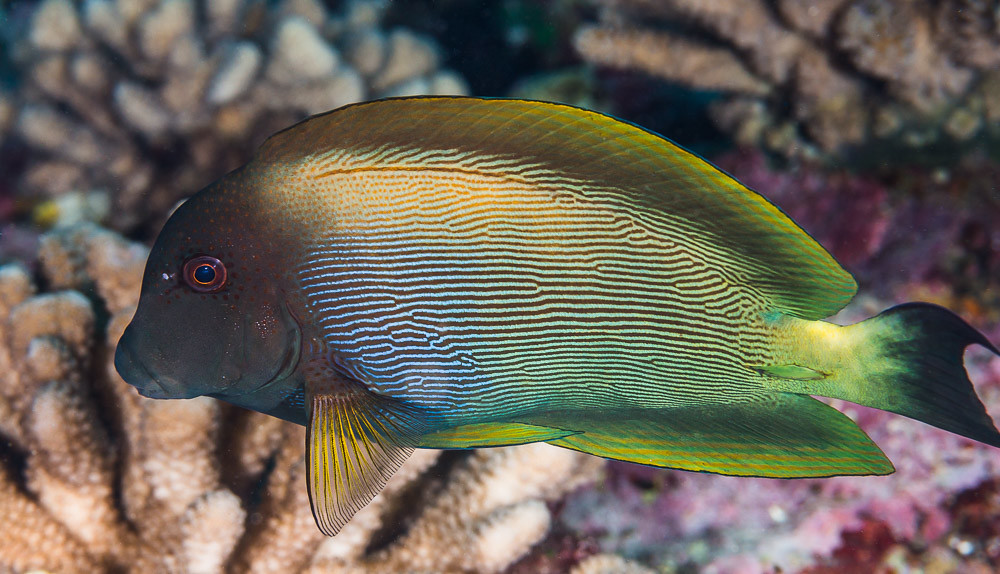
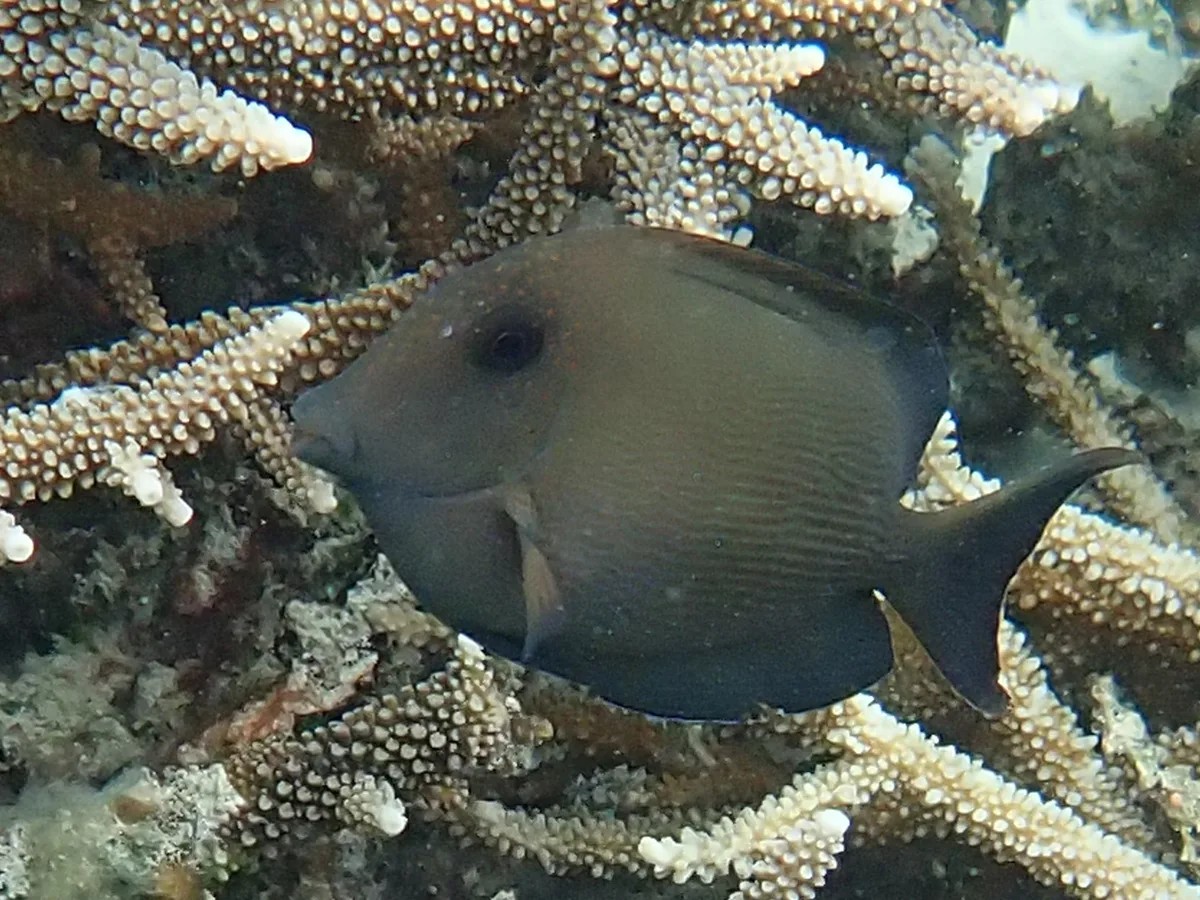
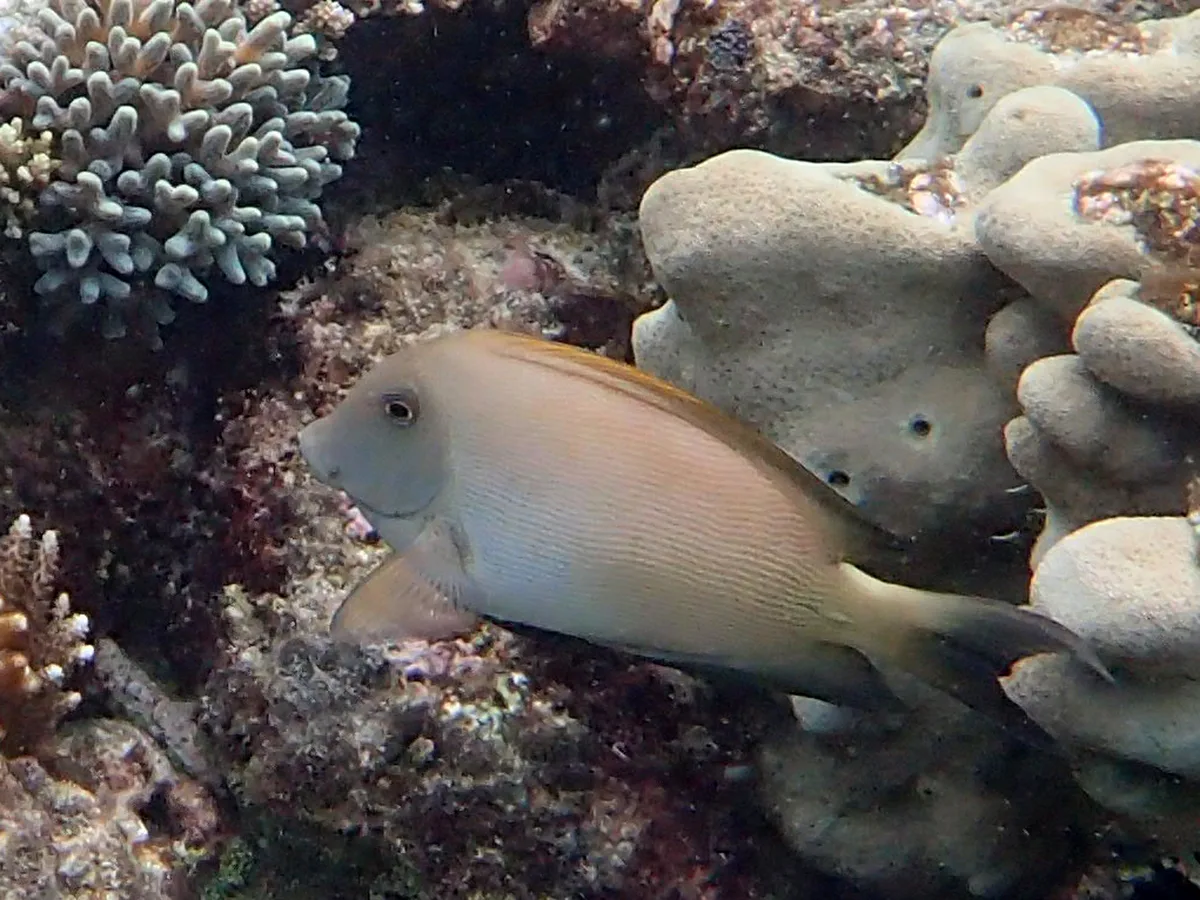
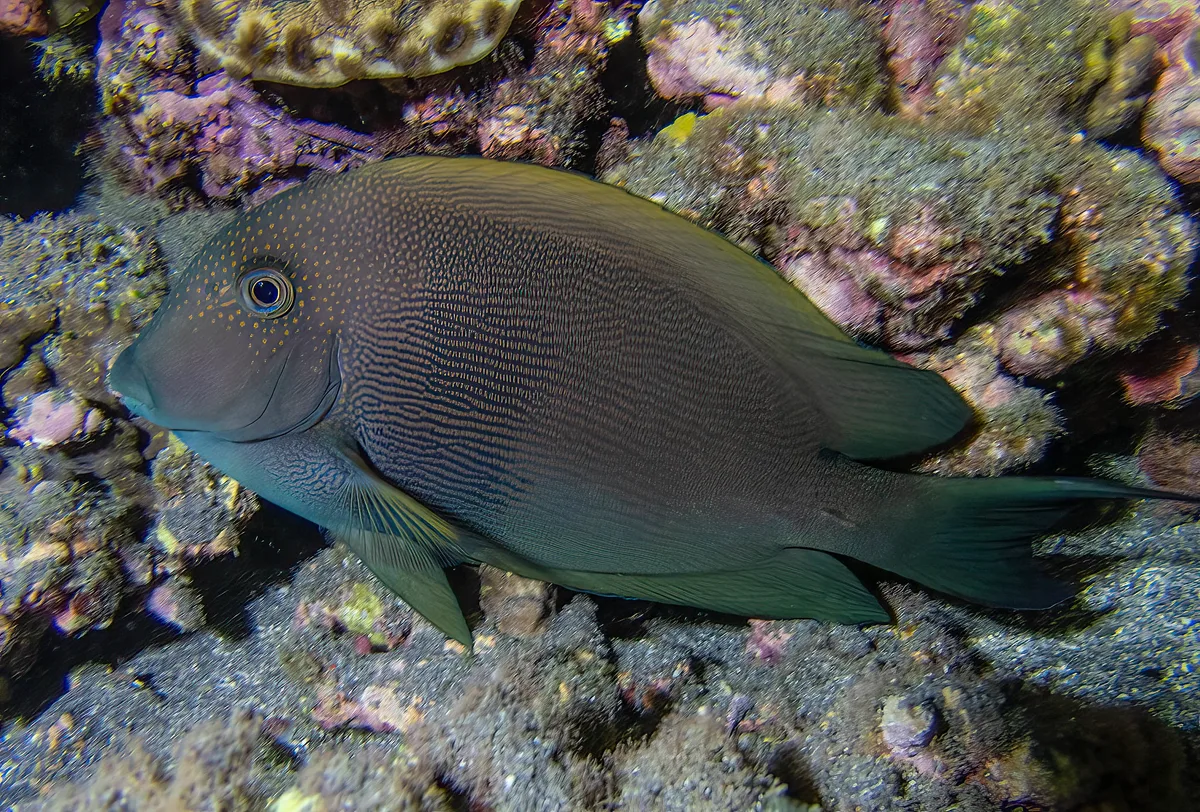
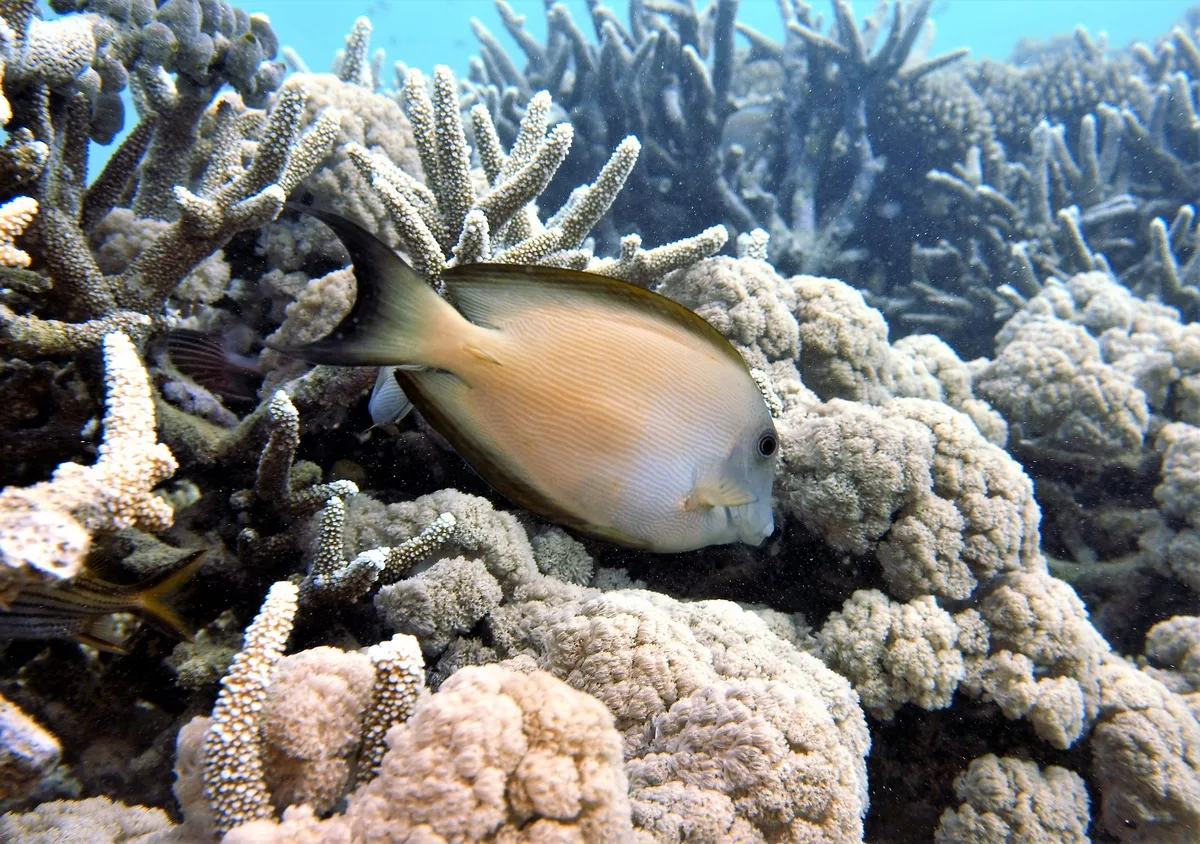
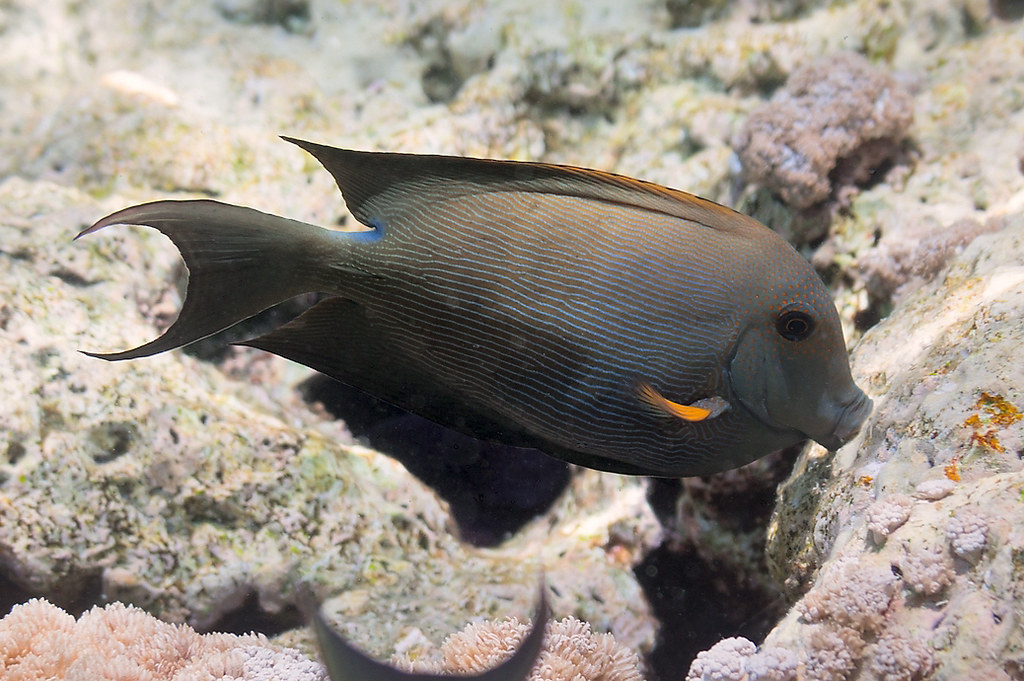
Ctenochaetus striatus has a distinctive appearance characterized by a greenish-brown body adorned with slender blue lines along its sides and numerous orange spots on its head. These blue lines extend onto its dorsal and anal fins. The fish features a dorsal fin with 8 spines and 27-31 soft rays, and an anal fin with 3 spines and 24-28 soft rays. It can reach up to 26 cm (10 inches) in length.

This species is typically found in environments such as reef flats, lagoons, and seaward reefs, thriving over coral, rocky surfaces, and rubble at depths from 0 to 60 meters (0 to 197 feet). It is commonly seen alone or in groups, sometimes forming large schools with other species.

Striated surgeonfish have a diet that mainly consists of algae, diatoms, and small marine creatures, playing an essential role in their ecosystem. Notably, their presence is linked to the phenomenon of Ciguatera fish poisoning. When Pacific cyclones decrease, the population of herbivorous fish like the striated surgeonfish often increases, affecting ciguatera's occurrence in humans.

Reproduction in Ctenochaetus striatus is intriguing, generally occurring during the full moon. At this time, these fish form large groups, briefly changing color before certain individuals ascend to the surface to spawn. What's particularly interesting about their larvae is their attraction to noisy environments—a behavior that sets them apart from other coral fish larvae.

Overall, the striated surgeonfish is an integral part of the marine biodiversity across its range, contributing to both the health of coral reefs and the challenges of ciguatera in affected regions.

Why it's threatened

Biological resource use
Intentional use: (subsistence/small scale) [harvest]

Ctenochaetus striatus is heavily fished in American Samoa, an overfished, collapsed fishery. There was no relationship found between fishing pressure and longevity, growth or adult size across sampling sites, among which fishing pressure on this species varied from intense to zero (Trip et al. 2008).

The status of reef fisheries in American Samoa has commonly been reported as over-exploited, however, comparing patterns and trends from fishery independent surveys with fishery-dependent data showed a significant decline in shoreline fishing effort and a non-significant decrease in boat-based effort, resulting in constant catch landings and catch-per-unit effort. Concurrent with the decline in fishing effort and constant catch landing was an increase in fish abundance and biomass for the targeted families. The decrease in fishing pressure occurred during a period of rapid population growth, indicating non-dependence of the general population on fishing, reflecting the change in the social and economic dynamics within the territory (Sabater and Carroll 2009).

Craig et al. (2008) showed that the current harvests of the subsistence fishery in outer islands of American Samoa is similar to those in historic and prehistoric periods, indicating that the fishery is harvested at a sustainable level.

Surgeonfishes show varying degrees of habitat preference and utilization of coral reef habitats, with some species spending the majority of their life stages on coral reef while others primarily utilize seagrass beds, mangroves, algal beds, and /or rocky reefs. The majority of surgeonfishes are exclusively found on coral reef habitat, and of these, approximately 80% are experiencing a greater than 30% loss of coral reef area and degradation of coral reef habitat quality across their distributions. However, more research is needed to understand the long-term effects of coral reef habitat loss and degradation on these species' populations. Widespread coral reef loss and declining habitat conditions are particularly worrying for species that recruit into areas with live coral cover, especially as studies have shown that protection of pristine habitats facilitate the persistence of adult populations in species that have spatially separated adult and juvenile habitats (Comeros-Raynal et al. 2012).

Threat classification from the IUCN Red List.

Comments

Please, sign in to leave a comment

Continue with a social account — yours will be created automatically.

No comments yet — be the first.

Last Update: June 28, 2026