Paralytic shellfish poisoning (PSP)
Saxitoxin picked up from algal blooms by shellfish and some reef crabs: tasteless, unaffected by cooking, and treated only by keeping the victim breathing.
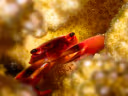
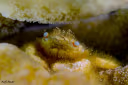
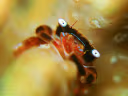
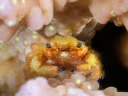
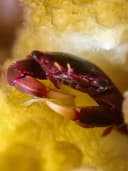
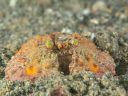
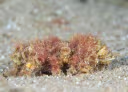
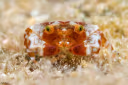
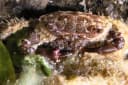
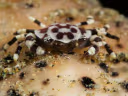
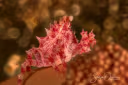
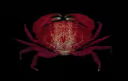
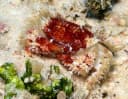
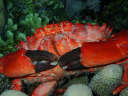
Paralytic shellfish poisoning is caused by saxitoxin and its relatives, made by microscopic dinoflagellates and passed upward by anything that filters them out of the water. Mussels, oysters, clams and scallops concentrate the toxin without being harmed by it; so do some reef crabs, which is the version that matters here.
Saxitoxin blocks the sodium channel, the same target as tetrodotoxin, so the course of a poisoning reads the same way: tingling around the mouth within half an hour, numbness spreading, loss of coordination, and in serious cases paralysis of the breathing muscles. Treatment is ventilation until it passes; there is no antidote.
Two things make it dangerous out of proportion to how rare it is. The toxin has no taste or smell and survives cooking completely - boiling, frying and drying do nothing - so nothing about the meal warns anyone. And an animal that was safe last month may not be safe today, because it depends entirely on what has been blooming in the water. Shellfish harvesting closures during a bloom exist for exactly this reason, and the reef crabs that carry it are never safe to eat at any time of year.
First aid
Identical in practice to tetrodotoxin, and for the same reason - the same blocked channel.
- Hospital at the first numbness or tingling around the mouth after shellfish or crab.
- No antidote, so do not lose time looking for one, and do not induce vomiting.
- Watch the breathing and be ready to give rescue breaths. Support carries people through it.
- If others ate the same meal, get them checked even if they feel fine - dose varies wildly between portions of the same animal.
Found in29