Unpopular Red Sea Marine Animals That Deserve Your Attention

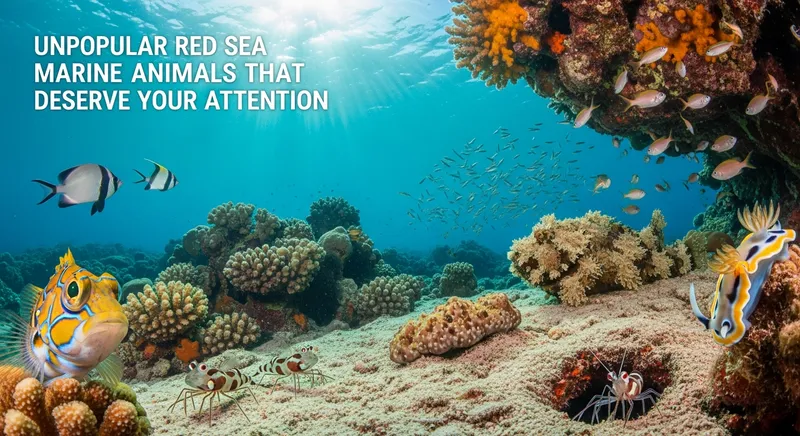
When most people think of the Red Sea, their minds often jump to the iconic Napoleon Wrasse, the graceful manta rays, or the vibrant butterflyfish. While these species are undoubtedly spectacular, the true magic of the Red Sea’s marine ecosystem lies in its lesser-known, often overlooked inhabitants. These unpopular marine animals play vital roles in the reef’s health and offer unique opportunities for discovery and appreciation. In this article, we shine a spotlight on some of the Red Sea’s most fascinating yet underappreciated creatures.
Why Focus on the Unpopular?
The Red Sea is home to over 2,100 identified fish species, with 10 - 20% found nowhere else on Earth. While popular species attract the most attention, many of the Red Sea’s most intriguing animals are rarely seen or discussed. These creatures often possess unique adaptations, behaviors, and ecological roles that make them just as worthy of admiration as their more famous counterparts.
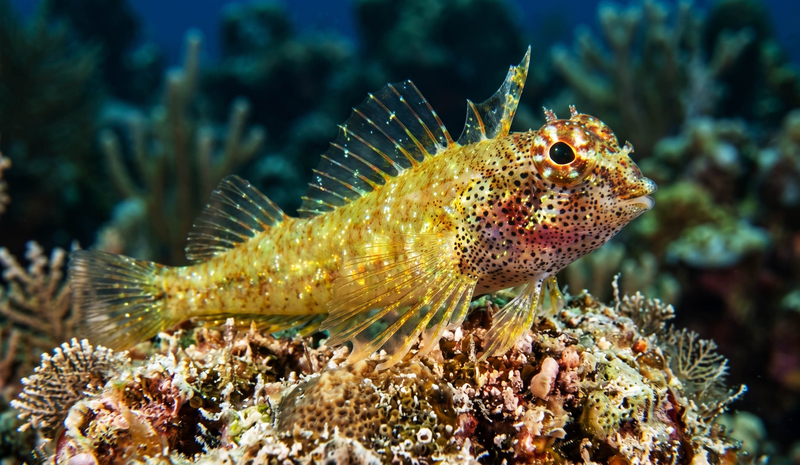
1. Abel’s Triplefin (Enneapterygius abeli)
Description and Habitat
Abel’s Triplefin is a tiny, unassuming fish that rarely exceeds 3 cm in length. It is typically found in shallow reef environments, often hiding among crevices and rubble. Its drab coloration - usually a mix of brown and white - makes it easy to overlook, but its intricate patterns and curious behavior reward patient observers.
Ecological Role
Triplefins are important members of the reef’s microfauna, helping to control populations of small invertebrates and serving as prey for larger fish.
Why It’s Special
Despite its size, Abel’s Triplefin is a Red Sea endemic, meaning it is found only in this region. Its presence is a testament to the Red Sea’s unique biodiversity.

2. Blackline Fangblenny (Meiacanthus nigrolineatus)
Description and Habitat
The Blackline Fangblenny is a small, slender fish with a distinctive black stripe running along its body. It inhabits coral reefs and is often seen darting in and out of crevices. What sets it apart is its venomous fangs, which it uses for defense rather than predation.
Ecological Role
Fangblennies are known for their mimicry - some species mimic cleaner wrasses to get close to larger fish, then bite them. This behavior is a fascinating example of evolutionary adaptation.
Why It’s Special
The Blackline Fangblenny’s venom is a rare trait among reef fish, making it a subject of interest for scientists studying marine toxins.

3. Aden Blenny (Antennablennius adenensis)
Description and Habitat
The Aden Blenny is a small, eel-like fish with a distinctive “horn” above its eyes. It is typically found in shallow, rocky areas and is known for its ability to camouflage itself against the reef.
Ecological Role
Blennies are important grazers, feeding on algae and small invertebrates. They help maintain the balance of the reef ecosystem.
Why It’s Special
The Aden Blenny is another Red Sea endemic, highlighting the region’s unique evolutionary history.

4. False Cleanerfish (Aspidontus taeniatus)
Description and Habitat
The False Cleanerfish is a master of deception. It closely resembles the bluestreak cleaner wrasse, a fish that cleans parasites from larger fish. However, the False Cleanerfish uses this mimicry to get close to unsuspecting fish and then bites them.
Ecological Role
This species is a fascinating example of aggressive mimicry, a rare and intriguing behavior in the animal kingdom.
Why It’s Special
The False Cleanerfish’s behavior provides insight into the complex interactions that occur on coral reefs.

5. Feather Duster Worm (Sabellastarte indica)
Description and Habitat
Feather Duster Worms are tube-dwelling polychaetes with feathery, fan-like appendages used for filter feeding. They are often found attached to rocks or coral, and their colorful fans can be quite striking.
Ecological Role
These worms are important filter feeders, helping to keep the water clean and providing food for other reef inhabitants.
Why It’s Special
Feather Duster Worms are a vital part of the reef’s biodiversity, yet they are often overlooked due to their sedentary nature.
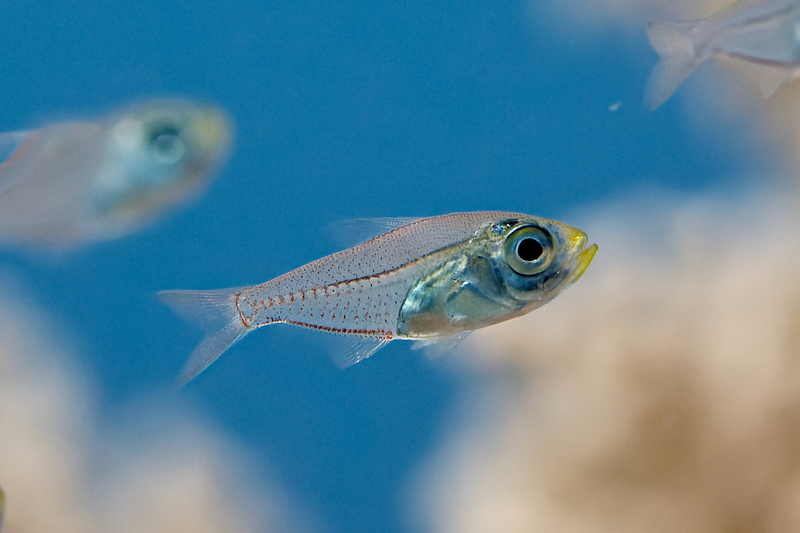
6. Goldhead Sweeper (Parapriacanthus guentheri)
Description and Habitat
The Goldhead Sweeper is a small, silvery fish with a distinctive golden head. It is typically found in schools near the reef, often at night.
Ecological Role
Sweepers are important for maintaining the balance of small fish populations on the reef.
Why It’s Special
The Goldhead Sweeper’s nocturnal habits and schooling behavior make it a fascinating subject for night dives.

7. Largescale Dwarf Flounder (Engyprosopon macrolepis)
Description and Habitat
The Largescale Dwarf Flounder is a flatfish that lives on the sandy seabed. It is well-camouflaged and can be difficult to spot, but its intricate patterns are worth the effort.
Ecological Role
Flounders are important predators of small invertebrates and help maintain the health of the seabed.
Why It’s Special
The Largescale Dwarf Flounder’s camouflage and unique body shape are a testament to the diversity of life in the Red Sea.

8. Goniobranchus Obsoletus
Description and Habitat
Goniobranchus Obsoletus is a species of nudibranch, a type of sea slug known for its vibrant colors and intricate patterns. It is typically found on coral reefs and is a favorite among macro photographers.
Ecological Role
Nudibranchs are important grazers, feeding on sponges and other invertebrates.
Why It’s Special
Goniobranchus Obsoletus is a stunning example of the Red Sea’s invertebrate diversity, yet it is often overlooked in favor of more charismatic species.
Conclusion: The Hidden Gems of the Red Sea
While the Red Sea’s iconic species are undeniably impressive, its lesser-known animals offer a wealth of discovery and wonder. From the tiny Abel’s Triplefin to the deceptive False Cleanerfish, these unpopular marine animals are essential to the health and beauty of the reef. By paying attention to these hidden gems, divers and snorkelers can gain a deeper appreciation for the Red Sea’s incredible biodiversity.
Next time you explore the Red Sea, take a moment to look beyond the obvious. You might just discover a new favorite creature.
PADI Divemaster and underwater storyteller with over 7 years of hands-on Red Sea diving experience, documenting marine life, mapping dive sites, and promoting responsible ocean conservation.