How Healthy Coral Reefs Could Boost Sustainable Fish Production by 50% and Feed Millions

Imagine if we could unlock millions more healthy fish meals just by giving coral reefs a bit of breathing room - sounds pretty amazing, right? A new study reveals that healthy coral reefs around the world could ramp up sustainable fish production by almost 50 percent if we let overfished populations rebound, potentially feeding millions and tackling hunger in some of the hardest-hit spots.[7][2][9]
Why Coral Reefs Are the Unsung Heroes of Our Seafood
Picture this: vibrant underwater cities built by tiny coral polyps, teeming with fish that dart in and out of the nooks and crannies. These reefs aren't just pretty - they're powerhouse habitats supporting about 25 percent of all marine life, including the fish we love to eat. From butterflyfish hiding in the branches to bigger predators like coral trout patrolling the edges, reefs provide food, shelter, and breeding grounds that keep fish populations thriving.[1][8]
But here's the kicker: right now, many reefs are struggling. Overfishing has hammered fish stocks, leaving more than half of global coral reef fisheries below key sustainability benchmarks - their populations are too low, or fishing pressure is just too intense for them to bounce back.[4] In places like the Great Barrier Reef, even a small drop in live coral cover from 30% to 25% could slash maximum sustainable yields for vulnerable species: think an 8% hit for coral trout and a whopping 19% for saddletail snappers. If cover halves from 10% to 5%, those numbers jump to 27% and 56% - yikes![1]
The Huge Payoff: Feeding Millions Sustainably
The real eye-opener? If we rebuild these fish stocks through smarter management - like catch limits, no-take zones, and community-led rules - reefs could deliver 20,000 to 162 million extra sustainable fish servings per country each year. That's enough to hit recommended seafood intake (about 8 ounces a week per person) for millions, especially in hunger hotspots across Africa and Southeast Asia. Indonesia could see the biggest boost, perfectly matching areas with high malnutrition rates.[2][9][6]
- Global boost: Nearly 50% more sustainable fish from reefs worldwide.[7][2]
- Recovery timeline: Anywhere from 6 to 50 years, depending on how strict we get with fishing regs.[2]
- Bonus perks: Healthy fish biomass keeps algae in check (thanks, parrotfish!), protects corals from overgrowth, and shields coastal communities from storms while fueling tourism and jobs.[3][1][8]
Real-World Wins and What’s Next
Take the Coral Triangle in Southeast Asia and the Pacific - its reef fisheries are already worth around $3 billion, supporting 15 million small-scale fishers. Yet overfishing and threats like warming oceans (hello, bleaching) put it all at risk. The good news? Efforts like marine protected areas, better monitoring, and local involvement are paying off. Groups are working with fishers on science-backed rules, from size limits to seasonal closures, ensuring reefs stay resilient.[5][3]
In Australia’s Great Barrier Reef, researchers stress prioritizing restoration to avoid fishery collapses. And globally, studies show sustainable practices not only safeguard fish but loop back to help corals thrive by controlling algae and maintaining biodiversity.[1][3]
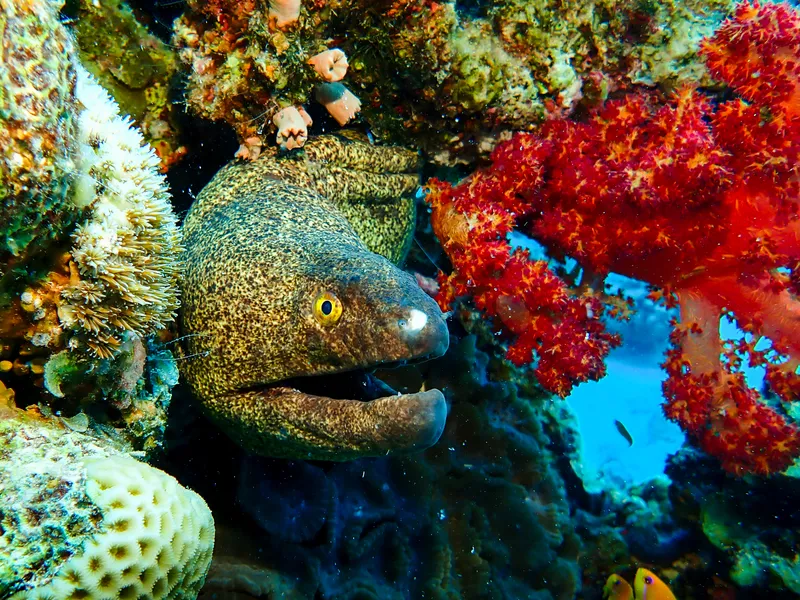
The Red Sea offers a powerful example of this potential in action. Its coral reefs are among the most resilient in the world, showing remarkable tolerance to warming temperatures that have devastated reefs elsewhere. These vibrant ecosystems support a thriving fishing industry that feeds coastal communities throughout Egypt, Sudan, and Saudi Arabia. With proper management and protection from overfishing, the Red Sea's reefs could become a model for sustainable reef-based fisheries - demonstrating how healthy coral systems can provide both ecological stability and food security for generations to come. The region's reefs already support hundreds of fish species, many endemic to the Red Sea, making conservation efforts here critical not just for local communities but for global marine biodiversity.
So, what do you say we give these reefs the chance they deserve? By easing up on overfishing and backing restoration, we could turn coral reefs into a reliable source of nutritious meals for generations - win-win for oceans and our plates!
References
PADI Divemaster and underwater storyteller with over 7 years of hands-on Red Sea diving experience, documenting marine life, mapping dive sites, and promoting responsible ocean conservation.