How Coral Reefs Have Regulated Earth's Climate for 250 Million Years

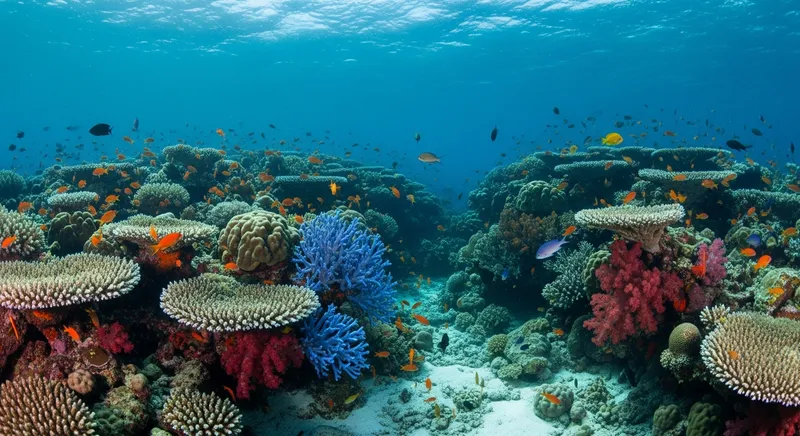
Imagine coral reefs not just as colorful underwater cities buzzing with fish, but as the planet's secret weapon for keeping the carbon cycle in check. For over 250 million years, these vibrant ecosystems have actively shaped how Earth bounces back from carbon spikes, like those from massive volcanic eruptions[1][2][3]. Scientists from the University of Sydney and Université Grenoble Alpes just dropped this mind-blowing insight, showing reefs aren't passive bystanders - they're regulators flipping the switch on climate recovery[1][3].
The Two "Modes" That Make Earth Tick
Picture Earth's carbon system like a DJ booth with two tracks, and coral reefs control the mixer. In the first mode, when tropical shelves - those wide, shallow coastal zones - are expansive and reefs are thriving, things slow down[1][2][3]. Here's why: Reefs crank out calcium carbonate (the stuff that builds their skeletons) right there in the shallows. This locks up calcium and alkalinity, making the ocean less able to absorb extra CO2 from the air. The "biological pump" - where tiny ocean critters pull carbon deep down - gets weakened, so recovery from a carbon overload can drag on for hundreds of thousands of years[1][2].
Flip to the second mode, and it's party time for recovery. When tectonics shift, sea levels drop, or climate changes shrink reef habitats, the magic happens in the deep ocean[1][3]. Calcium and alkalinity build up there, supercharging the ocean's alkalinity. Suddenly, it slurps up CO2 faster, boosting nanoplankton (those microscopic plankton with tiny shells). This revs up the biological pump, speeding climate recovery and even sparking plankton evolution booms - fossil records show new plankton species exploding right when reefs took a hit[1][2][3].
- Reef-dominant mode: Shallow buildup slows carbon drawdown, climate recovery crawls[2].
- Reef-collapse mode: Deep ocean alkalinity surges, pump strengthens, recovery races ahead[1][3].
Reefs: Shaping Life, Ocean Chemistry, and Climate Beats
These flips aren't just chemical tricks - they've rewritten marine history. When reefs ruled, open-ocean nutrients dipped, slowing plankton evolution. But reef downturns? That's when plankton partied, altering ocean chemistry and amplifying the carbon cycle's rhythm[1][2]. Lead researcher Tristan Salles puts it perfectly: "Reefs didn’t just respond to climate change - they helped set the tempo of recovery[1]." Co-author Laurent Husson adds that these switches "profoundly alter the biogeochemical equilibrium," with plankton expansions syncing perfectly to reef slumps[1][3].
It's like reefs have been the planet's pacemaker, stabilizing long-term climate while influencing biodiversity hotspots[1].
What This Means for Our Reefs Today
Fast-forward to now, and it's a wake-up call. Our reefs are shrinking fast from warming waters and acidification[3]. If history repeats, this collapse could shift carbonate burial to the deep sea, potentially ramping up CO2 absorption - like that speedy recovery mode[1][2]. But it's no free pass; losing reefs threatens biodiversity and the whole ocean balance. Protecting them isn't just about pretty fish - it's about keeping Earth's climate metronome ticking[3].
Next time you're snorkeling or watching a reef doc, think: these aren't just pretty - they're ancient climate heroes keeping our world steady[1]. Wild, right?
References
PADI Divemaster and underwater storyteller with over 7 years of hands-on Red Sea diving experience, documenting marine life, mapping dive sites, and promoting responsible ocean conservation.