Red Sea Endemic Species: A Guide to Photographing Unique Marine Life Found Nowhere Else

The Red Sea's Exclusive Underwater Gallery
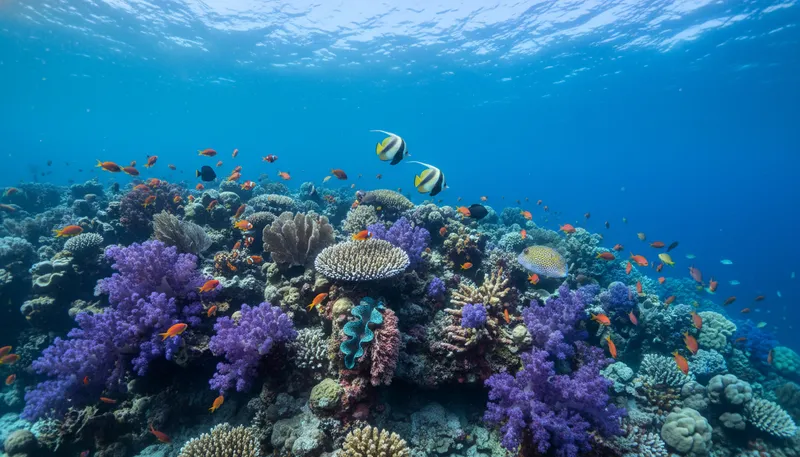
The Red Sea stands as one of the world's most extraordinary marine destinations, home to a living museum of species that exist nowhere else on Earth. With over 1,200 species of fish inhabiting these waters, approximately 15 percent are endemic - creatures found exclusively in this remarkable body of water[8]. For scuba divers, marine biologists, and underwater photographers, the Red Sea represents an unparalleled opportunity to encounter and document species that have evolved in isolation, creating a unique ecological treasure trove[6].
The high biodiversity of the Red Sea stems from its vast coral reef systems, unique geographical features, and distinct environmental conditions. Fish in these waters have adapted to high temperatures and salinity levels that exceed those of other seas, resulting in species that are found nowhere else in the world[2]. This combination of factors has made the Red Sea a bucket-list destination for anyone serious about marine photography and conservation.
Understanding Red Sea Endemism
Endemic species are organisms that have naturally evolved to inhabit a specific geographic area and are not found anywhere else in the wild. In the Red Sea, approximately 165 of the 1,120 coastal fish species are endemic[8], representing roughly 15 percent of the region's fish population[2]. This high endemism rate makes the Red Sea biologically significant and creates opportunities for photographers to capture subjects that cannot be found in any other ocean.
The isolation of the Red Sea from other major marine ecosystems, combined with its distinctive water chemistry and temperature ranges, has driven the evolution of specialized species over millions of years. For photographers and researchers, this means that a single dive in the Red Sea could yield images of creatures that few people have ever documented in their natural habitat.
Five Must-Photograph Endemic Species
For underwater photographers planning expeditions to the Red Sea, certain endemic species have become iconic subjects. The following five species represent some of the most visually stunning and photographically rewarding endemic inhabitants[3]:
Masked Butterfly Fish: With its distinctive facial markings and vibrant coloration, this species offers excellent opportunities for close-up photography and behavioral documentation[3].

Springer's Dottyback: Known for its striking colors and relatively small size, this species thrives in the Red Sea's coral crevices and provides dramatic photographic subjects when properly lit[3].
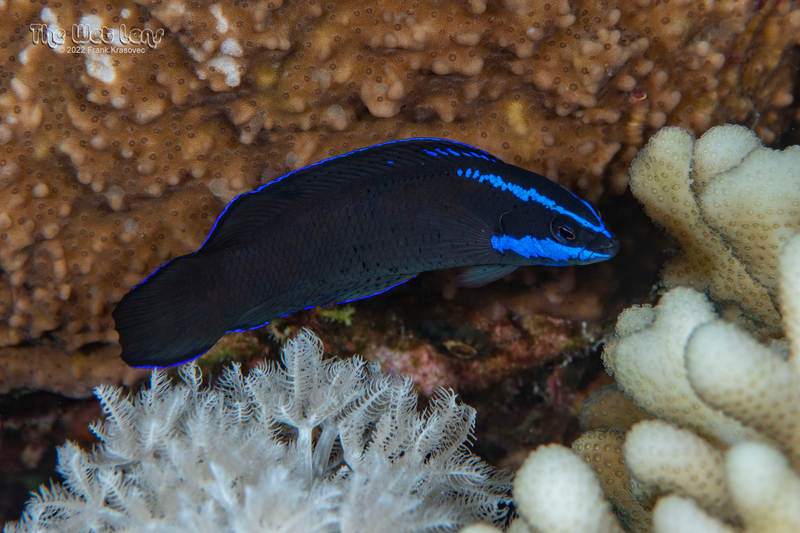
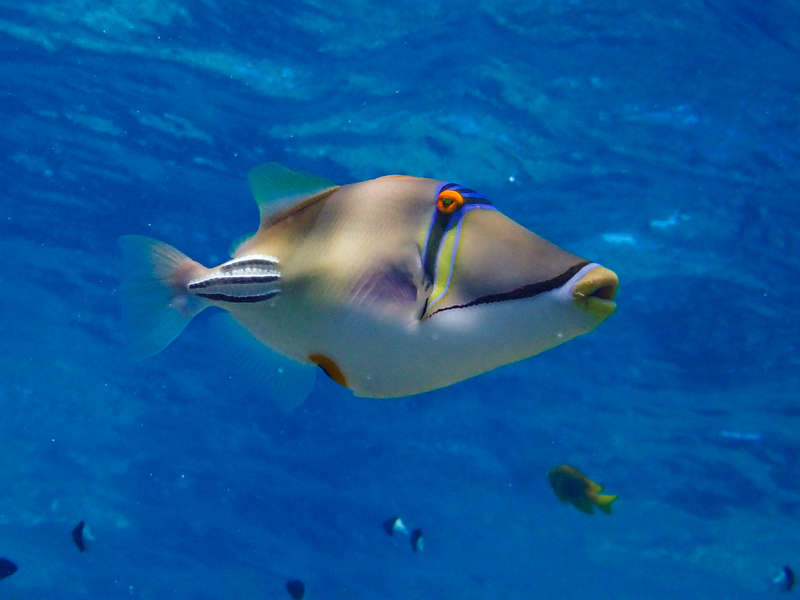
Picasso Triggerfish: Perhaps the most visually captivating endemic species, the Picasso Triggerfish displays an abstract pattern of vibrant blues, yellows, blacks, and whites that resemble brushstrokes on a modernist painting[5]. This lagoon triggerfish inhabits shallow reefs and lagoons, making it accessible to both recreational and professional photographers.
Red Sea Pipefish: This slender, delicate species offers unique compositional opportunities for macro and wide-angle photography, often found among seagrass and coral structures[3].

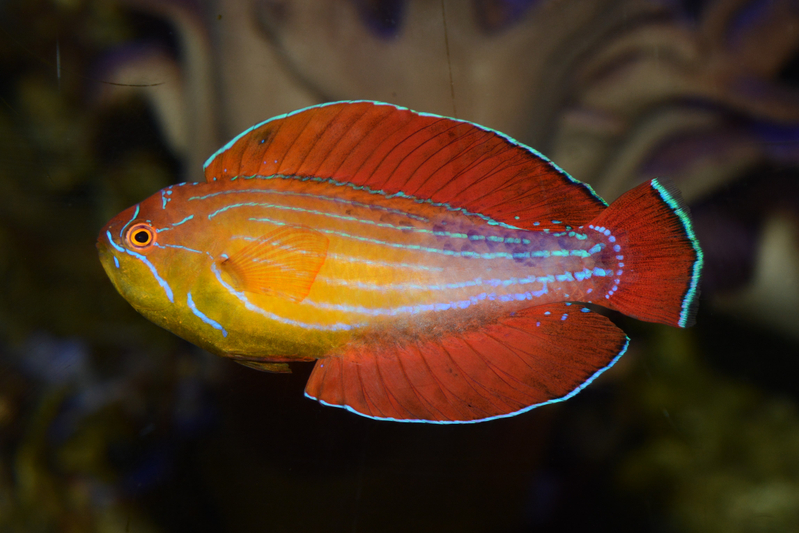
Red Sea Flasher Wrasse: Named for its ability to rapidly change colors, this wrasse provides dynamic and challenging photographic opportunities as it displays its brilliant hues during courtship and territorial behaviors[3].
The Broader Endemic Ecosystem
Beyond these five standout species, the Red Sea harbors numerous other endemic and near-endemic species worth documenting. The families with the greatest number of species in the Red Sea include Gobiidae (139 species), Labridae (65 species), Apogonidae (60 species), Serranidae (41 species), and Blenniidae (40 species)[1]. This extraordinary diversity means that photographers can focus on specific taxonomic groups or explore the full spectrum of colors and morphologies available in the region.
The vivid colors of Red Sea fish are enhanced by the region's clear waters and abundant coral reefs, which provide both shelter and food sources[2]. For photographers, this clarity and color saturation create ideal conditions for capturing stunning imagery. The intricate patterns and bold coloration of endemic species like the Sohal Surgeonfish, Arabian Angelfish, and Moorish Idol provide endless compositional possibilities[5].
Practical Photography Guidelines for Endemic Species
Lighting Considerations: The clear waters of the Red Sea offer excellent natural light penetration, allowing photographers to use ambient light effectively. However, using fill flash or video lights can bring out the true colors of endemic species, which often display subtle hues that appear muted without supplemental lighting.
Macro vs. Wide-Angle: Endemic species in the Red Sea range from tiny pipefish and gobies to larger wrasses and triggerfish. Photographers should bring both macro and wide-angle capabilities to capture the diversity of endemic life. Species like Springer's Dottyback and the Red Sea Pipefish reward macro photography, while larger endemic species and their reef habitats benefit from wider perspectives.
Behavioral Photography: Many endemic species display unique behaviors that are rarely documented. The Flasher Wrasse's color-changing displays and the Picasso Triggerfish's territorial interactions offer opportunities for behavioral documentation that goes beyond simple portraiture[5].
Environmental Context: The best wildlife photography tells a story about the creature and its habitat. Capturing endemic species within their coral reef environments provides context and demonstrates their ecological role.
Diving Locations for Endemic Species Photography
While endemic species are distributed throughout the Red Sea, certain locations are known for higher concentrations of specific endemic species. Shallow lagoons and coral reef systems along the mainland coast offer excellent opportunities for encountering endemic species in accessible depths. Sites like Hurghada to Marsa Alam are known for diverse endemic populations and provide opportunities for both recreational and professional divers[6].
The offshore islands and deeper reef sites present additional opportunities for encountering pelagic endemic species and less-disturbed reef ecosystems. Planning dives across multiple depth ranges and locations maximizes the diversity of endemic species a photographer can encounter.
Conservation Through Photography
Underwater photography of endemic species serves an important conservation function. High-quality images document biodiversity, raise awareness about marine conservation, and contribute to scientific understanding of these unique species. For photographers working in the Red Sea, every image of an endemic species is a contribution to the global knowledge base about these irreplaceable creatures.
Given that over 10 percent of Red Sea fish are endemic, the region's marine ecosystem is particularly vulnerable to environmental pressures. Photography that documents the beauty and uniqueness of these species can inspire conservation efforts and support marine protection initiatives.
Conclusion: An Unmatched Photography Destination
The Red Sea offers underwater photographers an extraordinary opportunity to document species found nowhere else on Earth. With approximately 165 endemic fish species inhabiting these waters[8], combined with crystal-clear visibility and vibrant coral reef ecosystems, the region provides an unparalleled setting for capturing unique marine life. Whether you're a professional underwater photographer, a scuba diving enthusiast, or a marine biologist documenting biodiversity, the Red Sea's endemic species represent some of the most rewarding photographic subjects available in the world's oceans.
Planning a photography-focused expedition to the Red Sea, equipped with both macro and wide-angle capabilities and knowledge of endemic species behavior and habitats, will result in images that not only capture the beauty of these creatures but also contribute to our understanding and appreciation of one of Earth's most remarkable marine environments.
References
PADI Divemaster and underwater storyteller with over 7 years of hands-on Red Sea diving experience, documenting marine life, mapping dive sites, and promoting responsible ocean conservation.