The Colorful World of Nudibranchs: A Macro Photographer's Dream


If you’ve ever peered beneath the waves, you’ve likely encountered a world teeming with life, color, and mystery. Among the most captivating inhabitants of this underwater realm are nudibranchs - tiny, shell-less mollusks that have earned the nickname “Jewels of the Ocean.” For macro photographers and divers alike, nudibranchs are nothing short of a dream subject, offering a kaleidoscope of colors, shapes, and behaviors that never fail to amaze.

What Makes Nudibranchs So Special?
Nudibranchs, often called sea slugs, are renowned for their extraordinary colors and striking forms. With over 2,500 described species, these soft-bodied creatures inhabit oceans from the poles to the tropics, thriving in both shallow reefs and deep-sea environments. Their name, derived from Greek and Latin words meaning “naked gill,” refers to their exposed gills, which are often arranged in beautiful, feather-like plumes or clusters along their backs. Unlike most snails, nudibranchs shed their shells as larvae, relying instead on other defense mechanisms to survive.
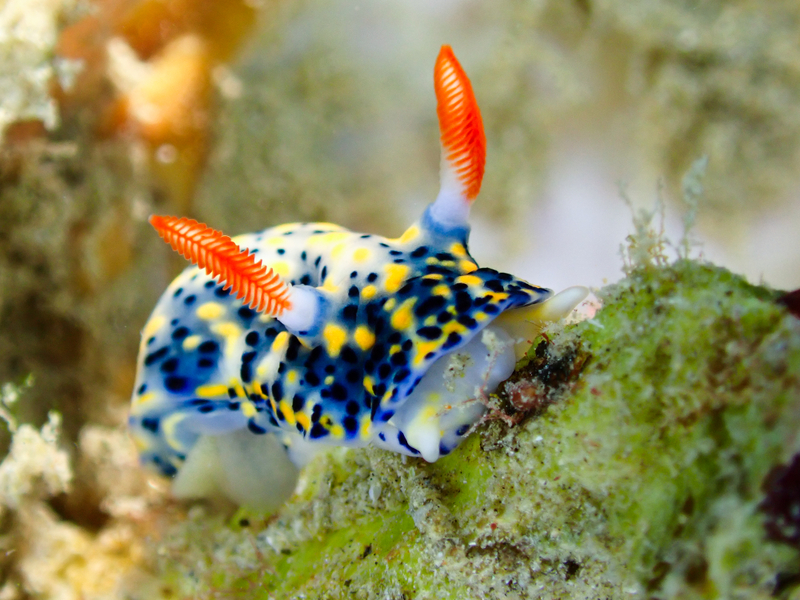
Colors That Warn and Camouflage
The vivid hues of nudibranchs are more than just eye candy - they serve a vital purpose. Many species are aposematic, meaning their bright colors act as a warning to predators that they are distasteful or even toxic. These colors advertise the presence of chemical defenses, which nudibranchs often acquire from their prey, such as sponges and corals. Some nudibranchs can even store and reuse stinging cells from their meals, turning their own bodies into a defensive arsenal.
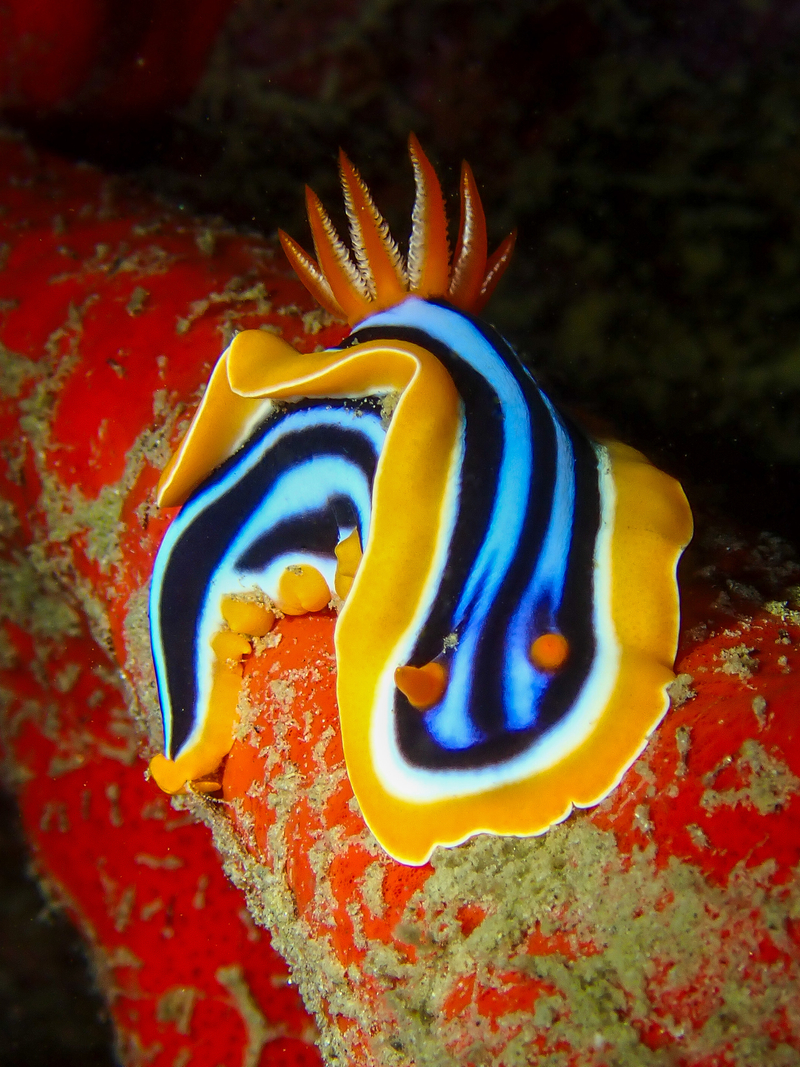
Yet not all nudibranchs rely on flamboyant colors. Some species have evolved cryptic patterns and shapes that allow them to blend seamlessly into their surroundings, making them masters of camouflage. This diversity in coloration and form means that every dive offers the chance to discover something new and unexpected.
Why Nudibranchs Are a Macro Photographer's Delight
For underwater photographers, nudibranchs are the ultimate macro subject. Their small size (often just a few centimeters long) and intricate details make them perfect for close-up shots. The challenge lies in capturing their vibrant colors and unique textures, often against complex backgrounds. Patience and a steady hand are key, as nudibranchs move slowly and can be easily startled.
- Use a macro lens to highlight the delicate structures of their gills, rhinophores, and cerata.
- Experiment with different lighting to bring out the iridescence and contrast in their colors.
- Look for nudibranchs in their natural habitats, such as coral reefs, rocky outcrops, or seagrass beds, to add context to your shots.
- Be mindful of your surroundings and avoid disturbing the delicate ecosystems where nudibranchs live.
Tips for Divers and Photographers
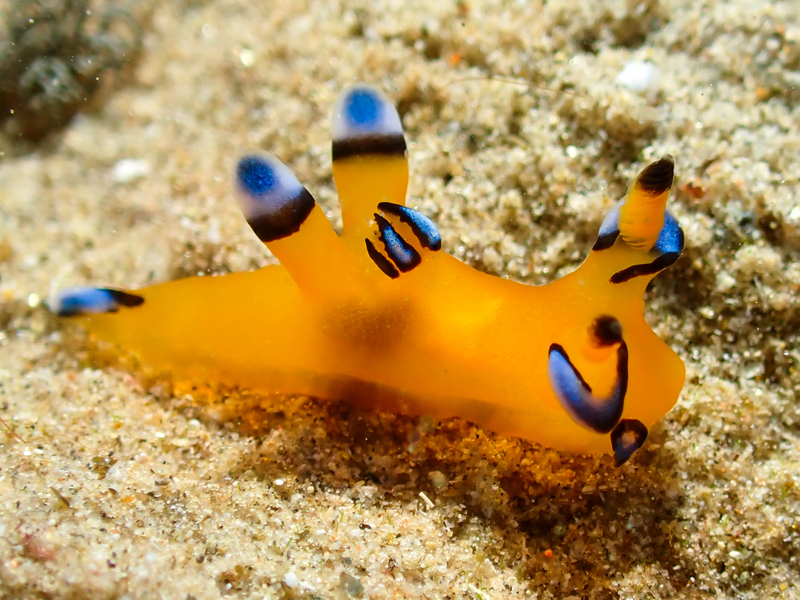
When searching for nudibranchs, slow down and take your time. These creatures are often found in hidden nooks and crannies, so a careful eye is essential. Many divers and photographers keep a log of the species they encounter, noting their colors, shapes, and behaviors. Sharing your discoveries with local dive communities or citizen science projects can also contribute to our understanding of these fascinating animals.
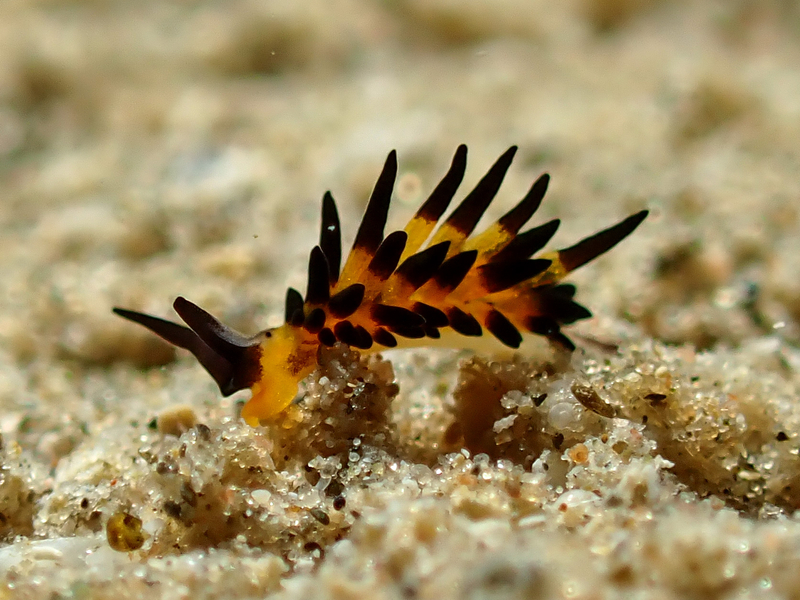
Whether you’re a seasoned macro photographer or a curious diver, the world of nudibranchs offers endless opportunities for exploration and inspiration. So grab your camera, dive in, and let the colors of the ocean guide you to the next underwater treasure.
PADI Divemaster and underwater storyteller with over 7 years of hands-on Red Sea diving experience, documenting marine life, mapping dive sites, and promoting responsible ocean conservation.