5 Mind-Blowing Moray Eel Facts That Prove They're Cool, Not Scary

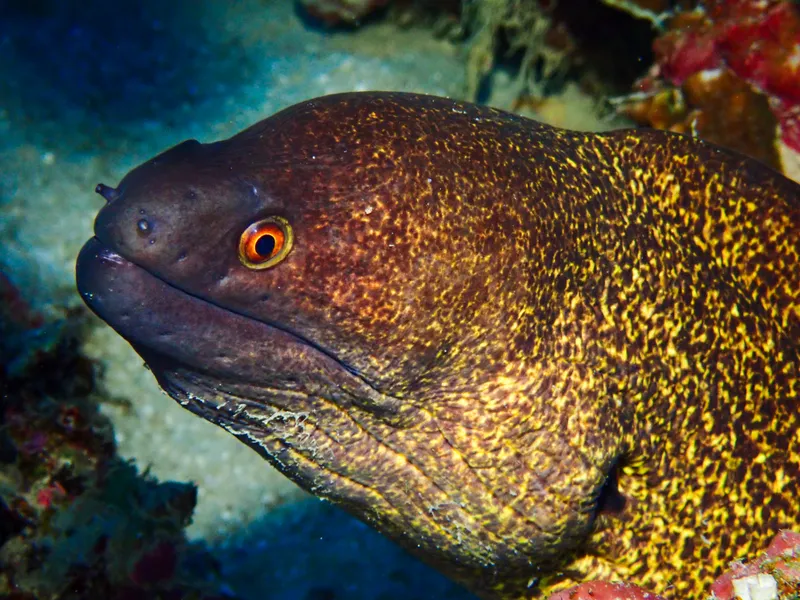
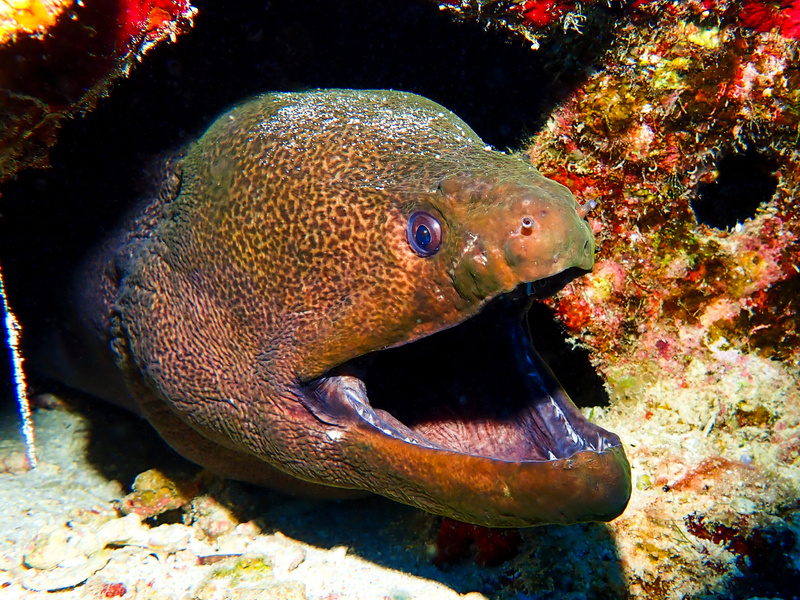
Picture this: you're diving in a vibrant coral reef, and suddenly this snake-like head pokes out from a crack, jaws gaping wide. That's a moray eel - one of the ocean's most mysterious predators. These guys aren't just scary-looking; they're fascinating survivors with some wild tricks up their slimy sleeves. Let me break it down for you like we're chatting over coffee.
Where Do They Hang Out?
Morays are all about those warm, tropical vibes. Most species chill in coral reefs, rocky crevices, and underwater caves across the world's oceans - from the Indo-Pacific to the Caribbean and even parts of the Atlantic like the Bahamas and Florida Keys[1][2][4][6]. A few tough ones, like the freshwater moray (Gymnothorax polyuranodon), dip into brackish rivers or coastal areas, but they're rare[2][3]. They love hiding in complex reef structures at depths from shallow tidal zones to 30 meters or more, always with multiple escape routes ready[1][5]. It's like their personal fortress, perfect for ambush hunting.
What Makes Them Built Like Underwater Ninjas?
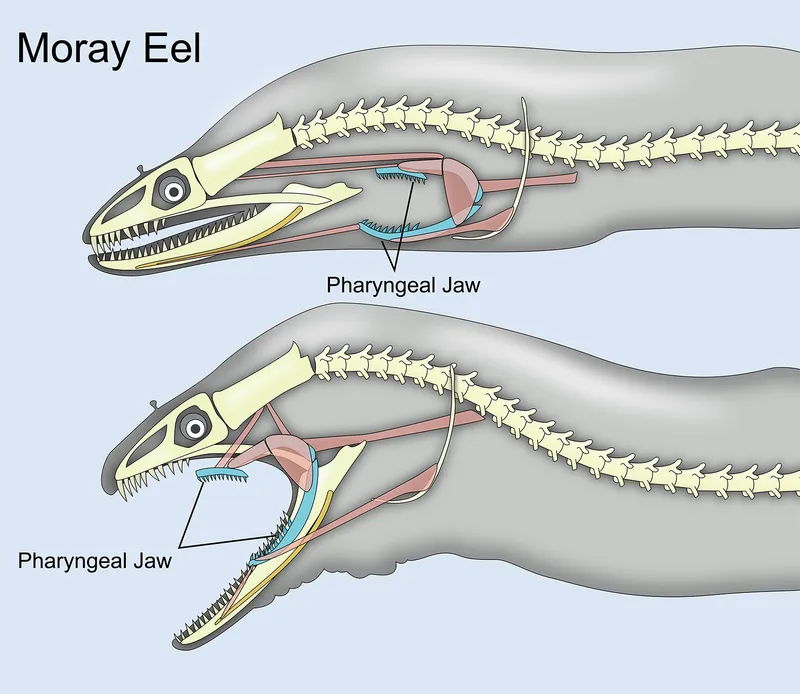
These eels come in all sizes - some tiny reef-dwellers max out at 60-70 cm, while giants like the green moray stretch up to 8 feet long and 65 pounds[1][3][7]. No fancy gill covers here; instead, they pump water in and out of their mouths to breathe, which is why their jaws are always chomping open and shut[5]. They've got a secret weapon: pharyngeal jaws inside their throats that shoot out to grab prey and yank it back[1]. Plus, their skin's coated in toxic mucus for defense, and they're super flexible for squeezing into the tiniest holes[1]. Oh, and that fierce look? Poor eyesight means they rely on an killer sense of smell to sniff out dinner[5].
How Do They Hunt and Live?
Morays are mostly nocturnal loners, territorial but chill if you don't bug them[1][4][5][7]. By day, they poke their heads out from hiding spots; at night, they slink out for opportunistic feasts on fish, crabs, shrimp, octopuses, and squid[1][4][5][7]. Ever seen one knot itself around big prey to tear it apart? Yeah, that's a moray move[4]. Super cool: they sometimes team up with groupers for "hunting partnerships," flushing out fish from crevices[1].
Baby Eels and the Circle of Life
Reproduction's a mystery since they're so sneaky about it, but here's the gist: females lay eggs that hatch into transparent, ribbon-like leptocephalus larvae[2][3][4]. These tiny drifters float in ocean currents for up to a year, munching plankton before transforming into juveniles on reefs[2][3]. No parental care - just survival of the fittest. As grown-ups, they keep reef ecosystems balanced by controlling smaller critters, acting as key apex or mesopredators[1][3].
Are They Dangerous? And What's the Deal with Conservation?
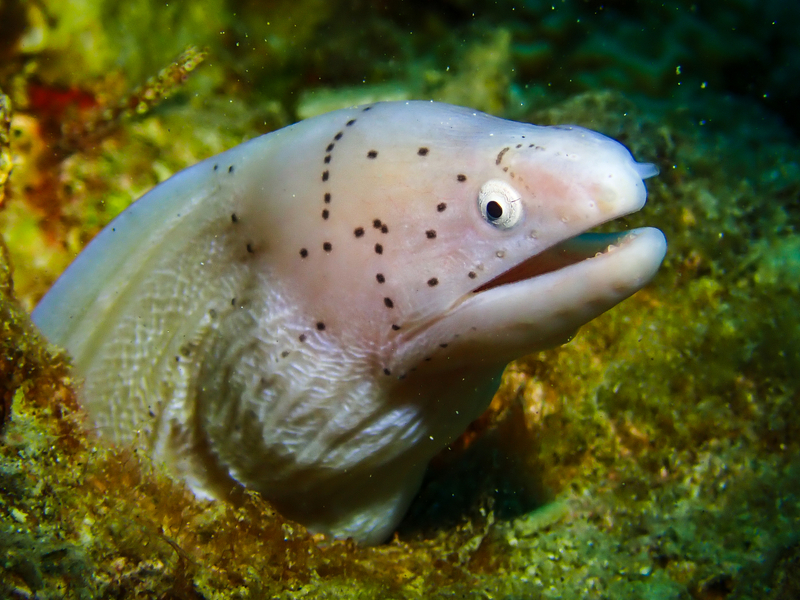
Don't sweat it - morays rarely attack humans unless provoked, despite their bad rep (think sea serpent myths)[4][7][8]. They're curious more than aggressive, especially if you keep your distance[5]. Not threatened yet, but coral bleaching from warming oceans and overfishing hit their homes hard[1][4]. Marine sanctuaries and smart fishing help protect these reef guardians[1].

Next time you're near a reef, keep an eye out for those gaping mouths - they're not monsters, just essential weirdos keeping the ocean in check. Dive in and say hi (from afar)!
References
PADI Divemaster and underwater storyteller with over 7 years of hands-on Red Sea diving experience, documenting marine life, mapping dive sites, and promoting responsible ocean conservation.