Kshamenk’s Last Breath: The Orca Who Spent 33 Years in a 12‑Meter Tank and Reignited the Debate on Captivity

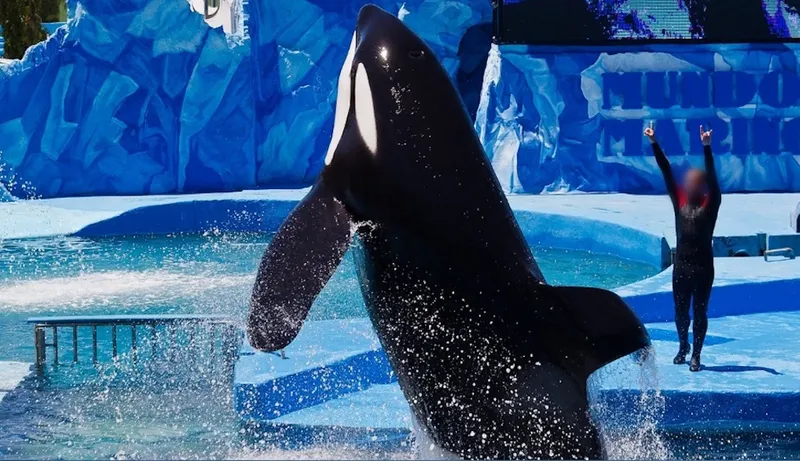
The Heartbreaking Story of Kshamenk: Argentina's Last Captive Orca
Imagine a young orca calf, full of life, suddenly ripped from his family and the vast ocean, only to spend the next 33 years circling a tiny concrete tank. That's the tragic reality for Kshamenk, Argentina's last captive killer whale, who passed away on December 14, 2025, at the age of 37. He deserved so much better - freedom, family, and the endless waves of his home waters.[1][3]
A "Rescue" That Changed Everything
Back in September 1992, things took a dark turn in Samborombón Bay, off Argentina's Atlantic coast. A pod of transient orcas - expert hunters chasing seals - got stuck in the shallows. What happened next is hotly debated. Some call it a heroic rescue; others suspect the orcas were deliberately stranded to be captured. Out of four orcas involved, only little Kshamenk, about four years old, survived. Weak, alone, and separated from his pod, he was whisked away to Mundo Marino aquarium in San Clemente del Tuyú.[3]
There, he met Belén, another captive orca who'd been "rescued" years earlier. For a brief time, they shared a tank. But Belén died in 2000 at just 13 years old, shortly after losing her own calf. From that moment, Kshamenk was utterly alone - no other orcas, just some bottlenose dolphins for company. Orcas are among the most social creatures on the planet, living in tight family pods, communicating with unique dialects, and traveling hundreds of miles together. His world? A stark 12-meter concrete pool.[1][3]
Years of Isolation and Silent Suffering
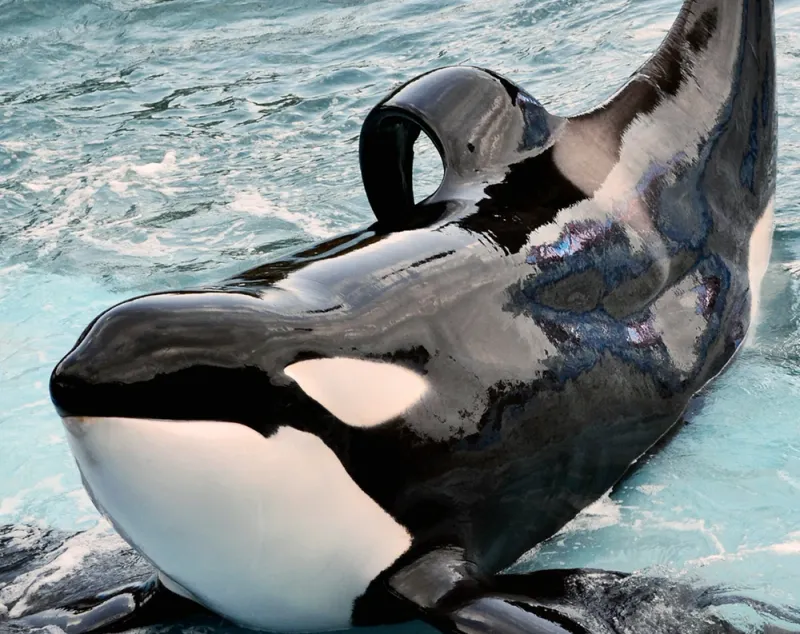
Picture this: a massive, intelligent animal - orcas have bigger brains than almost any other marine mammal - drifting motionless at the surface, eyes dull, body wasting away. That's what activists captured on video year after year. Experts call it "psychological distress," a heartbreaking sign of boredom, loneliness, and captivity's toll. Kshamenk lost weight, showed health declines, and floated listlessly, a shadow of the powerful predator he was born to be.[1]
In the wild, he'd have grown old hunting with his family, diving deep, and choosing his path. Instead, inactivity eroded his strength. Animal welfare groups like Dolphin Project and UrgentSeas begged for his move to a seaside sanctuary near his native waters - a place with sea pens, real waves, and maybe even familiar pod calls. But authorities insisted he couldn't survive without humans. Efforts failed, one after another. He became "the forgotten orca."[3]
- Social isolation: No pod mates after Belén's death in 2000 - 25 years solo among dolphins.[1]
- Tiny space: Confined to a tank that could never mimic ocean vastness.[3]
- Health red flags: Weight loss, inactivity, and distress behaviors like floating motionless.[1]
A Death That Sparks Real Change?
Kshamenk's passing has unleashed a wave of grief and fury. PETA didn't hold back: "His life was a sentence of loneliness and exploitation. No tank can replace the ocean." UrgentSeas echoed the pain on Instagram: "We fought for his release from those tiny tanks. He deserved better." Animal Save Movement called it "the inevitable outcome of captivity" - a powerful being reduced to a show for tourists.[1]
This isn't just one orca's story; it's a glaring spotlight on marine captivity. Orcas thrive on complex bonds and epic migrations - things no aquarium can provide. Kshamenk's 37 years remind us: should we ever cage such magnificent, sentient beings? His death might finally tip the scales toward sanctuaries and retirement for the last captives. He couldn't choose freedom, but maybe his legacy will let others swim free.
Next time you're by the sea, listen to the waves. Think of Kshamenk - and the pods still out there, living as nature intended.
References
PADI Divemaster and underwater storyteller with over 7 years of hands-on Red Sea diving experience, documenting marine life, mapping dive sites, and promoting responsible ocean conservation.