Giant Manta Ray First of Its Kind to Be Officially Listed as Endangered

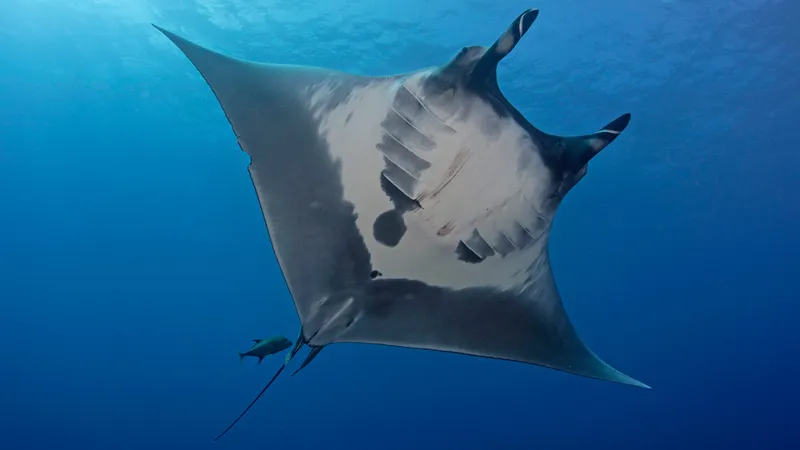
Picture this: gliding through the ocean like a massive, graceful kite, the giant manta ray - also known as the oceanic manta (Mobula birostris) - is one of the ocean's true gentle giants. But lately, scientists have hit the alarm button because this incredible creature is facing some serious threats, with its conservation status getting worse around the world, including right here in places like New Zealand.
From "We Don't Know" to "We're Worried"
These majestic rays used to fly under the radar - literally listed as "Data Deficient" because we just didn't have enough info on them. But no more. Globally, the International Union for the Conservation of Nature (IUCN) has now bumped the giant manta up to Endangered status, the first manta species to hit that critical level[2][7][8]. It's a huge red flag, joining over 16,000 other species in dire straits, and shockingly, about 30% of all sharks and rays are now threatened with extinction[2].
In New Zealand, the story's just as urgent. A fresh report from December 2025 reassessed 113 species of chimaeras, sharks, and rays, and manta rays jumped to Threatened - Nationally Vulnerable[1][5]. Experts like Dr. Karen Middlemiss from DOC say these curious, super-smart swimmers - estimated at just a few thousand around NZ - need way more study on their population size, age groups, and how they connect with Pacific neighbors[1][5].
What's Putting These Gentle Giants at Risk?
It's mostly us humans, sadly. The big killer? Fishing. Targeted hunts for their gill plates - used in some Asian markets for bogus health tonics - have exploded over the last 20 years, wiping out populations worldwide[2][6]. Small-scale fisheries snag over 87% of them, with hundreds of thousands caught yearly[6]. Bycatch in places like northern Peru adds to the toll, where they're accidentally hooked in local nets[4].
- Boat strikes and scars: Around 30% of mantas photographed in NZ show injuries from boats or human junk[1].
- Plastic pollution: These filter-feeders slurp up tiny plankton - and unfortunately, bits of plastic too.
- Habitat squeeze: Coastal development and pollution mess with their cleaning stations and hangouts[3].
Fun fact to lighten the mood: mantas can leap right out of the water in epic breaches! Maybe they're shaking off parasites, flirting, or just chatting with friends - who knows?[3]
Glimmers of Hope and What We Can Do
Not all news is grim. In NZ, better data and fishing closures around ridges like Kermadec have helped some deep-sea oddballs like frill sharks improve their status[1][5]. Globally, efforts like satellite tracking, photo-ID, and partnerships (shoutout to DOC, Manta Watch NZ, and Conservation International) are filling knowledge gaps[1]. In Peru, fisher-led monitoring and eco-tourism are cutting bycatch and boosting local buy-in[4]. NOAA lists them as threatened under the Endangered Species Act, and CITES talks could ban international trade in their parts[6][7].
Here's the cool part - you can help! Snap photos as a citizen scientist, support #SaveTheMantas campaigns, or push for protections. These slow-growing, low-birth-rate rays (think one pup every couple years) can't bounce back fast, so every action counts. Let's keep these ocean superstars soaring free!
References
PADI Divemaster and underwater storyteller with over 7 years of hands-on Red Sea diving experience, documenting marine life, mapping dive sites, and promoting responsible ocean conservation.