Mineral vs. Chemical: A Marine Biologist's Guide to Choosing Reef-Safe Sunscreen

As stewards of the ocean, marine biologists, scuba divers, underwater photographers, and marine enthusiasts all share a keen interest in protecting delicate coral reef ecosystems. One often overlooked, yet critical, way to help preserve these vibrant underwater worlds is by choosing the right sunscreen - specifically, a reef-safe sunscreen. Understanding the fundamental differences between mineral and chemical sunscreens, and how their ingredients interact with marine life, is essential for anyone venturing into ocean environments.
Understanding Sunscreen Types: Mineral vs. Chemical
Sunscreens broadly fall into two categories based on their active UV-blocking ingredients: mineral (physical) and chemical (organic) sunscreens.
- Chemical Sunscreens contain organic compounds like oxybenzone, octinoxate, avobenzone, and octocrylene. These molecules absorb UV radiation, converting it into heat to prevent skin damage. While this may sound effective, these chemicals have been shown to dissolve in ocean water and bioaccumulate in marine organisms, triggering coral bleaching, abnormal coral growth, and toxicity to a variety of reef life forms. Due to these impacts, some popular beach destinations have banned chemical sunscreen ingredients such as oxybenzone and octinoxate to protect fragile coral reefs[1][5][6].
- Mineral Sunscreens use inorganic compounds - mainly zinc oxide and titanium dioxide - to protect skin by physically reflecting and scattering UV rays. When formulated properly, especially with non-nano-sized particles (particles larger than 100 nanometers), mineral sunscreens do not penetrate the skin or dissolve easily in ocean waters, significantly reducing environmental risks. This makes mineral sunscreens generally considered reef safe[1][2][5].
What Makes a Sunscreen Truly Reef Safe?
The term "reef safe" is not regulated by any official body, and definitions vary. However, there is strong consensus among marine scientists and dermatologists about key criteria for identifying reef-safe sunscreens:
- Free from harmful chemical UV filters: Avoid sunscreens containing oxybenzone, octinoxate, octocrylene, homosalate, and other chemical blockers known to harm coral reefs and marine ecosystems[1][5][6].
- Use non-nano mineral ingredients: Look for "non-nano" zinc oxide or titanium dioxide. Nano-sized particles can penetrate marine life cells and potentially cause harm, whereas non-nano particles sit on the skin surface and do not easily wash off[1][2][5].
- Minimal harmful inactive ingredients: Many products labeled "reef safe" may still contain silicones, parabens, phthalates, or UV stabilizers such as butyloctyl salicylate, which have raised environmental concerns. Reading the full ingredient list carefully is vital to avoid these additives[1][7][8].
Considerations for Scuba Divers and Underwater Photographers
For scuba divers and underwater photographers, choosing the right sunscreen is doubly important. Aside from environmental impact, the sunscreen must offer reliable broad-spectrum protection to prevent sunburn and skin damage caused by intense sunlight at the surface or during boat transfers. Mineral sunscreens with non-nano zinc oxide typically provide broad-spectrum UV protection without irritating sensitive skin, which is a plus when diving in saltwater[4][6].
Additionally, many mineral sunscreens have a matte or sheer finish that minimizes white residue, which can be beneficial for underwater photographers aiming to maintain a low profile and reduce light reflection. However, it is important to be aware that some mineral sunscreens with nanoparticles improve cosmetic appearance but may compromise reef safety[1][4][5].
The Environmental Impact: Why Your Choice Matters
Coral reefs are among the most biologically diverse ecosystems on the planet, but they are highly sensitive to chemical pollutants. Studies demonstrate that even tiny concentrations of chemical UV filters can lead to coral bleaching, DNA damage in coral larvae, and disruptions in reef species reproduction and growth[6]. Reef-safe mineral sunscreens reduce these risks, helping maintain reef resilience in the face of climate change and other environmental pressures.
Choosing mineral sunscreens with verified non-nano particles and no harmful chemical filters is a simple but powerful step divers, marine biologists, and ocean enthusiasts can take to protect underwater habitats while still enjoying the sun safely.
Tips for Selecting and Using Reef-Safe Sunscreens
- Check ingredients carefully: Always verify that only zinc oxide or titanium dioxide appear as active ingredients and confirm they are non-nano if possible.
- Avoid products with oxybenzone, octinoxate, and similar chemicals.
- Look beyond marketing claims: Some products labeled as "mineral-only" contain chemical filters like butyloctyl salicylate. Reading ingredient lists and consulting trusted environmental resources is essential[7][8].
- Apply generously and reapply often: Even reef-safe sunscreens must be reapplied regularly during water exposure to maintain effective protection.
- Consider reef-safe clothing and hats: Using physical barriers in addition to sunscreen can further reduce chemical load in the water.
By integrating knowledge about mineral and chemical sunscreens into your ocean activities, you help ensure that coral reefs and their inhabitants thrive for generations to come.
Recommended Reef-Safe Sunscreens Available on Amazon
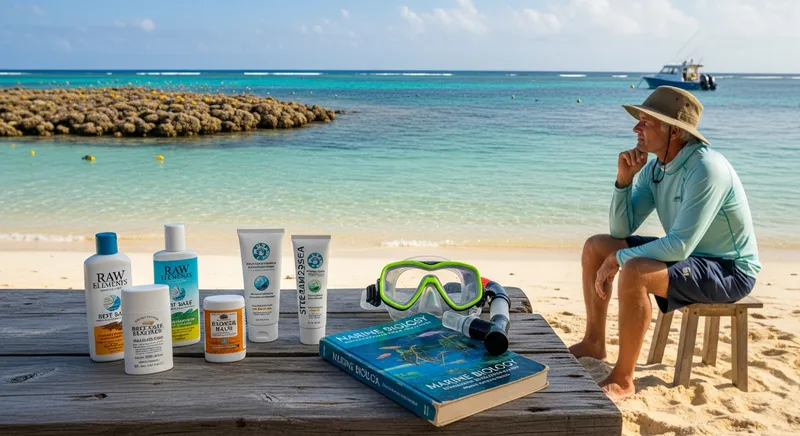
When shopping for reef-safe sunscreens on Amazon, it’s important to look for products that use non-nano zinc oxide or titanium dioxide as their sole active ingredients and avoid any chemical UV filters like oxybenzone, octinoxate, or octocrylene. Many brands now clearly label their sunscreens as “reef safe” or “ocean friendly,” but always double-check the ingredient list to ensure there are no hidden chemical additives or nanoparticles. Some popular and well-reviewed options include brands like Stream2Sea, Raw Elements, and Badger, which are formulated specifically for marine environments and have been recognized by environmental organizations for their commitment to reef safety.
- Stream2Sea SPF 45 Every Day Active Mineral Sunscreen
- Raw Elements Face and Body Mineral Sunscreen SPF 30 Tube
- Badger Mineral Sunscreen SPF 50 Zinc Oxide Sunscreen, Reef-Safe
- Biossance Squalane + Zinc Sheer Mineral Sunscreen Lotion SPF 30
For scuba divers and underwater photographers, choosing a sunscreen that offers broad-spectrum protection without leaving a heavy white cast is also important. Many reef-safe mineral sunscreens on Amazon now come in tinted or sheer formulas that blend easily into the skin, making them suitable for both surface activities and underwater adventures. Additionally, some products are water-resistant for up to 80 minutes, which is ideal for extended time in the water. Always check for certifications such as “Leaping Bunny” (cruelty-free) or “Protect Land + Sea” (environmental safety) to further ensure the product meets high standards for both skin and reef health.
References
PADI Divemaster and underwater storyteller with over 7 years of hands-on Red Sea diving experience, documenting marine life, mapping dive sites, and promoting responsible ocean conservation.