How Global Conservation Efforts Rescued the Green Turtle from the Brink of Extinction and Sparked a Remarkable Comeback

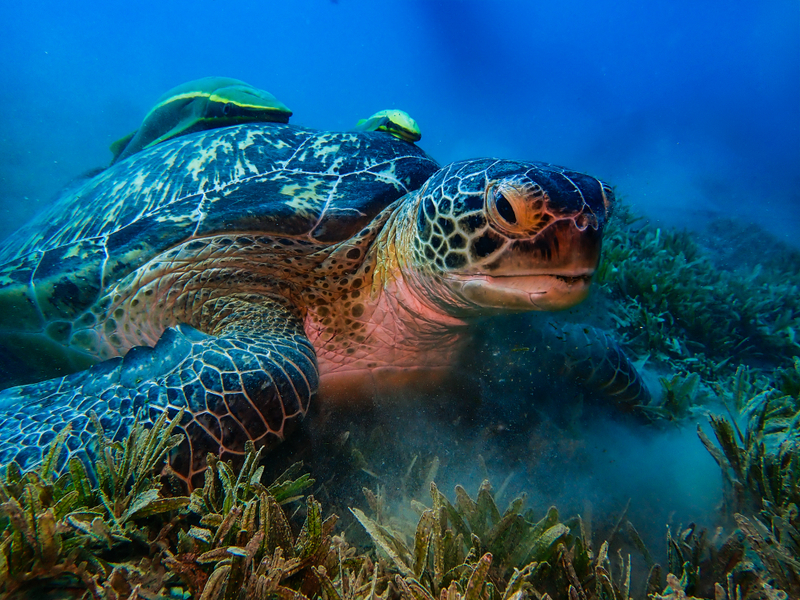
Imagine walking along a sun-drenched beach at twilight, the sand still warm beneath your feet. Suddenly, you spot a green turtle making its slow, steady trek from the ocean to lay eggs - a timeless ritual on the edge of survival. Not too long ago, this sight was becoming alarmingly rare. Green turtles, majestic creatures named for the verdant hue of their body fat, were pushed to the brink by relentless hunting, egg harvesting, and getting accidentally caught in fishing gear.
But here's the amazing part: thanks to decades of dedicated conservation efforts, these gentle giants are making a heartening comeback. Where only a handful of nests once marked the shorelines, beaches are now dotted with thousands of nests, signaling a powerful rebound and proving just how effective protecting wildlife can be.
The Struggle for Survival
Green turtles have been part of our marine ecosystems for millions of years, playing a crucial role in maintaining healthy seagrass beds and coral reefs. Unfortunately, by the 1970s and 80s, overhunting for their meat and shells, combined with the harvesting of their eggs, drove their numbers dangerously low. Accidental capture in fishing nets - known as bycatch - further reduced their populations.
This downward spiral led to their Endangered status on the IUCN Red List in 1982, raising the alarm among scientists, conservationists, and local communities around the globe.
A Win for Conservation: How Green Turtles Made a Comeback
The turning point came with a global wave of coordinated conservation action. Imagine community volunteers patrolling beaches through the night to protect nesting turtles, scientists carefully relocating nests when needed, and international laws banning hunting and egg collection. These efforts were not just isolated; countries like Mexico, Australia, Brazil, and Hawaii joined forces with local groups and NGOs, creating a worldwide safety net for green turtles.
- Protecting nesting beaches to ensure safe places for turtles to lay their eggs.
- Reducing egg harvesting through education and enforcement to boost hatchling survival.
- Minimizing bycatch by modifying fishing gear and introducing turtle excluder devices.
- Engaging communities to become stewards of their precious coastal wildlife.
Thanks to these combined efforts, recent data reveals a stunning population increase of about 28% since the 1970s. In a historic decision reflecting this success, the green turtle was moved from Endangered to Least Concern on the IUCN Red List - a rare and inspiring conservation victory[1][2][3].
More Than Just Numbers: Why Green Turtle Recovery Matters
Green turtles are more than just a species on a conservation report - they are vital engineers of marine ecosystems. By grazing on seagrass beds, they keep these underwater meadows healthy and productive, supporting a rich array of marine life. Healthy green turtle populations also help maintain coral reef ecosystems by reducing algae overgrowth, which can suffocate corals.
This recovery sends a hopeful message: when we protect key species, entire ecosystems benefit.
The Challenges Ahead: Why We Must Keep Protecting Green Turtles
Despite this remarkable comeback, the journey isn’t over. Threats like climate change, coastal development, pollution, and ongoing fishing pressures still loom large. For example, at Raine Island in Australia, one of the largest green turtle nesting sites, rising sand temperatures due to climate change have reduced hatchling survival rates. And in some places, legal turtle fisheries still operate, posing challenges to conservation gains[4][5].
Scientists and conservationists warn that it’s crucial not to become complacent. The green turtle’s new “Least Concern” status should be seen as motivation to maintain and increase protections, not to roll them back. Otherwise, the species could quickly slide back toward endangerment.
How You Can Help
Green turtles teach us a valuable lesson: persistence, community effort, and science-based solutions work. Here’s how you can be part of the story:
- Support organizations that protect sea turtles and their habitats.
- Avoid products made from turtles and raise awareness about the importance of conservation.
- Reduce plastic use to help keep oceans clean and safe for marine life.
- Participate in local beach clean-ups or turtle monitoring programs if you live near coastal areas.
Every action counts in giving these beautiful reptiles a chance to thrive for generations to come.
So next time you picture a green turtle quietly nesting on a tropical beach, remember the incredible journey they have made from the edge of extinction to a hopeful future. It’s a shining example of what happens when people come together to protect and cherish our planet’s rich marine life.
References
PADI Divemaster and underwater storyteller with over 7 years of hands-on Red Sea diving experience, documenting marine life, mapping dive sites, and promoting responsible ocean conservation.