The Dugong: Are We Saying Goodbye to the "Bride of the Sea" Soon?

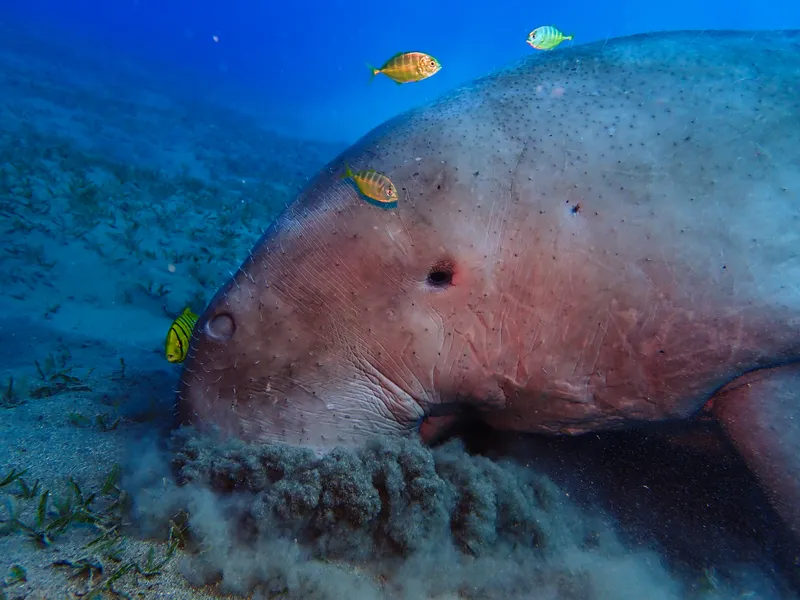
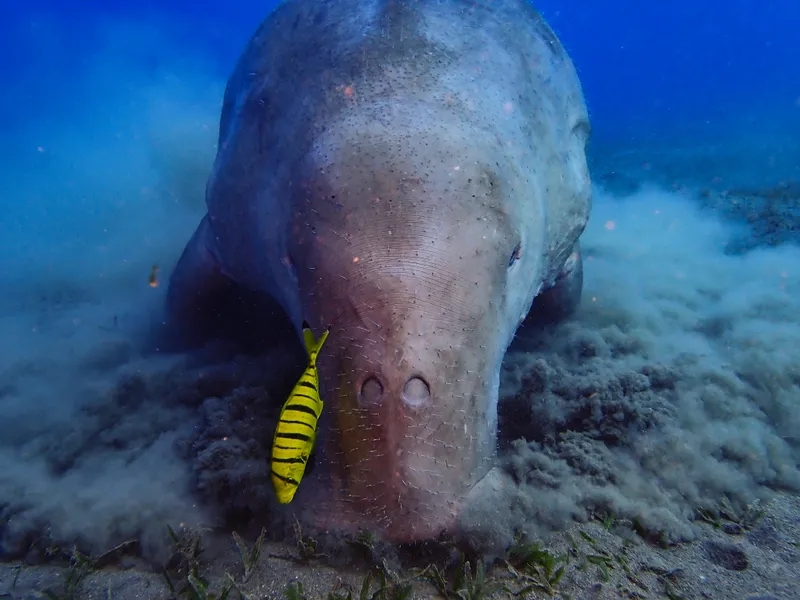
Imagine gliding through crystal-clear Red Sea waters and spotting a gentle giant munching on seagrass like a vacuum cleaner on the ocean floor. That's the dugong, our very own "sea cow" or, as some ancient sailors called it, the Bride of the Sea - maybe even the real-life inspiration behind mermaid myths. These chunky, whiskered wonders with their dolphin-like tails and paddle flippers have captivated us for centuries. But here's the heartbreaking part: this peaceful grazer might be waving goodbye for good if we don't act fast.[1][9]
Picture a creature that can live up to 70 years, singing to its calf with barks, whistles, and chirps while it rides piggyback on mom's back for the first 18 months. Dugongs aren't flashy swimmers - they cruise at a chill 10 km/h, using their broad tails to propel through shallow bays and reefs. Females give birth to just one hefty calf after a year-long pregnancy, every 3-7 years, making their populations super slow to bounce back. And get this: they devour up to 30 kg of seagrass every single day, keeping coastal ecosystems in check like living lawnmowers.[2][4][6]
Extinction Risk: A Global Crisis Across 46 Countries
Hold onto your snorkel - the dugong's home stretches across 46 countries in the Indo-West Pacific, from Australia to the Red Sea. But a bombshell report just dropped, painting a dire picture. Launched on December 21, 2024, at the Fourth Meeting of the Signatories to the Memorandum of Understanding on the Conservation and Management of Dugongs (MOS4) in Abu Dhabi, UAE, the Global Dugong Status Report 2024 warns of imminent extinction threats across huge chunks of their range.
These aren't just numbers on a page; they're real animals vanishing from bays where they've thrived for millennia. Australia's Great Barrier Reef still holds strongholds with thousands, but places like the Indian Ocean and our own Red Sea? Populations are scattered and shrinking fast - fewer than 250 in Indian waters alone.[1]

Silent Hunger: Seagrass Meadows Vanishing Before Our Eyes
Now, the real killer? Not sharks or hunters - it's a silent hunger. Seagrass meadows, the dugong's sole buffet, are disappearing at an alarming rate due to coastal development, pollution, and climate change. These meadows aren't just food; they're nurseries, carbon sinks, and homes for countless sea critters. Without them, dugongs starve, no matter how vast the ocean.[1][8]
In the Red Sea, where shallow, protected waters are dugong heaven, unregulated tourism is bulldozing these vital beds. It's like ripping up a farm and wondering why the cows are starving. Fun fact: dugongs even "sing" to locate seagrass with their super-sensitive hearing, since their eyesight is pretty lousy.[2][6]
Data Gap: 40% of Habitats in the Dark
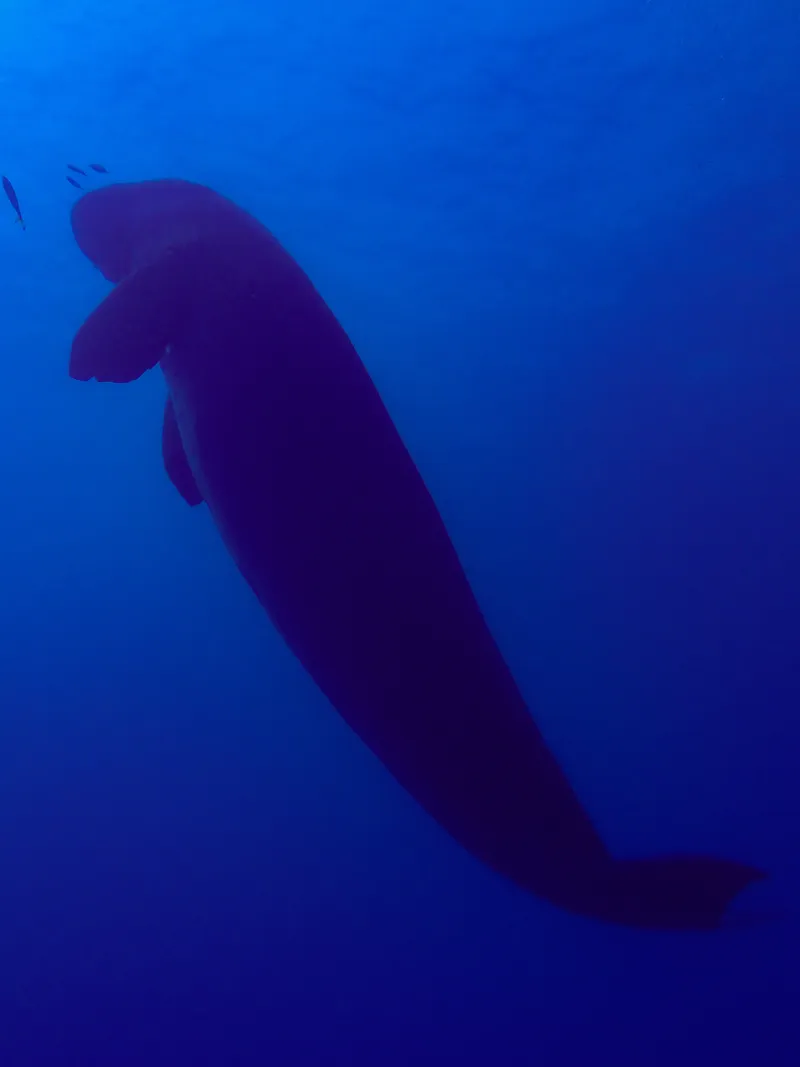
Adding insult to injury, we barely know what's out there. The report slams a massive data gap: 40% of dugong habitats, especially in the Northwest Indian Ocean and Red Sea, lack solid population counts. No aerial surveys, no boat patrols - just guesswork. How can we save what we can't even track?
- Around Marsa Alam and Wadi El Gemal Protectorate, we need eyes in the sky and on the water now.
- Without this intel, international efforts like MOS4 are flying blind.
Time for Action: A Call to Egypt's Ministry of Environment
Alright, enough doom-scrolling - let's talk solutions, Red Sea style! Drawing straight from the Global Dugong Status Report, here's our urgent plea to the Egyptian Ministry of Environment and Red Sea Protectorates:
- Close the Data Gap: Ramp up aerial and boat surveys in Marsa Alam and Wadi El Gemal. Accurate numbers will fuel global reports and guide real protection.
- Expand Legal Protection: Enforce rules to shield seagrass meadows from unchecked tourism. These aren't disposable weeds - they're the dugong's lifeline!
- Engage Local Communities: Loop in fishermen for monitoring and bycatch awareness. Those nets snag dugongs accidentally - education can turn bystanders into guardians.
- Boost Regional Cooperation: Egypt's already a leader in the Dugong MOU. Step it up to secure safe migratory corridors across Red Sea shores, linking populations from Yemen to Saudi Arabia.
Dive in, spread the word, and let's keep the Bride of the Sea swimming strong. What's your favorite Red Sea spot to spot one? Drop a comment below!
References
PADI Divemaster and underwater storyteller with over 7 years of hands-on Red Sea diving experience, documenting marine life, mapping dive sites, and promoting responsible ocean conservation.