Fangs vs. Toxins: A Diver's Guide to Identifying Venomous vs. Poisonous Marine Life

Exploring the underwater world is a thrilling adventure, but it comes with its own set of risks. Among the most fascinating and potentially dangerous encounters are with venomous and poisonous marine creatures. Understanding the difference between these two terms is crucial for every diver, marine biologist, and underwater photographer. While both can be harmful, their methods of delivering toxins are quite different, and knowing how to identify them can make all the difference in a safe and enjoyable dive [1].
What’s the Difference?
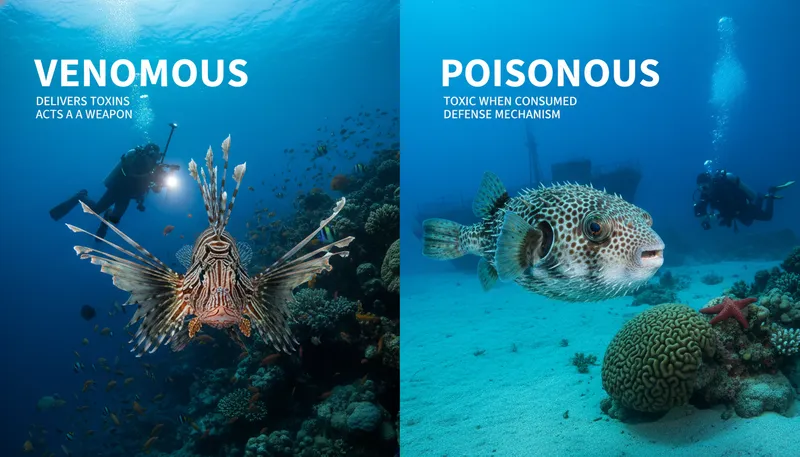
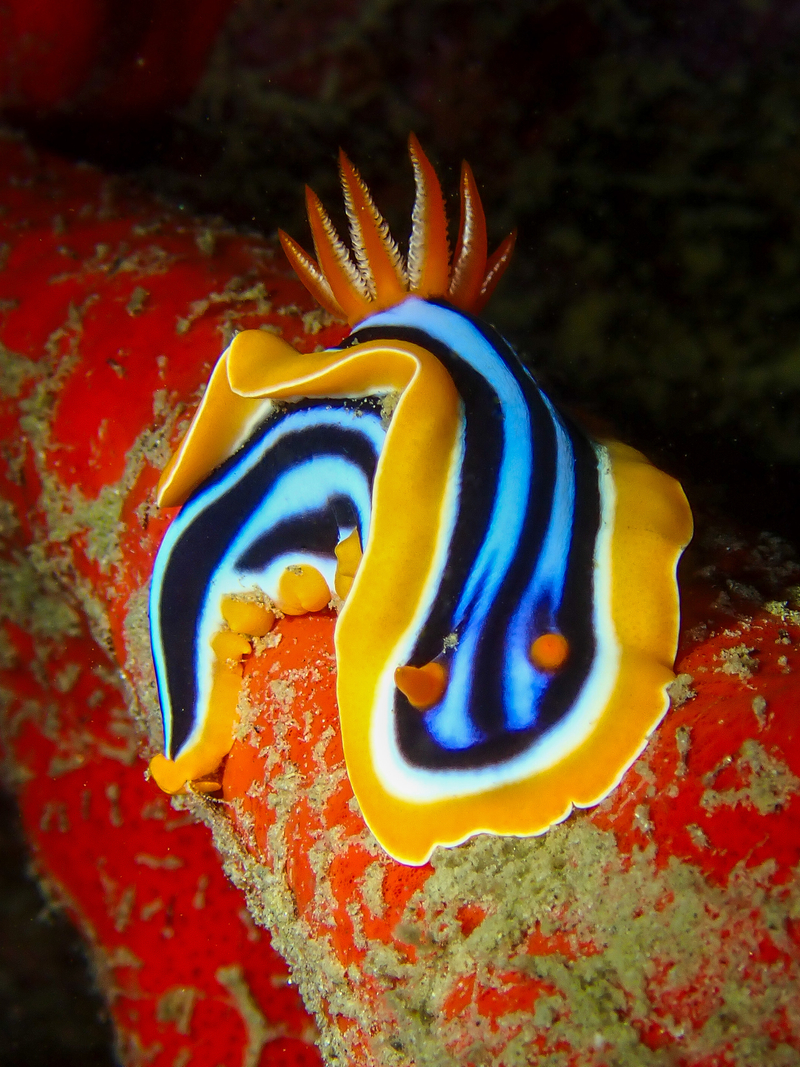
First, let’s clarify the terminology. A venomous creature actively injects its toxin, usually through fangs, spines, or stingers. Think of a snake or a lionfish - these animals have a delivery system for their venom. On the other hand, a poisonous creature is harmful when touched or ingested. For example, some nudibranchs or pufferfish are poisonous because their toxins are in their skin or flesh, not delivered by a bite or sting [1].
Common Venomous Marine Life
Many of the most dangerous marine animals are venomous. The box jellyfish, for instance, is considered the most deadly creature in the sea. Its tentacles are covered in stinging cells called nematocysts, which can inject a potent toxin capable of causing paralysis, cardiac arrest, and even death within minutes. Similarly, the stonefish, found in the Indo-Pacific, has sharp spines that deliver a venom so strong it can be fatal to humans.

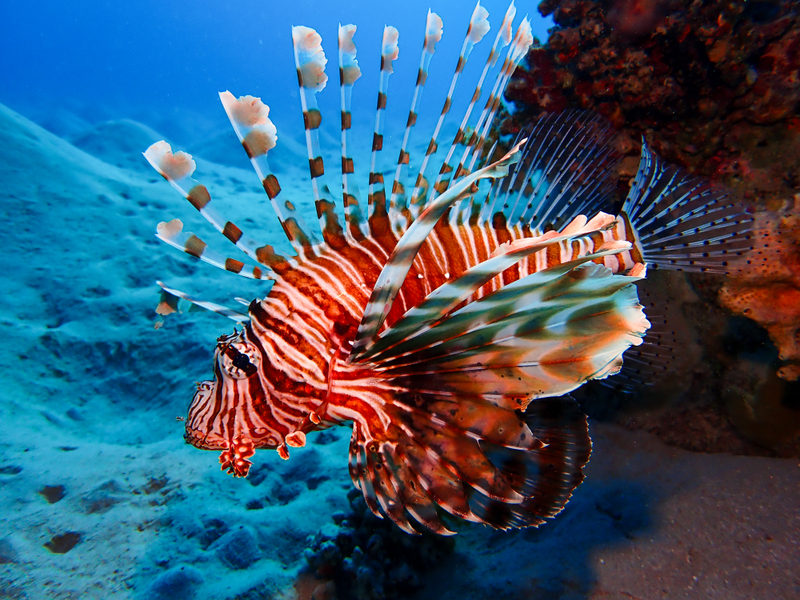
Lionfish are another example. Their feather-like spines contain venom that, while rarely lethal, can cause intense pain and swelling if punctured [1]. The blue-ringed octopus, despite its small size, is one of the most venomous marine animals. It only bites when provoked, but its venom can be deadly.
Common Poisonous Marine Life
Poisonous marine animals are less common but still important to recognize. Some species of nudibranchs and pufferfish contain toxins in their skin or flesh, which can be harmful if touched or eaten. These toxins are not delivered by a bite or sting, but rather by contact or ingestion [1].
How to Identify and Avoid Them
For divers and photographers, the key is to observe and respect marine life from a safe distance. Venomous creatures often have warning signs, such as bright colors or distinctive patterns. The blue-ringed octopus, for example, displays bright blue rings when threatened - a clear warning to potential predators [3].
Always avoid touching or handling marine animals, especially those with spines, tentacles, or unusual markings. If you’re unsure, it’s best to err on the side of caution and keep your distance. For photographers, this means using a telephoto lens rather than getting too close for that perfect shot [1].
First Aid and Treatment
If you do get stung or bitten, it’s important to know basic first aid. For venomous stings, such as those from jellyfish or stonefish, rinse the area with vinegar (for jellyfish) or hot water (for stonefish) and seek medical attention immediately[2][3]. For poisonous exposures, avoid touching your face or mouth and wash the affected area thoroughly.
Conclusion
Understanding the difference between venomous and poisonous marine life is essential for anyone exploring the underwater world. By learning to identify these creatures and knowing how to respond to an encounter, you can ensure a safer and more enjoyable diving experience. Remember, the ocean is full of wonders, but it’s also full of surprises - stay informed, stay safe, and respect the incredible diversity of marine life[1][2][3].
References
PADI Divemaster and underwater storyteller with over 7 years of hands-on Red Sea diving experience, documenting marine life, mapping dive sites, and promoting responsible ocean conservation.