10 Mind-Blowing Octopus Facts They Don't Teach in School

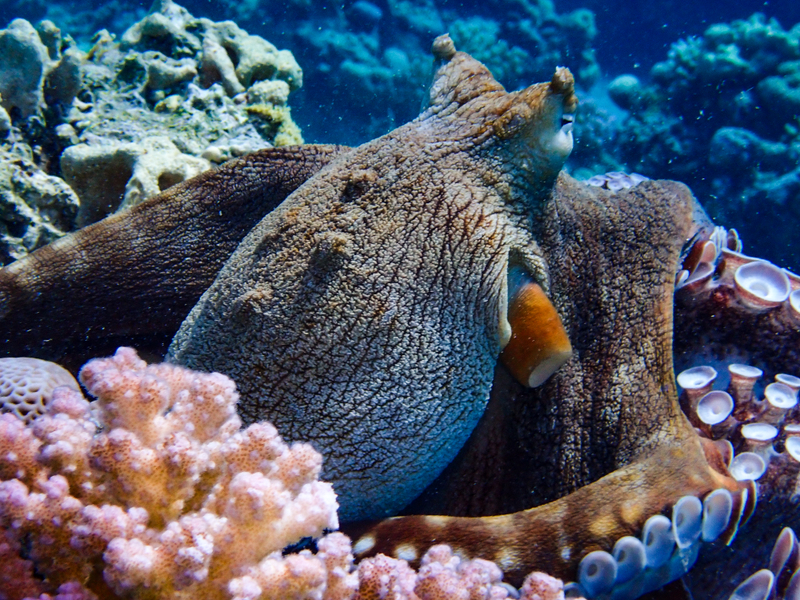
Octopuses are nature’s mix of brainy genius, Houdini and living watercolor - and yes, they’re even stranger than the stuff you learned in school. Below are 10 jaw-dropping facts about octopuses delivered in a friendly, curious voice - the kind you’d use over coffee with someone who can’t stop talking about the sea.
1. They have three hearts (and each one has a job)
Octopuses carry three hearts: two smaller hearts pump blood to the gills, and one larger heart circulates blood to the rest of the body. Interestingly, the big “systemic” heart actually stops when the octopus swims, which helps explain why many species prefer to crawl rather than swim - swimming is tiring for them because their circulation is interrupted while moving fast. [5][6]
2. Their blood is blue - literally
Octopus blood isn’t red like ours. Instead, it contains a copper-based protein called hemocyanin, which turns the blood blue and is better at carrying oxygen in cold, low-oxygen waters. This adaptation helps them thrive in a variety of marine habitats from shallow reefs to deep, chilly seafloor sites.[5][1]
3. They’ve got “nine brains” - sort of
There’s one central brain wrapped around the esophagus, and then each arm contains a large ganglion - a kind of mini-brain - that controls movement and senses locally. That means an octopus’s arms can explore, manipulate objects and react independently of the central brain - an arm can even solve problems on its own while the body is busy doing something else.[6][1]
4. They taste with their arms
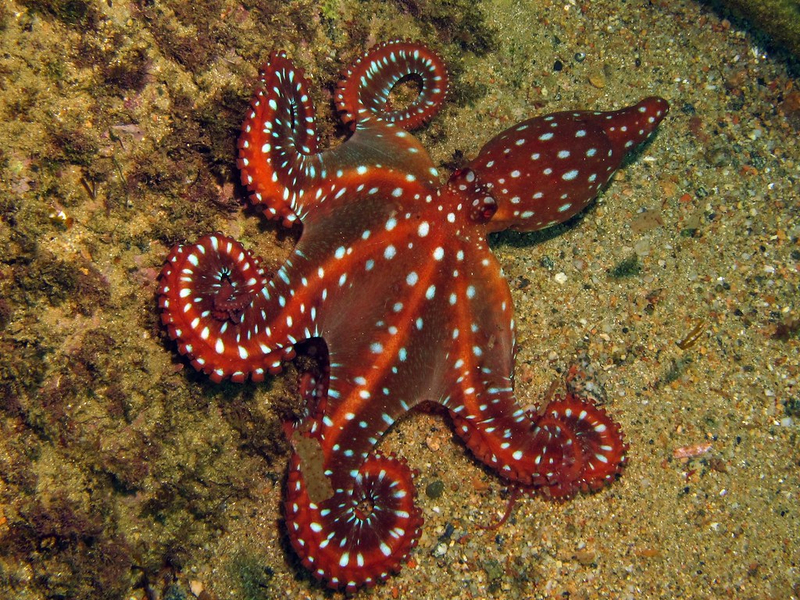
Those famous suckers aren’t just for gripping. Each sucker is covered in chemoreceptors - thousands of tiny sensors - so when an octopus touches something it can “taste” it directly through its arm. That’s how they decide whether a snack is dinner or a dud without putting it in their mouth first.[1][3]
5. No bones = ultimate escape artists
Octopuses have no internal skeleton, and the only hard structure in their body is their beak. That means they can squeeze through any opening larger than their beak - if the beak fits, the whole body can follow. It’s one reason they’re famous for breaking out of aquariums and wriggling into surprising places.[1][6]
6. Masters of disguise: color, texture and impersonation
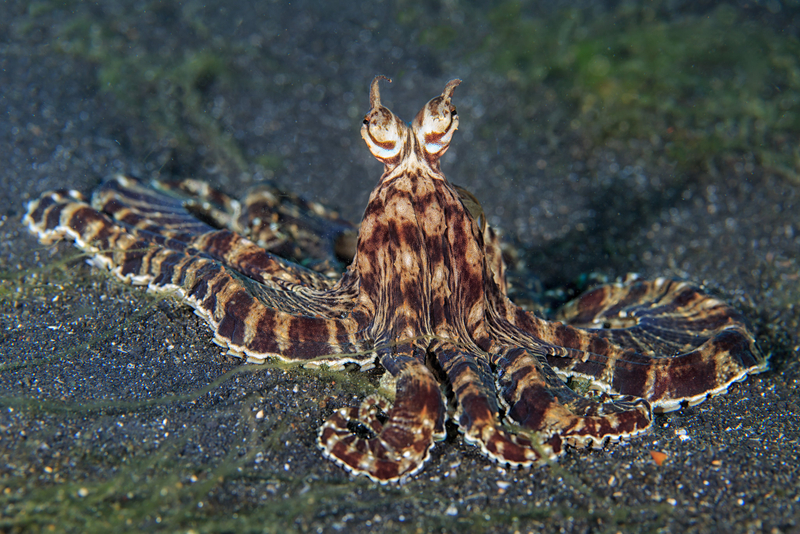
Specialized skin cells called chromatophores (plus other skin structures) let octopuses change color and texture in the blink of an eye to match rocks, sand, coral or shadow. Some species go even further: the mimic octopus can contort its body and behave like lionfish, sea snakes, or flatfish to fool predators and prey alike. It’s camouflage, performance art and deception rolled into one.[1][2]
7. They can edit their own genes - at the RNA level
Octopuses show unusual genetic flexibility: they can edit RNA, which lets them change how genes are expressed without altering the DNA sequence itself. This RNA editing may help them adjust quickly to different temperatures and environments - a rare trick among animals and one reason scientists find their molecular biology so fascinating.
8. Real-life problem solvers: puzzles, tools and personalities
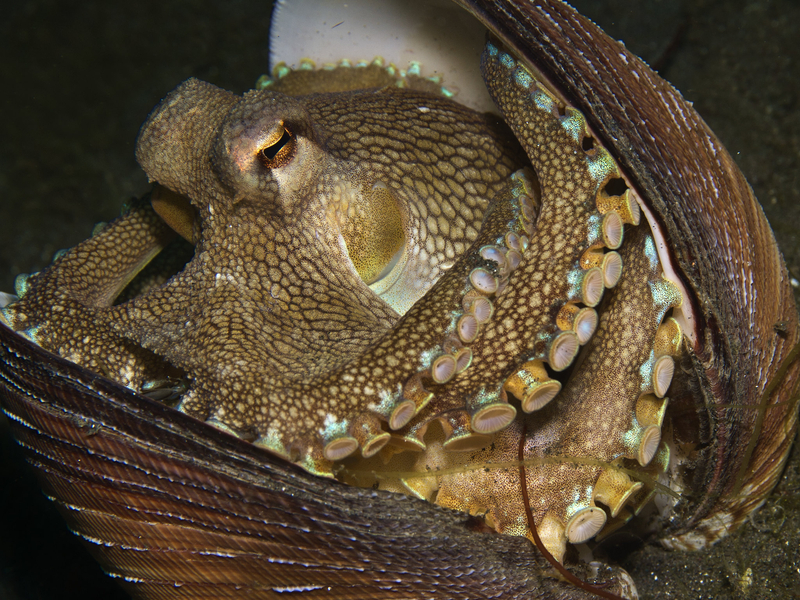
Octopuses are widely regarded as the most intelligent invertebrates. They open jars, navigate mazes, use coconut shells or other objects as mobile shelters, and show individual recognition of people in some studies. They’re curious, playful (in captivity researchers watch them manipulate complex toys) and remarkably adaptable thinkers.[1][2][6]
9. Many species are venomous - and all have fascinating feeding gear
All octopuses produce venom to some degree; most species’ venom is used to subdue prey and digest shells, while a couple of species possess powerful neurotoxins dangerous to humans. They eat with a sharp, parrot-like beak and have a radula (a tongue-like organ with tiny teeth) to rasp food - a toolkit built for cracking and extracting meals like crabs, clams and small fish.[3][6]

10. The ultimate mom - and why octopus mothers die after brooding
Female octopuses invest everything in their eggs. After laying thousands of eggs, a mother will vigilantly guard and clean them for months without feeding; some species fast for the entire brooding period, sometimes even years in extreme cases. Once the eggs hatch she typically dies - a dramatic life-history trade-off in which the mother sacrifices herself to give her offspring the best start.[1][6]
Quick-hit curiosities (because octopuses are full of little wonders)
- They’re ancient. Cephalopods have a long evolutionary history; octopus-like forms existed hundreds of millions of years ago.[5]
- They use ink cleverly. Ink clouds aren’t just smokescreens - the mucus-and-melanin mix can also interfere with a predator’s sense of smell.[6]
- They can be very big or very tiny. Species range from the tiny Octopus wolfi (about a gram) to the massive giant Pacific octopus that can span many meters.[2]
- No blind spot here. Their eyes and optic wiring give them a very wide field of vision, helping them spot danger from many angles.[3]
Octopuses are endlessly surprising - at once alien and oddly familiar. They challenge our ideas about intelligence, body design and what it means to “think” with more than a brain. Next time you see one in a documentary or aquarium, watch those arms, notice the skin shifting like living paint, and remember: you’re looking at a creature that rewrites the rules of animal life.
References
PADI Divemaster and underwater storyteller with over 7 years of hands-on Red Sea diving experience, documenting marine life, mapping dive sites, and promoting responsible ocean conservation.