The 13 Spines of Death: Understanding Stonefish Venom and Its Effects

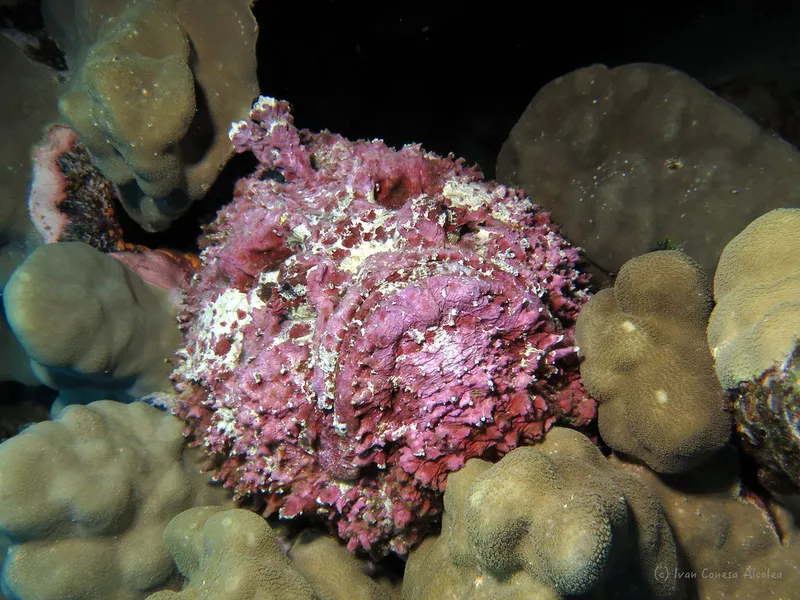
Hidden among the vibrant coral reefs and rocky seabeds of the Indo-Pacific, Persian Gulf, and Red Sea lies one of the ocean’s most formidable predators: the stonefish. With up to 13 venomous dorsal spines, these masters of camouflage are not only a marvel of evolution but also a serious threat to anyone venturing into their territory. For scuba divers, marine biologists, and underwater photographers, understanding the nature of stonefish venom is crucial for both safety and appreciation of this remarkable creature.
The Anatomy of a Stonefish Sting
Stonefish (genus Synanceia) are equipped with 13 sharp dorsal spines, each capable of delivering a potent cocktail of toxins. When stepped on or disturbed, these spines inject venom into the victim, causing immediate and intense pain. The venom is a complex mixture, with the primary toxin being stonustoxin, a protein that forms pores in cell membranes, leading to cell death and tissue damage. This pore-forming ability affects a wide range of tissues, explaining the diverse physiological responses seen in envenomation cases.
Key Components of Stonefish Venom
- Stonustoxin: The main toxin responsible for cellular damage and increased blood vessel permeability.
- Hyaluronidase: Breaks down tissue, causing a burning, stinging sensation and facilitating the spread of venom.
- Cardioleputin: Increases heart rate, speeding up venom distribution throughout the body.
- Neurotransmitters: Recent research has identified gamma-aminobutyric acid (GABA), choline, and O-acetylcholine in stonefish venom, which play roles in modulating cardiovascular functions and may contribute to the venom’s effects on blood pressure and heart rate.
Effects of Envenomation
Envenomation by a stonefish can result in extreme pain, swelling, hypotension, respiratory distress, internal bleeding, and, in severe cases, death. The dilation of capillaries caused by the venom leads to hypotension, which is now recognized as the main cause of lethality in stonefish stings. The venom’s susceptibility to heat means that applying hot water to the affected area can help denature the toxins and alleviate symptoms, a technique often recommended for divers and first responders.
Implications for Divers, Biologists, and Photographers
For scuba divers, awareness of stonefish habitats and the importance of careful movement on the seabed can prevent accidental stings. Marine biologists studying these creatures must handle them with extreme caution, using appropriate protective gear. Underwater photographers should be mindful of their surroundings, avoiding sudden movements that might disturb a stonefish. The discovery of new neurotransmitters in stonefish venom not only enhances our understanding of envenomation mechanisms but also opens avenues for targeted treatments and potential drug development.
Conclusion
The stonefish, with its 13 spines of death, is a testament to nature’s ingenuity and danger. By understanding the composition and effects of its venom, we can better appreciate the complexity of marine life and take steps to ensure our safety while exploring the underwater world. Whether you’re a diver, biologist, or photographer, respect for these creatures and their environment is paramount.
References
PADI Divemaster and underwater storyteller with over 7 years of hands-on Red Sea diving experience, documenting marine life, mapping dive sites, and promoting responsible ocean conservation.