Octopus Mortality After Mating: Evolutionary Adaptations and Life Span

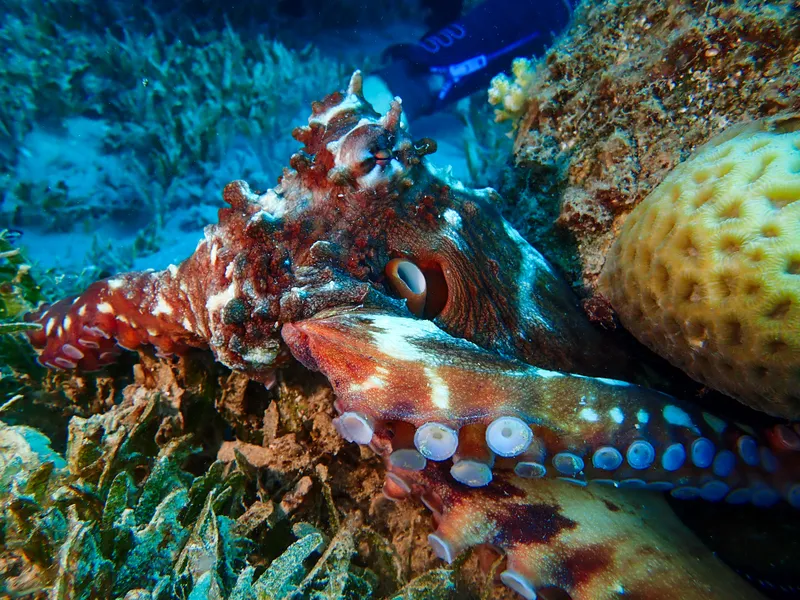
Octopuses are among the most fascinating creatures in the ocean, captivating divers, marine biologists, and underwater photographers alike with their intelligence, camouflage, and mysterious behaviors. Yet, one of the most intriguing aspects of octopus biology is their dramatic life cycle, particularly the phenomenon of mortality after mating.
The Life Cycle: Semelparity and Senescence
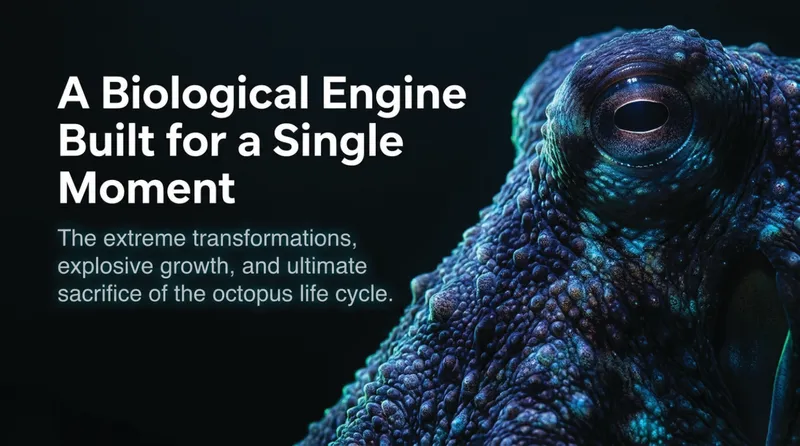
Octopuses are semelparous, meaning they reproduce once and then die. This is a stark contrast to most mammals and many other marine animals, which reproduce multiple times over their lifetimes. After mating, both male and female octopuses enter a phase called senescence, a natural and normal stage in their life cycle that leads to death. Symptoms include loss of appetite, uncoordinated movement, dulling color, and even self-mutilation in some cases. For females, this process is especially dramatic: after laying eggs, they stop eating and dedicate themselves to protecting their brood until the eggs hatch, often starving in the process.
Why Do Octopuses Die After Mating?
The answer lies in a complex biochemical cascade triggered by the optic gland, an organ near the octopus’s eyes. After reproduction, this gland undergoes a massive shift in cholesterol metabolism, resulting in dramatic changes in steroid hormone production. Researchers have identified three key pathways involved: increased production of pregnenolone and progesterone (hormones associated with reproduction), maternal cholestanoids, and 7-dehydrocholesterol. These hormonal changes are believed to drive the octopus’s self-destructive behaviors and eventual death.

For marine biologists, this process offers insights into the evolutionary trade-offs between reproduction and longevity. By dying after a single reproductive event, octopuses ensure that their offspring face less competition from adults, as octopuses are known to be cannibalistic. This adaptation may have evolved to maximize the survival chances of the next generation.
Life Span Variations Across Species
Octopus life spans vary widely by species, but most live only a few years. For example:
- Greater Argonaut: 6 months - 1 year
- Common Octopus: 1-2 years
- Caribbean Reef Octopus: 10-12 months
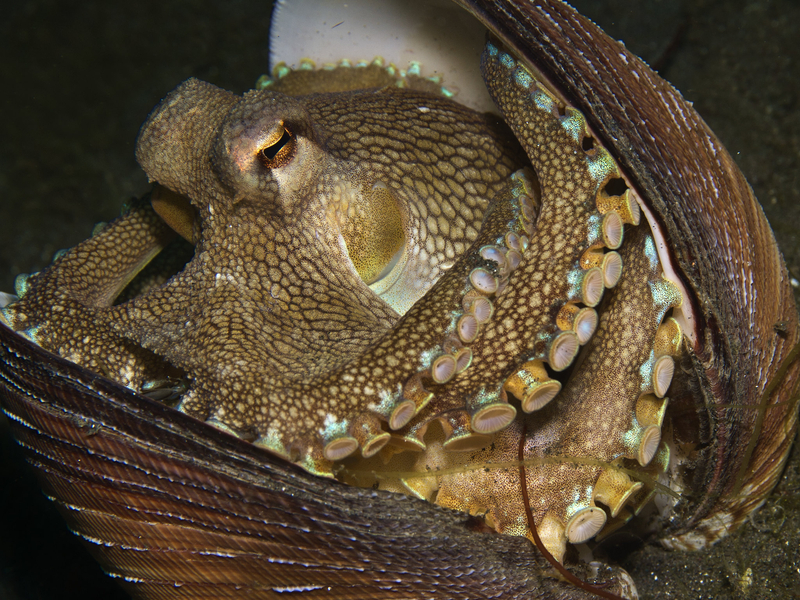
- Coconut Octopus: 1-1.5 years
- Giant Pacific Octopus: 3-5 years
These short life spans mean that every encounter with an octopus is a fleeting moment, making them especially prized by scuba divers and underwater photographers.
Implications for Divers and Photographers
For scuba divers, understanding octopus senescence can enhance the experience of observing these animals in their natural habitat. Seeing a female octopus guarding her eggs is a rare and poignant sight, a testament to the incredible dedication of these creatures. Photographers should approach such moments with care, minimizing disturbance to avoid stressing the animal during this vulnerable period.
Evolutionary Advantages and Open Questions
The evolutionary advantage of post-mating mortality is clear for females: by sacrificing themselves, they protect their young from predation and competition. For males, the reasons are less straightforward. While males typically die shortly after mating, some may survive for months, suggesting that the process is not as rigid as in females. The exact mechanisms and evolutionary benefits for males remain an area of active research, offering exciting opportunities for marine biologists and enthusiasts alike.
In summary, octopus mortality after mating is a remarkable example of evolutionary adaptation, shaped by millions of years of natural selection. Whether you’re a diver marveling at their intelligence, a biologist studying their life cycle, or a photographer capturing their beauty, the story of octopus senescence is a reminder of the intricate and often surprising ways life unfolds in the ocean.
PADI Divemaster and underwater storyteller with over 7 years of hands-on Red Sea diving experience, documenting marine life, mapping dive sites, and promoting responsible ocean conservation.